1,1,2-Trichloro-1,2,2-trifluoroethane
76-13-1 · 1,1,2-trichloro-1,2,2-trifluoro-ethane · 1,1,2-Trichloro-1,2,2-trifluoroethane · 1,1,2-Trichloro-1,2,2-trifluoroethane, technical grade · 1,1,2-trichlorotrifiuoroethane · 1,1,2-Trichlorotrifluoroethane · 1,1,2-Trichlorotrifluoroethane 100 microg/mL in Methanol · 1,1,2-Trifluoro-1,2,2-trichloroethane · 1,1,2-Trifluorotrichloroethane · 1,2,2-Trichlorotrifluoroethane · 1,2,2-Trifluorotrichloroethane · Arcton 63 · Arklone · Arklone P · Asahifron 113 · BRN 1740335 · CFC 113 · CFC-113 · CFCl2CF2Cl · Chlorofluorocarbon 113 · Chlorofluorocarbon-113 · Daiflon S 3 · Delifrene LS · Distillex DS5 · Ethane, 1,1,2-trichloro-1,2,2-trifluoro- · Flugene 113 · Fluorocarbon 113 · Forane 113 · FREON 113 · Freon 113 TR-T · Freon 113TR-T · Freon F113 · Freon R 113 · Freon TF · Freon TF (113) · freon-113 · Frigen 113 · Frigen 113 TR · Frigen 113 TR-T · Frigen 113A · Frigen 113TR · Frigen 113TR-N · Frigen 113tr-T · Genesolv D · Genetron 113 · Halocarbon 113 · Halon 113 · HSDB 145 · Isceon 113 · Kaiser chemicals 11 · Kaltron 113MDR · Khladon 113 · LEDON 113 · Propellant 113 · R 113 (Halocarbon) · Racon 113 · Refrigerant 113 · Refrigerant R 113 · trifluorotrichloroethane · Ucon fluorocarbon 113CAS 76-13-1
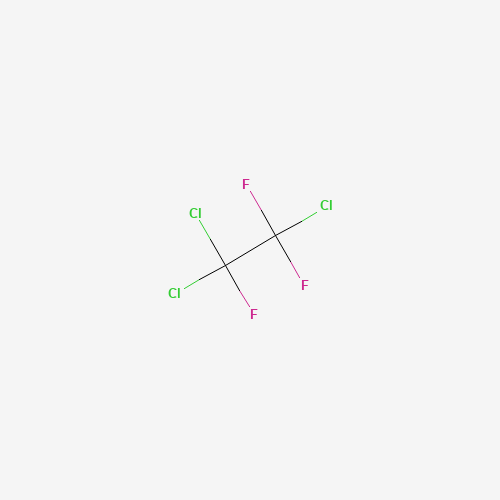
A chlorofluorocarbon solvent, specified by JECFA as an extraction solvent. Production of CFCs has been phased out under the Montreal Protocol, so the specification outlasts most of the uses it was written for.
Where it is and isn’t permitted
| Jurisdiction | Status | Scope and limits | Citation |
|---|---|---|---|
| Australia and New Zealand | No listed food uses foundThis site has not matched this substance to any food use on this jurisdiction’s list of authorised food additives. A food additive may be used only in foods that list names. Flavourings, enzymes, processing aids and added nutrients are regulated separately and do not appear on it. | ||
| Canada | No listing matchedHealth Canada’s lists name additives without E or INS numbers, so this site matches them by exact name. A substance listed there under a name this site does not recognise has no row here. | ||
| European Union | No listed food uses foundThis site has not matched this substance to any food use on this jurisdiction’s list of authorised food additives. A food additive may be used only in foods that list names. Flavourings, enzymes, processing aids and added nutrients are regulated separately and do not appear on it. | ||
| Great Britain | No listed food uses foundThis site has not matched this substance to any food use on this jurisdiction’s list of authorised food additives. A food additive may be used only in foods that list names. Flavourings, enzymes, processing aids and added nutrients are regulated separately and do not appear on it. | ||
| Japan | No listing matchedThis site imports only Japan’s list of designated additives (Appended Table 1 to the Regulations for Enforcement of the Food Sanitation Act), matched by English name. Existing additives, natural flavouring agents and ordinary foods used as additives are permitted outside that list and are not imported, so an empty row does not show that Japan does not permit the substance. | ||
| South Korea | No listing matchedThis site imports Part III of South Korea’s Standards and Specifications for Food Additives, matched by CAS number, then INS number, then exact name. Mixed preparations and sanitisers are not imported, and an entry whose identifiers disagreed with a page’s is held for review, so an empty row does not show that South Korea does not permit the substance. | ||
| United States | Not listedDoes not appear on this jurisdiction’s permitted list. That is not the same as being prohibited. | ||
| Codex Alimentarius | Not listedDoes not appear on this jurisdiction’s permitted list. That is not the same as being prohibited. |
What it is made from
Made industrially by fluorinating chlorinated ethanes.
- Vegan
- Vegetarian
Compare other additives on the dietary indexes.
- CAS registry number
- 76-13-1
- InChIKey
- AJDIZQLSFPQPEY-UHFFFAOYSA-N
- PubChem
- CID 6428
How JECFA defines it
The international specification for identity and purity, prepared by the Joint FAO/WHO Expert Committee on Food Additives and published by FAO. It is a different document from any above, written by a different body and revised on its own cycle; it is advisory, and a country adopts it or does not.
1,1,2-Trichlorotrifluoroethane
Synonyms: Fluorocarbon 113
Assay, identification and purity criteria
Description and assay
- Specification history
- Prepared at the 26th JECFA (1982), published in FNP 25 (1982) and in FNP 52 (1992). Metals and arsenic specifications revised at the 63rd JECFA (2004). No ADI was allocated at the 23rd JECFA (1979)
- Chemical names
- 1,1,2-Trichloro-1,2,2-trifluoroethane
- C.A.S. number
- 76-13-1
- Chemical formula
- C 2 Cl 3 F 3
- Formula weight
- 187.4
- Assay
- Not less than 99.8%
- DESCRIPTION
- Colourless, volatile liquid with a faint characteristic odour
- FUNCTIONAL USES
- Extraction solvent
- METHOD OF ASSAY
- Determine by Gas-liquid chromatography (see Volume 4): After determination of the total content of specified impurities, the balance consists of 1,1,2-trichloro-trifluoroethane together with any trace of other halogenated hydrocarbons that may be present. Calculate the percentage of 1,1,2-trichlorotrifluoroethane by the formula 100%-X, in which X is the percentage of other halogenated hydrocarbons determined as directed above.
Identification
- Solubility (Vol. 4)
- Practically insoluble in water; miscible with ethanol, chloroform and ether
- Refractive index (Vol. 4)
- n (20, 20): about 1.359
- Specific gravity (Vol. 4)
- 1.571 - 1.578
- Boiling range (Vol. 4)
- 47.0 - 48.0 o
Purity criteria
- Non-volatile residue (Vol. 4)
- Not more than 2 mg/100 ml
- Free chlorine
- Not more than 5 mg/kg (as hydrochloric acid) Shake 10 ml of the sample vigorously for 2 min, with 10 ml of 10% potassium iodide solution and 1 ml of starch TS. A blue colour does not appear in the water layer
- Acidity
- Not more than 0.5 mg/kg Shake 20 ml with 20 ml of freshly boiled and cooled water for 3 min. Separate the aqueous layer and add a few drops of bromocresol purple indicator solution. Not more than 0.3 ml of 0.01 N NaOH is required to change the colour of the indicator.
- Other halogenated hydrocarbons
- Not more than 0.2% See description under TESTS
- Lead (Vol. 4)
- Not more than 2 mg/kg Determine using an atomic absorption technique appropriate to the specified level. The selection of sample size and method of sample preparation may be based on the principles of the method described in Volume 4, “Instrumental Methods.”
- Test: Other halogenated hydrocarbons
- Examine by gas chromatography using the following solutions: - Trichlorotrifluoroethane to be examined - A 0.2% (v/v) solution of 2-bromo-2-chloro-1,1,1-trifluoroethane (halothane) in ethanol as internal standard. The chromatographic procedure is carried out under the following conditions: Column - length: 2.75 m - diameter: 0.5 cm (i.d.) - packing: the first 1.80 m: 30% PEG 400 supported on pink firebrik; the remainder with 30% dinonylphthalate on the same support. Carrier gas: Nitrogen Detector type: F.I.D. Temperatures - column: 50 o Record the chromatogram with the appropriate attenuation and measure the area of all peaks and summate. The sum of the total impurities is less than 0.2%. The chromatographic procedure may also be carried out with a column prepared with Porapak Q 130.
Every name it appears under
60 recorded names. A label may use any of them.
CAS registry number
- 76-13-1
Other names
- 1,1,2-trichloro-1,2,2-trifluoro-ethane
- 1,1,2-Trichloro-1,2,2-trifluoroethane
- 1,1,2-Trichloro-1,2,2-trifluoroethane, technical grade
- 1,1,2-trichlorotrifiuoroethane
- 1,1,2-Trichlorotrifluoroethane
- 1,1,2-Trichlorotrifluoroethane 100 microg/mL in Methanol
- 1,1,2-Trifluoro-1,2,2-trichloroethane
- 1,1,2-Trifluorotrichloroethane
- 1,2,2-Trichlorotrifluoroethane
- 1,2,2-Trifluorotrichloroethane
- Arcton 63
- Arklone
- Arklone P
- Asahifron 113
- BRN 1740335
- CFC 113
- CFC-113
- CFCl2CF2Cl
- Chlorofluorocarbon 113
- Chlorofluorocarbon-113
- Daiflon S 3
- Delifrene LS
- Distillex DS5
- Ethane, 1,1,2-trichloro-1,2,2-trifluoro-
- Flugene 113
- Fluorocarbon 113
- Forane 113
- FREON 113
- Freon 113 TR-T
- Freon 113TR-T
- Freon F113
- Freon R 113
- Freon TF
- Freon TF (113)
- freon-113
- Frigen 113
- Frigen 113 TR
- Frigen 113 TR-T
- Frigen 113A
- Frigen 113TR
- Frigen 113TR-N
- Frigen 113tr-T
- Genesolv D
- Genetron 113
- Halocarbon 113
- Halon 113
- HSDB 145
- Isceon 113
- Kaiser chemicals 11
- Kaltron 113MDR
- Khladon 113
- LEDON 113
- Propellant 113
- R 113 (Halocarbon)
- Racon 113
- Refrigerant 113
- Refrigerant R 113
- trifluorotrichloroethane
- Ucon fluorocarbon 113
Hazard reference values
No reference value for this substance in the sources we hold.
Evidence and how bodies read it
Studies, and the differing conclusions regulators drew from them, are curated rather than machine-read, and none has been written for this substance yet.
Common questions
Assembled from what is above, in the words the questions are usually asked in. Each answer is the same statement the relevant section makes, with the same citations behind it.
- What is 1,1,2-Trichloro-1,2,2-trifluoroethane?
- A chlorofluorocarbon solvent, specified by JECFA as an extraction solvent. Production of CFCs has been phased out under the Montreal Protocol, so the specification outlasts most of the uses it was written for.
- Is 1,1,2-Trichloro-1,2,2-trifluoroethane vegan?
- Yes. 1,1,2-Trichloro-1,2,2-trifluoroethane is not derived from animals, and is suitable for vegetarians. This page says what it is made from and how.
Sources for this page
- jecfaspecs retrieved 2026-09-23
Full licence terms and publisher details on Sources. How this page is built and updated: Method.
Machine-readable: a JSON record of this additive is given on request —how to ask for access.
Follow changes to 1,1,2-Trichloro-1,2,2-trifluoroethane:Atom feed — regulatory events, and any change the weekly refresh detects in its provisions.