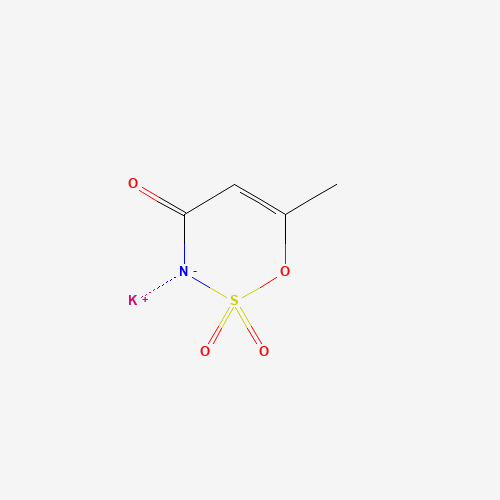
| Codex AlimentariusCodex Alimentarius Commission / JECFA | ◐Permitted, with conditions | 65 food categories highest permitted level 5,000 mg/kg Show every food category and its notes- 01.1.4 Flavoured Fluid Milk Drinks — 350 mg/kg
- Note 188 If used in combination with aspartame-acesulfame salt (INS 962), the combined maximum use level, expressed as acesulfame potassium, should not exceed this level.
- Note 478 Some Codex Members allow use of additives with sweetener function in all foods within this Food Category while others limit additives with sweetener function to those foods with significant energy reduction or no added sugars. This limitation may not apply to the appropriate use as a flavour enhancer.
- Note 639 Except for use in products conforming to the Standard for Fermented Milks (CXS243-2003): for use in milk- and milk derivative-based products energy reduced or with no added sugar.
- 01.3.2 Beverage whiteners — 2,000 mg/kg
- Note 188 If used in combination with aspartame-acesulfame salt (INS 962), the combined maximum use level, expressed as acesulfame potassium, should not exceed this level.
- Note 201 For use in flavoured products only.
- Note 478 Some Codex Members allow use of additives with sweetener function in all foods within this Food Category while others limit additives with sweetener function to those foods with significant energy reduction or no added sugars. This limitation may not apply to the appropriate use as a flavour enhancer.
- Note XS250 Excluding products conforming to the Standard for a Blend of Evaporated Skimmed Milk and Vegetable Fat (CODEX STAN 250-2006).
- Note XS252 Excluding products conforming to the Standard for a Blend of Sweetened Condensed Skimmed Milk and Vegetable Fat (CODEX STAN 252-2006).
- 01.4.4 Cream analogues — 1,000 mg/kg
- Note 188 If used in combination with aspartame-acesulfame salt (INS 962), the combined maximum use level, expressed as acesulfame potassium, should not exceed this level.
- Note 478 Some Codex Members allow use of additives with sweetener function in all foods within this Food Category while others limit additives with sweetener function to those foods with significant energy reduction or no added sugars. This limitation may not apply to the appropriate use as a flavour enhancer.
- Note 68 For use in flavoured and/or sweetened products only.
- 01.5.2 Milk and cream powder analogues — 1,000 mg/kg
- Note 188 If used in combination with aspartame-acesulfame salt (INS 962), the combined maximum use level, expressed as acesulfame potassium, should not exceed this level.
- Note 478 Some Codex Members allow use of additives with sweetener function in all foods within this Food Category while others limit additives with sweetener function to those foods with significant energy reduction or no added sugars. This limitation may not apply to the appropriate use as a flavour enhancer.
- Note XS251 Excluding products conforming to the Standard for a Blend of Skimmed Milk and Vegetable Fat in Powdered Form (CODEX STAN 251-2006).
- Note 408 For use in flavoured and/or sweetened milk powder analogues only.
- 01.7 Dairy-based desserts (e.g. pudding, fruit or flavoured yoghurt) — 350 mg/kg
- Note 478 Some Codex Members allow use of additives with sweetener function in all foods within this Food Category while others limit additives with sweetener function to those foods with significant energy reduction or no added sugars. This limitation may not apply to the appropriate use as a flavour enhancer.
- Note 188 If used in combination with aspartame-acesulfame salt (INS 962), the combined maximum use level, expressed as acesulfame potassium, should not exceed this level.
- Note 639 Except for use in products conforming to the Standard for Fermented Milks (CXS243-2003): for use in milk- and milk derivative-based products energy reduced or with no added sugar.
- 02.4 Fat-based desserts excluding dairy-based dessert products of food category 01.7 — 350 mg/kg
- Note 188 If used in combination with aspartame-acesulfame salt (INS 962), the combined maximum use level, expressed as acesulfame potassium, should not exceed this level.
- Note 478 Some Codex Members allow use of additives with sweetener function in all foods within this Food Category while others limit additives with sweetener function to those foods with significant energy reduction or no added sugars. This limitation may not apply to the appropriate use as a flavour enhancer.
- 03.0 Edible ices, including sherbet and sorbet — 800 mg/kg
- Note 478 Some Codex Members allow use of additives with sweetener function in all foods within this Food Category while others limit additives with sweetener function to those foods with significant energy reduction or no added sugars. This limitation may not apply to the appropriate use as a flavour enhancer.
- Note 188 If used in combination with aspartame-acesulfame salt (INS 962), the combined maximum use level, expressed as acesulfame potassium, should not exceed this level.
- 04.1.2.1 Frozen fruit — 500 mg/kg
- Note 188 If used in combination with aspartame-acesulfame salt (INS 962), the combined maximum use level, expressed as acesulfame potassium, should not exceed this level.
- Note 478 Some Codex Members allow use of additives with sweetener function in all foods within this Food Category while others limit additives with sweetener function to those foods with significant energy reduction or no added sugars. This limitation may not apply to the appropriate use as a flavour enhancer.
- Note 358 For use in products in a syrup or juice only.
- 04.1.2.10 Fermented fruit products — 350 mg/kg
- Note 478 Some Codex Members allow use of additives with sweetener function in all foods within this Food Category while others limit additives with sweetener function to those foods with significant energy reduction or no added sugars. This limitation may not apply to the appropriate use as a flavour enhancer.
- Note 188 If used in combination with aspartame-acesulfame salt (INS 962), the combined maximum use level, expressed as acesulfame potassium, should not exceed this level.
- 04.1.2.11 Fruit fillings for pastries — 350 mg/kg
- Note 188 If used in combination with aspartame-acesulfame salt (INS 962), the combined maximum use level, expressed as acesulfame potassium, should not exceed this level.
- Note 478 Some Codex Members allow use of additives with sweetener function in all foods within this Food Category while others limit additives with sweetener function to those foods with significant energy reduction or no added sugars. This limitation may not apply to the appropriate use as a flavour enhancer.
- 04.1.2.12 Cooked fruit — 500 mg/kg
- Note 478 Some Codex Members allow use of additives with sweetener function in all foods within this Food Category while others limit additives with sweetener function to those foods with significant energy reduction or no added sugars. This limitation may not apply to the appropriate use as a flavour enhancer.
- Note 188 If used in combination with aspartame-acesulfame salt (INS 962), the combined maximum use level, expressed as acesulfame potassium, should not exceed this level.
- 04.1.2.3 Fruit in vinegar, oil, or brine — 200 mg/kg
- Note 144 For use in sweet and sour products.
- Note 188 If used in combination with aspartame-acesulfame salt (INS 962), the combined maximum use level, expressed as acesulfame potassium, should not exceed this level.
- 04.1.2.4 Canned or bottled (pasteurized) fruit — 350 mg/kg
- Note 188 If used in combination with aspartame-acesulfame salt (INS 962), the combined maximum use level, expressed as acesulfame potassium, should not exceed this level.
- Note 478 Some Codex Members allow use of additives with sweetener function in all foods within this Food Category while others limit additives with sweetener function to those foods with significant energy reduction or no added sugars. This limitation may not apply to the appropriate use as a flavour enhancer.
- Note XS319 Excluding products conforming to the Standard for Certain Canned Fruits (CODEX STAN 319-2015).
- 04.1.2.5 — 1,000 mg/kg
- Note 478 Some Codex Members allow use of additives with sweetener function in all foods within this Food Category while others limit additives with sweetener function to those foods with significant energy reduction or no added sugars. This limitation may not apply to the appropriate use as a flavour enhancer.
- Note 188 If used in combination with aspartame-acesulfame salt (INS 962), the combined maximum use level, expressed as acesulfame potassium, should not exceed this level.
- 04.1.2.6 Fruit-based spreads (e.g. chutney) excluding products of food category — 1,000 mg/kg
- Note 188 If used in combination with aspartame-acesulfame salt (INS 962), the combined maximum use level, expressed as acesulfame potassium, should not exceed this level.
- Note 478 Some Codex Members allow use of additives with sweetener function in all foods within this Food Category while others limit additives with sweetener function to those foods with significant energy reduction or no added sugars. This limitation may not apply to the appropriate use as a flavour enhancer.
- Note XS160 Excluding products conforming to the Standard for Mango Chutney (CODEX STAN 160-1987).
- 04.1.2.7 Candied fruit — 500 mg/kg
- Note 188 If used in combination with aspartame-acesulfame salt (INS 962), the combined maximum use level, expressed as acesulfame potassium, should not exceed this level.
- Note 478 Some Codex Members allow use of additives with sweetener function in all foods within this Food Category while others limit additives with sweetener function to those foods with significant energy reduction or no added sugars. This limitation may not apply to the appropriate use as a flavour enhancer.
- 04.1.2.8 Fruit preparations, including pulp, purees, fruit toppings and coconut milk — 350 mg/kg
- Note 188 If used in combination with aspartame-acesulfame salt (INS 962), the combined maximum use level, expressed as acesulfame potassium, should not exceed this level.
- Note 478 Some Codex Members allow use of additives with sweetener function in all foods within this Food Category while others limit additives with sweetener function to those foods with significant energy reduction or no added sugars. This limitation may not apply to the appropriate use as a flavour enhancer.
- Note XS314R Excluding products conforming to the Standard for Date Paste (CODEX STAN 314R-2013).
- 04.1.2.9 Fruit-based desserts, incl. fruit-flavoured water-based desserts — 350 mg/kg
- Note 478 Some Codex Members allow use of additives with sweetener function in all foods within this Food Category while others limit additives with sweetener function to those foods with significant energy reduction or no added sugars. This limitation may not apply to the appropriate use as a flavour enhancer.
- Note 188 If used in combination with aspartame-acesulfame salt (INS 962), the combined maximum use level, expressed as acesulfame potassium, should not exceed this level.
- 04.2.2.2 Dried vegetables (including mushrooms and fungi, roots and tubers, pulses and legumes, and aloe vera), seaweeds, and nuts and seeds — 300 mg/kg
- Note 110 For use in Seasoned Laver Products only, conforming to the Regional Standard for Laver Products (CXS 323R-2017).
- Note XS336R Excluding products conforming to the Regional Standard for kava products for use as a beverage when mixed with water (North America and South West Pacific) (CXS 336R-2020).
- 04.2.2.3 Vegetables (including mushrooms and fungi, roots and tubers, pulses and legumes, and aloe vera), and seaweeds in vinegar, oil, brine, or soybean sauce — 200 mg/kg
- Note 144 For use in sweet and sour products.
- Note 188 If used in combination with aspartame-acesulfame salt (INS 962), the combined maximum use level, expressed as acesulfame potassium, should not exceed this level.
- 04.2.2.4 Canned or bottled (pasteurized) or retort pouch vegetables (including mushrooms and fungi, roots and tubers, pulses and legumes, and aloe vera), and seaweeds — 350 mg/kg
- Note 188 If used in combination with aspartame-acesulfame salt (INS 962), the combined maximum use level, expressed as acesulfame potassium, should not exceed this level.
- Note 478 Some Codex Members allow use of additives with sweetener function in all foods within this Food Category while others limit additives with sweetener function to those foods with significant energy reduction or no added sugars. This limitation may not apply to the appropriate use as a flavour enhancer.
- Note XS57 Excluding products conforming to the Standard for Processed Tomato Concentrates (CODEX STAN 57-1981).
- Note XS257R Excluding products conforming to the Codex Regional Standard for Canned Humus with Tehena (CODEX STAN 257R-2007).
- Note XS258R Excluding products conforming to the Regional Standard for Canned Foul Medames (CXS 258R-2007).
- 04.2.2.5 Vegetable (including mushrooms and fungi, roots and tubers, pulses and legumes, and aloe vera), seaweed, and nut and seed purees and spreads (e.g. peanut butter) — 1,000 mg/kg
- Note 188 If used in combination with aspartame-acesulfame salt (INS 962), the combined maximum use level, expressed as acesulfame potassium, should not exceed this level.
- Note 478 Some Codex Members allow use of additives with sweetener function in all foods within this Food Category while others limit additives with sweetener function to those foods with significant energy reduction or no added sugars. This limitation may not apply to the appropriate use as a flavour enhancer.
- Note XS57 Excluding products conforming to the Standard for Processed Tomato Concentrates (CODEX STAN 57-1981).
- 04.2.2.6 Vegetable (including mushrooms and fungi, roots and tubers, pulses and legumes, and aloe vera), seaweed, and nut and seed pulps and preparations (e.g. vegetable desserts and sauces, candied vegetables) other than food category 04.2.2.5 — 350 mg/kg
- Note 188 If used in combination with aspartame-acesulfame salt (INS 962), the combined maximum use level, expressed as acesulfame potassium, should not exceed this level.
- Note 478 Some Codex Members allow use of additives with sweetener function in all foods within this Food Category while others limit additives with sweetener function to those foods with significant energy reduction or no added sugars. This limitation may not apply to the appropriate use as a flavour enhancer.
- Note XS57 Excluding products conforming to the Standard for Processed Tomato Concentrates (CODEX STAN 57-1981).
- Note XS259R Excluding products conforming to the Codex Regional Standard for Tehena (CODEX STAN 259R-2007).
- Note XS308R Excluding products conforming to the Regional Standard for Harissa (Red Hot Pepper Paste) (CXS 308R-2011).
- 04.2.2.7 Fermented vegetable (including mushrooms and fungi, roots and tubers, pulses and legumes, and aloe vera) and seaweed products, excluding fermented soybean products of food categories 06.8.6, 06.8.7, 12.9.1, — 1,000 mg/kg
- Note 144 For use in sweet and sour products.
- Note 188 If used in combination with aspartame-acesulfame salt (INS 962), the combined maximum use level, expressed as acesulfame potassium, should not exceed this level.
- Note XS294 Excluding products conforming to the Standard for Gochujang (CXS 294-2009).
- 04.2.2.8 Cooked or fried vegetables (including mushrooms and fungi, roots and tubers, pulses and legumes, and aloe vera), and seaweeds — 300 mg/kg
- Note 110 For use in Seasoned Laver Products only, conforming to the Regional Standard for Laver Products (CXS 323R-2017).
- Note XS334R Excluding products conforming to the Regional Standard for fermented cooked Cassava-based products (Africa) (CXS 334R-2020).
- 05.1.1 Cocoa mixes (powders) and cocoa mass/cake — 350 mg/kg
- Note 97 On the final cocoa and chocolate product basis.
- Note 188 If used in combination with aspartame-acesulfame salt (INS 962), the combined maximum use level, expressed as acesulfame potassium, should not exceed this level.
- Note 478 Some Codex Members allow use of additives with sweetener function in all foods within this Food Category while others limit additives with sweetener function to those foods with significant energy reduction or no added sugars. This limitation may not apply to the appropriate use as a flavour enhancer.
- Note XS141 Excluding products conforming to the Standard for Cocoa (Cacao) Mass (Cocoa/chocolate liquor) and Cocoa Cake (CODEX STAN 141-1983).
- 05.1.2 Cocoa mixes (syrups) — 350 mg/kg
- Note 97 On the final cocoa and chocolate product basis.
- Note 188 If used in combination with aspartame-acesulfame salt (INS 962), the combined maximum use level, expressed as acesulfame potassium, should not exceed this level.
- Note 478 Some Codex Members allow use of additives with sweetener function in all foods within this Food Category while others limit additives with sweetener function to those foods with significant energy reduction or no added sugars. This limitation may not apply to the appropriate use as a flavour enhancer.
- 05.1.3 Cocoa-based spreads, incl. fillings — 1,000 mg/kg
- Note 478 Some Codex Members allow use of additives with sweetener function in all foods within this Food Category while others limit additives with sweetener function to those foods with significant energy reduction or no added sugars. This limitation may not apply to the appropriate use as a flavour enhancer.
- Note 188 If used in combination with aspartame-acesulfame salt (INS 962), the combined maximum use level, expressed as acesulfame potassium, should not exceed this level.
- Note XS86 Excluding products conforming to the Standard for Cocoa Butter (CODEX STAN 86-1981).
- 05.1.4 Cocoa and chocolate products — 500 mg/kg
- Note 478 Some Codex Members allow use of additives with sweetener function in all foods within this Food Category while others limit additives with sweetener function to those foods with significant energy reduction or no added sugars. This limitation may not apply to the appropriate use as a flavour enhancer.
- Note 188 If used in combination with aspartame-acesulfame salt (INS 962), the combined maximum use level, expressed as acesulfame potassium, should not exceed this level.
- 05.1.5 Imitation chocolate, chocolate substitute products — 500 mg/kg
- Note 188 If used in combination with aspartame-acesulfame salt (INS 962), the combined maximum use level, expressed as acesulfame potassium, should not exceed this level.
- Note 478 Some Codex Members allow use of additives with sweetener function in all foods within this Food Category while others limit additives with sweetener function to those foods with significant energy reduction or no added sugars. This limitation may not apply to the appropriate use as a flavour enhancer.
- 05.2.1 Hard candy — 500 mg/kg
- Note 156 Except for use in microsweets and breath freshening mints at 2 500 mg/kg.
- Note 478 Some Codex Members allow use of additives with sweetener function in all foods within this Food Category while others limit additives with sweetener function to those foods with significant energy reduction or no added sugars. This limitation may not apply to the appropriate use as a flavour enhancer.
- Note 188 If used in combination with aspartame-acesulfame salt (INS 962), the combined maximum use level, expressed as acesulfame potassium, should not exceed this level.
- 05.2.2 Soft candy — 1,000 mg/kg
- Note 157 Except for use in microsweets and breath freshening mints at 2 000 mg/kg.
- Note 478 Some Codex Members allow use of additives with sweetener function in all foods within this Food Category while others limit additives with sweetener function to those foods with significant energy reduction or no added sugars. This limitation may not apply to the appropriate use as a flavour enhancer.
- Note 188 If used in combination with aspartame-acesulfame salt (INS 962), the combined maximum use level, expressed as acesulfame potassium, should not exceed this level.
- Note XS309R Excluding products conforming to the Codex Regional Standard for Halawa Tehenia (CODEX STAN 309R-211).
- 05.2.3 Nougats and marzipans — 1,000 mg/kg
- Note 478 Some Codex Members allow use of additives with sweetener function in all foods within this Food Category while others limit additives with sweetener function to those foods with significant energy reduction or no added sugars. This limitation may not apply to the appropriate use as a flavour enhancer.
- Note 188 If used in combination with aspartame-acesulfame salt (INS 962), the combined maximum use level, expressed as acesulfame potassium, should not exceed this level.
- 05.3 Chewing gum — 5,000 mg/kg
- Note 478 Some Codex Members allow use of additives with sweetener function in all foods within this Food Category while others limit additives with sweetener function to those foods with significant energy reduction or no added sugars. This limitation may not apply to the appropriate use as a flavour enhancer.
- Note 188 If used in combination with aspartame-acesulfame salt (INS 962), the combined maximum use level, expressed as acesulfame potassium, should not exceed this level.
- 05.4 Decorations (e.g. for fine bakery wares), toppings (non-fruit), and sweet sauces — 500 mg/kg
- Note 478 Some Codex Members allow use of additives with sweetener function in all foods within this Food Category while others limit additives with sweetener function to those foods with significant energy reduction or no added sugars. This limitation may not apply to the appropriate use as a flavour enhancer.
- Note 188 If used in combination with aspartame-acesulfame salt (INS 962), the combined maximum use level, expressed as acesulfame potassium, should not exceed this level.
- 06.3 Breakfast cereals, including rolled oats — 1,200 mg/kg
- Note 478 Some Codex Members allow use of additives with sweetener function in all foods within this Food Category while others limit additives with sweetener function to those foods with significant energy reduction or no added sugars. This limitation may not apply to the appropriate use as a flavour enhancer.
- Note 188 If used in combination with aspartame-acesulfame salt (INS 962), the combined maximum use level, expressed as acesulfame potassium, should not exceed this level.
- 06.5 Cereal and starch based desserts (e.g. rice pudding, tapioca pudding) — 350 mg/kg
- Note 188 If used in combination with aspartame-acesulfame salt (INS 962), the combined maximum use level, expressed as acesulfame potassium, should not exceed this level.
- Note 478 Some Codex Members allow use of additives with sweetener function in all foods within this Food Category while others limit additives with sweetener function to those foods with significant energy reduction or no added sugars. This limitation may not apply to the appropriate use as a flavour enhancer.
- 06.8.1 Soybean-based beverages — 500 mg/kg
- Note 478 Some Codex Members allow use of additives with sweetener function in all foods within this Food Category while others limit additives with sweetener function to those foods with significant energy reduction or no added sugars. This limitation may not apply to the appropriate use as a flavour enhancer.
- Note 362 Except for use in composite/ flavoured soybean beverages and soybean-based beverages conforming to the Regional Standard for Non-Fermented Soybean Products (Asia) (CXS 322R-2015) as a sweetener.
- 07.1 Bread and ordinary bakery wares and mixes — 1,000 mg/kg
- Note 188 If used in combination with aspartame-acesulfame salt (INS 962), the combined maximum use level, expressed as acesulfame potassium, should not exceed this level.
- Note 398 Some Codex Members allow the use of additives with sweetener and colour functions in this food category while others limit this food category to products without these additives.
- 07.2 Fine bakery wares (sweet, salty, savoury) and mixes — 1,000 mg/kg
- Note 165 For use in products for special nutritional use only.
- Note 188 If used in combination with aspartame-acesulfame salt (INS 962), the combined maximum use level, expressed as acesulfame potassium, should not exceed this level.
- Note 478 Some Codex Members allow use of additives with sweetener function in all foods within this Food Category while others limit additives with sweetener function to those foods with significant energy reduction or no added sugars. This limitation may not apply to the appropriate use as a flavour enhancer.
- 09.2 Processed fish and fish products, including molluscs, crustaceans, and echinoderms — 200 mg/kg
- Note 144 For use in sweet and sour products.
- Note 188 If used in combination with aspartame-acesulfame salt (INS 962), the combined maximum use level, expressed as acesulfame potassium, should not exceed this level.
- Note 478 Some Codex Members allow use of additives with sweetener function in all foods within this Food Category while others limit additives with sweetener function to those foods with significant energy reduction or no added sugars. This limitation may not apply to the appropriate use as a flavour enhancer.
- Note XS36 Excluding products conforming to the Standard for Quick Frozen Finfish, Uneviscerated and Eviscerated (CODEX STAN 36-1981).
- Note XS92 Excluding products conforming to the Standard for Quick Frozen Shrimps and Prawns (CODEX STAN 92-1981).
- Note XS95 Excluding products conforming to the Standard for Quick Frozen Lobsters (CODEX STAN 95-1981).
- Note XS165 Excluding products conforming to the Standard for Quick Frozen Blocks of Fish Fillet, Minced Fish Flesh and Mixtures of Fillets and Minced Fish Flesh (CODEX STAN 165-1989).
- Note XS166 Excluding products conforming to the Standard for Quick Frozen Fish Sticks (Fish Fingers), Fish Portions and Fish Fillets – Breaded or in Batter (CODEX STAN 166-1989).
- Note XS167 Excluding products conforming to the Standard for Salted Fish and Dried Salted Fish of the Gadidae Family of Fishes (CODEX STAN 167-1989).
- Note XS189 Excluding products conforming to the Standard for Dried Shark Fins (CODEX STAN 189-1993).
- Note XS190 Excluding products conforming to the Standard for Quick Frozen Fish Fillets (CODEX STAN 190-1995).
- Note XS191 Excluding products conforming to the Standard for Quick Frozen Raw Squid (CODEX STAN 191-1995).
- Note XS222 Excluding products conforming to the Standard for Crackers from Marine and Freshwater Fish, Crustaceans and Molluscan Shellfish (CODEX STAN 222-2001).
- Note XS236 Excluding products conforming to the Standard for Boiled Dried Salted Anchovies (CODEX STAN 236-2003).
- Note XS244 Excluding products conforming to the Standard for Salted Atlantic Herring and Salted Sprat (CODEX STAN 244-2004).
- Note XS292 Excluding products conforming to the Standard for Live and Raw Bivalve Molluscs (CODEX STAN 292-2008).
- Note XS311 Excluding products conforming to the Standard for Smoked Fish, Smoked-flavoured Fish and Smoke-dried Fish (CODEX STAN 311-2013).
- Note XS312 Excluding products conforming to the Standard for Live Abalone and for Raw Fresh Chilled or Frozen Abalone for Direct Consumption or for Further Processing (CODEX STAN 312-2013).
- Note XS315 Excluding products conforming to the Standard for Fresh and Quick Frozen Raw Scallop Products (CODEX STAN 315-2014).
- 09.3 Semi-preserved fish and fish products, including molluscs, crustaceans, and echinoderms — 200 mg/kg
- Note 144 For use in sweet and sour products.
- Note 188 If used in combination with aspartame-acesulfame salt (INS 962), the combined maximum use level, expressed as acesulfame potassium, should not exceed this level.
- Note XS291 Excluding products conforming to the Standard for Sturgeon Caviar (CODEX STAN 291-2010).
- 09.4 Fully preserved, including canned or fermented fish and fish products, including molluscs, crustaceans, and echinoderms — 200 mg/kg
- Note 144 For use in sweet and sour products.
- Note 188 If used in combination with aspartame-acesulfame salt (INS 962), the combined maximum use level, expressed as acesulfame potassium, should not exceed this level.
- Note XS3 Excluding products conforming to the Standard for Canned Salmon (CODEX STAN 3-1981).
- Note XS37 Excluding products conforming to the Standard for Canned Shrimps or Prawns (CODEX STAN 37-1991).
- Note XS70 Excluding products conforming to the Standard for Canned Tuna and Bonito (70-1981).
- Note XS90 Excluding products conforming to the Standard for Canned Crab Meat (CODEX STAN 90-1981).
- Note XS94 Excluding products conforming to the Standard for Canned Sardines and Sardine-Type Products (CODEX STAN 94-1981).
- Note XS119 Excluding products conforming to the Standard for Canned Finfish (CODEX STAN 119-1981).
- 10.4 Egg-based desserts (e.g. custard) — 350 mg/kg
- Note 478 Some Codex Members allow use of additives with sweetener function in all foods within this Food Category while others limit additives with sweetener function to those foods with significant energy reduction or no added sugars. This limitation may not apply to the appropriate use as a flavour enhancer.
- Note 188 If used in combination with aspartame-acesulfame salt (INS 962), the combined maximum use level, expressed as acesulfame potassium, should not exceed this level.
- 11.4 Other sugars and syrups (e.g. xylose, maple syrup, sugar toppings) — 1,000 mg/kg
- Note 159 For use in pancake syrup and maple syrup only.
- Note 188 If used in combination with aspartame-acesulfame salt (INS 962), the combined maximum use level, expressed as acesulfame potassium, should not exceed this level.
- Note 478 Some Codex Members allow use of additives with sweetener function in all foods within this Food Category while others limit additives with sweetener function to those foods with significant energy reduction or no added sugars. This limitation may not apply to the appropriate use as a flavour enhancer.
- 11.6 Table-top sweeteners, including those containing high-intensity sweeteners — GMP
- 12.2.2 Seasonings and condiments — 2,000 mg/kg
- Note 188 If used in combination with aspartame-acesulfame salt (INS 962), the combined maximum use level, expressed as acesulfame potassium, should not exceed this level.
- Note 478 Some Codex Members allow use of additives with sweetener function in all foods within this Food Category while others limit additives with sweetener function to those foods with significant energy reduction or no added sugars. This limitation may not apply to the appropriate use as a flavour enhancer.
- 12.3 Vinegars — 2,000 mg/kg
- Note 188 If used in combination with aspartame-acesulfame salt (INS 962), the combined maximum use level, expressed as acesulfame potassium, should not exceed this level.
- Note 478 Some Codex Members allow use of additives with sweetener function in all foods within this Food Category while others limit additives with sweetener function to those foods with significant energy reduction or no added sugars. This limitation may not apply to the appropriate use as a flavour enhancer.
- Note 277 For use in flavoured vinegar and in rice vinegar only.
- 12.4 Mustards — 350 mg/kg
- Note 188 If used in combination with aspartame-acesulfame salt (INS 962), the combined maximum use level, expressed as acesulfame potassium, should not exceed this level.
- Note 478 Some Codex Members allow use of additives with sweetener function in all foods within this Food Category while others limit additives with sweetener function to those foods with significant energy reduction or no added sugars. This limitation may not apply to the appropriate use as a flavour enhancer.
- 12.5 Soups and broths — 110 mg/kg
- Note 478 Some Codex Members allow use of additives with sweetener function in all foods within this Food Category while others limit additives with sweetener function to those foods with significant energy reduction or no added sugars. This limitation may not apply to the appropriate use as a flavour enhancer.
- Note 188 If used in combination with aspartame-acesulfame salt (INS 962), the combined maximum use level, expressed as acesulfame potassium, should not exceed this level.
- Note XS117 Excluding products conforming to the Codex Standard for Bouillons and Consommés (CODEX STAN 117-1981).
- 12.6 Sauces and like products — 1,000 mg/kg
- Note 188 If used in combination with aspartame-acesulfame salt (INS 962), the combined maximum use level, expressed as acesulfame potassium, should not exceed this level.
- Note 478 Some Codex Members allow use of additives with sweetener function in all foods within this Food Category while others limit additives with sweetener function to those foods with significant energy reduction or no added sugars. This limitation may not apply to the appropriate use as a flavour enhancer.
- 12.7 Salads (e.g. macaroni salad, potato salad) and sandwich spreads excluding cocoa-and nut-based spreads of food categories 04.2.2.5 and 05.1.3 — 350 mg/kg
- Note 166 For use in milk-based sandwich spreads only.
- Note 188 If used in combination with aspartame-acesulfame salt (INS 962), the combined maximum use level, expressed as acesulfame potassium, should not exceed this level.
- Note 478 Some Codex Members allow use of additives with sweetener function in all foods within this Food Category while others limit additives with sweetener function to those foods with significant energy reduction or no added sugars. This limitation may not apply to the appropriate use as a flavour enhancer.
- 12.9.1 Fermented soybean paste (e.g. miso) — 350 mg/kg
- Note 478 Some Codex Members allow use of additives with sweetener function in all foods within this Food Category while others limit additives with sweetener function to those foods with significant energy reduction or no added sugars. This limitation may not apply to the appropriate use as a flavour enhancer.
- Note 5 Except for use in products conforming to the Regional Standard for Fermented soybean paste (CXS 298R-2009) as a sweetener.
- 13.3 Dietetic foods intended for special medical purposes (excluding products of food category 13.1) — 500 mg/kg
- Note 188 If used in combination with aspartame-acesulfame salt (INS 962), the combined maximum use level, expressed as acesulfame potassium, should not exceed this level.
- Note 478 Some Codex Members allow use of additives with sweetener function in all foods within this Food Category while others limit additives with sweetener function to those foods with significant energy reduction or no added sugars. This limitation may not apply to the appropriate use as a flavour enhancer.
- Note 566 Excluding products conforming to the Guidelines for Ready to Use Therapeutic Foods (CXG 95-2022).
- 13.4 Dietetic formulae for slimming purposes and weight reduction — 450 mg/kg
- Note 188 If used in combination with aspartame-acesulfame salt (INS 962), the combined maximum use level, expressed as acesulfame potassium, should not exceed this level.
- Note 478 Some Codex Members allow use of additives with sweetener function in all foods within this Food Category while others limit additives with sweetener function to those foods with significant energy reduction or no added sugars. This limitation may not apply to the appropriate use as a flavour enhancer.
- 13.5 Dietetic foods (e.g. supplementary foods for dietary use) excluding products of food categories — 450 mg/kg
- Note 188 If used in combination with aspartame-acesulfame salt (INS 962), the combined maximum use level, expressed as acesulfame potassium, should not exceed this level.
- Note 478 Some Codex Members allow use of additives with sweetener function in all foods within this Food Category while others limit additives with sweetener function to those foods with significant energy reduction or no added sugars. This limitation may not apply to the appropriate use as a flavour enhancer.
- 13.6 Food supplements — 2,000 mg/kg
- Note 188 If used in combination with aspartame-acesulfame salt (INS 962), the combined maximum use level, expressed as acesulfame potassium, should not exceed this level.
- Note 478 Some Codex Members allow use of additives with sweetener function in all foods within this Food Category while others limit additives with sweetener function to those foods with significant energy reduction or no added sugars. This limitation may not apply to the appropriate use as a flavour enhancer.
- 14.1.3.1 Fruit nectar — 350 mg/kg
- Note 188 If used in combination with aspartame-acesulfame salt (INS 962), the combined maximum use level, expressed as acesulfame potassium, should not exceed this level.
- Note 478 Some Codex Members allow use of additives with sweetener function in all foods within this Food Category while others limit additives with sweetener function to those foods with significant energy reduction or no added sugars. This limitation may not apply to the appropriate use as a flavour enhancer.
- 14.1.3.2 Vegetable nectar — 350 mg/kg
- Note 188 If used in combination with aspartame-acesulfame salt (INS 962), the combined maximum use level, expressed as acesulfame potassium, should not exceed this level.
- Note 478 Some Codex Members allow use of additives with sweetener function in all foods within this Food Category while others limit additives with sweetener function to those foods with significant energy reduction or no added sugars. This limitation may not apply to the appropriate use as a flavour enhancer.
- 14.1.3.3 Concentrates for fruit nectar — 350 mg/kg
- Note 127 On the served to the consumer basis.
- Note 188 If used in combination with aspartame-acesulfame salt (INS 962), the combined maximum use level, expressed as acesulfame potassium, should not exceed this level.
- Note 478 Some Codex Members allow use of additives with sweetener function in all foods within this Food Category while others limit additives with sweetener function to those foods with significant energy reduction or no added sugars. This limitation may not apply to the appropriate use as a flavour enhancer.
- 14.1.3.4 Concentrates for vegetable nectar — 350 mg/kg
- Note 127 On the served to the consumer basis.
- Note 188 If used in combination with aspartame-acesulfame salt (INS 962), the combined maximum use level, expressed as acesulfame potassium, should not exceed this level.
- Note 478 Some Codex Members allow use of additives with sweetener function in all foods within this Food Category while others limit additives with sweetener function to those foods with significant energy reduction or no added sugars. This limitation may not apply to the appropriate use as a flavour enhancer.
- 14.1.4 Water-based flavoured drinks, including "sport," “energy,” or "electrolyte" drinks and particulated drinks — 600 mg/kg
- Note 161 Subject to national legislation of the importing country aimed, in particular, at consistency with Section 3.2 of the Preamble.
- Note 188 If used in combination with aspartame-acesulfame salt (INS 962), the combined maximum use level, expressed as acesulfame potassium, should not exceed this level.
- 14.1.5 Coffee, coffee substitutes, tea, herbal infusions, and other hot cereal and grain beverages, excluding cocoa — 600 mg/kg
- Note 160 For use in ready-to-drink products and pre-mixes for ready-to-drink products only.
- Note 161 Subject to national legislation of the importing country aimed, in particular, at consistency with Section 3.2 of the Preamble.
- Note 188 If used in combination with aspartame-acesulfame salt (INS 962), the combined maximum use level, expressed as acesulfame potassium, should not exceed this level.
- 14.2.7 Aromatized alcoholic beverages (e.g. beer, wine and spirituous cooler-type beverages, low-alcoholic refreshers) — 350 mg/kg
- Note 188 If used in combination with aspartame-acesulfame salt (INS 962), the combined maximum use level, expressed as acesulfame potassium, should not exceed this level.
- Note 478 Some Codex Members allow use of additives with sweetener function in all foods within this Food Category while others limit additives with sweetener function to those foods with significant energy reduction or no added sugars. This limitation may not apply to the appropriate use as a flavour enhancer.
- 15.0 Ready-to-eat savouries — 350 mg/kg
- Note 188 If used in combination with aspartame-acesulfame salt (INS 962), the combined maximum use level, expressed as acesulfame potassium, should not exceed this level.
- Note 478 Some Codex Members allow use of additives with sweetener function in all foods within this Food Category while others limit additives with sweetener function to those foods with significant energy reduction or no added sugars. This limitation may not apply to the appropriate use as a flavour enhancer.
| CXS 192-1995 Table One, INS 950and 64 further provisionsretrieved 2026-09-07 |
|---|