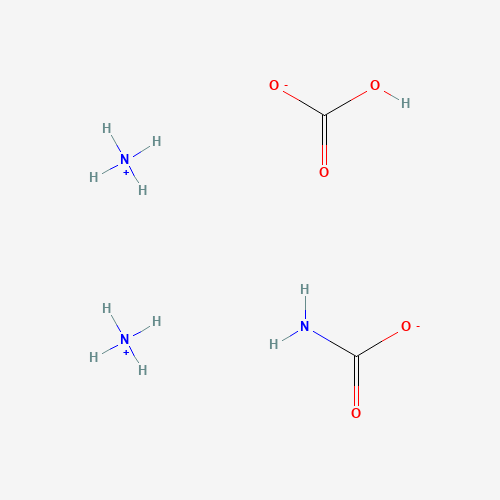
| European UnionEuropean Commission / EFSA | ◐Permitted, with conditions | 72 food categories highest permitted level 70,000 mg/l Show every food category- 1.10 Milk-based drinks and similar products intended for young children* — quantum satisAuthorised under E 503, Ammonium carbonates. quantum satis.
- 1.3 unflavoured fermented milk products heat-treated after fermentation — several limitsAuthorised under E 503, Ammonium carbonates. Permitted as a member of Group I, Additives. ML = quantum satis; except E 425 ML = 10000 mg/kg; E 620 to E 625, ML = 10000 mg/kg individually or in combination, expressed as glutamic acid; E 626 to E 635, ML = 500 mg/kg individually or in combination, expressed as guanylic acid.
- 1.4 flavoured fermented milk products including heat-treated products — several limitsAuthorised under E 503, Ammonium carbonates. Permitted as a member of Group I, Additives. ML = quantum satis; except E 425 ML = 10000 mg/kg; E 620 to E 625, ML = 10000 mg/kg individually or in combination, expressed as glutamic acid; E 626 to E 635, ML = 500 mg/kg individually or in combination, expressed as guanylic acid.
- 1.6.3 other creams — several limitsAuthorised under E 503, Ammonium carbonates. Permitted as a member of Group I, Additives. ML = quantum satis; except E 425 ML = 10000 mg/kg; E 620 to E 625, ML = 10000 mg/kg individually or in combination, expressed as glutamic acid; E 626 to E 635, ML = 500 mg/kg individually or in combination, expressed as guanylic acid.
- 1.7.1 unripened cheese excluding products falling in category 16Authorised under E 503, Ammonium carbonates. Permitted as a member of Group I, Additives. except mozzarella.
- 1.7.5 processed cheese — several limitsAuthorised under E 503, Ammonium carbonates. Permitted as a member of Group I, Additives. except E 425 ML = 10000 mg/kg; E 620 to E 625, ML =10000 mg/kg individually or in combination, expressed as glutamic acid;E 626 to E 635, ML = 500 mg/kg individually or in combination, expressedas guanylic acid.
- 1.7.6 cheese products (excluding products falling in category 16) — several limitsAuthorised under E 503, Ammonium carbonates. Permitted as a member of Group I, Additives. ML = quantum satis; except E 425 ML = 10000 mg/kg; E 620 to E 625, ML = 10000 mg/kg individually or in combination, expressed as glutamic acid; E 626 to E 635, ML = 500 mg/kg individually or in combination, expressed as guanylic acid.
- 1.8 Dairy analogues, including beverage whiteners — several limitsAuthorised under E 503, Ammonium carbonates. Permitted as a member of Group I, Additives. ML = quantum satis; except E 425 ML = 10000 mg/kg; E 620 to E 625, ML = 10000 mg/kg individually or in combination, expressed as glutamic acid; E 626 to E 635, ML = 500 mg/kg individually or in combination, expressed as guanylic acid.
- 1.9 Edible caseinates — quantum satisAuthorised under E 503, Ammonium carbonates. quantum satis.
- 10.2 processed eggs and egg products — several limitsAuthorised under E 503, Ammonium carbonates. Permitted as a member of Group I, Additives. ML = quantum satis; except E 425 ML = 10000 mg/kg; E 620 to E 625, ML =10000 mg/kg individually or in combination, expressed as glutamic acid;E 626 to E 635, ML = 500 mg/kg individually or in combination, expressedas guanylic acid.
- 11.2 Other sugars and syrups — several limitsAuthorised under E 503, Ammonium carbonates. Permitted as a member of Group I, Additives. ML = quantum satis; except E 425 ML = 10000 mg/kg; E 620 to E 625, ML = 10000 mg/kg individually or in combination, expressed as glutamic acid; E 626 to E 635, ML = 500 mg/kg individually or in combination, expressed as guanylic acid.
- 12.1.2 salt substitutes — several limitsAuthorised under E 503, Ammonium carbonates. Permitted as a member of Group I, Additives. ML = quantum satis; except E 425 ML = 10000 mg/kg; E 620 to E 625, ML = 10000 mg/kg individually or in combination, expressed as glutamic acid; E 626 to E 635, ML = 500 mg/kg individually or in combination, expressed as guanylic acid.
- 12.2.2 Seasonings and condiments — several limitsAuthorised under E 503, Ammonium carbonates. Permitted as a member of Group I, Additives. ML = quantum satis; except E 425 ML = 10000 mg/kg; E 620 to E 625, ML = 10000 mg/kg individually or in combination, expressed as glutamic acid; E 626 to E 635, ML = 500 mg/kg individually or in combination, expressed as guanylic acid.
- 12.3 Vinegars and diluted acetic acid (diluted with water to 4-30 % by volume) — several limitsAuthorised under E 503, Ammonium carbonates. Permitted as a member of Group I, Additives. ML = quantum satis; except E 425 ML = 10000 mg/kg; E 620 to E 625, ML = 10000 mg/kg individually or in combination, expressed as glutamic acid; E 626 to E 635, ML = 500 mg/kg individually or in combination, expressed as guanylic acid.
- 12.4 Mustard — several limitsAuthorised under E 503, Ammonium carbonates. Permitted as a member of Group I, Additives. ML = quantum satis; except E 425 ML = 10000 mg/kg; E 620 to E 625, ML = 10000 mg/kg individually or in combination, expressed as glutamic acid; E 626 to E 635, ML = 500 mg/kg individually or in combination, expressed as guanylic acid.
- 12.5 Soups and broths — several limitsAuthorised under E 503, Ammonium carbonates. Permitted as a member of Group I, Additives. ML = quantum satis; except E 425 ML = 10000 mg/kg; E 620 to E 625, ML = 10000 mg/kg individually or in combination, expressed as glutamic acid; E 626 to E 635, ML = 500 mg/kg individually or in combination, expressed as guanylic acid.
- 12.6 Sauces — several limitsAuthorised under E 503, Ammonium carbonates. Permitted as a member of Group I, Additives. ML = quantum satis; except E 425 ML = 10000 mg/kg; E 620 to E 625, ML = 10000 mg/kg individually or in combination, expressed as glutamic acid; E 626 to E 635, ML = 500 mg/kg individually or in combination, expressed as guanylic acid.
- 12.7 Salads and savoury-based sandwich spreads — several limitsAuthorised under E 503, Ammonium carbonates. Permitted as a member of Group I, Additives. ML = quantum satis; except E 425 ML = 10000 mg/kg; E 620 to E 625, ML = 10000 mg/kg individually or in combination, expressed as glutamic acid; E 626 to E 635, ML = 500 mg/kg individually or in combination, expressed as guanylic acid.
- 12.8 Yeast and yeast products — several limitsAuthorised under E 503, Ammonium carbonates. Permitted as a member of Group I, Additives. ML = quantum satis; except E 425 ML = 10000 mg/kg; E 620 to E 625, ML = 10000 mg/kg individually or in combination, expressed as glutamic acid; E 626 to E 635, ML = 500 mg/kg individually or in combination, expressed as guanylic acid.
- 12.9 Protein products excluding products covered in category 1 8 — several limitsAuthorised under E 503, Ammonium carbonates. Permitted as a member of Group I, Additives. ML = quantum satis; except E 425 ML = 10000 mg/kg; E 620 to E 625, ML = 10000 mg/kg individually or in combination, expressed as glutamic acid; E 626 to E 635, ML = 500 mg/kg individually or in combination, expressed as guanylic acid.
- 13.1.3 Processed cereal-based foods and baby foods as defined by Regulation (EU) No 609/2013 — quantum satisAuthorised under E 503, Ammonium carbonates. quantum satis. only as rising agent.
- 13.2 Foods for special medical purposes as defined by Regulation (EU) No 609/2013 (excluding products from food category 13.1.5.) — several limitsAuthorised under E 503, Ammonium carbonates. Permitted as a member of Group I, Additives. ML = quantum satis; except E 425 ML = 10000 mg/kg; E 620 to E 625, ML = 10000 mg/kg individually or in combination, expressed as glutamic acid; E 626 to E 635, ML = 500 mg/kg individually or in combination, expressed as guanylic acid.
- 13.3 Total diet replacement for weight control food as defined by Regulation (EU) No 609/2013 — several limitsAuthorised under E 503, Ammonium carbonates. Permitted as a member of Group I, Additives. ML = quantum satis; except E 425 ML = 10000 mg/kg; E 620 to E 625, ML = 10000 mg/kg individually or in combination, expressed as glutamic acid; E 626 to E 635, ML = 500 mg/kg individually or in combination, expressed as guanylic acid.
- 14.1.2 Fruit juices as defined by Directive 2001/112/EC and vegetable juicesAuthorised under E 503, Ammonium carbonates. Permitted as a member of Group I, Additives. only vegetable juices.
- 14.1.3 Fruit nectars as defined by Directive 2001/112/EC and vegetable nectars and similar productsAuthorised under E 503, Ammonium carbonates. Permitted as a member of Group I, Additives. only vegetable nectars, E 420, E421, E 953, E965, E 966, E 967 and E 968 may not be used.
- 14.1.4 Flavoured_drinksAuthorised under E 503, Ammonium carbonates. Permitted as a member of Group I, Additives. E 420, E 421, E 953, E 965, E 966 and E 967 may not be used E 968 may not be used except where specifically provided for in this food category.
- 14.1.5.2 otherAuthorised under E 503, Ammonium carbonates. Permitted as a member of Group I, Additives. excluding unflavoured leaf tea; including flavoured instant coffee; E 420, E421, E 953, E965, E 966, E 967 and E 968 may not be used in drinks.
- 14.2.3 Cider and perryAuthorised under E 503, Ammonium carbonates. Permitted as a member of Group I, Additives. E 420, E421, E 953, E965, E 966, E 967 and E 968 may not be used.
- 14.2.4 Fruit wine and made wineAuthorised under E 503, Ammonium carbonates. Permitted as a member of Group I, Additives. E 420, E421, E 953, E965, E 966, E 967 and E 968 may not be used.
- 14.2.5 MeadAuthorised under E 503, Ammonium carbonates. Permitted as a member of Group I, Additives. E 420, E421, E 953, E965, E 966, E 967 and E 968 may not be used.
- 14.2.6 Spirit drinks as defined in Regulation (EU) 2019/787Authorised under E 503, Ammonium carbonates. Permitted as a member of Group I, Additives. except whisky or whiskey; E 420, E421, E 953, E 965, E 966, E 967 and E 968 may not be used except in liqueurs.
- 14.2.7.1 Aromatised winesAuthorised under E 503, Ammonium carbonates. Permitted as a member of Group I, Additives. E 420, E421, E 953, E965, E 966, E 967 and E 968 may not be used.
- 14.2.7.2 Aromatised wine-based drinksAuthorised under E 503, Ammonium carbonates. Permitted as a member of Group I, Additives. E 420, E421, E 953, E965, E 966, E 967 and E 968 may not be used.
- 14.2.7.3 Aromatised wine-product cocktailsAuthorised under E 503, Ammonium carbonates. Permitted as a member of Group I, Additives. E 420, E421, E 953, E965, E 966, E 967 and E 968 may not be used.
- 14.2.8 Other alcoholic beverages including mixtures of alcoholic beverages with non-alcoholic beverages and other alcoholic beverages based on distilled alcohol with alcoholic strength by volume less than 15 %Authorised under E 503, Ammonium carbonates. Permitted as a member of Group I, Additives. E 420, E421, E 953, E 965, E 966, E 967 and E 968 may not be used.
- 15.1 Potato- cereal- flour- or starch-based snacks — several limitsAuthorised under E 503, Ammonium carbonates. Permitted as a member of Group I, Additives. ML = quantum satis; except E 425 ML = 10000 mg/kg; E 620 to E 625, ML = 10000 mg/kg individually or in combination, expressed as glutamic acid; E 626 to E 635, ML = 500 mg/kg individually or in combination, expressed as guanylic acid.
- 15.2 Processed nuts — several limitsAuthorised under E 503, Ammonium carbonates. Permitted as a member of Group I, Additives. ML = quantum satis; except E 425 ML = 10000 mg/kg; E 620 to E 625, ML = 10000 mg/kg individually or in combination, expressed as glutamic acid; E 626 to E 635, ML = 500 mg/kg individually or in combination, expressed as guanylic acid.
- 16 Desserts excluding products covered in category 1 3 and 4 — several limitsAuthorised under E 503, Ammonium carbonates. Permitted as a member of Group I, Additives. ML = quantum satis; except E 425 ML = 10000 mg/kg; E 620 to E 625, ML = 10000 mg/kg individually or in combination, expressed as glutamic acid; E 626 to E 635, ML = 500 mg/kg individually or in combination, expressed as guanylic acid.
- 17.1 food supplements supplied in a solid form excluding food supplements for infants and young children’,Authorised under E 503, Ammonium carbonates. Permitted as a member of Group I, Additives. E 410, E 412, E 415, E 417 and E 425 may not be used to produce dehydrated food supplements intended to rehydrate on ingestion.
- 17.2 food supplements supplied in a liquid form excluding food supplements for Infants and young children — several limitsAuthorised under E 503, Ammonium carbonates. Permitted as a member of Group I, Additives. ML = quantum satis; except E 425 ML = 10000 mg/kg; E 620 to E 625, ML = 10000 mg/kg individually or in combination, expressed as glutamic acid; E 626 to E 635, ML = 500 mg/kg individually or in combination, expressed as guanylic acid.
- 18 Processed foods not covered by categories 1 to 17 — several limitsAuthorised under E 503, Ammonium carbonates. Permitted as a member of Group I, Additives. ML = quantum satis; except E 425 ML = 10000 mg/kg; E 620 to E 625, ML = 10000 mg/kg individually or in combination, expressed as glutamic acid; E 626 to E 635, ML = 500 mg/kg individually or in combination, expressed as guanylic acid.
- 18.1 Processed foods not covered by categories 18.2 and 18.3, excluding foods for infants and young children — several limitsAuthorised under E 503, Ammonium carbonates. Permitted as a member of Group I, Additives. ML = quantum satis; except E 425 ML = 10000 mg/kg; E 620 to E 625, ML = 10000 mg/kg individually or in combination, expressed as glutamic acid; E 626 to E 635, ML = 500 mg/kg individually or in combination, expressed as guanylic acid.
- 18.2 Meal replacement for weight control as referred to in Commission Regulation (EU) No 432/2012 — several limitsAuthorised under E 503, Ammonium carbonates. Permitted as a member of Group I, Additives. ML = quantum satis; except E 425 ML = 10000 mg/kg; E 620 to E 625, ML = 10000 mg/kg individually or in combination, expressed as glutamic acid; E 626 to E 635, ML = 500 mg/kg individually or in combination, expressed as guanylic acid.
- 18.3 Food specially produced to reduce the gluten content of gluten-containing ingredients or substitute the gluten-containing ingredientsAuthorised under E 503, Ammonium carbonates. Permitted as a member of Group I, Additives. Including dry pasta.
- 2.2.2 Other fat and oil emulsions including spreads as defined by Regulation (EC) No 1234/2007 and liquid emulsions — several limitsAuthorised under E 503, Ammonium carbonates. Permitted as a member of Group I, Additives. ML = quantum satis; except E 425 ML = 10000 mg/kg; E 620 to E 625, ML = 10000 mg/kg individually or in combination, expressed as glutamic acid; E 626 to E 635, ML = 500 mg/kg individually or in combination, expressed as guanylic acid.
- 2.3 Vegetable oil pan spray — several limitsAuthorised under E 503, Ammonium carbonates. Permitted as a member of Group I, Additives. ML = quantum satis; except E 425 ML = 10000 mg/kg; E 620 to E 625, ML = 10000 mg/kg individually or in combination, expressed as glutamic acid; E 626 to E 635, ML = 500 mg/kg individually or in combination, expressed as guanylic acid.
- 3 edible ices — several limitsAuthorised under E 503, Ammonium carbonates. Permitted as a member of Group I, Additives. ML = quantum satis; except E 425 ML = 10000 mg/kg; E 620 to E 625, ML = 10000 mg/kg individually or in combination, expressed as glutamic acid; E 626 to E 635, ML = 500 mg/kg individually or in combination, expressed as guanylic acid.
- 4.2.1 dried fruit and vegetablesAuthorised under E 503, Ammonium carbonates. Permitted as a member of Group I, Additives. E 410, E 412, E 415 and E 417 may not be used to produce dehydrated foods intended to rehydrate on ingestion.
- 4.2.2 fruit and vegetables in vinegar oil or brine — several limitsAuthorised under E 503, Ammonium carbonates. Permitted as a member of Group I, Additives. ML = quantum satis; except E 425 ML = 10000 mg/kg; E 620 to E 625, ML = 10000 mg/kg individually or in combination, expressed as glutamic acid; E 626 to E 635, ML = 500 mg/kg individually or in combination, expressed as guanylic acid.
- 4.2.4.1 fruit and vegetable preparations excluding compote — several limitsAuthorised under E 503, Ammonium carbonates. Permitted as a member of Group I, Additives. ML = quantum satis; except E 425 ML = 10000 mg/kg; E 620 to E 625, ML = 10000 mg/kg individually or in combination, expressed as glutamic acid; E 626 to E 635, ML = 500 mg/kg individually or in combination, expressed as guanylic acid.
- 4.2.5.4 nut butters and nut spreads — several limitsAuthorised under E 503, Ammonium carbonates. Permitted as a member of Group I, Additives. ML = quantum satis; except E 425 ML = 10000 mg/kg; E 620 to E 625, ML = 10000 mg/kg individually or in combination, expressed as glutamic acid; E 626 to E 635, ML = 500 mg/kg individually or in combination, expressed as guanylic acid.
- 4.2.6 processed potato products — several limitsAuthorised under E 503, Ammonium carbonates. Permitted as a member of Group I, Additives. ML = quantum satis; except E 425 ML = 10000 mg/kg; E 620 to E 625, ML = 10000 mg/kg individually or in combination, expressed as glutamic acid; E 626 to E 635, ML = 500 mg/kg individually or in combination, expressed as guanylic acid.
- 5.1 Cocoa and chocolate products as covered by Directive 2000/36/ECAuthorised under E 503, Ammonium carbonates. Permitted as a member of Group I, Additives. only energy-reduced or with no added sugars.
- 5.1 Cocoa and chocolate products as covered by Directive 2000/36/EC — 70,000 mg/kgAuthorised under E 503, Ammonium carbonates. Permitted as a member of Carbonates. ML = 70000 mg/kg. E 170, E 500 - 504, E 524 - 528 and E 530: 7 % on dry matter, without fat, expressed as potassium carbonates.
- 5.2 Other confectionery including breath freshening micro-sweetsAuthorised under E 503, Ammonium carbonates. Permitted as a member of Group I, Additives. The substances listed under numbers E 400, E 401, E 402, E 403, E 404, E 406, E 407, 407a, E 410, E 412, E 413, E 414, E 415, E 417, E 418, E 425 and E 440 may not be used in jelly mini-cups, defined, for the purpose of this Regulation, as jelly confectionery of a firm consistence, contained in semi rigid mini-cups or mini-capsules, intended to be ingested in a single bite by exerting pressure on the mini-cups or mini-capsule to project the confectionery into the mouth; E 410, E 412, E 415 E 417 may not be used to produce dehydrated foods intended to rehydrate on ingestion. E425 may not be used in jelly confectionery.
- 5.3 chewing gum — several limitsAuthorised under E 503, Ammonium carbonates. Permitted as a member of Group I, Additives. ML = quantum satis; except E 425 ML = 10000 mg/kg; E 620 to E 625, ML = 10000 mg/kg individually or in combination, expressed as glutamic acid; E 626 to E 635, ML = 500 mg/kg individually or in combination, expressed as guanylic acid.
- 5.4 Decorations, coatings and fillings, except fruit-based fillings covered by category 4.2.4 — several limitsAuthorised under E 503, Ammonium carbonates. Permitted as a member of Group I, Additives. ML = quantum satis; except E 425 ML = 10000 mg/kg; E 620 to E 625, ML = 10000 mg/kg individually or in combination, expressed as glutamic acid; E 626 to E 635, ML = 500 mg/kg individually or in combination, expressed as guanylic acid.
- 6.2.2 starches — several limitsAuthorised under E 503, Ammonium carbonates. Permitted as a member of Group I, Additives. ML = quantum satis; except E 425 ML = 10000 mg/kg; E 620 to E 625, ML = 10000 mg/kg individually or in combination, expressed as glutamic acid; E 626 to E 635, ML = 500 mg/kg individually or in combination, expressed as guanylic acid.
- 6.3 breakfast cereals — several limitsAuthorised under E 503, Ammonium carbonates. Permitted as a member of Group I, Additives. ML = quantum satis; except E 425 ML = 10000 mg/kg; E 620 to E 625, ML = 10000 mg/kg individually or in combination, expressed as glutamic acid; E 626 to E 635, ML = 500 mg/kg individually or in combination, expressed as guanylic acid.
- 6.4.2 Dry pasta — several limitsAuthorised under E 503, Ammonium carbonates. Permitted as a member of Group I, Additives. ML = quantum satis; except E 425 ML = 10000 mg/kg; E 620 to E 625, ML = 10000 mg/kg individually or in combination, expressed as glutamic acid; E 626 to E 635, ML = 500 mg/kg individually or in combination, expressed as guanylic acid.
- 6.4.4 Potato GnocchiAuthorised under E 503, Ammonium carbonates. Permitted as a member of Group I, Additives. except fresh refrigerated potato gnocchi.
- 6.4.5 fillings of stuffed pasta (ravioli and similar) — several limitsAuthorised under E 503, Ammonium carbonates. Permitted as a member of Group I, Additives. ML = quantum satis; except E 425 ML = 10000 mg/kg; E 620 to E 625, ML = 10000 mg/kg individually or in combination, expressed as glutamic acid; E 626 to E 635, ML = 500 mg/kg individually or in combination, expressed as guanylic acid.
- 6.5 Noodles — several limitsAuthorised under E 503, Ammonium carbonates. Permitted as a member of Group I, Additives. ML = quantum satis; except E 425 ML = 10000 mg/kg; E 620 to E 625, ML = 10000 mg/kg individually or in combination, expressed as glutamic acid; E 626 to E 635, ML = 500 mg/kg individually or in combination, expressed as guanylic acid.
- 6.6 Batters — several limitsAuthorised under E 503, Ammonium carbonates. Permitted as a member of Group I, Additives. ML = quantum satis; except E 425 ML = 10000 mg/kg; E 620 to E 625, ML = 10000 mg/kg individually or in combination, expressed as glutamic acid; E 626 to E 635, ML = 500 mg/kg individually or in combination, expressed as guanylic acid.
- 6.7 pre-cooked or processed cereals — several limitsAuthorised under E 503, Ammonium carbonates. Permitted as a member of Group I, Additives. ML = quantum satis; except E 425 ML = 10000 mg/kg; E 620 to E 625, ML = 10000 mg/kg individually or in combination, expressed as glutamic acid; E 626 to E 635, ML = 500 mg/kg individually or in combination, expressed as guanylic acid.
- 7.1 Bread and rollsAuthorised under E 503, Ammonium carbonates. Permitted as a member of Group I, Additives. except products in 7.1.1 and 7.1.2.
- 7.2 Fine bakery wares — several limitsAuthorised under E 503, Ammonium carbonates. Permitted as a member of Group I, Additives. ML = quantum satis; except E 425 ML = 10000 mg/kg; E 620 to E 625, ML = 10000 mg/kg individually or in combination, expressed as glutamic acid; E 626 to E 635, ML = 500 mg/kg individually or in combination, expressed as guanylic acid.
- 8.3.1 Non-heat-treated processed meat — several limitsAuthorised under E 503, Ammonium carbonates. Permitted as a member of Group I, Additives. ML = quantum satis; except E 425 ML = 10000 mg/kg; E 620 to E 625, ML = 10000 mg/kg individually or in combination, expressed as glutamic acid; E 626 to E 635, ML = 500 mg/kg individually or in combination, expressed as guanylic acid.
- 8.3.2 Heat-treated meat productsAuthorised under E 503, Ammonium carbonates. Permitted as a member of Group I, Additives. except foie gras, foie gras entier, blocs de foie gras, Libamáj, libamáj egészben, libamáj tömbben.
- 8.3.3 Casings and coatings and decorations for meat — several limitsAuthorised under E 503, Ammonium carbonates. Permitted as a member of Group I, Additives. ML = quantum satis; except E 425 ML = 10000 mg/kg; E 620 to E 625, ML = 10000 mg/kg individually or in combination, expressed as glutamic acid; E 626 to E 635, ML = 500 mg/kg individually or in combination, expressed as guanylic acid.
- 9.2 Processed fish and fishery products including molluscs and crustaceans — several limitsAuthorised under E 503, Ammonium carbonates. Permitted as a member of Group I, Additives. ML = quantum satis; except E 425 ML = 10000 mg/kg; E 620 to E 625, ML = 10000 mg/kg individually or in combination, expressed as glutamic acid; E 626 to E 635, ML = 500 mg/kg individually or in combination, expressed as guanylic acid.
- 9.3 fish roeAuthorised under E 503, Ammonium carbonates. Permitted as a member of Group I, Additives. only processed fish roe.
| Regulation (EC) No 1333/2008, Annex IIand 71 further provisionsretrieved 2026-10-18 |
|---|
| Great BritainFood Standards Agency / Food Standards Scotland | ◐Permitted, with conditions | 70 food categories highest permitted level 70,000 mg/kg or mg/l Show every food category- 1.3 Unflavoured fermented milk products, heat-treated after fermentation — quantum satisAuthorised under E 503, Ammonium carbonates. Permitted as a member of Group I. quantum satis.
- 1.4 Flavoured fermented milk products including heat-treated products — quantum satisAuthorised under E 503, Ammonium carbonates. Permitted as a member of Group I. quantum satis.
- 1.6.3 Other creams — quantum satisAuthorised under E 503, Ammonium carbonates. Permitted as a member of Group I. quantum satis.
- 1.7.1 Unripened cheese excluding products falling in category 16 — quantum satisAuthorised under E 503, Ammonium carbonates. Permitted as a member of Group I. quantum satis. except mozzarella.
- 1.7.5 Processed cheese — quantum satisAuthorised under E 503, Ammonium carbonates. Permitted as a member of Group I. quantum satis.
- 1.7.6 Cheese products (excluding products falling in category 16) — quantum satisAuthorised under E 503, Ammonium carbonates. Permitted as a member of Group I. quantum satis.
- 1.8 Dairy analogues, including beverage whiteners — quantum satisAuthorised under E 503, Ammonium carbonates. Permitted as a member of Group I. quantum satis.
- 1.9 Edible caseinates — quantum satisAuthorised under E 503, Ammonium carbonates. quantum satis.
- 10.2 Processed eggs and egg products — quantum satisAuthorised under E 503, Ammonium carbonates. Permitted as a member of Group I. quantum satis.
- 11.2 Other sugars and syrups — quantum satisAuthorised under E 503, Ammonium carbonates. Permitted as a member of Group I. quantum satis.
- 12.1.2 Salt substitutes — quantum satisAuthorised under E 503, Ammonium carbonates. Permitted as a member of Group I. quantum satis.
- 12.2.2 Seasonings and condiments — quantum satisAuthorised under E 503, Ammonium carbonates. Permitted as a member of Group I. quantum satis.
- 12.3 Vinegars and diluted acetic acid (diluted with water to 4-30 % by volume) — quantum satisAuthorised under E 503, Ammonium carbonates. Permitted as a member of Group I. quantum satis.
- 12.4 Mustard — quantum satisAuthorised under E 503, Ammonium carbonates. Permitted as a member of Group I. quantum satis.
- 12.5 Soups and broths — quantum satisAuthorised under E 503, Ammonium carbonates. Permitted as a member of Group I. quantum satis.
- 12.6 Sauces — quantum satisAuthorised under E 503, Ammonium carbonates. Permitted as a member of Group I. quantum satis.
- 12.7 Salads and savoury based sandwich spreads — quantum satisAuthorised under E 503, Ammonium carbonates. Permitted as a member of Group I. quantum satis.
- 12.8 Yeast and yeast products — quantum satisAuthorised under E 503, Ammonium carbonates. Permitted as a member of Group I. quantum satis.
- 12.9 Protein products, excluding products covered in category 1.8 — quantum satisAuthorised under E 503, Ammonium carbonates. Permitted as a member of Group I. quantum satis.
- 13.1.3 Processed cereal-based foods and baby foods for infants and young children as defined by Commission Directive 2006/125/EC — quantum satisAuthorised under E 503, Ammonium carbonates. quantum satis. only as rising agent.
- 13.1.4 Other foods for young children — quantum satisAuthorised under E 503, Ammonium carbonates. quantum satis.
- 13.2 Dietary foods for special medical purposes defined in Directive 1999/21/EC (excluding products from food category 13.1.5) — quantum satisAuthorised under E 503, Ammonium carbonates. Permitted as a member of Group I. quantum satis.
- 13.3 Dietary foods for weight control diets intended to replace total daily food intake or an individual meal (the whole or part of the total daily diet) — quantum satisAuthorised under E 503, Ammonium carbonates. Permitted as a member of Group I. quantum satis.
- 13.4 Foods suitable for people intolerant to gluten as defined by Commission Regulation (EC) No 41/2009 — quantum satisAuthorised under E 503, Ammonium carbonates. Permitted as a member of Group I. quantum satis. including dry pasta.
- 14.1.2 Fruit juices as defined by Directive 2001/112/EC and vegetable juices — quantum satisAuthorised under E 503, Ammonium carbonates. Permitted as a member of Group I. quantum satis. only vegetable juices.
- 14.1.3 Fruit nectars as defined by Directive 2001/112/EC and vegetable nectars and similar products — quantum satisAuthorised under E 503, Ammonium carbonates. Permitted as a member of Group I. quantum satis. only vegetable nectars, E 420, E421, E 953, E965, E 966, E 967 and E 968 may not be used.
- 14.1.4 Flavoured drinks — quantum satisAuthorised under E 503, Ammonium carbonates. Permitted as a member of Group I. quantum satis. E 420, E 421, E 953, E 965, E 966 and E 967 may not be used E 968 may not be used except where specifically provided for in this food category.
- 14.1.5.2 Other — quantum satisAuthorised under E 503, Ammonium carbonates. Permitted as a member of Group I. quantum satis. excluding unflavoured leaf tea; including flavoured instant coffee; E 420, E421, E 953, E965, E 966, E 967 and E 968 may not be used in drinks.
- 14.2.3 Cider and perry — quantum satisAuthorised under E 503, Ammonium carbonates. Permitted as a member of Group I. quantum satis. E 420, E421, E 953, E965, E 966, E 967 and E 968 may not be used.
- 14.2.4 Fruit wine and made wine — quantum satisAuthorised under E 503, Ammonium carbonates. Permitted as a member of Group I. quantum satis. E 420, E421, E 953, E965, E 966, E 967 and E 968 may not be used.
- 14.2.5 Mead — quantum satisAuthorised under E 503, Ammonium carbonates. Permitted as a member of Group I. quantum satis. E 420, E421, E 953, E965, E 966, E 967 and E 968 may not be used.
- 14.2.6 Spirit drinks as defined in Regulation (EC) No 110/2008 — quantum satisAuthorised under E 503, Ammonium carbonates. Permitted as a member of Group I. quantum satis. except whisky or whiskey; E 420, E421, E 953, E965, E 966, E 967 and E 968 may not be used except in liqueurs.
- 14.2.7.1 Aromatised wines — quantum satisAuthorised under E 503, Ammonium carbonates. Permitted as a member of Group I. quantum satis. E 420, E421, E 953, E965, E 966, E 967 and E 968 may not be used.
- 14.2.7.2 Aromatised wine-based drinks — quantum satisAuthorised under E 503, Ammonium carbonates. Permitted as a member of Group I. quantum satis. E 420, E421, E 953, E965, E 966, E 967 and E 968 may not be used.
- 14.2.7.3 Aromatised wine-product cocktails — quantum satisAuthorised under E 503, Ammonium carbonates. Permitted as a member of Group I. quantum satis. E 420, E421, E 953, E965, E 966, E 967 and E 968 may not be used.
- 14.2.8 Other alcoholic drinks including mixtures of alcoholic drinks with non-alcoholic drinks and spirits with less than 15 % of alcohol — quantum satisAuthorised under E 503, Ammonium carbonates. Permitted as a member of Group I. quantum satis. E 420, E421, E 953, E965, E 966, E 967 and E 968 may not be used.
- 15.1 Potato-, cereal-, flour- or starch-based snacks — quantum satisAuthorised under E 503, Ammonium carbonates. Permitted as a member of Group I. quantum satis.
- 15.2 Processed nuts — quantum satisAuthorised under E 503, Ammonium carbonates. Permitted as a member of Group I. quantum satis.
- 16 Desserts excluding products covered in categories 1, 3 and 4 — quantum satisAuthorised under E 503, Ammonium carbonates. Permitted as a member of Group I. quantum satis.
- 17.1 Food supplements supplied in a solid form, excluding food supplements for infants and young children — quantum satisAuthorised under E 503, Ammonium carbonates. Permitted as a member of Group I. quantum satis. E 410, E 412, E 415, E 417 and E 425 may not be used to produce dehydrated food supplements intended to rehydrate on ingestion.
- 17.2 Food supplements supplied in a liquid form, excluding food supplements for infants and young children — quantum satisAuthorised under E 503, Ammonium carbonates. Permitted as a member of Group I. quantum satis.
- 18 Processed foods not covered by categories 1 to 17, excluding foods for infants and young children — quantum satisAuthorised under E 503, Ammonium carbonates. Permitted as a member of Group I. quantum satis.
- 2.2.2 Other fat and oil emulsions including spreads as defined by Regulation (EC) No 1234/2007 and liquid emulsions — quantum satisAuthorised under E 503, Ammonium carbonates. Permitted as a member of Group I. quantum satis.
- 2.3 Vegetable oil pan spray — quantum satisAuthorised under E 503, Ammonium carbonates. Permitted as a member of Group I. quantum satis.
- 3 Edible ices — quantum satisAuthorised under E 503, Ammonium carbonates. Permitted as a member of Group I. quantum satis.
- 4.2.1 Dried fruit and vegetables — quantum satisAuthorised under E 503, Ammonium carbonates. Permitted as a member of Group I. quantum satis. E 410, E 412, E 415 E 417 may not be used to produce dehydrated foods intended to rehydrate on ingestion.
- 4.2.2 Fruit and vegetables in vinegar, oil, or brine — quantum satisAuthorised under E 503, Ammonium carbonates. Permitted as a member of Group I. quantum satis.
- 4.2.4.1 Fruit and vegetable preparations excluding compote — quantum satisAuthorised under E 503, Ammonium carbonates. Permitted as a member of Group I. quantum satis.
- 4.2.5.4 Nut butters and nut spreads — quantum satisAuthorised under E 503, Ammonium carbonates. Permitted as a member of Group I. quantum satis.
- 4.2.6 Processed potato products — quantum satisAuthorised under E 503, Ammonium carbonates. Permitted as a member of Group I. quantum satis.
- 5.1 Cocoa and chocolate products as covered by Directive 2000/36/EC — quantum satisAuthorised under E 503, Ammonium carbonates. Permitted as a member of Group I. quantum satis. only energy-reduced or with no added sugar.
- 5.1 Cocoa and chocolate products as covered by Directive 2000/36/EC — 70,000 mg/kg or mg/lAuthorised under E 500-504, Carbonates. ML = 70000. Note (*): E 170, E 500-504, E 524-528 and E 530: 7 % on dry matter, without fat, expressed as potassium carbonates (1): The additives may be added individually or in combination.
- 5.2 Other confectionery including breath refreshening microsweets — quantum satisAuthorised under E 503, Ammonium carbonates. Permitted as a member of Group I. quantum satis. The substances listed under numbers E 400, E 401, E 402, E 403, E 404, E 406, E 407, 407a, E 410, E 412, E 413, E 414, E 415, E 417, E 418, E 425 and E 440 may not be used in jelly mini-cups, defined, for the purpose of this Regulation, as jelly confectionery of a firm consistence, contained in semi rigid mini-cups or mini-capsules, intended to be ingested in a single bite by exerting pressure on the mini-cups or mini-capsule to project the confectionery into the mouth; E 410, E 412, E 415 E 417 may not be used to produce dehydrated foods intended to rehydrate on ingestion. E425 may not be used in jelly confectionery.
- 5.3 Chewing gum — quantum satisAuthorised under E 503, Ammonium carbonates. Permitted as a member of Group I. quantum satis.
- 5.4 Decorations, coatings and fillings, except fruit based fillings covered by category 4.2.4 — quantum satisAuthorised under E 503, Ammonium carbonates. Permitted as a member of Group I. quantum satis.
- 6.2.2 Starches — quantum satisAuthorised under E 503, Ammonium carbonates. Permitted as a member of Group I. quantum satis.
- 6.3 Breakfast cereals — quantum satisAuthorised under E 503, Ammonium carbonates. Permitted as a member of Group I. quantum satis.
- 6.4.2 Dry pasta — quantum satisAuthorised under E 503, Ammonium carbonates. Permitted as a member of Group I. quantum satis. only gluten free and/or pasta intended for hypoproteic diets in accordance with Directive 2009/39/EC.
- 6.4.4 Potato gnocchi — quantum satisAuthorised under E 503, Ammonium carbonates. Permitted as a member of Group I. quantum satis. except fresh refrigerated potato gnocchi.
- 6.4.5 Fillings of stuffed pasta (ravioli and similar) — quantum satisAuthorised under E 503, Ammonium carbonates. Permitted as a member of Group I. quantum satis.
- 6.5 Noodles — quantum satisAuthorised under E 503, Ammonium carbonates. Permitted as a member of Group I. quantum satis.
- 6.6 Batters — quantum satisAuthorised under E 503, Ammonium carbonates. Permitted as a member of Group I. quantum satis.
- 6.7 Pre-cooked or processed cereals — quantum satisAuthorised under E 503, Ammonium carbonates. Permitted as a member of Group I. quantum satis.
- 7.1 Bread and rolls — quantum satisAuthorised under E 503, Ammonium carbonates. Permitted as a member of Group I. quantum satis. except products in 7.1.1 and 7.1.2.
- 7.2 Fine bakery wares — quantum satisAuthorised under E 503, Ammonium carbonates. Permitted as a member of Group I. quantum satis.
- 8.3.1 Non-heat-treated meat products — quantum satisAuthorised under E 503, Ammonium carbonates. Permitted as a member of Group I. quantum satis.
- 8.3.2 Heat-treated meat products — quantum satisAuthorised under E 503, Ammonium carbonates. Permitted as a member of Group I. quantum satis. except foie gras, foie gras entier, blocs de foie gras, Libamáj, libamáj egészben, libamáj tömbben.
- 8.3.3 Casings and coatings and decorations for meat — quantum satisAuthorised under E 503, Ammonium carbonates. Permitted as a member of Group I. quantum satis.
- 9.2 Processed fish and fishery products including mollusks and crustaceans — quantum satisAuthorised under E 503, Ammonium carbonates. Permitted as a member of Group I. quantum satis.
- 9.3 Fish roe — quantum satisAuthorised under E 503, Ammonium carbonates. Permitted as a member of Group I. quantum satis. only processed fish roe.
| Assimilated Regulation (EC) No 1333/2008, Annex II (as at 28 June 2024)and 69 further provisionsretrieved 2026-10-18 |
|---|