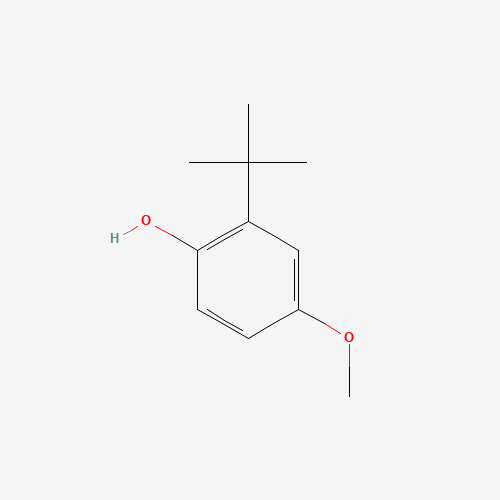
Butylated hydroxyanisole

E number E320INS 320CAS 25013-16-5

Listed as a preservative and an antioxidant by Canada, the US and Codex.

Listed as preservatives (CA, US) · antioxidants (US, Codex) · flavour enhancers (US) · flour treatment agents (US) · dough strengtheners (US) · oxidising and reducing agents (US)
Chemical structure of Butylated hydroxyanisole, from PubChem compound 8456
Structure from PubChem CID 8456 (National Library of Medicine, public domain). A depiction of one compound: where a listing covers a family, or a substance has no single structure, this page shows none.

Butylated hydroxyanisole, or BHA, is a synthetic antioxidant used to keep fats from going rancid in cereals, snack foods, chewing gum and food packaging.

Where it is and isn’t permitted

Status of Butylated hydroxyanisole by jurisdiction. Every jurisdiction this site covers is listed, including those where the substance does not appear.
JurisdictionStatusScope and limitsCitation
Australia and New ZealandFood Standards Australia New ZealandPermitted, with conditions

7 food categories

highest permitted level 1,000 mg/kg

Show every food category
  • 0 Preparations of food additives — 200 mg/kg
  • 0.3 Flavourings — 1,000 mg/kg
  • 1.5 Dried milk, milk powder, cream powder — 100 mg/kg
  • 2 Edible oils and oil emulsions — 200 mg/kg
  • 4.1.2.2 Walnut and pecan nut kernels — 70 mg/kg
  • 4.3.8.1 Dried instant mashed potato — 100 mg/kg
  • 5.2.1 Bubble gum and chewing gum — 200 mg/kg
Food Standards Code, Schedule 15, S15—5and 6 further provisionsretrieved 2026-10-17
CanadaHealth CanadaPermitted, with conditions

highest permitted level 1,000 mg/kg

13 permitted uses

Show every permitted use
  • In: Active dry yeasts. Purpose: Preservative. Limit: 1,000 ppm. — Health Canada, List of Permitted Preservatives (List 11), item B.2(a)
  • In: Calorie-reduced margarine; Margarine. Purpose: Preservative. Limit: If used singly, the amount not to exceed 0.01% of the fat content. If used in combination with butylated hydroxytoluene or propyl gallate, or both, the total combined amount not to exceed 0.01% of the fat content. — Health Canada, List of Permitted Preservatives (List 11), item B.2(b)
  • In: Chewing gum. Purpose: Preservative. Limit: If used singly, the amount not to exceed 200 ppm. If used in combination with butylated hydroxytoluene or propyl gallate, or both, the total combined amount not to exceed 200 ppm. — Health Canada, List of Permitted Preservatives (List 11), item B.2(c)
  • In: Citrus oil flavours; Dry flavours; Essential oils. Purpose: Preservative. Limit: If used singly, the amount not to exceed 1,250 ppm. If used in combination with butylated hydroxytoluene or propyl gallate, or both, the total combined amount not to exceed 1,250 ppm. — Health Canada, List of Permitted Preservatives (List 11), item B.2(d)
  • In: Citrus oils. Purpose: Preservative. Limit: If used singly, the amount not to exceed 5,000 ppm. If used in combination with butylated hydroxytoluene or propyl gallate, or both, the total combined amount not to exceed 5,000 ppm. — Health Canada, List of Permitted Preservatives (List 11), item B.2(e)
  • In: Dehydrated potato products; Dried breakfast cereals. Purpose: Preservative. Limit: If used singly, the amount not to exceed 50 ppm. If used in combination with butylated hydroxytoluene or propyl gallate, or both, the total combined amount not to exceed 50 ppm. — Health Canada, List of Permitted Preservatives (List 11), item B.2(f)
  • In: Dried cooked poultry meat. Purpose: Preservative. Limit: If used singly, the amount not to exceed 0.015% of the fat content. If used in combination with citric acid or propyl gallate, or both, the total combined amount not to exceed 0.015% of the fat content. — Health Canada, List of Permitted Preservatives (List 11), item B.2(g)
  • In: Dry beverage mixes; Dry confectionery mixes; Dry dessert mixes. Purpose: Preservative. Limit: 90 ppm. — Health Canada, List of Permitted Preservatives (List 11), item B.2(h)
  • In: Dry Vitamin D preparations for addition to food. Purpose: Preservative. Limit: 10 mg/1,000,000 I.U. — Health Canada, List of Permitted Preservatives (List 11), item B.2(i)
  • In: Fats and oils, except milk fat, olive oil and suet; Lard; Shortening. Purpose: Preservative. Limit: If used singly, the amount not to exceed 200 ppm. If used in any combination with butylated hydroxytoluene, propyl gallate or tertiary butyl hydroquinone, the total combined amount not to exceed 200 ppm. — Health Canada, List of Permitted Preservatives (List 11), item B.2(j)
  • In: Partially defatted beef fatty tissue; Partially defatted pork fatty tissue. Purpose: Preservative. Limit: If used singly, the amount not to exceed 65 ppm. If used in combination with butylated hydroxytoluene, the total combined amount not to exceed 65 ppm. — Health Canada, List of Permitted Preservatives (List 11), item B.2(k)
  • In: Vitamin A liquids for addition to food. Purpose: Preservative. Limit: 5 mg/1,000,000 I.U. — Health Canada, List of Permitted Preservatives (List 11), item B.2(l)
  • In: Unstandardized foods, except unstandardized preparations of meat or meat by-product, fish or meat (as defined in section B.21.002 of the Food and Drug Regulations) or poultry meat or poultry meat by-product and those unstandardized foods set out in paragraphs (a), (c), (d), (e), (f), (h), (i) and (l) of this item. Purpose: Preservative. Limit: If used singly, the amount not to exceed 0.02% of the fat content. If used in combination with butylated hydroxytoluene or propyl gallate, or both, the total combined amount not to exceed 0.02% of the fat content. Amendment notices: NOM/ADM-0122. — Health Canada, List of Permitted Preservatives (List 11), item B.2(m)
Health Canada, List of Permitted Preservatives (List 11)and 12 further provisionsretrieved 2026-10-17
European UnionEuropean Commission / EFSAPermitted, with conditions

18 food categories

highest permitted level 400 mg/kg

Show every food category
  • 1.5 dehydrated milk as defined by directive 2001/114/ec — 200 mg/kgPermitted as a member of Propyl gallate, TBHQ and BHA. ML = 200 mg/kg. only milk powder for vending machines. Note 1: The additives may be added individually or in combination.
  • 12.2.2 Seasonings and condiments — 200 mg/kgPermitted as a member of Propyl gallate, TBHQ, BHA and BHT. ML = 200 mg/kg. Note 1: The additives may be added individually or in combination.
  • 12.5 Soups and broths — 200 mg/kgPermitted as a member of Propyl gallate, TBHQ and BHA. ML = 200 mg/kg. only dehydrated soups and broths. Note 1: The additives may be added individually or in combination.
  • 12.6 Sauces — 200 mg/kgPermitted as a member of Propyl gallate, TBHQ and BHA. ML = 200 mg/kg. Note 1: The additives may be added individually or in combination.
  • 15.1 Potato- cereal- flour- or starch-based snacks — 200 mg/kgPermitted as a member of Propyl gallate, TBHQ and BHA. ML = 200 mg/kg. only cereal-based snack foods. Note 1: The additives may be added individually or in combination.
  • 15.2 Processed nuts — 200 mg/kgPermitted as a member of Propyl gallate, TBHQ and BHA. ML = 200 mg/kg. Note 1: The additives may be added individually or in combination.
  • 17.1 food supplements supplied in a solid form excluding food supplements for infants and young children’, — 400 mg/kgPermitted as a member of Propyl gallate, TBHQ, BHA and BHT. ML = 400 mg/kg. Note 1: The additives may be added individually or in combination.
  • 17.2 food supplements supplied in a liquid form excluding food supplements for Infants and young children — 400 mg/lPermitted as a member of Propyl gallate, TBHQ, BHA and BHT. ML = 400 mg/l. Note 1: The additives may be added individually or in combination.
  • 2.1 fats and oils essentially free from water (excluding anhydrous milk fat) — 200 mg/kgPermitted as a member of Propyl gallate, TBHQ and BHA. ML = 200 mg/kg. Only fats and oils for the professional manufacture of heat-treated foods; frying oil and frying fat (excluding olive pomace oil) and lard, fish oil, beef, poultry and sheep fat. Note 1: The additives may be added individually or in combination.
  • 2.2.2 Other fat and oil emulsions including spreads as defined by Regulation (EC) No 1234/2007 and liquid emulsions — 200 mg/kgPermitted as a member of Propyl gallate, TBHQ and BHA. ML = 200 mg/kg. only frying fat. Note 1: The additives may be added individually or in combination.
  • 4.2.5.4 nut butters and nut spreads — 200 mg/kgPermitted as a member of Propyl gallate, TBHQ and BHA. ML = 200 mg/kg. only processed nuts. Note 1: The additives may be added individually or in combination.
  • 4.2.6 processed potato products — 25 mg/kgPermitted as a member of Propyl gallate, TBHQ and BHA. ML = 25 mg/kg. only dehydrated potatoes. Note 1: The additives may be added individually or in combination.
  • 5.3 chewing gum — 400 mg/kgPermitted as a member of Propyl gallate, TBHQ, BHA and BHT. ML = 400 mg/kg. Note 1: The additives may be added individually or in combination.
  • 6.3 breakfast cereals — 200 mg/kgPermitted as a member of Propyl gallate, TBHQ and BHA. ML = 200 mg/kg. Only pre-cooked cereals. Note 1: The additives may be added individually or in combination.
  • 6.7 pre-cooked or processed cereals — 200 mg/kgPermitted as a member of Propyl gallate, TBHQ and BHA. ML = 200 mg/kg. only pre-cooked cereals. Note 1: The additives may be added individually or in combination.
  • 7.2 Fine bakery wares — 200 mg/kgPermitted as a member of Propyl gallate, TBHQ and BHA. ML = 200 mg/kg. only cake mixes. Note 1: The additives may be added individually or in combination.
  • 8.3.1 Non-heat-treated processed meat — 200 mg/kgPermitted as a member of Propyl gallate, TBHQ and BHA. ML = 200 mg/kg. only dehydtated meat. Note 1: The additives may be added individually or in combination.
  • 8.3.2 Heat-treated meat products — 200 mg/kgPermitted as a member of Propyl gallate, TBHQ and BHA. ML = 200 mg/kg. only dehydrated meat. Note 1: The additives may be added individually or in combination.
Regulation (EC) No 1333/2008, Annex II, as amended by (EU) No 2018/1481, via Propyl gallateand 17 further provisionsretrieved 2026-10-18
Great BritainFood Standards Agency / Food Standards ScotlandPermitted, with conditions

18 food categories

highest permitted level 400 mg/kg or mg/l

Show every food category
  • 1.5 Dehydrated milk as defined by Directive 2001/114/EC — 200 mg/kg or mg/lPermitted as a member of E 310–320: Propyl gallate, TBHQ and BHA. ML = 200. only milk powder for vending machines. Note (1): The additives may be added individually or in combination.
  • 12.2.2 Seasonings and condiments — 200 mg/kg or mg/lAuthorised under E 310-321, Propyl gallate, TBHQ, BHA and BHT. ML = 200. Note (1): The additives may be added individually or in combination. Note (13): Maximum limit expressed on fat.
  • 12.5 Soups and broths — 200 mg/kg or mg/lPermitted as a member of E 310–320: Propyl gallate, TBHQ and BHA. ML = 200. only dehydrated soups and broths. Note (1): The additives may be added individually or in combination. Note (13): Maximum limit expressed on fat.
  • 12.6 Sauces — 200 mg/kg or mg/lPermitted as a member of E 310–320: Propyl gallate, TBHQ and BHA. ML = 200. Note (1): The additives may be added individually or in combination. Note (13): Maximum limit expressed on fat.
  • 15.1 Potato-, cereal-, flour- or starch-based snacks — 200 mg/kg or mg/lPermitted as a member of E 310–320: Propyl gallate, TBHQ and BHA. ML = 200. only cereal-based snack foods. Note (1): The additives may be added individually or in combination.
  • 15.2 Processed nuts — 200 mg/kg or mg/lPermitted as a member of E 310–320: Propyl gallate, TBHQ and BHA. ML = 200. Note (1): The additives may be added individually or in combination. Note (13): Maximum limit expressed on fat.
  • 17.1 Food supplements supplied in a solid form, excluding food supplements for infants and young children — 400 mg/kg or mg/lAuthorised under E 310-321, Propyl gallate, TBHQ, BHA and BHT. ML = 400. Note (1): The additives may be added individually or in combination.
  • 17.2 Food supplements supplied in a liquid form, excluding food supplements for infants and young children — 400 mg/kg or mg/lAuthorised under E 310-321, Propyl gallate, TBHQ, BHA and BHT. ML = 400. Note (1): The additives may be added individually or in combination.
  • 2.1 Fats and oils essentially free from water (excluding anhydrous milkfat) — 200 mg/kg or mg/lPermitted as a member of E 310–320: Propyl gallate, TBHQ and BHA. ML = 200. only fats and oils for the professional manufacture of heat- treated foods; frying oil and frying fat (excluding olive pomace oil) and lard, fish oil, beef, poultry and sheep fat. Note (1): The additives may be added individually or in combination. Note (41): Expressed on fat basis.
  • 2.2.2 Other fat and oil emulsions including spreads as defined by Regulation (EC) No 1234/2007 and liquid emulsions — 200 mg/kg or mg/lPermitted as a member of E 310–320: Propyl gallate, TBHQ and BHA. ML = 200. only frying fat. Note (1): The additives may be added individually or in combination. Note (2): The maximum level is applicable to the sum and the levels are expressed as the free acid.
  • 4.2.5.4 Nut butters and nut spreads — 200 mg/kg or mg/lPermitted as a member of E 310–320: Propyl gallate, TBHQ and BHA. ML = 200. only processed nuts. Note (1): The additives may be added individually or in combination. Note (41): Expressed on fat basis.
  • 4.2.6 Processed potato products — 25 mg/kg or mg/lPermitted as a member of E 310–320: Propyl gallate, TBHQ and BHA. ML = 25. only dehydrated potatoes. Note (1): The additives may be added individually or in combination.
  • 5.3 Chewing gum — 400 mg/kg or mg/lAuthorised under E 310-321, Propyl gallate, TBHQ, BHA and BHT. ML = 400. Note (1): The additives may be added individually or in combination.
  • 6.3 Breakfast cereals — 200 mg/kg or mg/lPermitted as a member of E 310–320: Propyl gallate, TBHQ and BHA. ML = 200. only precooked cereals. Note (1): The additives may be added individually or in combination. Note (13): Maximum limit expressed on fat.
  • 6.7 Pre-cooked or processed cereals — 200 mg/kg or mg/lPermitted as a member of E 310–320: Propyl gallate, TBHQ and BHA. ML = 200. only pre-cooked cereals. Note (1): The additives may be added individually or in combination.
  • 7.2 Fine bakery wares — 200 mg/kg or mg/lPermitted as a member of E 310–320: Propyl gallate, TBHQ and BHA. ML = 200. only cake mixes. Note (1): The additives may be added individually or in combination.
  • 8.3.1 Non-heat-treated meat products — 200 mg/kg or mg/lPermitted as a member of E 310–320: Propyl gallate, TBHQ and BHA. ML = 200. only dehydrated meat. Note (1): The additives may be added individually or in combination. Note (13): Maximum limit expressed on fat.
  • 8.3.2 Heat-treated meat products — 200 mg/kg or mg/lPermitted as a member of E 310–320: Propyl gallate, TBHQ and BHA. ML = 200. only dehydrated meat. Note (1): The additives may be added individually or in combination. Note (13): Maximum limit expressed on fat.
Assimilated Regulation (EC) No 1333/2008, Annex II (as at 28 June 2024)and 17 further provisionsretrieved 2026-10-18
JapanConsumer Affairs AgencyPermitted, with conditions
Designated additive: Appended Table 1, item 362, ブチルヒドロキシアニソール (“Butylated Hydroxyanisole” in the unofficial English translation). …

Designated additive: Appended Table 1, item 362, ブチルヒドロキシアニソール (“Butylated Hydroxyanisole” in the unofficial English translation). Standards for use — Specifications and Standards for Foods, Food Additives, etc. (MHW Notification No. 370 of 1959), Part II (Food Additives), F (Standards for use), entry ブチルヒドロキシアニソール: (1) [may be used only in the foods stated] “ブチルヒドロキシアニソールは、油脂、バター、魚介乾製品、魚介塩蔵品、魚介冷凍品(生食用冷凍鮮魚介類及び生食用冷凍かきを除く。以下この目において同じ。)、鯨冷凍品(生食用冷凍鯨肉を除く。以下この目において同じ。)及び乾燥裏ごしいも以外の食品に使用してはならない。” (2) [sets maximum levels of use for the foods stated] “ブチルヒドロキシアニソールの使用量は、ブチルヒドロキシアニソールとして、油脂、バター、魚介乾製品、魚介塩蔵品及び乾燥裏ごしいもにあってはその1kgにつき0.2g(ジブチルヒドロキシトルエン又はこれを含む製剤を併用する場合には、ブチルヒドロキシアニソールとしての使用量及びジブチルヒドロキシトルエンとしての使用量の合計量が0.2g)以下、魚介冷凍品及び鯨冷凍品にあっては浸漬液1kgにつき1g(ジブチルヒドロキシトルエン又はこれを含む製剤を併用する場合には、ブチルヒドロキシアニソールとしての使用量及びジブチルヒドロキシトルエンとしての使用量の合計量が1g)以下でなければならない。” The Japanese is the standard as published. There is no official English translation of the Notification; the English in square brackets is this site’s description of what each sentence does, not a translation of the foods or the levels. Compositional specifications for this additive, in the same Notification, are not imported and are not shown here; nor are the general rules in F 添加物一般, which apply to every additive.

Regulations for Enforcement of the Food Sanitation Act (MHW Ordinance No. 23 of 1948), Appended Table 1retrieved 2026-10-18
South KoreaMinistry of Food and Drug SafetyPermitted, with conditions
Designated food additive: Standards and Specifications for Food Additives, Part III, 1. …

Designated food additive: Standards and Specifications for Food Additives, Part III, 1. 일반식품첨가물 (general food additives), 부틸히드록시아니솔 (“Butylated Hydroxy Anisole”, the English the Code prints beside it). Main use (주용도) of 부틸히드록시아니솔: 산화방지제. Standard for use (사용기준) of 부틸히드록시아니솔: (1) [may be used only in the foods listed; sets a limit on the amount used] “부틸히드록시아니솔은 아래의 식품에 한하여 사용하여야 한다. 부틸히드록시아니솔의 사용량은 1. 식용유지류(모조치즈, 식물성크림 제외), 버터류, 어패건제품, 어패염장품∶0.2g/kg 이하(디부틸히드록시톨루엔 또는 터셔리부틸히드로퀴논과 병용할 때에는 부틸히드록시아니솔으로서 사용량, 디부틸히드록시톨루엔으로서 사용량 및 터셔리부틸히드로퀴논으로서 사용량의 합계가 0.2g/kg 이하) 2. 어패냉동품(생식용 냉동선어패류, 생식용굴은 제외)의 침지액∶1g/kg 이하(디부틸히드록시톨루엔 또는 터셔리부틸히드로퀴논과 병용할 때에는 부틸히드록시아니솔으로서 사용량, 디부틸히드록시톨루엔으로서 사용량 및 터셔리부틸히드로퀴논으로서 사용량의 합계가 1g/kg 이하) 3. 추잉껌∶0.4g/kg 이하(디부틸히드록시톨루엔 또는 터셔리부틸히드로퀴논과 병용할 때에는 부틸히드록시아니솔으로서 사용량, 디부틸히드록시톨루엔으로서 사용량 및 터셔리부틸히드로퀴논으로서 사용량의 합계가 0.4g/kg 이하) 4. 체중조절용조제식품, 시리얼류∶0.05g/kg 이하(디부틸히드록시툴루엔과 병용할 때에는 부틸히드록시아니솔으로서 사용량과 디부틸히드록시톨루엔으로서 사용량의 합계가 0.05g/kg 이하) 5. 마요네즈∶0.14g/kg 이하” The Korean is the standard as published. There is no official English translation of the current Code (the English version on MFDS’s website is the 2020 edition and has no legal effect); the English in square brackets is this site’s description of what each sentence does, not a translation of the foods or the levels. Compositional specifications (Part IV) are not imported, nor are the general standards in Part II, which apply to every additive.

Standards and Specifications for Food Additives (식품첨가물의 기준 및 규격), MFDS Notification, Part III (Standards for use, by item)retrieved 2026-10-18
United StatesFood and Drug AdministrationPermitted, with conditions21 CFR 172.110and 1 further provisionretrieved 2026-10-17
Codex AlimentariusCodex Alimentarius Commission / JECFAPermitted, with conditions

32 food categories

highest permitted level 400 mg/kg

Show every food category and its notes
  • 01.3.2 Beverage whiteners — 100 mg/kg
    • Note 15 On the fat or oil basis.
    • Note 195 Singly or in combination: butylated hydroxyanisole (BHA, INS 320), butylated hydroxytoluene (BHT, INS 321) and tertiary butylhydroquinone (TBHQ, INS 319).
    • Note XS250 Excluding products conforming to the Standard for a Blend of Evaporated Skimmed Milk and Vegetable Fat (CODEX STAN 250-2006).
    • Note XS252 Excluding products conforming to the Standard for a Blend of Sweetened Condensed Skimmed Milk and Vegetable Fat (CODEX STAN 252-2006).
  • 01.5.1 Milk powder and cream powder (plain) — 100 mg/kg
    • Note 196 Singly or in combination: butylated hydroxyanisole (BHA, INS 320), butylated hydroxytoluene (BHT, INS 321) and propyl gallate (INS 310).
    • Note 546 On the fat or oil basis except for use in products conforming to the Standard for Milk Powders and Cream Powder (CXS 207-1999).
    • Note XS290 Excluding products conforming to the Standard for Standard for Edible Casein Products (CXS 290-1995).
  • 01.5.2 Milk and cream powder analogues — 100 mg/kg
    • Note 15 On the fat or oil basis.
    • Note 481 For use in products conforming to the Standard for a Blend of Skimmed Milk and Vegetable Fat in Powdered Form (CXS 251-2006), singly or in combination: butylated hydroxyanisole (BHA, INS 320), butylated hydroxytoluene (BHT, INS 321) and tertiary butylhydroxyquinone (TBHQ, INS 319).
  • 02.1.1 Butter oil, anhydrous milkfat, ghee — 175 mg/kg
    • Note 15 On the fat or oil basis.
    • Note 133 Any combination of butylated hydroxyanisole (INS 320), butylated hydroxytoluene (INS 321), and propyl gallate (INS 310) at 200 mg/kg, provided that single use limits are not exceeded.
    • Note 171 Excluding anhydrous milkfat.
    • Note 514 Except for use in products conforming to the Standard for Edible Fats and Oils not Covered by Individual Standards (CXS 19-1981): butylated hydroxyanisole (INS 320) at 175 mg/kg, butylated hydroxytoluene (INS 321) at 75 mg/kg, propyl gallate (INS 310) at 100 mg/kg, and tertiary butylhydroquinone (INS 319) at 120 mg/kg; as well, any combination of INS 320, INS 321, INS 310 and INS 319 at up to 200 mg/kg, provided the single use limits are not exceeded.
  • 02.1.2 Vegetable oils and fats — 200 mg/kg
    • Note 15 On the fat or oil basis.
    • Note 130 Singly or in combination: butylated hydroxyanisole (INS 320), butylated hydroxytoluene (INS 321), tertiary butylated hydroquinone (INS 319), and propyl gallate (INS 310).
    • Note 511 Excluding virgin and cold pressed oils in products conforming to the Standard for Edible Fats and Oils not Covered by Individual Standards (CXS 19-1981) and the Standard for Named Vegetable Oils (CXS 210-1999).
    • Note 515 Except for use in products conforming to the Standard for Edible Fats and Oils not Covered by Individual Standards (CXS 19-1981) and the Standard for Named Vegetable Oils (CXS 210-1999): butylated hydroxyanisole (INS 320) at 175 mg/kg, butylated hydroxytoluene (INS 321) at 75 mg/kg, propyl gallate (INS 310) at 100 mg/kg, and tertiary butylhydroquinone (INS 319) at 120 mg/kg; as well, any combination of INS 320, INS 321, INS 310 and INS 319 at up to 200 mg/kg, provided the single use limits are not exceeded.
    • Note XS33 Excluding products conforming to the Standard for Olive Oils and Olive Pomace Oils (CODEX STAN 33-1981).
    • Note XS325R Excluding products conforming to the Regional Standard for Unrefined Shea Butter (CXS 325R-2017).
  • 02.1.3 Lard, tallow, fish oil, and other animal fats — 200 mg/kg
    • Note 15 On the fat or oil basis.
    • Note 130 Singly or in combination: butylated hydroxyanisole (INS 320), butylated hydroxytoluene (INS 321), tertiary butylated hydroquinone (INS 319), and propyl gallate (INS 310).
    • Note 516 Except for use in products conforming to the Standard for Edible Fats and Oils not Covered by Individual Standards (CXS 19-1981) and the Standard for Named Animal Fats (CXS 211-1999) ): butylated hydroxyanisole (INS 320) at 175 mg/kg, butylated hydroxytoluene (INS 321) at 75 mg/kg, propyl gallate (INS 310) at 100 mg/kg, and tertiary butylhydroquinone (INS 319) at 120 mg/kg; as well, any combination of INS 320, INS 321, INS 310 and INS 319 at up to 200 mg/kg, provided the single use limits are not exceeded.
  • 02.2.2 Fat spreads, dairy fat spreads and blended spreads — 200 mg/kg
    • Note 15 On the fat or oil basis.
    • Note 552 Except for use in products conforming to the Standard for Dairy Fat Spreads (CXS 253-2006), only intended for cooking purposes: propyl gallate (INS 310) at 200 mg/kg, butylated hydroxyanisole (INS 320) at 200 mg/kg or butylated hydroxytoluene (INS 321) at 75 mg/kg, singly or in combination at 200 mg/kg.
    • Note 559 For use in products conforming to the Standard for Fat Spreads and Blended Spreads (CXS 256-2007): propyl gallate (INS 310), tertiary butylhydroquinone (INS 319), butylated hydroxyanisole (INS 320) and butylated hydroxytoluene (INS 321), singly or in combination at 200 mg/kg.
  • 02.3 Fat emulsions mainly of type oil-in-water, including mixed and/or flavoured products based on fat emulsions — 200 mg/kg
    • Note 15 On the fat or oil basis.
    • Note 130 Singly or in combination: butylated hydroxyanisole (INS 320), butylated hydroxytoluene (INS 321), tertiary butylated hydroquinone (INS 319), and propyl gallate (INS 310).
  • 02.4 Fat-based desserts excluding dairy-based dessert products of food category 01.7 — 200 mg/kg
    • Note 15 On the fat or oil basis.
    • Note 130 Singly or in combination: butylated hydroxyanisole (INS 320), butylated hydroxytoluene (INS 321), tertiary butylated hydroquinone (INS 319), and propyl gallate (INS 310).
  • 03.0 Edible ices, including sherbet and sorbet — 200 mg/kg
    • Note 15 On the fat or oil basis.
    • Note 195 Singly or in combination: butylated hydroxyanisole (BHA, INS 320), butylated hydroxytoluene (BHT, INS 321) and tertiary butylhydroquinone (TBHQ, INS 319).
  • 04.2.2.2 Dried vegetables (including mushrooms and fungi, roots and tubers, pulses and legumes, and aloe vera), seaweeds, and nuts and seeds — 200 mg/kg
    • Note 15 On the fat or oil basis.
    • Note 76 For use in potatoes.
    • Note 196 Singly or in combination: butylated hydroxyanisole (BHA, INS 320), butylated hydroxytoluene (BHT, INS 321) and propyl gallate (INS 310).
    • Note 613 Except for products conforming to the Regional Standard for Laver Products (CXS 323R-2017), only for use in Seasoned Laver Products.
    • Note XS336R Excluding products conforming to the Regional Standard for kava products for use as a beverage when mixed with water (North America and South West Pacific) (CXS 336R-2020).
  • 05.1.4 Cocoa and chocolate products — 200 mg/kg
    • Note 15 On the fat or oil basis.
    • Note 130 Singly or in combination: butylated hydroxyanisole (INS 320), butylated hydroxytoluene (INS 321), tertiary butylated hydroquinone (INS 319), and propyl gallate (INS 310).
    • Note 303 Excluding products (other than white chocolate) conforming to the Standard for Chocolate and Chocolate Products (CODEX STAN 87-1981).
  • 05.2 Confectionery including hard and soft candy, nougats, etc. other than food categories 05.1, 05.3, and 05.4 — 200 mg/kg
    • Note 15 On the fat or oil basis.
    • Note 130 Singly or in combination: butylated hydroxyanisole (INS 320), butylated hydroxytoluene (INS 321), tertiary butylated hydroquinone (INS 319), and propyl gallate (INS 310).
    • Note XS309R Excluding products conforming to the Codex Regional Standard for Halawa Tehenia (CODEX STAN 309R-211).
  • 05.3 Chewing gum — 400 mg/kg
    • Note 130 Singly or in combination: butylated hydroxyanisole (INS 320), butylated hydroxytoluene (INS 321), tertiary butylated hydroquinone (INS 319), and propyl gallate (INS 310).
  • 05.4 Decorations (e.g. for fine bakery wares), toppings (non-fruit), and sweet sauces — 200 mg/kg
    • Note 15 On the fat or oil basis.
    • Note 130 Singly or in combination: butylated hydroxyanisole (INS 320), butylated hydroxytoluene (INS 321), tertiary butylated hydroquinone (INS 319), and propyl gallate (INS 310).
  • 06.3 Breakfast cereals, including rolled oats — 200 mg/kg
    • Note 15 On the fat or oil basis.
    • Note 196 Singly or in combination: butylated hydroxyanisole (BHA, INS 320), butylated hydroxytoluene (BHT, INS 321) and propyl gallate (INS 310).
  • 06.4.3 Pre-cooked pastas and noodles and like products — 200 mg/kg
    • Note 15 On the fat or oil basis.
    • Note 130 Singly or in combination: butylated hydroxyanisole (INS 320), butylated hydroxytoluene (INS 321), tertiary butylated hydroquinone (INS 319), and propyl gallate (INS 310).
    • Note XS364R Excluding use in products conforming to the Regional standard for quick-frozen dumplings (CXS 364R-2026).
  • 07.0 Bakery wares — 200 mg/kg
    • Note 15 On the fat or oil basis.
    • Note 180 Singly or in combination: butylated hydroxyanisole (BHA, INS 320) and butylated hydroxytoluene (BHT, INS 321).
  • 08.2 Processed meat, poultry, and game products in whole pieces or cuts — 200 mg/kg
    • Note 15 On the fat or oil basis.
    • Note 130 Singly or in combination: butylated hydroxyanisole (INS 320), butylated hydroxytoluene (INS 321), tertiary butylated hydroquinone (INS 319), and propyl gallate (INS 310).
    • Note XS96 Excluding products conforming to the Standard for Cooked Cured Ham (CODEX STAN 96-1981).
    • Note XS97 Excluding products conforming to the Standard for Cooked Cured Pork Shoulder (CODEX STAN 97-1981).
  • 08.3 Processed comminuted meat, poultry, and game products — 200 mg/kg
    • Note 15 On the fat or oil basis.
    • Note 130 Singly or in combination: butylated hydroxyanisole (INS 320), butylated hydroxytoluene (INS 321), tertiary butylated hydroquinone (INS 319), and propyl gallate (INS 310).
    • Note XS88 Excluding products conforming to the Standard for Corned Beef (CODEX STAN 88-1981).
    • Note XS89 Excluding products conforming to Standard for Luncheon Meat (CODEX STAN 89-1981).
    • Note XS98 Excluding products conforming to the Standard for Cooked Cured Chopped Meat (CODEX STAN 98-1981).
  • 09.2.1 Frozen fish, fish fillets, and fish products, including molluscs, crustaceans, and echinoderms — 200 mg/kg
    • Note 15 On the fat or oil basis.
    • Note 180 Singly or in combination: butylated hydroxyanisole (BHA, INS 320) and butylated hydroxytoluene (BHT, INS 321).
    • Note 392 For non-standardized food and for products conforming to the Standard for Live and Raw Bivalve Molluscs (CODEX STAN 292-2008): for use as an antioxidant for raw frozen molluscs.
    • Note XS36 Excluding products conforming to the Standard for Quick Frozen Finfish, Uneviscerated and Eviscerated (CODEX STAN 36-1981).
    • Note XS92 Excluding products conforming to the Standard for Quick Frozen Shrimps and Prawns (CODEX STAN 92-1981).
    • Note XS95 Excluding products conforming to the Standard for Quick Frozen Lobsters (CODEX STAN 95-1981).
    • Note XS165 Excluding products conforming to the Standard for Quick Frozen Blocks of Fish Fillet, Minced Fish Flesh and Mixtures of Fillets and Minced Fish Flesh (CODEX STAN 165-1989).
    • Note XS190 Excluding products conforming to the Standard for Quick Frozen Fish Fillets (CODEX STAN 190-1995).
    • Note XS191 Excluding products conforming to the Standard for Quick Frozen Raw Squid (CODEX STAN 191-1995).
    • Note XS312 Excluding products conforming to the Standard for Live Abalone and for Raw Fresh Chilled or Frozen Abalone for Direct Consumption or for Further Processing (CODEX STAN 312-2013).
    • Note XS315 Excluding products conforming to the Standard for Fresh and Quick Frozen Raw Scallop Products (CODEX STAN 315-2014).
  • 09.2.2 Frozen battered fish, fish fillets and fish products, including molluscs, crustaceans, and echinoderms — 200 mg/kg
    • Note 15 On the fat or oil basis.
    • Note 180 Singly or in combination: butylated hydroxyanisole (BHA, INS 320) and butylated hydroxytoluene (BHT, INS 321).
    • Note XS166 Excluding products conforming to the Standard for Quick Frozen Fish Sticks (Fish Fingers), Fish Portions and Fish Fillets – Breaded or in Batter (CODEX STAN 166-1989).
  • 09.2.5 Smoked, dried, fermented, and/or salted fish and fish products, including molluscs, crustaceans, and echinoderms — 200 mg/kg
    • Note 15 On the fat or oil basis.
    • Note 196 Singly or in combination: butylated hydroxyanisole (BHA, INS 320), butylated hydroxytoluene (BHT, INS 321) and propyl gallate (INS 310).
    • Note XS167 Excluding products conforming to the Standard for Salted Fish and Dried Salted Fish of the Gadidae Family of Fishes (CODEX STAN 167-1989).
    • Note XS189 Excluding products conforming to the Standard for Dried Shark Fins (CODEX STAN 189-1993).
    • Note XS222 Excluding products conforming to the Standard for Crackers from Marine and Freshwater Fish, Crustaceans and Molluscan Shellfish (CODEX STAN 222-2001).
    • Note XS236 Excluding products conforming to the Standard for Boiled Dried Salted Anchovies (CODEX STAN 236-2003).
    • Note XS244 Excluding products conforming to the Standard for Salted Atlantic Herring and Salted Sprat (CODEX STAN 244-2004).
    • Note XS311 Excluding products conforming to the Standard for Smoked Fish, Smoked-flavoured Fish and Smoke-dried Fish (CODEX STAN 311-2013).
  • 09.3 Semi-preserved fish and fish products, including molluscs, crustaceans, and echinoderms — 200 mg/kg
    • Note 15 On the fat or oil basis.
    • Note 180 Singly or in combination: butylated hydroxyanisole (BHA, INS 320) and butylated hydroxytoluene (BHT, INS 321).
    • Note XS291 Excluding products conforming to the Standard for Sturgeon Caviar (CODEX STAN 291-2010).
  • 09.4 Fully preserved, including canned or fermented fish and fish products, including molluscs, crustaceans, and echinoderms — 200 mg/kg
    • Note 15 On the fat or oil basis.
    • Note 180 Singly or in combination: butylated hydroxyanisole (BHA, INS 320) and butylated hydroxytoluene (BHT, INS 321).
    • Note XS3 Excluding products conforming to the Standard for Canned Salmon (CODEX STAN 3-1981).
    • Note XS37 Excluding products conforming to the Standard for Canned Shrimps or Prawns (CODEX STAN 37-1991).
    • Note XS70 Excluding products conforming to the Standard for Canned Tuna and Bonito (70-1981).
    • Note XS90 Excluding products conforming to the Standard for Canned Crab Meat (CODEX STAN 90-1981).
    • Note XS94 Excluding products conforming to the Standard for Canned Sardines and Sardine-Type Products (CODEX STAN 94-1981).
    • Note XS119 Excluding products conforming to the Standard for Canned Finfish (CODEX STAN 119-1981).
  • 12.2 Herbs, spices, seasonings, and condiments (e.g. seasoning for instant noodles) — 200 mg/kg
    • Note 15 On the fat or oil basis.
    • Note 130 Singly or in combination: butylated hydroxyanisole (INS 320), butylated hydroxytoluene (INS 321), tertiary butylated hydroquinone (INS 319), and propyl gallate (INS 310).
    • Note XS326 Excluding products conforming to the Standard for Black, White and Green Peppers (CODEX STAN 326-2017).
    • Note XS327 Excluding products conforming to the Standard for Cumin (CODEX STAN 327-2017).
    • Note XS328 Excluding products conforming to the Standard for Dried Thyme (CODEX STAN 328-2017).
    • Note XS342 Excluding products conforming to the Standard for Dried Oregano (CXS 342-2021).
    • Note XS343 Excluding products conforming to the Standard for dried roots, rhizomes and bulbs: Dried or dehydrated ginger (CXS 343-2021).
    • Note XS344 Excluding products conforming to the Standard for dried floral parts: Cloves (CXS 344-2021).
    • Note XS345 Excluding products conforming to the Standard for Dried Basil (CXS 345-2021).
    • Note XS347 Excluding products conforming to the Standard for dried or dehydrated garlic (CXS 347-2019).
    • Note XS351 Excluding products conforming to the Standard for Dried Floral Parts - Saffron (CXS 351-2022).
    • Note XS352 Excluding products conforming to the Standard for Dried Seeds – Nutmeg (CXS 352-2022).
    • Note XS353 Excluding products conforming to the Standard for Dried or Dehydrated Chilli Pepper and Paprika (CXS 353-2022).
  • 12.5 Soups and broths — 200 mg/kg
    • Note 15 On the fat or oil basis.
    • Note 130 Singly or in combination: butylated hydroxyanisole (INS 320), butylated hydroxytoluene (INS 321), tertiary butylated hydroquinone (INS 319), and propyl gallate (INS 310).
  • 12.6 Sauces and like products — 200 mg/kg
    • Note 15 On the fat or oil basis.
    • Note 130 Singly or in combination: butylated hydroxyanisole (INS 320), butylated hydroxytoluene (INS 321), tertiary butylated hydroquinone (INS 319), and propyl gallate (INS 310).
    • Note XS302 Excluding products conforming to the Standard for Fish Sauce (CODEX STAN 302-2011).
    • Note 574 Except for use at 100 mg/kg in products conforming to the Standard for Chili Sauce (CXS 306-2011).
  • 12.8 Yeast and like products — 200 mg/kg
    • Note 15 On the fat or oil basis.
    • Note 696 Excluding fresh yeast conforming to standard for baker’s yeast (CXS 370-2026).
  • 13.6 Food supplements — 400 mg/kg
    • Note 15 On the fat or oil basis.
    • Note 196 Singly or in combination: butylated hydroxyanisole (BHA, INS 320), butylated hydroxytoluene (BHT, INS 321) and propyl gallate (INS 310).
  • 15.1 Snacks - potato, cereal, flour or starch based (from roots and tubers, pulses and legumes) — 200 mg/kg
    • Note 15 On the fat or oil basis.
    • Note 130 Singly or in combination: butylated hydroxyanisole (INS 320), butylated hydroxytoluene (INS 321), tertiary butylated hydroquinone (INS 319), and propyl gallate (INS 310).
  • 15.2 Processed nuts, including coated nuts and nut mixtures (with e.g. dried fruit) — 200 mg/kg
    • Note 15 On the fat or oil basis.
    • Note 130 Singly or in combination: butylated hydroxyanisole (INS 320), butylated hydroxytoluene (INS 321), tertiary butylated hydroquinone (INS 319), and propyl gallate (INS 310).
CXS 192-1995 Table One, INS 320and 31 further provisionsretrieved 2026-09-07

How much is permitted

A listing usually limits the quantity as well as the food. Only one of the forms that takes is a figure: quantum satis and good manufacturing practice permit the amount the technological effect requires and no more, which is a limit rather than the absence of one. Figures below are the range across every food category this page is listed in, and categories differ between regulators — see how much is permitted.

Australia and New Zealand70 mg/kg – 1,000 mg/kg7 numeric limit
Canada90 mg/kg – 1,000 mg/kg2 numeric limit, 11 no quantity stated
European Union25 mg/kg – 400 mg/kg18 numeric limit
Great Britain25 mg/kg – 400 mg/kg18 numeric limit
Japan—1 no quantity stated
South Korea—1 no quantity stated
United States—2 no quantity stated
Codex Alimentarius100 mg/kg – 400 mg/kg32 numeric limit

What it is made from

Synthesised from para-methoxyphenol and isobutylene, both petroleum-derived.

  • Vegan
  • Vegetarian

Compare other additives on the dietary indexes.

CAS registry number
25013-16-5
InChIKey
MRBKEAMVRSLQPH-UHFFFAOYSA-N
PubChem
CID 8456

The two specifications, compared

The European Union sets identity and purity by regulation; JECFA publishes its own through FAO, advisory until a country adopts it. Both documents are below in full. These are the parameters each puts a number on.

ParameterEuropean UnionJECFA
Assayno less than 98.5 %no less than 98.5 %
Sulphated ashno more than 0.05 %no more than 0.05 %
Leadno more than 2 mg/kgno more than 2 mg/kg
Arsenicno more than 3 mg/kg—
Mercuryno more than 1 mg/kg—

The two documents state the same figures for every parameter compared here.

How the EU defines it

The legal specification an additive must meet to be sold as this E number in the EU — what it is, how it may be made, and the purity it must reach. From Commission Regulation (EU) No 231/2012.

E 320 Butylated hydroxyanisole (bha)

Synonyms: BHA

Assay, identification and purity criteria

Description and assay

Einecs
246-563-8
Chemical name
3-Tertiary-butyl-4-hydroxyanisole; A mixture of 2-tertiary-butyl-4-hydroxyanisole and 3-tertiary-butyl-4-hydroxyanisole
Chemical formula
C₁₁H₁₆O₂
Molecular weight
180,25
Assay
Content not less than 98,5 % of C₁₁H₁₆O₂ and not less than 85 % of 3-tertiary-butyl-4-hydroxyanisole isomer
Description
White or slightly yellow flakes or waxy solid with a slight aromatic smell

Identification

Solubility
Insoluble in water, freely soluble in ethanol
Melting range
Between 48 °C and 63 °C
Colour reaction
Passes test for phenol groups

Purity criteria

Sulphated ash
Not more than 0,05 % after calcination at 800 ± 25 °C
Phenolic impurities
Not more than 0,5 %
Specific absorption
[image] (290 nm) not less than 190 and not more than 210 [image] (228 nm) not less than 326 and not more than 345
Arsenic
Not more than 3 mg/kg
Lead
Not more than 2 mg/kg
Mercury
Not more than 1 mg/kg

Commission Regulation (EU) No 231/2012, Annex, E 320

How JECFA defines it

The international specification for identity and purity, prepared by the Joint FAO/WHO Expert Committee on Food Additives and published by FAO. It is a different document from any above, written by a different body and revised on its own cycle; it is advisory, and a country adopts it or does not.

INS 320 Butylated Hydroxyanisole

Synonyms: BHA; INS No. 320

Assay, identification and purity criteria

Description and assay

Specification history
Prepared at the 33rd JECFA (1988), published in FNP 38 (1988) and in FNP 52 (1992). Metals and arsenic specifications revised at the 61st JECFA (2003) An ADI of 0-0.5 mg/kg bw was established at the 33rd JECFA (1988)
Chemical names
3-Tertiary-butyl-4-hydroxyanisole, a mixture of 3- and 2-tertiary-butyl-4-hydroxyanisole
C.A.S. number
25013-16-5
Chemical formula
C 11 H 16 0 2
Formula weight
180.25
Assay
Not less than 98.5% of C 11 H 16 0 2 and not less than 85% of 3-tertiary-butyl-4-hydroxyanisole
DESCRIPTION
White or slightly yellow crystals or waxy solid, with a faint characteristic odour
FUNCTIONAL USES
Antioxidant
METHOD OF ASSAY
Gas Chromatographic Method Internal standard solution (either diphenylamine or 4-tertiary-butylphenol): Accurately weigh 500 mg, dissolve in acetone and make up to 250 ml with acetone. Standard solution: Accurately weigh 90 mg of 3-butylated hydroxyanisole and 10 mg of 2-butylated hydroxyanisole and dissolve in Internal standard solution to make 100 ml. Procedure: Dissolve 10 mg of the sample, accurately weighed, in the internal standard solution to make 50 ml. Inject aliquots of the solution into a gas chromatograph equipped with a hydrogen flame ionization detector. Either of the following GC conditions or equivalent may be used: A: The internal standard elutes after 3-tert-butyl-4-hydroxyanisole: Column - length: 1.5 m - inner diameter: 2 mm - material: glass - packing: 10% XE-60 on 100-200 mesh Temperatures - injector: 250 o - column: 155 o - detector: 250 o Carrier gas: nitrogen Flow rate: 30 ml/min B: The internal standard elutes before 3-ter-butyl-4-hydroxyanisole: Column - length: 2 m - inner diameter: 3 mm - material: glass - packing: 5% Versamide-900 on 80/100 mesh Chromosorb W-AW-DMCS Temperatures - injector: 225 o - column: 170 o - detector: 250 o Carrier Gas: nitrogen Flow rate: 30 ml/min Prepare a standard curve of 2- and 3-butylated hydroxyanisole peak height/internal standard peak height versus concentration, using internal standard solutions having various concentrations of butylated hydroxyanisole. Determine the concentrations of 2- and 3-butylated hydroxyanisole by reference to a standard curve. The sum of per cent 2-isomer and per cent 3-isomer gives per cent of total in the sample. Alternative gas chromatographic method Assay preparation: Dissolve about 100 mg of the sample, accurately weighed, in Internal standard solution, and dilute with Internal standard solution to 10 ml. Chromatographic system: The gas chromatograph is equipped with a flame-ionization detector, and contains a 1.8-m x 2-mm stainless steel column packed with 10 percent liquid phase on the support, the column is maintained isothermally at a temperature between 175 o and 185 o , and helium is used as the carrier gas. Chromatograph a sufficient number of injections of the Standard preparation, and record the areas as directed under Procedure, to ensure that the relative standard deviation does not exceed 2.0% for the 3-tert-butyl-4- hydroxyanisole isomer and 6.0% for the 2-tert-butyl-4- hydroxyanisole isomer. The resolution between the isomers is not less than 1.3 and the tailing factor does not exceed 2.0. Liquid phase: 25% 2-cyanoethyl : 75% methyl-polysiloxane. Support: Siliceous earth for chromatography has been fluxcalcined by mixing diatomite with Na CO flux and calcining above 900 o . The siliceous earth is acid-2 3 washed, then water-washed until neutral, but not base-washed. The siliceous earth is silanized by treating with an agent such as dimethyldichlorosilane to mask the surface silanol group. Procedure: Separately inject suitable portions (about 5 μl) of the Standard preparation and the Assay preparation into the gas chromatograph, and record the chromatograms. Measure the areas under the peaks for each isomer and the internal standard in each chromatogram, and calculate the quantity, in mg, of each isomer in the sample taken by the formula 10C S (R U /R S ), in which C S is the concentration, in mg, of the isomer in the Standard solution, R S is the ratio of the area of each isomer standard to that of the Internal standard in the chromatogram from the Standard preparation, and R U is the ratio of the area o f each isomer to that of the internal standard in the chromatogram from the Assay preparation. Calculate the weight, in mg, of C11H1602 in the sample taken by adding the quantities of the two isomers.

Identification

Solubility (Vol. 4)
Insoluble in water; freely soluble in ethanol and propane-1,2-diol
Colour reaction
To 5 ml of a 1 in 10,000 solution of the sample in 72% ethanol, add 2 ml of sodium borate TS and 1 ml of a 1 in 10,000 solution of 2,6-dichloroquinonechlorimide in absolute ethanol, and mix. A blue colour appears.

Purity criteria

Sulfated ash (Vol. 4)
Not more than 0.05% Test 5 g of the sample (Method I)
Lead (Vol. 4)
Not more than 2 mg/kg Determine using an atomic absorption technique appropriate to the specified level. The selection of sample size and method of sample preparation may be based on the principles of the method described in Volume 4, “Instrumental Methods.”
Phenolic impurities
Not more than 0.5% See description under TESTS
Test: Phenolic impurities
Determine by Thin-Layer Chromatography , (see Volume 4) using silica gel G plates. Solution 1: Dissolve 0.25 g of the sample in 10 ml of ether. Solution 2: Dilute 1 ml of Solution 1 to 10 ml with ether, and then dilute 1 ml of the resulting solution to 20 ml with ether. Use the final dilution as solution 2. Procedure Spot 2 μl each of Solution 1 and of Solution 2 on separate TLC plates. Place each plate in a developing chamber containing chloroform as solvent, and allow the solvent front to ascend to a point 15 cm above the sample spots. Develop the chromatograms by spraying with an aqueous mixture of equal volumes of 2% ferric chloride solution and 1% potassium ferricyanide solution mixed prior to use. The blue colours produced may be intensified by spraying with 2N hydrochloric acid. Any blue spots appearing (other than the major spot and the spot at R f 0.35) are not more intense than the major spot appearing on Chromatogram 2.

FAO JECFA Monograph 1 (2006)

Authorised in other additives, enzymes, flavourings and nutrients

These authorisations are not for use in food. They let this substance be used inside another additive, a food enzyme, a flavouring or a nutrient preparation — often as a carrier — and it reaches food only as part of that product. Annex III to Regulation (EC) No 1333/2008.

PartMay be used inMaximum levelCitation
Annex III, Part 2: Food additives other than carriers in food additivesEmulsifiers containing fatty acidsNote (1): Except enzymes authorised as food additives.20 mg/kg singly or in combination (expressed on fat) in the preparation, 0,4 mg/kg in final product (singly or in combination)Regulation (EC) No 1333/2008, Annex III, Part 2
Annex III, Part 4: Food additives including carriers in food flavouringsFlavourings other than essential oilsNote (1): Proportionality rule: when combinations of propyl gallate, TBHQ, and BHA are used, the individual levels must be reduced proportionally.100 mg/kg (propyl gallate) 200 mg/kg (TBHQ and BHA, individually or in combination) in flavouringsRegulation (EC) No 1333/2008, Annex III, Part 4

Every name it appears under

96 recorded names. A label may use any of them.

E number

  • E320

INS number

  • 320

CAS registry number

  • 121-00-6
  • 1341-82-8
  • 25013-16-5
  • 88-32-4
  • 921-00-6

As it appears in regulation

  • BHA
  • Butylated hydroxyanisole
  • Butylated hydroxyanisole (BHA)

Other names

  • (1,1-Dimethylethyl)-4-methoxyphenol
  • 2(3)-tert-butyl-4-hydroxyanisole
  • 2-(1,1-dimethylethyl)-4-methoxyphenol
  • 2-(tert-butyl)-4-methoxyphenol
  • 2-BHA
  • 2-Butyl-4-hydroxyanisole
  • 2-t-Butyl-4-methoxyphenol (BHA)
  • 2-Tert-butyl-4-hydroxyanisole
  • 2-tert-Butyl-4-methoxy-phenol
  • 2-tert-Butyl-4-methoxyphenol
  • 3-(1,1-Dimethylethyl)-4-hydroxyanisole
  • 3-BHA
  • 3-T-BUTYL-4-HYDROXYANISOLE
  • 3-tert-Butyl-4-hydroxyanisole
  • 3-tert-Butyl-p-hydroxyanisole
  • 3-Tertiary-butyl-4-hydroxyanisole
  • 4-Hydroxy-3-tert-butylanisole
  • 4-Methoxy-2-tert-butylphenol
  • 4-Methoxy-6-tert-butylphenol
  • A mixture of 2-tertiary-butyl-4- hydroxyanisole and 3-tertiary-butyl-4-hydroxyanisole
  • AMIF 72
  • AMIF72
  • Antioxyne B
  • Antrancine 12
  • BHA
  • BOA (antioxidant)
  • BRN 1867499
  • Butyl hydroxyanisole
  • Butyl Methoxyphenol
  • BUTYLATED HYDROXYANISOLE
  • Butylated hydroxyanisole (BHA)
  • butylhydroxyanisol
  • Butylhydroxyanisole
  • Butylhydroxyanisolum
  • Butylohydroksyanizol
  • CCRIS 3746
  • E 320
  • EEC No. E320
  • Embanox
  • FEMA No. 2183
  • HSDB 2750
  • INS NO.320
  • INS-320
  • Methoxyphenol, Butyl
  • Nipantiox 1 F
  • Nipantiox 1-F
  • Nipantiox 1F
  • o-tert-Butyl-p-methoxyphenol
  • Phenol, (1,1-dimethylethyl)-4-methoxy-
  • Phenol, 2-(1,1-dimethylethyl)-4-methoxy-
  • Phenol, 2-tert-butyl-4-methoxy-
  • Phenol, tert-butyl-4-methoxy-
  • Premerge plus
  • Protex
  • Sustane 1-F
  • Sustane 1F
  • Tenox BHA
  • tert-butyl-4-hydroxyanisole
  • Tert-butyl-4-methoxyphenol
  • Tert-butyl-p-hydroxyanisole
  • tert-butylhydroxyanisole

Systematic names

  • 2-tert-butyl-4-methoxyphenol
  • 3-tert-butyl-4-methoxyphenol
  • tert-butyl-4-methoxyphenol

The EU re-evaluation programme

Every additive authorised in the EU before 20 January 2009 was put back through EFSA by Commission Regulation (EU) No 257/2010, and this one is named in it. What the Regulation required is below; whether the opinion has since been published is not something this site records.

  • To be evaluated by 31 December 2015. Named in Annex II, Part II, point 1 as “Butylated hydroxyanisole (BHA)”, among the additives given priority within its class.

Hazard reference values

The two committees set different figures. EFSA's acceptable daily intake is 1 mg/kg bw (2018); JECFA's is 0.5 mg/kg bw/day (1988). An acceptable daily intake is a reference value set by a committee, not a threshold above which harm begins. The lower figure is not a finding that the other body was wrong: the two work to different terms of reference, on their own timetables, and sometimes from different data. This site states both and chooses between them nowhere. See where the two committees differ.

Values set by assessing bodies. A body that has not set a value is not listed here.
TypeValuePopulationAssessed byOpinion
ADI1 mg/kg bwconsumersEFSA FEEDAP2018
ADI1 mg/kg bw/dayadultsEFSA ANS2012
ADI0.5 mg/kg bw/day—JECFA1988

Evidence and how bodies read it

What assessing bodies concluded

Each conclusion is paraphrased in the body's own framing, from the published opinion linked beneath it. Where bodies differ, both stand; this site does not adjudicate between them or add a view of its own.

  1. EFSA 2011

    The ANS Panel concluded that BHA (E 320) does not raise concern for genotoxicity and that forestomach hyperplasia in rodents may no longer be relevant to human risk assessment. Basing its assessment instead on effects in rat pups, it raised the ADI from 0.5 to 1.0 mg/kg bw/day, and found refined intake estimates generally below it.

    Source document

Common questions

Assembled from what is above, in the words the questions are usually asked in. Each answer is the same statement the relevant section makes, with the same citations behind it.

What is E 320?
E 320 is Butylated hydroxyanisole. Butylated hydroxyanisole, or BHA, is a synthetic antioxidant used to keep fats from going rancid in cereals, snack foods, chewing gum and food packaging.
What is Butylated hydroxyanisole used for in food?
It is listed as a preservative and an antioxidant — the role Canada, the US and Codex assign it. This page shows every function each regulator records, with the citation for each.
Where is Butylated hydroxyanisole permitted?
Of the seven regulators this site reads, Australia and New Zealand, Canada, the EU, Great Britain, Japan, South Korea, the US and the Codex standard permit it. Each permission is for named foods at named levels, not a blanket one; the table on this page gives them with citations.
Is Butylated hydroxyanisole vegan?
Yes. Butylated hydroxyanisole is not derived from animals, and is suitable for vegetarians. This page says what it is made from and how.

Sources for this page

  • anz retrieved 2026-10-17
  • ca retrieved 2026-10-17
  • eu retrieved 2026-10-18
  • gb retrieved 2026-10-18
  • jp retrieved 2026-10-18
  • kr retrieved 2026-10-18
  • ecfr retrieved 2026-10-17
  • gsfa retrieved 2026-09-07
  • euspecs retrieved 2026-10-18
  • jecfaspecs retrieved 2026-09-23

Full licence terms and publisher details on Sources. How this page is built and updated: Method.

Machine-readable: a JSON record of this additive is given on request —how to ask for access.

Follow changes to Butylated hydroxyanisole:Atom feed — regulatory events, and any change the weekly refresh detects in its provisions.