Butylated hydroxytoluene
128-37-0 · 2,6-Bis(1,1-dimethylethyl)-4-methylphenol · 2,6-Di-t-butyl-4-methylphenol · 2,6-Di-tert-butyl-4-cresol · 2,6-Di-tert-butyl-4-methylphenol · 2,6-Di-tert-butyl-p-cresol · 2,6-ditert-butyl-4-methylphenol · 2,6-Ditertiary-butyl-p-cresol · 4-Methyl-2,6-di-tert-butylphenol · 4-Methyl-2,6-ditertiarybutylphenol · Advastab 401 · Agidol · Agidol 1 · Alkofen BP · Antioxidant 264 · Antioxidant 29 · Antioxidant 30 · Antioxidant 4 · Antioxidant 4K · Antioxidant DBPC · Antioxidant KB · Antioxidant MPJ · Antox QT · Antrancine 8 · Bht (food grade) · BUKS · BUTYLATED HYDROXYTOLUENE · Butylated hydroxytoluene (BHT) · Butylhydroxytoluene · CAO 1 · CAO 3 · Catalin antioxydant 1 · Catalin CAO-3 · Chemanox 11 · Dalpac · DBPC · Deenax · Dibutylhydroxytoluene · E 321 · Impruvol · Ionol · Ionol (antioxidant) · Ionol 1 · Ionol CP · Ionole · Kerabit · Nonox TBC · Parabar 441 · Paranox 441 · Phenol, 2,6-bis(1,1-dimethylethyl)-4-methyl- · Stavox · Sumilizer BHT · Sustane BHT · Swanox BHT · Tenamen 3 · Tenamene 3 · Tenox BHT · Topanol · Topanol O · Topanol OC · Toxolan P · Vanlube PC · Vanlube PCX · Vianol · Vulkanox KB · E321 · 321 · 2,6-ditert-butyl-4-methylphenol · BHT · Butylated hydroxytoluene · Butylated hydroxytoluene (BHT) · BUTIL HIDROXI-TOLUOL (BHT) · Butil-hidroxi-toluol (BHT) · Butil-hidroxitolueno (BHT) · butilhidroksitoluen (BHT) · Butilhidroksitoluols (BHT) · Butilhidroxitoluen (BHT) · BUTILHIDROXITOLUENO · Butilhidroxitolueno (BHT) · Butilidrossitoluene (BHT) · Butilidrossitoluwen (BHT) · Butilintas hidroksitoluenas (BHT) · Butilirani hidroksitoluen (BHT) · Butylated hydroxytoluene (BHT) · Butylhydroxitoluen (BHT) · Butylhydroxy-toluène (BHT) · Butylhydroxytolueen (BHT) · Butylhydroxytoluen (BHT) · BUTYLHYDROXYTOLUÈNE (BHT) · Butylohydroksytoluen (BHT) · BUTYLOVANÝ HYDROXYTOLUÉN (BHT) · Butyylihydroksitolueeni (BHT) · Butüülhüdroksütolueen (BHT) · ΒΟΥΤΥΛ-ΥΔΡΟΞΥΤΟΛΟΥΟΛΙΟ (ΒΗΤ) · Βουτυλ-υδροξυτολουόλιο (BHT) · БУТИЛХИДРОКСИТОЛУОЛ (БХТ) · Бутил хидрокситолуол (БХТ)E number E321INS 321CAS 128-37-0
Listed as an antioxidant by Codex and the US.
Listed as antioxidants (US, Codex) · preservatives (CA) · flavour enhancers (US) · flavouring agents and adjuvants (US)
- United States: Antioxidant — FDA, Substances Added to Food: BUTYLATED HYDROXYTOLUENE
- Codex Alimentarius: Antioxidant — CXS 192-1995 Table One, INS 321
- Canada: Preservative — Health Canada, List of Permitted Preservatives (List 11)
- United States: Flavor enhancer — FDA, Substances Added to Food: BUTYLATED HYDROXYTOLUENE
- United States: Flavoring agent or adjuvant — FDA, Substances Added to Food: BUTYLATED HYDROXYTOLUENE
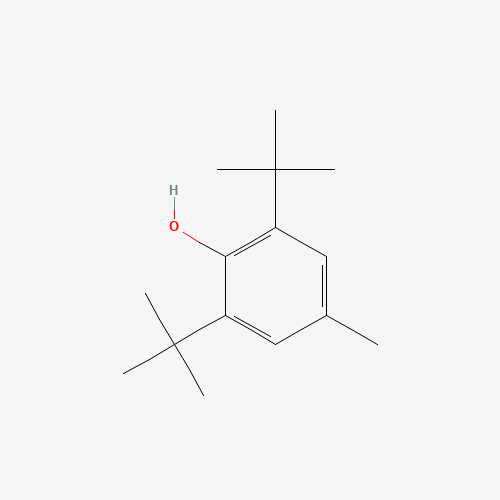
Butylated hydroxytoluene, or BHT, is a synthetic antioxidant used to stop fats going rancid in cereals, snack foods and chewing gum, and in food packaging materials.
Where it is and isn’t permitted
| Jurisdiction | Status | Scope and limits | Citation |
|---|---|---|---|
| Australia and New Zealand | Permitted, with conditions | 3 food categories highest permitted level 200 mg/kg Show every food category
| Food Standards Code, Schedule 15, S15—5and 2 further provisionsretrieved 2026-10-17 |
| Canada | Permitted, with conditions | highest permitted level 35 mg/kg 11 permitted uses Show every permitted use
| Health Canada, List of Permitted Preservatives (List 11)and 10 further provisionsretrieved 2026-10-17 |
| European Union | Permitted, with conditions | 6 food categories highest permitted level 400 mg/kg Show every food category
| Regulation (EC) No 1333/2008, Annex IIand 5 further provisionsretrieved 2026-10-18 |
| Great Britain | Permitted, with conditions | 6 food categories highest permitted level 400 mg/kg or mg/l Show every food category
| Assimilated Regulation (EC) No 1333/2008and 5 further provisionsretrieved 2026-10-18 |
| Japan | Permitted, with conditions | Designated additive: Appended Table 1, item 192, ジブチルヒドロキシトルエン (“Butylated Hydroxytoluene” in the unofficial English translation). …Designated additive: Appended Table 1, item 192, ジブチルヒドロキシトルエン (“Butylated Hydroxytoluene” in the unofficial English translation). Standards for use — Specifications and Standards for Foods, Food Additives, etc. (MHW Notification No. 370 of 1959), Part II (Food Additives), F (Standards for use), entry ジブチルヒドロキシトルエン: (1) [may be used only in the foods stated] “ジブチルヒドロキシトルエンは、油脂、バター、魚介乾製品、魚介塩蔵品、魚介冷凍品(生食用冷凍鮮魚介類及び生食用冷凍かきを除く。以下この目において同じ。)、鯨冷凍品(生食用冷凍鯨肉を除く。以下この目において同じ。)、チューインガム及び乾燥裏ごしいも以外の食品に使用してはならない。” (2) [sets maximum levels of use for the foods stated] “ジブチルヒドロキシトルエンの使用量は、ジブチルヒドロキシトルエンとして、油脂、バター、魚介乾製品、魚介塩蔵品及び乾燥裏ごしいもにあってはその1kgにつき0.2g(ブチルヒドロキシアニソール又はこれを含む製剤を併用する場合には、ジブチルヒドロキシトルエンとしての使用量及びブチルヒドロキシアニソールとしての使用量の合計量が0.2g)以下、魚介冷凍品及び鯨冷凍品にあっては浸漬液1kgにつき1g(ブチルヒドロキシアニソール又はこれを含む製剤を併用する場合には、ジブチルヒドロキシトルエンとしての使用量及びブチルヒドロキシアニソールとしての使用量の合計が1g)以下、チューインガムにあってはその1kgにつき0.75g以下でなければならない。” The Japanese is the standard as published. There is no official English translation of the Notification; the English in square brackets is this site’s description of what each sentence does, not a translation of the foods or the levels. Compositional specifications for this additive, in the same Notification, are not imported and are not shown here; nor are the general rules in F 添加物一般, which apply to every additive. | Regulations for Enforcement of the Food Sanitation Act (MHW Ordinance No. 23 of 1948), Appended Table 1retrieved 2026-10-18 |
| South Korea | Permitted, with conditions | Designated food additive: Standards and Specifications for Food Additives, Part III, 1. …Designated food additive: Standards and Specifications for Food Additives, Part III, 1. 일반식품첨가물 (general food additives), 디부틸히드록시톨루엔 (“Butylated Hydroxy Toluene”, the English the Code prints beside it). Main use (주용도) of 디부틸히드록시톨루엔: 산화방지제. Standard for use (사용기준) of 디부틸히드록시톨루엔: (1) [may be used only in the foods listed; sets a limit on the amount used] “디부틸히드록시톨루엔은 아래의 식품에 한하여 사용하여야 한다. 디부틸히드록시톨루엔의 사용량은 1. 식용유지류(모조치즈, 식물성크림 제외), 버터류, 어패건제품, 어패염장품∶0.2g/kg 이하(부틸히드록시아니솔 또는 터셔리부틸히드로퀴논과 병용할 때에는 디부틸히드록시톨루엔으로서 사용량, 부틸히드록시아니솔으로서 사용량 및 터셔리부틸히드로퀴논으로서 사용량의 합계가 0.2g/kg 이하) 2. 어패냉동품(생식용 냉동선어패류, 생식용굴은 제외)의 침지액∶1g/kg 이하(부틸히드록시아니솔 또는 터셔리부틸히드로퀴논과 병용할 때에는 디부틸히드록시톨루엔으로서 사용량, 부틸히드록시아니솔으로서 사용량 및 터셔리부틸히드로퀴논으로서 사용량의 합계가 1g/kg 이하) 3. 추잉껌∶0.4g/kg 이하(부틸히드록시아니솔 또는 터셔리부틸히드로퀴논과 병용할 때에는 디부틸히드록시톨루엔으로서 사용량, 부틸히드록시아니솔으로서 사용량 및 터셔리부틸히드로퀴논으로서 사용량의 합계가 0.4g/kg 이하) 4. 체중조절용 조제식품, 시리얼류∶0.05g/kg 이하(부틸히드록시아니솔과 병용할 때에는 디부틸히드록시톨루엔으로서 사용량과 부틸히드록시아니솔으로서 사용량 합계가 0.05g/kg 이하) 5. 마요네즈∶0.06g/kg 이하” The Korean is the standard as published. There is no official English translation of the current Code (the English version on MFDS’s website is the 2020 edition and has no legal effect); the English in square brackets is this site’s description of what each sentence does, not a translation of the foods or the levels. Compositional specifications (Part IV) are not imported, nor are the general standards in Part II, which apply to every additive. | Standards and Specifications for Food Additives (식품첨가물의 기준 및 규격), MFDS Notification, Part III (Standards for use, by item)retrieved 2026-10-18 |
| United States | Permitted, with conditions | 21 CFR 172.115and 1 further provisionretrieved 2026-10-17 | |
| Codex Alimentarius | Permitted, with conditions | 31 food categories highest permitted level 400 mg/kg Show every food category and its notes
| CXS 192-1995 Table One, INS 321and 30 further provisionsretrieved 2026-09-07 |
How much is permitted
A listing usually limits the quantity as well as the food. Only one of the forms that takes is a figure: quantum satis and good manufacturing practice permit the amount the technological effect requires and no more, which is a limit rather than the absence of one. Figures below are the range across every food category this page is listed in, and categories differ between regulators — see how much is permitted.
| Australia and New Zealand | 70 mg/kg – 200 mg/kg | 3 numeric limit |
|---|---|---|
| Canada | 35 mg/kg | 1 numeric limit, 10 no quantity stated |
| European Union | 100 mg/kg – 400 mg/kg | 6 numeric limit |
| Great Britain | 100 mg/kg – 400 mg/kg | 6 numeric limit |
| Japan | — | 1 no quantity stated |
| South Korea | — | 1 no quantity stated |
| United States | — | 2 no quantity stated |
| Codex Alimentarius | 75 mg/kg – 400 mg/kg | 31 numeric limit |
What it is made from
Synthesised from para-cresol and isobutylene, both petroleum-derived.
- Vegan
- Vegetarian
Compare other additives on the dietary indexes.
- CAS registry number
- 128-37-0
- InChIKey
- NLZUEZXRPGMBCV-UHFFFAOYSA-N
- PubChem
- CID 31404
The two specifications, compared
The European Union sets identity and purity by regulation; JECFA publishes its own through FAO, advisory until a country adopts it. Both documents are below in full. These are the parameters each puts a number on.
| Parameter | European Union | JECFA |
|---|---|---|
| Assay | no less than 99 % | no less than 99 % |
| Sulphated ash | no more than 0.005 % | no more than 0.005 % |
| Lead | no more than 2 mg/kg | no more than 2 mg/kg |
| Arsenic | no more than 3 mg/kg | — |
| Mercury | no more than 1 mg/kg | — |
The two documents state the same figures for every parameter compared here.
How the EU defines it
The legal specification an additive must meet to be sold as this E number in the EU — what it is, how it may be made, and the purity it must reach. From Commission Regulation (EU) No 231/2012.
E 321 Butylated hydroxytoluene (bht)
Synonyms: BHT
Assay, identification and purity criteria
Description and assay
- Einecs
- 204-881-4
- Chemical name
- 2,6-Ditertiary-butyl-p-cresol; 4-Methyl-2,6-ditertiarybutylphenol
- Chemical formula
- C₁₅H₂₄O
- Molecular weight
- 220,36
- Assay
- Content not less than 99 %
- Description
- White, crystalline or flaked solid, odourless or having a characteristic faint aromatic odour
Identification
- Solubility
- Insoluble in water and propane- 1,2-diol Freely soluble in ethanol
- Melting point
- At 70 °C
- Spectrometry
- The absorption in the range 230 to 320 nm of a 2 cm layer of a 1 in 100 000 solution in dehydrated ethanol exhibits a maximum only at 278 nm
Purity criteria
- Sulphated ash
- Not more than 0,005 %
- Phenolic impurities
- Not more than 0,5 %
- Specific absorption in ethanol
- [image] (278 nm) not less than 81 and not more than 88
- Arsenic
- Not more than 3 mg/kg
- Lead
- Not more than 2 mg/kg
- Mercury
- Not more than 1 mg/kg
How JECFA defines it
The international specification for identity and purity, prepared by the Joint FAO/WHO Expert Committee on Food Additives and published by FAO. It is a different document from any above, written by a different body and revised on its own cycle; it is advisory, and a country adopts it or does not.
INS 321 Butylated Hydroxytoluene
Synonyms: BHT; INS No. 321
Assay, identification and purity criteria
Description and assay
- Specification history
- Prepared at the 37th JECFA (1990), published in FNP 52 (1992) superseding specifications prepared at the 30th JECFA (1986), published in FNP 37 (1986). Metals and arsenic specifications revised at the 61st JECFA (2003) An ADI of 0-0.3 mg/kg bw was established at the 44th JECFA (1995)
- Chemical names
- 2,6-Ditertiary-butyl-p-cresol, 4-methyl-2,6-ditertiary-butyl-phenol
- C.A.S. number
- 128-37-0
- Chemical formula
- C 15 H 24 O
- Formula weight
- 220.36
- Assay
- Not less than 99.0%
- DESCRIPTION
- White, crystalline or flaked solid, odourless or having a characteristic faint aromatic odour
- FUNCTIONAL USES
- Antioxidant
- METHOD OF ASSAY
- Gas Chromatography Method (see Volume 4) Internal standard solution (diphenylamine or 4-tertiary butylphenol): Accurately weigh 500 mg, dissolve in acetone and make up to 250 ml with acetone. Standard solution: Accurately weigh 100 mg of butylated hydroxytoluene and dissolve in acetone to make 50 ml. Procedure: Dissolve 10 mg of the sample, accurately weighed, in the internal standard solution to make 50 ml. Inject aliquots of the solution into a gas chromatograph, using the following conditions: Column - length: 1.5 m - inner diameter: 3 mm - material: glass - packing: 10% XE-60 on 100-200 mesh Temperatures - injector: 225 o - column: 155 o - detector: 250 o Carrier gas: nitrogen Flow rate: 30 ml/min Detector type: FID Prepare a standard curve of butylated hydroxytoluene peak height/internal standard peak height versus concentration, using internal standard solutions having various concentrations of butylated hydroxytoluene. Determine the concentration of butylated hydroxytoluene in the sample from the standard curve.
Identification
- Solubility (Vol. 4)
- Insoluble in water and propane-1,2-diol; freely soluble in ethanol
- Melting range (Vol. 4)
- 69 o - 72 o
- Spectrophotometry (Vol. 4)
- The absorption in the range 230 to 320 nm of a 2 cm layer of a 1 in 100,000 solution in dehydrated ethanol exhibits a maximum only at 278 nm
- Colour reaction
- To 10 ml of a 1 in 100,000 solution of the sample in methanol add 10 ml of water, 2 ml of sodium nitrite solution (3 in 1000 ) and 5 ml of dianisidine dihydrochloride solution (200 mg of 3,3-dimethoxy-benzidine dihydrochloride dissolved in a mixture of 40 ml of methanol and 60 ml of 1 N hydrochloric acid). An orange red colour develops within 3 min. Add 5 ml of chloroform, and shake. The chloroform layer exhibits a purple or magenta colour that fades when exposed to light.
Purity criteria
- Solidification (Vol. 4)
- Not lower than 69.2 o
- Sulfated ash (Vol. 4)
- Not more than 0.005% Test 20 g of the sample (Method I)
- Lead (Vol. 4)
- Not more than 2 mg/kg Determine using an atomic absorption technique appropriate to the specified level. The selection of sample size and method of sample preparation may be based on the principles of the method described in Volume 4, “Instrumental Methods.”
- Phenolic impurities
- Not more than 0.5% See description under TESTS
- Test: Phenolic impurities
- Determine by Thin-Layer Chromatography , (see Volume 4) using silica gel G plates. Solution 1: Dissolve 0.25 g of the sample in 10 ml of ether. Solution 2: Dilute 1 ml of Solution 1 to 10 ml with ether, and then dilute 1 ml of the resulting solution to 20 ml with ether. Use the final dilution as solution 2. Procedure Spot 2 μl each of Solution 1 and of Solution 2 on separate TLC plates. Place each plate in a developing chamber containing chloroform as solvent, and allow the solvent front to ascend to a point 15 cm above the sample spots. Develop the chromatograms by spraying with an aqueous mixture of equal volumes of 2% ferric chloride solution and 1% potassium ferricyanide solution mixed prior to use. The blue colours produced may be intensified by spraying with 2N hydrochloric acid. Any blue spots appearing (other than the major spot and the spot) are not more intense than the major spot appearing on Chromatogram 2.
Authorised in other additives, enzymes, flavourings and nutrients
These authorisations are not for use in food. They let this substance be used inside another additive, a food enzyme, a flavouring or a nutrient preparation — often as a carrier — and it reaches food only as part of that product. Annex III to Regulation (EC) No 1333/2008.
| Part | May be used in | Maximum level | Citation |
|---|---|---|---|
| Annex III, Part 2: Food additives other than carriers in food additives | Emulsifiers containing fatty acidsNote (1): Except enzymes authorised as food additives. | 20 mg/kg singly or in combination (expressed on fat) in the preparation, 0,4 mg/kg in final product (singly or in combination) | Regulation (EC) No 1333/2008, Annex III, Part 2 |
Every name it appears under
97 recorded names. A label may use any of them.
E number
- E321
INS number
- 321
CAS registry number
- 128-37-0
As it appears in regulation
- BHT
- Butylated hydroxytoluene
- Butylated hydroxytoluene (BHT)
Other names
- 2,6-Bis(1,1-dimethylethyl)-4-methylphenol
- 2,6-Di-t-butyl-4-methylphenol
- 2,6-Di-tert-butyl-4-cresol
- 2,6-Di-tert-butyl-4-methylphenol
- 2,6-Di-tert-butyl-p-cresol
- 2,6-ditert-butyl-4-methylphenol
- 2,6-Ditertiary-butyl-p-cresol
- 4-Methyl-2,6-di-tert-butylphenol
- 4-Methyl-2,6-ditertiarybutylphenol
- Advastab 401
- Agidol
- Agidol 1
- Alkofen BP
- Antioxidant 264
- Antioxidant 29
- Antioxidant 30
- Antioxidant 4
- Antioxidant 4K
- Antioxidant DBPC
- Antioxidant KB
- Antioxidant MPJ
- Antox QT
- Antrancine 8
- Bht (food grade)
- BUKS
- BUTYLATED HYDROXYTOLUENE
- Butylated hydroxytoluene (BHT)
- Butylhydroxytoluene
- CAO 1
- CAO 3
- Catalin antioxydant 1
- Catalin CAO-3
- Chemanox 11
- Dalpac
- DBPC
- Deenax
- Dibutylhydroxytoluene
- E 321
- Impruvol
- Ionol
- Ionol (antioxidant)
- Ionol 1
- Ionol CP
- Ionole
- Kerabit
- Nonox TBC
- Parabar 441
- Paranox 441
- Phenol, 2,6-bis(1,1-dimethylethyl)-4-methyl-
- Stavox
- Sumilizer BHT
- Sustane BHT
- Swanox BHT
- Tenamen 3
- Tenamene 3
- Tenox BHT
- Topanol
- Topanol O
- Topanol OC
- Toxolan P
- Vanlube PC
- Vanlube PCX
- Vianol
- Vulkanox KB
Systematic names
- 2,6-ditert-butyl-4-methylphenol
The EU re-evaluation programme
Every additive authorised in the EU before 20 January 2009 was put back through EFSA by Commission Regulation (EU) No 257/2010, and this one is named in it. What the Regulation required is below; whether the opinion has since been published is not something this site records.
- To be evaluated by 31 December 2015. Named in Annex II, Part II, point 1 as “Butylated hydroxytoluene (BHT)”, among the additives given priority within its class.
Hazard reference values
The two committees set different figures. EFSA's acceptable daily intake is 0.25 mg/kg bw/day; JECFA's is 0.3 mg/kg bw/day (1995). An acceptable daily intake is a reference value set by a committee, not a threshold above which harm begins. The lower figure is not a finding that the other body was wrong: the two work to different terms of reference, on their own timetables, and sometimes from different data. This site states both and chooses between them nowhere. See where the two committees differ.
| Type | Value | Population | Assessed by | Opinion |
|---|---|---|---|---|
| ADI | 0.3 mg/kg bw/day | — | JECFA | 1995 |
| ADI | 0.25 mg/kg bw/day | consumers | EFSA | not identified in the dataset |
Evidence and how bodies read it
What assessing bodies concluded
Each conclusion is paraphrased in the body's own framing, from the published opinion linked beneath it. Where bodies differ, both stand; this site does not adjudicate between them or add a view of its own.
EFSA 2012
The ANS Panel concluded that BHT (E 321) is not of concern for genotoxicity and that any carcinogenicity would be thresholded, and revised the ADI from 0.05 to 0.25 mg/kg bw/day based on two-generation rat studies. Adult exposure was unlikely to exceed the new ADI, while high-percentile exposure in children exceeded it in some countries.
Common questions
Assembled from what is above, in the words the questions are usually asked in. Each answer is the same statement the relevant section makes, with the same citations behind it.
- What is E 321?
- E 321 is Butylated hydroxytoluene. Butylated hydroxytoluene, or BHT, is a synthetic antioxidant used to stop fats going rancid in cereals, snack foods and chewing gum, and in food packaging materials.
- What is Butylated hydroxytoluene used for in food?
- It is listed as an antioxidant — the role Codex and the US assign it. This page shows every function each regulator records, with the citation for each.
- Where is Butylated hydroxytoluene permitted?
- Of the seven regulators this site reads, Australia and New Zealand, Canada, the EU, Great Britain, Japan, South Korea, the US and the Codex standard permit it. Each permission is for named foods at named levels, not a blanket one; the table on this page gives them with citations.
- Is Butylated hydroxytoluene vegan?
- Yes. Butylated hydroxytoluene is not derived from animals, and is suitable for vegetarians. This page says what it is made from and how.
Sources for this page
- anz retrieved 2026-10-17
- ca retrieved 2026-10-17
- eu retrieved 2026-10-18
- gb retrieved 2026-10-18
- jp retrieved 2026-10-18
- kr retrieved 2026-10-18
- ecfr retrieved 2026-10-17
- gsfa retrieved 2026-09-07
- euspecs retrieved 2026-10-18
- jecfaspecs retrieved 2026-09-23
Full licence terms and publisher details on Sources. How this page is built and updated: Method.
Machine-readable: a JSON record of this additive is given on request —how to ask for access.
Follow changes to Butylated hydroxytoluene:Atom feed — regulatory events, and any change the weekly refresh detects in its provisions.