Calcium aluminium silicate
1327-39-5 · ALUMINIUM CALCIUM SILICATE · Aluminosilicic acid, calcium salt · Aluminum calcium silicate · Calcium aluminum silicate · Calcium silicoaluminate · CCRIS 3933 · dialuminum;dicalcium;dioxido(oxo)silane · IQDXNHZDRQHKEF-UHFFFAOYSA-N · Silicic acid, aluminum calcium salt · E556 · Aluminum calcium silicate · Calcium aluminium silicate · Calcium aluminium silicate · Calciumaluminiumsilicaat · Calciumaluminiumsilicat · Kalcija alumīnija silikāts · Kalcijev aluminijev silikat · Kalcio aliuminio silikatas · Kalcium-alumínium-szilikát · Kalciumaluminiumsilikat · Kalsiumalumiinisilikaatti · Kaltsiumalumiiniumsilikaat · Kremičitan hlinitovápenatý · Krzemian glinowo-wapniowy · Křemičitan vápenato-hlinitý · SILICAT DE ALUMINIU ȘI CALCIU · Silicate alumino-calcique · Silicato de alumínio e cálcio · Silicato de calcio y aluminio · Silicato di calcio e alluminio · Silicoaluminat de calciu · SILIKAT TAL-KALĊJU U TAL-ALUMINJU · Silikat tal-kalċju tal-aluminju · Πυριτικό αργιλιασβέστιο · КАЛЦИЕВОАЛУМИНИЕВ СИЛИКАТ · Калциево-алуминиев силикатE number E556CAS 1327-39-5
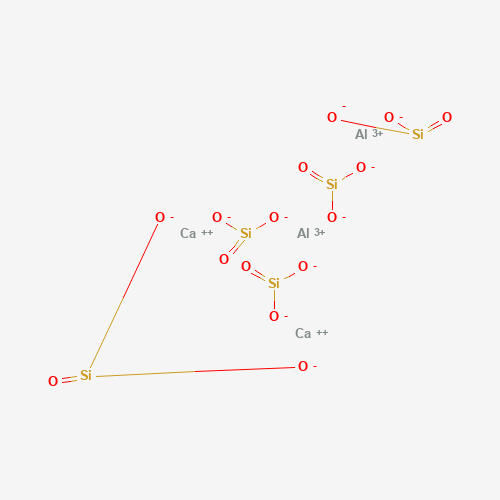
Calcium aluminium silicate is an anticaking agent used in table salt and powdered products. It contributes dietary aluminium, which regulators assess separately from its function in food.
Where it is and isn’t permitted
| Jurisdiction | Status | Scope and limits | Citation |
|---|---|---|---|
| Australia and New Zealand | Permitted, with conditions | 55 food categories no numerical limit (good manufacturing practice) Show every food category
| Food Standards Code, Schedule 15, S15—5and 54 further provisionsretrieved 2026-10-17 |
| Canada | No listing matchedHealth Canada’s lists name additives without E or INS numbers, so this site matches them by exact name. A substance listed there under a name this site does not recognise has no row here. | ||
| European Union | No listed food uses foundThis site has not matched this substance to any food use on this jurisdiction’s list of authorised food additives. A food additive may be used only in foods that list names. Flavourings, enzymes, processing aids and added nutrients are regulated separately and do not appear on it. | ||
| Great Britain | No listed food uses foundThis site has not matched this substance to any food use on this jurisdiction’s list of authorised food additives. A food additive may be used only in foods that list names. Flavourings, enzymes, processing aids and added nutrients are regulated separately and do not appear on it. | ||
| Japan | No listing matchedThis site imports only Japan’s list of designated additives (Appended Table 1 to the Regulations for Enforcement of the Food Sanitation Act), matched by English name. Existing additives, natural flavouring agents and ordinary foods used as additives are permitted outside that list and are not imported, so an empty row does not show that Japan does not permit the substance. | ||
| South Korea | No listing matchedThis site imports Part III of South Korea’s Standards and Specifications for Food Additives, matched by CAS number, then INS number, then exact name. Mixed preparations and sanitisers are not imported, and an entry whose identifiers disagreed with a page’s is held for review, so an empty row does not show that South Korea does not permit the substance. | ||
| United States | Permitted | 21 CFR 182.2122retrieved 2026-10-17 | |
| Codex Alimentarius | Not listedDoes not appear on this jurisdiction’s permitted list. That is not the same as being prohibited. |
How much is permitted
A listing usually limits the quantity as well as the food. Only one of the forms that takes is a figure: quantum satis and good manufacturing practice permit the amount the technological effect requires and no more, which is a limit rather than the absence of one. Figures below are the range across every food category this page is listed in, and categories differ between regulators — see how much is permitted.
| Australia and New Zealand | — | 55 GMP |
|---|---|---|
| United States | — | 1 no quantity stated |
No regulator sets a figure for Calcium aluminium silicate. That is not an absence of control: where the listing says quantum satis or good manufacturing practice, the quantity is limited to what the effect requires.
What it is made from
Produced synthetically from silicate, aluminium and calcium sources.
- Vegan
- Vegetarian
Compare other additives on the dietary indexes.
- CAS registry number
- 1327-39-5
- InChIKey
- IQDXNHZDRQHKEF-UHFFFAOYSA-N
- PubChem
- CID 21881395
How the EU defines it
The legal specification an additive must meet to be sold as this E number in the EU — what it is, how it may be made, and the purity it must reach. From Commission Regulation (EU) No 231/2012.
A specification does not authorise use. This site holds no EU permission for Calcium aluminium silicate in food; see the EU row in the status panel above.
E 556 Calcium aluminium silicate
Synonyms: Calcium aluminosilicate; Calcium silicoaluminate; Aluminium calcium silicate
Assay, identification and purity criteria
Description and assay
- Chemical name
- Calcium aluminium silicate
- Assay
- Content on the anhydrous basis: — as SiO₂ not less than 44,0 % and not more than 50,0 % — as Al₂O₃ not less than 3,0 % and not more than 5,0 % — as CaO not less than 32,0 % and not more than 38,0 %
- Description
- Fine white, free-flowing powder
- Note (2)
- Period of application: until 31 January 2014.
Identification
- Test for calcium
- Passes test
- Test for aluminium
- Passes test
- Test for silicate
- Passes test
Purity criteria
- Loss on drying
- Not more than 10,0 % (105 °C, 2 hours)
- Loss on ignition
- Not less than 14,0 % and not more than 18,0 on the anhydrous basis (1 000 °C, constant weight)
- Fluoride
- Not more than 50 mg/kg
- Arsenic
- Not more than 3 mg/kg
- Lead
- Not more than 5 mg/kg
- Mercury
- Not more than 1 mg/kg
Every name it appears under
37 recorded names. A label may use any of them.
E number
- E556
CAS registry number
- 1327-39-5
As it appears in regulation
- Aluminum calcium silicate
- Calcium aluminium silicate
Other names
- ALUMINIUM CALCIUM SILICATE
- Aluminosilicic acid, calcium salt
- Aluminum calcium silicate
- Calcium aluminum silicate
- Calcium silicoaluminate
- CCRIS 3933
- dialuminum;dicalcium;dioxido(oxo)silane
- IQDXNHZDRQHKEF-UHFFFAOYSA-N
- Silicic acid, aluminum calcium salt
Hazard reference values
| Type | Value | Population | Assessed by | Opinion |
|---|---|---|---|---|
| ADI | not specified | — | JECFA | 1985 |
Evidence and how bodies read it
Studies, and the differing conclusions regulators drew from them, are curated rather than machine-read, and none has been written for this substance yet.
Common questions
Assembled from what is above, in the words the questions are usually asked in. Each answer is the same statement the relevant section makes, with the same citations behind it.
- What is E 556?
- E 556 is Calcium aluminium silicate. Calcium aluminium silicate is an anticaking agent used in table salt and powdered products. It contributes dietary aluminium, which regulators assess separately from its function in food.
- Is Calcium aluminium silicate banned in Europe?
- No. Calcium aluminium silicate does not appear on the EU's list of authorised food additives, which is not the same as being banned: the EU permits an additive only where it has authorised it, and usually the reason for an absence is that no one applied. The EU has made no finding against this substance. It does mean it may not be used as a food additive in the EU today.
- Where is Calcium aluminium silicate permitted?
- Of the seven regulators this site reads, Australia and New Zealand and the US permit it. Each permission is for named foods at named levels, not a blanket one; the table on this page gives them with citations.
- Is Calcium aluminium silicate vegan?
- Yes. Calcium aluminium silicate is not derived from animals, and is suitable for vegetarians. This page says what it is made from and how.
Sources for this page
- anz retrieved 2026-10-17
- ecfr retrieved 2026-10-17
- euspecs retrieved 2026-10-18
Full licence terms and publisher details on Sources. How this page is built and updated: Method.
Machine-readable: a JSON record of this additive is given on request —how to ask for access.
Follow changes to Calcium aluminium silicate:Atom feed — regulatory events, and any change the weekly refresh detects in its provisions.