Calcium hydroxide

E number E526INS 526CAS 1305-62-0

Listed as an acidity regulator by Canada, Codex and the US.

Listed as acidity regulators (CA, US, Codex) · firming agents (US, Codex) · nutrient supplements (US) · processing aids (US)
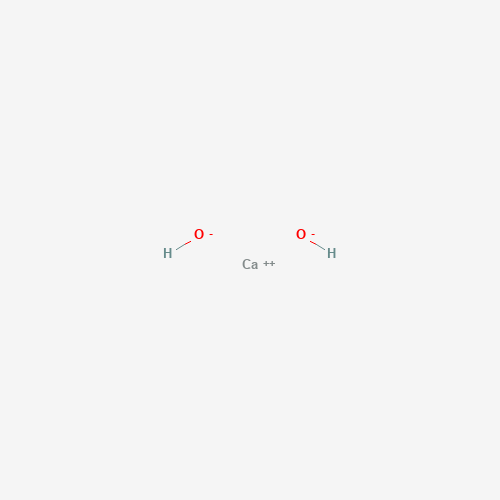
Chemical structure of Calcium hydroxide, from PubChem compound 6093208
Structure from PubChem CID 6093208 (National Library of Medicine, public domain). A depiction of one compound: where a listing covers a family, or a substance has no single structure, this page shows none.

Calcium hydroxide, or slaked lime, is a firming agent and acidity regulator. Its best-known use is nixtamalisation: cooking and soaking maize in lime water to make masa for tortillas, which also makes the niacin in the grain available.

Where it is and isn’t permitted

Status of Calcium hydroxide by jurisdiction. Every jurisdiction this site covers is listed, including those where the substance does not appear.
JurisdictionStatusScope and limitsCitation
Australia and New ZealandFood Standards Australia New ZealandPermitted, with conditions

55 food categories

highest permitted level 2,000 mg/L

Show every food category
  • 0 Preparations of food additives — GMP
  • 1.1.1 Liquid milk (including buttermilk) — GMPOnly UHT goats milk.
  • 1.1.2 Liquid milk products and flavoured liquid milk — GMP
  • 1.2.2 Fermented milk products and rennetted milk products — GMP
  • 1.3 Condensed milk and evaporated milk — GMP
  • 1.4.1 Cream, reduced cream and light cream — GMPOnly UHT creams and creams receiving equivalent or greater heat treatments.
  • 1.4.2 Cream products (flavoured, whipped, thickened, sour cream etc) — GMP
  • 1.5 Dried milk, milk powder, cream powder — GMP
  • 1.6 Cheese and cheese products — GMP
  • 10.2 Liquid egg products — GMP
  • 10.3 Frozen egg products — GMP
  • 10.4 Dried or heat coagulated egg products — GMP
  • 11.1.1 Rainbow sugar — GMP
  • 11.3.1 Dried honey — GMP
  • 11.4 Tabletop sweeteners — GMP
  • 12.1.2 Reduced sodium salt mixture — GMP
  • 12.1.3 Salt substitute — GMP
  • 12.5 Yeast and yeast products — GMP
  • 12.6 Vegetable protein products — GMP
  • 13.1 Infant formula products — 2,000 mg/LApplies in Australia; New Zealand has not adopted Standard 2.9.1 (infant formula products) and applies its own infant formula standard.
  • 13.3 Formulated meal replacements and formulated supplementary foods — GMP
  • 13.4 Formulated supplementary sports foods — GMP
  • 13.5 Food for special medical purposes — GMP
  • 14.1.1.2 Carbonated, mineralised and soda waters — GMP
  • 14.1.2.1 Fruit and vegetable juices — GMPFor juice separated by other than mechanical means only.
  • 14.1.2.2 Fruit and vegetable juice products — GMP
  • 14.1.3 Water based flavoured drinks — GMP
  • 14.1.4 Formulated Beverages — GMP
  • 14.1.5 Coffee, coffee substitutes, tea, herbal infusions and similar products — GMP
  • 14.2.3 Wine based drinks and reduced alcohol wines — GMP
  • 14.2.4.1 Fruit wine products and vegetable wine products — GMP
  • 14.2.5 Spirits and liqueurs — GMP
  • 14.3 Alcoholic beverages not included in item 14.2 — GMP
  • 2.1 Edible oils essentially free of water — GMP
  • 2.2.1.2 Butter products — GMP
  • 2.2.1.3 Margarine and similar products — GMP
  • 2.2.2 Oil emulsions (<80% oil) — GMP
  • 20 Foods not included in items 0 to 14 — GMP
  • 3 Ice cream and edible ices — GMP
  • 4.1.3 Fruits and vegetables that are peeled, cut, or both peeled and cut — GMP
  • 4.3 Processed fruits and vegetables — GMP
  • 5.1 Chocolate and cocoa products — GMP
  • 5.2 Sugar confectionery — GMP
  • 5.4 Icings and frostings — GMP
  • 6.3 Processed cereal and meal products — GMP
  • 6.4 Flour products (including noodles and pasta) — GMP
  • 7 Breads and bakery products — GMP
  • 8.2 Processed meat, poultry and game products in whole cuts or pieces — GMP
  • 8.3 Processed comminuted meat, poultry and game products, other than products listed in item 8.3.2 — GMP
  • 8.3.2 Sausage and sausage meat containing raw, unprocessed meat — GMP
  • 8.4 Edible casings — GMP
  • 8.5 Animal protein products — GMP
  • 9.2 Processed fish and fish products — GMP
  • 9.3 Semi preserved fish and fish products — GMP
  • 9.4 Fully preserved fish including canned fish products — GMP
Food Standards Code, Schedule 15, S15—5and 54 further provisionsretrieved 2026-10-17
CanadaHealth CanadaPermitted, with conditions

highest permitted level 100 mg/kg

7 permitted uses

Show every permitted use
  • In: Bacterial cultures. Purpose: Acidity regulator. Limit: Good Manufacturing Practice. — Health Canada, List of Permitted Acidity Regulators and Acid-Reacting Materials (List 10), item C.8(a)
  • In: Beer. Purpose: Acidity regulator. Limit: Good Manufacturing Practice. — Health Canada, List of Permitted Acidity Regulators and Acid-Reacting Materials (List 10), item C.8(b)
  • In: Canned peas. Purpose: Acidity regulator. Limit: 100 ppm. — Health Canada, List of Permitted Acidity Regulators and Acid-Reacting Materials (List 10), item C.8(c)
  • In: Grape juice. Purpose: Acidity regulator. Limit: Good Manufacturing Practice. — Health Canada, List of Permitted Acidity Regulators and Acid-Reacting Materials (List 10), item C.8(d)
  • In: Ice cream mix; Ice milk mix. Purpose: Acidity regulator. Limit: Good Manufacturing Practice. — Health Canada, List of Permitted Acidity Regulators and Acid-Reacting Materials (List 10), item C.8(e)
  • In: Infant formula. Purpose: Acidity regulator. Limit: Good Manufacturing Practice. — Health Canada, List of Permitted Acidity Regulators and Acid-Reacting Materials (List 10), item C.8(f)
  • In: Unstandardized foods. Purpose: Acidity regulator. Limit: Good Manufacturing Practice. — Health Canada, List of Permitted Acidity Regulators and Acid-Reacting Materials (List 10), item C.8(g)
Health Canada, List of Permitted Acidity Regulators and Acid-Reacting Materials (List 10)and 6 further provisionsretrieved 2026-10-17
European UnionEuropean Commission / EFSAPermitted, with conditions

72 food categories

highest permitted level 70,000 mg/l

Show every food category
  • 1.3 unflavoured fermented milk products heat-treated after fermentation — several limitsPermitted as a member of Group I, Additives. ML = quantum satis; except E 425 ML = 10000 mg/kg; E 620 to E 625, ML = 10000 mg/kg individually or in combination, expressed as glutamic acid; E 626 to E 635, ML = 500 mg/kg individually or in combination, expressed as guanylic acid.
  • 1.4 flavoured fermented milk products including heat-treated products — several limitsPermitted as a member of Group I, Additives. ML = quantum satis; except E 425 ML = 10000 mg/kg; E 620 to E 625, ML = 10000 mg/kg individually or in combination, expressed as glutamic acid; E 626 to E 635, ML = 500 mg/kg individually or in combination, expressed as guanylic acid.
  • 1.6.3 other creams — several limitsPermitted as a member of Group I, Additives. ML = quantum satis; except E 425 ML = 10000 mg/kg; E 620 to E 625, ML = 10000 mg/kg individually or in combination, expressed as glutamic acid; E 626 to E 635, ML = 500 mg/kg individually or in combination, expressed as guanylic acid.
  • 1.7.1 unripened cheese excluding products falling in category 16Permitted as a member of Group I, Additives. except mozzarella.
  • 1.7.5 processed cheese — several limitsPermitted as a member of Group I, Additives. except E 425 ML = 10000 mg/kg; E 620 to E 625, ML =10000 mg/kg individually or in combination, expressed as glutamic acid;E 626 to E 635, ML = 500 mg/kg individually or in combination, expressedas guanylic acid.
  • 1.7.6 cheese products (excluding products falling in category 16) — several limitsPermitted as a member of Group I, Additives. ML = quantum satis; except E 425 ML = 10000 mg/kg; E 620 to E 625, ML = 10000 mg/kg individually or in combination, expressed as glutamic acid; E 626 to E 635, ML = 500 mg/kg individually or in combination, expressed as guanylic acid.
  • 1.8 Dairy analogues, including beverage whiteners — several limitsPermitted as a member of Group I, Additives. ML = quantum satis; except E 425 ML = 10000 mg/kg; E 620 to E 625, ML = 10000 mg/kg individually or in combination, expressed as glutamic acid; E 626 to E 635, ML = 500 mg/kg individually or in combination, expressed as guanylic acid.
  • 1.9 Edible caseinates — quantum satisquantum satis.
  • 10.2 processed eggs and egg products — several limitsPermitted as a member of Group I, Additives. ML = quantum satis; except E 425 ML = 10000 mg/kg; E 620 to E 625, ML =10000 mg/kg individually or in combination, expressed as glutamic acid;E 626 to E 635, ML = 500 mg/kg individually or in combination, expressedas guanylic acid.
  • 11.2 Other sugars and syrups — several limitsPermitted as a member of Group I, Additives. ML = quantum satis; except E 425 ML = 10000 mg/kg; E 620 to E 625, ML = 10000 mg/kg individually or in combination, expressed as glutamic acid; E 626 to E 635, ML = 500 mg/kg individually or in combination, expressed as guanylic acid.
  • 12.1.2 salt substitutes — several limitsPermitted as a member of Group I, Additives. ML = quantum satis; except E 425 ML = 10000 mg/kg; E 620 to E 625, ML = 10000 mg/kg individually or in combination, expressed as glutamic acid; E 626 to E 635, ML = 500 mg/kg individually or in combination, expressed as guanylic acid.
  • 12.2.2 Seasonings and condiments — several limitsPermitted as a member of Group I, Additives. ML = quantum satis; except E 425 ML = 10000 mg/kg; E 620 to E 625, ML = 10000 mg/kg individually or in combination, expressed as glutamic acid; E 626 to E 635, ML = 500 mg/kg individually or in combination, expressed as guanylic acid.
  • 12.3 Vinegars and diluted acetic acid (diluted with water to 4-30 % by volume) — several limitsPermitted as a member of Group I, Additives. ML = quantum satis; except E 425 ML = 10000 mg/kg; E 620 to E 625, ML = 10000 mg/kg individually or in combination, expressed as glutamic acid; E 626 to E 635, ML = 500 mg/kg individually or in combination, expressed as guanylic acid.
  • 12.4 Mustard — several limitsPermitted as a member of Group I, Additives. ML = quantum satis; except E 425 ML = 10000 mg/kg; E 620 to E 625, ML = 10000 mg/kg individually or in combination, expressed as glutamic acid; E 626 to E 635, ML = 500 mg/kg individually or in combination, expressed as guanylic acid.
  • 12.5 Soups and broths — several limitsPermitted as a member of Group I, Additives. ML = quantum satis; except E 425 ML = 10000 mg/kg; E 620 to E 625, ML = 10000 mg/kg individually or in combination, expressed as glutamic acid; E 626 to E 635, ML = 500 mg/kg individually or in combination, expressed as guanylic acid.
  • 12.6 Sauces — several limitsPermitted as a member of Group I, Additives. ML = quantum satis; except E 425 ML = 10000 mg/kg; E 620 to E 625, ML = 10000 mg/kg individually or in combination, expressed as glutamic acid; E 626 to E 635, ML = 500 mg/kg individually or in combination, expressed as guanylic acid.
  • 12.7 Salads and savoury-based sandwich spreads — several limitsPermitted as a member of Group I, Additives. ML = quantum satis; except E 425 ML = 10000 mg/kg; E 620 to E 625, ML = 10000 mg/kg individually or in combination, expressed as glutamic acid; E 626 to E 635, ML = 500 mg/kg individually or in combination, expressed as guanylic acid.
  • 12.8 Yeast and yeast products — several limitsPermitted as a member of Group I, Additives. ML = quantum satis; except E 425 ML = 10000 mg/kg; E 620 to E 625, ML = 10000 mg/kg individually or in combination, expressed as glutamic acid; E 626 to E 635, ML = 500 mg/kg individually or in combination, expressed as guanylic acid.
  • 12.9 Protein products excluding products covered in category 1 8 — several limitsPermitted as a member of Group I, Additives. ML = quantum satis; except E 425 ML = 10000 mg/kg; E 620 to E 625, ML = 10000 mg/kg individually or in combination, expressed as glutamic acid; E 626 to E 635, ML = 500 mg/kg individually or in combination, expressed as guanylic acid.
  • 13.1.3 Processed cereal-based foods and baby foods as defined by Regulation (EU) No 609/2013 — quantum satisquantum satis. only processed cereal based foods and baby foods, only for pH adjustment.
  • 13.1.5.1 Foods for special medical purposes as defined by Regulation (EU) No 609/2013, intended for infants — quantum satisquantum satis. only for pH adjustment.
  • 13.2 Foods for special medical purposes as defined by Regulation (EU) No 609/2013 (excluding products from food category 13.1.5.) — several limitsPermitted as a member of Group I, Additives. ML = quantum satis; except E 425 ML = 10000 mg/kg; E 620 to E 625, ML = 10000 mg/kg individually or in combination, expressed as glutamic acid; E 626 to E 635, ML = 500 mg/kg individually or in combination, expressed as guanylic acid.
  • 13.3 Total diet replacement for weight control food as defined by Regulation (EU) No 609/2013 — several limitsPermitted as a member of Group I, Additives. ML = quantum satis; except E 425 ML = 10000 mg/kg; E 620 to E 625, ML = 10000 mg/kg individually or in combination, expressed as glutamic acid; E 626 to E 635, ML = 500 mg/kg individually or in combination, expressed as guanylic acid.
  • 14.1.2 Fruit juices as defined by Directive 2001/112/EC and vegetable juicesPermitted as a member of Group I, Additives. only vegetable juices.
  • 14.1.3 Fruit nectars as defined by Directive 2001/112/EC and vegetable nectars and similar productsPermitted as a member of Group I, Additives. only vegetable nectars, E 420, E421, E 953, E965, E 966, E 967 and E 968 may not be used.
  • 14.1.4 Flavoured_drinksPermitted as a member of Group I, Additives. E 420, E 421, E 953, E 965, E 966 and E 967 may not be used E 968 may not be used except where specifically provided for in this food category.
  • 14.1.5.2 otherPermitted as a member of Group I, Additives. excluding unflavoured leaf tea; including flavoured instant coffee; E 420, E421, E 953, E965, E 966, E 967 and E 968 may not be used in drinks.
  • 14.2.3 Cider and perryPermitted as a member of Group I, Additives. E 420, E421, E 953, E965, E 966, E 967 and E 968 may not be used.
  • 14.2.4 Fruit wine and made winePermitted as a member of Group I, Additives. E 420, E421, E 953, E965, E 966, E 967 and E 968 may not be used.
  • 14.2.5 MeadPermitted as a member of Group I, Additives. E 420, E421, E 953, E965, E 966, E 967 and E 968 may not be used.
  • 14.2.6 Spirit drinks as defined in Regulation (EU) 2019/787Permitted as a member of Group I, Additives. except whisky or whiskey; E 420, E421, E 953, E 965, E 966, E 967 and E 968 may not be used except in liqueurs.
  • 14.2.7.1 Aromatised winesPermitted as a member of Group I, Additives. E 420, E421, E 953, E965, E 966, E 967 and E 968 may not be used.
  • 14.2.7.2 Aromatised wine-based drinksPermitted as a member of Group I, Additives. E 420, E421, E 953, E965, E 966, E 967 and E 968 may not be used.
  • 14.2.7.3 Aromatised wine-product cocktailsPermitted as a member of Group I, Additives. E 420, E421, E 953, E965, E 966, E 967 and E 968 may not be used.
  • 14.2.8 Other alcoholic beverages including mixtures of alcoholic beverages with non-alcoholic beverages and other alcoholic beverages based on distilled alcohol with alcoholic strength by volume less than 15 %Permitted as a member of Group I, Additives. E 420, E421, E 953, E 965, E 966, E 967 and E 968 may not be used.
  • 15.1 Potato- cereal- flour- or starch-based snacks — several limitsPermitted as a member of Group I, Additives. ML = quantum satis; except E 425 ML = 10000 mg/kg; E 620 to E 625, ML = 10000 mg/kg individually or in combination, expressed as glutamic acid; E 626 to E 635, ML = 500 mg/kg individually or in combination, expressed as guanylic acid.
  • 15.2 Processed nuts — several limitsPermitted as a member of Group I, Additives. ML = quantum satis; except E 425 ML = 10000 mg/kg; E 620 to E 625, ML = 10000 mg/kg individually or in combination, expressed as glutamic acid; E 626 to E 635, ML = 500 mg/kg individually or in combination, expressed as guanylic acid.
  • 16 Desserts excluding products covered in category 1 3 and 4 — several limitsPermitted as a member of Group I, Additives. ML = quantum satis; except E 425 ML = 10000 mg/kg; E 620 to E 625, ML = 10000 mg/kg individually or in combination, expressed as glutamic acid; E 626 to E 635, ML = 500 mg/kg individually or in combination, expressed as guanylic acid.
  • 17.1 food supplements supplied in a solid form excluding food supplements for infants and young children’,Permitted as a member of Group I, Additives. E 410, E 412, E 415, E 417 and E 425 may not be used to produce dehydrated food supplements intended to rehydrate on ingestion.
  • 17.2 food supplements supplied in a liquid form excluding food supplements for Infants and young children — several limitsPermitted as a member of Group I, Additives. ML = quantum satis; except E 425 ML = 10000 mg/kg; E 620 to E 625, ML = 10000 mg/kg individually or in combination, expressed as glutamic acid; E 626 to E 635, ML = 500 mg/kg individually or in combination, expressed as guanylic acid.
  • 18 Processed foods not covered by categories 1 to 17 — several limitsPermitted as a member of Group I, Additives. ML = quantum satis; except E 425 ML = 10000 mg/kg; E 620 to E 625, ML = 10000 mg/kg individually or in combination, expressed as glutamic acid; E 626 to E 635, ML = 500 mg/kg individually or in combination, expressed as guanylic acid.
  • 18.1 Processed foods not covered by categories 18.2 and 18.3, excluding foods for infants and young children — several limitsPermitted as a member of Group I, Additives. ML = quantum satis; except E 425 ML = 10000 mg/kg; E 620 to E 625, ML = 10000 mg/kg individually or in combination, expressed as glutamic acid; E 626 to E 635, ML = 500 mg/kg individually or in combination, expressed as guanylic acid.
  • 18.2 Meal replacement for weight control as referred to in Commission Regulation (EU) No 432/2012 — several limitsPermitted as a member of Group I, Additives. ML = quantum satis; except E 425 ML = 10000 mg/kg; E 620 to E 625, ML = 10000 mg/kg individually or in combination, expressed as glutamic acid; E 626 to E 635, ML = 500 mg/kg individually or in combination, expressed as guanylic acid.
  • 18.3 Food specially produced to reduce the gluten content of gluten-containing ingredients or substitute the gluten-containing ingredientsPermitted as a member of Group I, Additives. Including dry pasta.
  • 2.2.2 Other fat and oil emulsions including spreads as defined by Regulation (EC) No 1234/2007 and liquid emulsions — several limitsPermitted as a member of Group I, Additives. ML = quantum satis; except E 425 ML = 10000 mg/kg; E 620 to E 625, ML = 10000 mg/kg individually or in combination, expressed as glutamic acid; E 626 to E 635, ML = 500 mg/kg individually or in combination, expressed as guanylic acid.
  • 2.3 Vegetable oil pan spray — several limitsPermitted as a member of Group I, Additives. ML = quantum satis; except E 425 ML = 10000 mg/kg; E 620 to E 625, ML = 10000 mg/kg individually or in combination, expressed as glutamic acid; E 626 to E 635, ML = 500 mg/kg individually or in combination, expressed as guanylic acid.
  • 3 edible ices — several limitsPermitted as a member of Group I, Additives. ML = quantum satis; except E 425 ML = 10000 mg/kg; E 620 to E 625, ML = 10000 mg/kg individually or in combination, expressed as glutamic acid; E 626 to E 635, ML = 500 mg/kg individually or in combination, expressed as guanylic acid.
  • 4.2.1 dried fruit and vegetablesPermitted as a member of Group I, Additives. E 410, E 412, E 415 and E 417 may not be used to produce dehydrated foods intended to rehydrate on ingestion.
  • 4.2.2 fruit and vegetables in vinegar oil or brine — several limitsPermitted as a member of Group I, Additives. ML = quantum satis; except E 425 ML = 10000 mg/kg; E 620 to E 625, ML = 10000 mg/kg individually or in combination, expressed as glutamic acid; E 626 to E 635, ML = 500 mg/kg individually or in combination, expressed as guanylic acid.
  • 4.2.4.1 fruit and vegetable preparations excluding compote — several limitsPermitted as a member of Group I, Additives. ML = quantum satis; except E 425 ML = 10000 mg/kg; E 620 to E 625, ML = 10000 mg/kg individually or in combination, expressed as glutamic acid; E 626 to E 635, ML = 500 mg/kg individually or in combination, expressed as guanylic acid.
  • 4.2.5.4 nut butters and nut spreads — several limitsPermitted as a member of Group I, Additives. ML = quantum satis; except E 425 ML = 10000 mg/kg; E 620 to E 625, ML = 10000 mg/kg individually or in combination, expressed as glutamic acid; E 626 to E 635, ML = 500 mg/kg individually or in combination, expressed as guanylic acid.
  • 4.2.6 processed potato products — several limitsPermitted as a member of Group I, Additives. ML = quantum satis; except E 425 ML = 10000 mg/kg; E 620 to E 625, ML = 10000 mg/kg individually or in combination, expressed as glutamic acid; E 626 to E 635, ML = 500 mg/kg individually or in combination, expressed as guanylic acid.
  • 5.1 Cocoa and chocolate products as covered by Directive 2000/36/ECPermitted as a member of Group I, Additives. only energy-reduced or with no added sugars.
  • 5.1 Cocoa and chocolate products as covered by Directive 2000/36/EC — 70,000 mg/kgPermitted as a member of Hydroxides. ML = 70000 mg/kg. E 170, E 500 - 504, E 524 - 528 and E 530: 7 % on dry matter, without fat, expressed as potassium carbonates.
  • 5.2 Other confectionery including breath freshening micro-sweetsPermitted as a member of Group I, Additives. The substances listed under numbers E 400, E 401, E 402, E 403, E 404, E 406, E 407, 407a, E 410, E 412, E 413, E 414, E 415, E 417, E 418, E 425 and E 440 may not be used in jelly mini-cups, defined, for the purpose of this Regulation, as jelly confectionery of a firm consistence, contained in semi rigid mini-cups or mini-capsules, intended to be ingested in a single bite by exerting pressure on the mini-cups or mini-capsule to project the confectionery into the mouth; E 410, E 412, E 415 E 417 may not be used to produce dehydrated foods intended to rehydrate on ingestion. E425 may not be used in jelly confectionery.
  • 5.3 chewing gum — several limitsPermitted as a member of Group I, Additives. ML = quantum satis; except E 425 ML = 10000 mg/kg; E 620 to E 625, ML = 10000 mg/kg individually or in combination, expressed as glutamic acid; E 626 to E 635, ML = 500 mg/kg individually or in combination, expressed as guanylic acid.
  • 5.4 Decorations, coatings and fillings, except fruit-based fillings covered by category 4.2.4 — several limitsPermitted as a member of Group I, Additives. ML = quantum satis; except E 425 ML = 10000 mg/kg; E 620 to E 625, ML = 10000 mg/kg individually or in combination, expressed as glutamic acid; E 626 to E 635, ML = 500 mg/kg individually or in combination, expressed as guanylic acid.
  • 6.2.2 starches — several limitsPermitted as a member of Group I, Additives. ML = quantum satis; except E 425 ML = 10000 mg/kg; E 620 to E 625, ML = 10000 mg/kg individually or in combination, expressed as glutamic acid; E 626 to E 635, ML = 500 mg/kg individually or in combination, expressed as guanylic acid.
  • 6.3 breakfast cereals — several limitsPermitted as a member of Group I, Additives. ML = quantum satis; except E 425 ML = 10000 mg/kg; E 620 to E 625, ML = 10000 mg/kg individually or in combination, expressed as glutamic acid; E 626 to E 635, ML = 500 mg/kg individually or in combination, expressed as guanylic acid.
  • 6.4.2 Dry pasta — several limitsPermitted as a member of Group I, Additives. ML = quantum satis; except E 425 ML = 10000 mg/kg; E 620 to E 625, ML = 10000 mg/kg individually or in combination, expressed as glutamic acid; E 626 to E 635, ML = 500 mg/kg individually or in combination, expressed as guanylic acid.
  • 6.4.4 Potato GnocchiPermitted as a member of Group I, Additives. except fresh refrigerated potato gnocchi.
  • 6.4.5 fillings of stuffed pasta (ravioli and similar) — several limitsPermitted as a member of Group I, Additives. ML = quantum satis; except E 425 ML = 10000 mg/kg; E 620 to E 625, ML = 10000 mg/kg individually or in combination, expressed as glutamic acid; E 626 to E 635, ML = 500 mg/kg individually or in combination, expressed as guanylic acid.
  • 6.5 Noodles — several limitsPermitted as a member of Group I, Additives. ML = quantum satis; except E 425 ML = 10000 mg/kg; E 620 to E 625, ML = 10000 mg/kg individually or in combination, expressed as glutamic acid; E 626 to E 635, ML = 500 mg/kg individually or in combination, expressed as guanylic acid.
  • 6.6 Batters — several limitsPermitted as a member of Group I, Additives. ML = quantum satis; except E 425 ML = 10000 mg/kg; E 620 to E 625, ML = 10000 mg/kg individually or in combination, expressed as glutamic acid; E 626 to E 635, ML = 500 mg/kg individually or in combination, expressed as guanylic acid.
  • 6.7 pre-cooked or processed cereals — several limitsPermitted as a member of Group I, Additives. ML = quantum satis; except E 425 ML = 10000 mg/kg; E 620 to E 625, ML = 10000 mg/kg individually or in combination, expressed as glutamic acid; E 626 to E 635, ML = 500 mg/kg individually or in combination, expressed as guanylic acid.
  • 7.1 Bread and rollsPermitted as a member of Group I, Additives. except products in 7.1.1 and 7.1.2.
  • 7.2 Fine bakery wares — several limitsPermitted as a member of Group I, Additives. ML = quantum satis; except E 425 ML = 10000 mg/kg; E 620 to E 625, ML = 10000 mg/kg individually or in combination, expressed as glutamic acid; E 626 to E 635, ML = 500 mg/kg individually or in combination, expressed as guanylic acid.
  • 8.3.1 Non-heat-treated processed meat — several limitsPermitted as a member of Group I, Additives. ML = quantum satis; except E 425 ML = 10000 mg/kg; E 620 to E 625, ML = 10000 mg/kg individually or in combination, expressed as glutamic acid; E 626 to E 635, ML = 500 mg/kg individually or in combination, expressed as guanylic acid.
  • 8.3.2 Heat-treated meat productsPermitted as a member of Group I, Additives. except foie gras, foie gras entier, blocs de foie gras, Libamáj, libamáj egészben, libamáj tömbben.
  • 8.3.3 Casings and coatings and decorations for meat — several limitsPermitted as a member of Group I, Additives. ML = quantum satis; except E 425 ML = 10000 mg/kg; E 620 to E 625, ML = 10000 mg/kg individually or in combination, expressed as glutamic acid; E 626 to E 635, ML = 500 mg/kg individually or in combination, expressed as guanylic acid.
  • 9.2 Processed fish and fishery products including molluscs and crustaceans — several limitsPermitted as a member of Group I, Additives. ML = quantum satis; except E 425 ML = 10000 mg/kg; E 620 to E 625, ML = 10000 mg/kg individually or in combination, expressed as glutamic acid; E 626 to E 635, ML = 500 mg/kg individually or in combination, expressed as guanylic acid.
  • 9.3 fish roePermitted as a member of Group I, Additives. only processed fish roe.
Regulation (EC) No 1333/2008and 71 further provisionsretrieved 2026-10-18
Great BritainFood Standards Agency / Food Standards ScotlandPermitted, with conditions

70 food categories

highest permitted level 70,000 mg/kg or mg/l

Show every food category
  • 1.3 Unflavoured fermented milk products, heat-treated after fermentation — quantum satisPermitted as a member of Group I. quantum satis.
  • 1.4 Flavoured fermented milk products including heat-treated products — quantum satisPermitted as a member of Group I. quantum satis.
  • 1.6.3 Other creams — quantum satisPermitted as a member of Group I. quantum satis.
  • 1.7.1 Unripened cheese excluding products falling in category 16 — quantum satisPermitted as a member of Group I. quantum satis. except mozzarella.
  • 1.7.5 Processed cheese — quantum satisPermitted as a member of Group I. quantum satis.
  • 1.7.6 Cheese products (excluding products falling in category 16) — quantum satisPermitted as a member of Group I. quantum satis.
  • 1.8 Dairy analogues, including beverage whiteners — quantum satisPermitted as a member of Group I. quantum satis.
  • 1.9 Edible caseinates — quantum satisquantum satis.
  • 10.2 Processed eggs and egg products — quantum satisPermitted as a member of Group I. quantum satis.
  • 11.2 Other sugars and syrups — quantum satisPermitted as a member of Group I. quantum satis.
  • 12.1.2 Salt substitutes — quantum satisPermitted as a member of Group I. quantum satis.
  • 12.2.2 Seasonings and condiments — quantum satisPermitted as a member of Group I. quantum satis.
  • 12.3 Vinegars and diluted acetic acid (diluted with water to 4-30 % by volume) — quantum satisPermitted as a member of Group I. quantum satis.
  • 12.4 Mustard — quantum satisPermitted as a member of Group I. quantum satis.
  • 12.5 Soups and broths — quantum satisPermitted as a member of Group I. quantum satis.
  • 12.6 Sauces — quantum satisPermitted as a member of Group I. quantum satis.
  • 12.7 Salads and savoury based sandwich spreads — quantum satisPermitted as a member of Group I. quantum satis.
  • 12.8 Yeast and yeast products — quantum satisPermitted as a member of Group I. quantum satis.
  • 12.9 Protein products, excluding products covered in category 1.8 — quantum satisPermitted as a member of Group I. quantum satis.
  • 13.1.3 Processed cereal-based foods and baby foods for infants and young children as defined by Commission Directive 2006/125/EC — quantum satisquantum satis. only processed cereal-based foods and baby foods, only for pH adjustment.
  • 13.1.5.1 Dietary foods for infants for special medical purposes and special formulae for infants — quantum satisquantum satis. only for pH adjustment.
  • 13.2 Dietary foods for special medical purposes defined in Directive 1999/21/EC (excluding products from food category 13.1.5) — quantum satisPermitted as a member of Group I. quantum satis.
  • 13.3 Dietary foods for weight control diets intended to replace total daily food intake or an individual meal (the whole or part of the total daily diet) — quantum satisPermitted as a member of Group I. quantum satis.
  • 13.4 Foods suitable for people intolerant to gluten as defined by Commission Regulation (EC) No 41/2009 — quantum satisPermitted as a member of Group I. quantum satis. including dry pasta.
  • 14.1.2 Fruit juices as defined by Directive 2001/112/EC and vegetable juices — quantum satisPermitted as a member of Group I. quantum satis. only vegetable juices.
  • 14.1.3 Fruit nectars as defined by Directive 2001/112/EC and vegetable nectars and similar products — quantum satisPermitted as a member of Group I. quantum satis. only vegetable nectars, E 420, E421, E 953, E965, E 966, E 967 and E 968 may not be used.
  • 14.1.4 Flavoured drinks — quantum satisPermitted as a member of Group I. quantum satis. E 420, E 421, E 953, E 965, E 966 and E 967 may not be used E 968 may not be used except where specifically provided for in this food category.
  • 14.1.5.2 Other — quantum satisPermitted as a member of Group I. quantum satis. excluding unflavoured leaf tea; including flavoured instant coffee; E 420, E421, E 953, E965, E 966, E 967 and E 968 may not be used in drinks.
  • 14.2.3 Cider and perry — quantum satisPermitted as a member of Group I. quantum satis. E 420, E421, E 953, E965, E 966, E 967 and E 968 may not be used.
  • 14.2.4 Fruit wine and made wine — quantum satisPermitted as a member of Group I. quantum satis. E 420, E421, E 953, E965, E 966, E 967 and E 968 may not be used.
  • 14.2.5 Mead — quantum satisPermitted as a member of Group I. quantum satis. E 420, E421, E 953, E965, E 966, E 967 and E 968 may not be used.
  • 14.2.6 Spirit drinks as defined in Regulation (EC) No 110/2008 — quantum satisPermitted as a member of Group I. quantum satis. except whisky or whiskey; E 420, E421, E 953, E965, E 966, E 967 and E 968 may not be used except in liqueurs.
  • 14.2.7.1 Aromatised wines — quantum satisPermitted as a member of Group I. quantum satis. E 420, E421, E 953, E965, E 966, E 967 and E 968 may not be used.
  • 14.2.7.2 Aromatised wine-based drinks — quantum satisPermitted as a member of Group I. quantum satis. E 420, E421, E 953, E965, E 966, E 967 and E 968 may not be used.
  • 14.2.7.3 Aromatised wine-product cocktails — quantum satisPermitted as a member of Group I. quantum satis. E 420, E421, E 953, E965, E 966, E 967 and E 968 may not be used.
  • 14.2.8 Other alcoholic drinks including mixtures of alcoholic drinks with non-alcoholic drinks and spirits with less than 15 % of alcohol — quantum satisPermitted as a member of Group I. quantum satis. E 420, E421, E 953, E965, E 966, E 967 and E 968 may not be used.
  • 15.1 Potato-, cereal-, flour- or starch-based snacks — quantum satisPermitted as a member of Group I. quantum satis.
  • 15.2 Processed nuts — quantum satisPermitted as a member of Group I. quantum satis.
  • 16 Desserts excluding products covered in categories 1, 3 and 4 — quantum satisPermitted as a member of Group I. quantum satis.
  • 17.1 Food supplements supplied in a solid form, excluding food supplements for infants and young children — quantum satisPermitted as a member of Group I. quantum satis. E 410, E 412, E 415, E 417 and E 425 may not be used to produce dehydrated food supplements intended to rehydrate on ingestion.
  • 17.2 Food supplements supplied in a liquid form, excluding food supplements for infants and young children — quantum satisPermitted as a member of Group I. quantum satis.
  • 18 Processed foods not covered by categories 1 to 17, excluding foods for infants and young children — quantum satisPermitted as a member of Group I. quantum satis.
  • 2.2.2 Other fat and oil emulsions including spreads as defined by Regulation (EC) No 1234/2007 and liquid emulsions — quantum satisPermitted as a member of Group I. quantum satis.
  • 2.3 Vegetable oil pan spray — quantum satisPermitted as a member of Group I. quantum satis.
  • 3 Edible ices — quantum satisPermitted as a member of Group I. quantum satis.
  • 4.2.1 Dried fruit and vegetables — quantum satisPermitted as a member of Group I. quantum satis. E 410, E 412, E 415 E 417 may not be used to produce dehydrated foods intended to rehydrate on ingestion.
  • 4.2.2 Fruit and vegetables in vinegar, oil, or brine — quantum satisPermitted as a member of Group I. quantum satis.
  • 4.2.4.1 Fruit and vegetable preparations excluding compote — quantum satisPermitted as a member of Group I. quantum satis.
  • 4.2.5.4 Nut butters and nut spreads — quantum satisPermitted as a member of Group I. quantum satis.
  • 4.2.6 Processed potato products — quantum satisPermitted as a member of Group I. quantum satis.
  • 5.1 Cocoa and chocolate products as covered by Directive 2000/36/EC — quantum satisPermitted as a member of Group I. quantum satis. only energy-reduced or with no added sugar.
  • 5.1 Cocoa and chocolate products as covered by Directive 2000/36/EC — 70,000 mg/kg or mg/lAuthorised under E 524-528, Hydroxides. ML = 70000. Note (*): E 170, E 500-504, E 524-528 and E 530: 7 % on dry matter, without fat, expressed as potassium carbonates (1): The additives may be added individually or in combination.
  • 5.2 Other confectionery including breath refreshening microsweets — quantum satisPermitted as a member of Group I. quantum satis. The substances listed under numbers E 400, E 401, E 402, E 403, E 404, E 406, E 407, 407a, E 410, E 412, E 413, E 414, E 415, E 417, E 418, E 425 and E 440 may not be used in jelly mini-cups, defined, for the purpose of this Regulation, as jelly confectionery of a firm consistence, contained in semi rigid mini-cups or mini-capsules, intended to be ingested in a single bite by exerting pressure on the mini-cups or mini-capsule to project the confectionery into the mouth; E 410, E 412, E 415 E 417 may not be used to produce dehydrated foods intended to rehydrate on ingestion. E425 may not be used in jelly confectionery.
  • 5.3 Chewing gum — quantum satisPermitted as a member of Group I. quantum satis.
  • 5.4 Decorations, coatings and fillings, except fruit based fillings covered by category 4.2.4 — quantum satisPermitted as a member of Group I. quantum satis.
  • 6.2.2 Starches — quantum satisPermitted as a member of Group I. quantum satis.
  • 6.3 Breakfast cereals — quantum satisPermitted as a member of Group I. quantum satis.
  • 6.4.2 Dry pasta — quantum satisPermitted as a member of Group I. quantum satis. only gluten free and/or pasta intended for hypoproteic diets in accordance with Directive 2009/39/EC.
  • 6.4.4 Potato gnocchi — quantum satisPermitted as a member of Group I. quantum satis. except fresh refrigerated potato gnocchi.
  • 6.4.5 Fillings of stuffed pasta (ravioli and similar) — quantum satisPermitted as a member of Group I. quantum satis.
  • 6.5 Noodles — quantum satisPermitted as a member of Group I. quantum satis.
  • 6.6 Batters — quantum satisPermitted as a member of Group I. quantum satis.
  • 6.7 Pre-cooked or processed cereals — quantum satisPermitted as a member of Group I. quantum satis.
  • 7.1 Bread and rolls — quantum satisPermitted as a member of Group I. quantum satis. except products in 7.1.1 and 7.1.2.
  • 7.2 Fine bakery wares — quantum satisPermitted as a member of Group I. quantum satis.
  • 8.3.1 Non-heat-treated meat products — quantum satisPermitted as a member of Group I. quantum satis.
  • 8.3.2 Heat-treated meat products — quantum satisPermitted as a member of Group I. quantum satis. except foie gras, foie gras entier, blocs de foie gras, Libamáj, libamáj egészben, libamáj tömbben.
  • 8.3.3 Casings and coatings and decorations for meat — quantum satisPermitted as a member of Group I. quantum satis.
  • 9.2 Processed fish and fishery products including mollusks and crustaceans — quantum satisPermitted as a member of Group I. quantum satis.
  • 9.3 Fish roe — quantum satisPermitted as a member of Group I. quantum satis. only processed fish roe.
Assimilated Regulation (EC) No 1333/2008and 69 further provisionsretrieved 2026-10-18
JapanConsumer Affairs AgencyPermitted, with conditions
Designated additive: Appended Table 1, item 233, 水酸化カルシウム(別名消石灰) (“Calcium Hydroxide (Slaked Lime)” in the unofficial English translation). …

Designated additive: Appended Table 1, item 233, 水酸化カルシウム(別名消石灰) (“Calcium Hydroxide (Slaked Lime)” in the unofficial English translation). Standards for use — Specifications and Standards for Foods, Food Additives, etc. (MHW Notification No. 370 of 1959), Part II (Food Additives), F (Standards for use), entry 水酸化カルシウム: (1) [may be used only in the circumstances stated] “水酸化カルシウムは、食品の製造又は加工上必要不可欠な場合及び栄養の目的で使用する場合以外は食品に使用してはならない。” (2) [sets maximum levels of use for the foods stated; states an exception to the preceding sentence] “水酸化カルシウムの使用量は、カルシウムとして、食品の1.0%以下でなければならない。ただし、特別用途表示の許可又は承認を受けた場合は、この限りでない。” The Japanese is the standard as published. There is no official English translation of the Notification; the English in square brackets is this site’s description of what each sentence does, not a translation of the foods or the levels. Compositional specifications for this additive, in the same Notification, are not imported and are not shown here; nor are the general rules in F 添加物一般, which apply to every additive.

Regulations for Enforcement of the Food Sanitation Act (MHW Ordinance No. 23 of 1948), Appended Table 1retrieved 2026-10-18
South KoreaMinistry of Food and Drug SafetyPermitted, with conditions
Designated food additive: Standards and Specifications for Food Additives, Part III, 1. …

Designated food additive: Standards and Specifications for Food Additives, Part III, 1. 일반식품첨가물 (general food additives), 수산화칼슘 (“Calcium Hydroxide”, the English the Code prints beside it); the Code marks it as also usable as a nutrient fortifier; 3. 영양강화제 (nutrient fortifiers), 수산화칼슘; nutrient: 칼슘(Ca); the Code marks it as also usable as a general food additive. Main use (주용도) of 수산화칼슘: 산도조절제. Standard for use (사용기준) of 수산화칼슘: (1) [to be used under the general standard for use in II. 2. 1), the minimum amount that achieves the technical effect, with no limit set for this additive in particular] “II. 2. 1)의 규정에 따라 사용하여야 한다.” The Korean is the standard as published. There is no official English translation of the current Code (the English version on MFDS’s website is the 2020 edition and has no legal effect); the English in square brackets is this site’s description of what each sentence does, not a translation of the foods or the levels. Compositional specifications (Part IV) are not imported, nor are the general standards in Part II, which apply to every additive.

Standards and Specifications for Food Additives (식품첨가물의 기준 및 규격), MFDS Notification, Part III (Standards for use, by item)retrieved 2026-10-18
United StatesFood and Drug AdministrationPermitted21 CFR 184.1205retrieved 2026-10-17
Codex AlimentariusCodex Alimentarius Commission / JECFAPermitted, with conditions

7 food categories

highest permitted level 2,000 mg/kg

Show every food category and its notes
  • 01.2.1.2 Fermented milks (plain), heat-treated after fermentation — GMP
    • Note 631 Except for use in plain fermented milks and drinks based on fermented milks that are heat treated after fermentation conforming to the Standard for Fermented Milks (CXS 243-2003) as an acidity regulator.
  • 01.8.2 Dried whey and whey products, excluding whey cheeses — GMP
    • Note XS331 Excluding products conforming to the Standard for Dairy Permeate Powders (CXS 331-2017).
  • 02.2.1 Butter — GMP
  • 13.1.1 Infant formulae — 2,000 mg/kg
    • Note 55 Within the limits for sodium, calcium, and potassium specified in the Standard for Infant Formula and Formulas for Special Medical Purposes Intended for Infants (CXS 72-1981): singly or in combination with other sodium, calcium, and/or potassium salts.
    • Note 551 Maximum use level is expressed as mg additive/L of food.
  • 13.1.2 Follow-up formulae — GMP
    • Note 551 Maximum use level is expressed as mg additive/L of food.
  • 13.1.3 Formulae for special medical purposes for infants — 2,000 mg/kg
    • Note 55 Within the limits for sodium, calcium, and potassium specified in the Standard for Infant Formula and Formulas for Special Medical Purposes Intended for Infants (CXS 72-1981): singly or in combination with other sodium, calcium, and/or potassium salts.
    • Note 551 Maximum use level is expressed as mg additive/L of food.
  • 13.2 Complementary foods for infants and young children — GMP
    • Note XS73 Excluding products conforming to the Standard for Canned Baby Foods (CODEX STAN 73-1981).
CXS 192-1995 Table Three, INS 526and 7 further provisionsretrieved 2026-09-07

How much is permitted

A listing usually limits the quantity as well as the food. Only one of the forms that takes is a figure: quantum satis and good manufacturing practice permit the amount the technological effect requires and no more, which is a limit rather than the absence of one. Figures below are the range across every food category this page is listed in, and categories differ between regulators — see how much is permitted.

Australia and New Zealand2,000 mg/kg1 numeric limit, 54 GMP
Canada100 mg/kg1 numeric limit, 6 GMP
European Union70,000 mg/kg1 numeric limit, 46 several limits, 3 quantum satis, 22 no quantity stated
Great Britain70,000 mg/kg1 numeric limit, 69 quantum satis
Japan—1 no quantity stated
South Korea—1 no quantity stated
United States—1 no quantity stated
Codex Alimentarius2,000 mg/kg2 numeric limit, 6 GMP

What it is made from

Made by adding water to calcium oxide, which is itself produced by heating limestone.

  • Vegan
  • Vegetarian

Compare other additives on the dietary indexes.

CAS registry number
1305-62-0
InChIKey
AXCZMVOFGPJBDE-UHFFFAOYSA-L
PubChem
CID 6093208

The two specifications, compared

The European Union sets identity and purity by regulation; JECFA publishes its own through FAO, advisory until a country adopts it. Both documents are below in full. These are the parameters each puts a number on.

ParameterEuropean UnionJECFA
Assayno less than 92 %no less than 92 %
Leadno more than 2 mg/kgno more than 2 mg/kg
Arsenicno more than 3 mg/kg—

The two documents state the same figures for every parameter compared here.

How the EU defines it

The legal specification an additive must meet to be sold as this E number in the EU — what it is, how it may be made, and the purity it must reach. From Commission Regulation (EU) No 231/2012.

E 526 Calcium hydroxide

Synonyms: Slaked lime; Hydrated lime

Assay, identification and purity criteria

Description and assay

Einecs
215-137-3
Chemical name
Calcium hydroxide
Chemical formula
Ca(OH)₂
Molecular weight
74,09
Assay
Content not less than 92,0 %
Description
White powder

Identification

Test for alkali
Passes test
Test for calcium
Passes test
Solubility
Slightly soluble in water. Insoluble in ethanol. Soluble in glycerol

Purity criteria

Acid insoluble ash
Not more than 1,0 %
Magnesium and alkali salts
Not more than 2,7 %
Barium
Not more than 300 mg/kg
Fluoride
Not more than 50 mg/kg
Arsenic
Not more than 3 mg/kg
Lead
Not more than 2 mg/kg

Commission Regulation (EU) No 231/2012, Annex, E 526

How JECFA defines it

The international specification for identity and purity, prepared by the Joint FAO/WHO Expert Committee on Food Additives and published by FAO. It is a different document from any above, written by a different body and revised on its own cycle; it is advisory, and a country adopts it or does not.

INS 526 Calcium Hydroxide

Synonyms: Slaked lime; INS No. 526

Assay, identification and purity criteria

Description and assay

Specification history
Prepared at the 19th JECFA (1975), published in NMRS 55B (1976) and in FNP 52 (1992). Metals and arsenic specifications revised at the 59th JECFA (2002). An ADI 'not limited' was established at the 9th JECFA (1965)
Chemical names
Calcium hydroxide
C.A.S. number
1305-62-0
Chemical formula
Ca(OH) 2
Formula weight
74.09
Assay
Not less than 92.0%
DESCRIPTION
White powder
FUNCTIONAL USES
Neutralizing agent, buffer, firming agent
METHOD OF ASSAY
Weigh accurately about 1.5 g of the sample, transfer to a beaker, and gradually add 30 ml of dilute hydrochloric acid TS. When solution is complete, transfer to a 500-ml volumetric flask, rinse the beaker thoroughly, adding the rinsings to the flask, dilute to volume with water, and mix. Pipet 50 ml of the solution into a suitable container and add 50 ml of water and 15 ml of sodium hydroxide TS, 40 mg of murexide indicator (amm. purpurate) and 3 ml of naphthol green TS, and titrate with 0.05 M disodium ethylenediaminetetraacetate until the solution is deep blue in colour. Each ml of 0.05 M disodium ethylenediaminetetraacetate is equivalent to 3.705 mg of Ca(OH) 2 .

Identification

Solubility (Vol. 4)
Slightly soluble in water, insoluble in ethanol, soluble in glycerol.
Test for alkali
The sample is alkaline to moistened litmus paper
Test for calcium (Vol. 4)
Passes test

Purity criteria

Barium
Not more than 0.03% Mix 1.5 g of the sample with 10 ml of water, add 15 ml of dilute hydrochloric acid TS and dilute to 30 ml with water and filter. To 20 ml of the filtrate, add 2 g of sodium acetate, 1 ml of dilute acetic acid TS and 0.5 ml of potassium chromate TS, and allow to stand for 15 min. The turbidity of the solution is not greater than that of a control prepared by adding water to 0.3 ml of barium standard solution (1.779 g barium chloride in 1000 ml of water) to make to 20 ml, adding 2 g of sodium acetate, 1 ml of dilute acetic acid TS and 0.5 ml of potassium chromate TS and allowing to stand for 15 min.
Magnesium and alkali salts
Not more than 6% Dissolve 500 mg of the sample in a mixture of 30 ml of water and 10 ml of dilute hydrochloric acid TS and boil for 1 min. Quickly add 40 ml of oxalic acid TS and stir vigorously until precipitation is well established. Immediately add 2 drops of methyl red TS, then add ammonia TS dropwise until the mixture is just alkaline and cool. Transfer the mixture to a 100-ml cylinder, dilute to volume with water, let stand for 4 h or overnight, then decant the clear, supernatant liquid through a dry filter paper. To 50 ml of the clear filtrate in a platinum dish add 0.5 ml of sulfuric acid, and evaporate the mixture on a steam bath to a small volume. Carefully evaporate the remaining liquid to dryness over a flame, and continue the heating until the ammonium salts have been completely decomposed and volatilized. Finally, ignite the residue to constant weight. The weight of the residue does not exceed 15 mg.
Acid insoluble ash
Not more than 1.0% Dissolve 2 g of the sample in 30 ml of dilute hydrochloric acid (1 in 3) and heat to boiling. Filter the mixture, wash the residue with hot water and ignite. The weight of the residue does not exceed 20 mg.
Fluoride (Vol. 4)
Not more than 50 mg/kg (Method I or III)
Lead (Vol. 4)
Not more than 2 mg/kg Determine using an atomic absorption technique appropriate to the specified level. The selection of sample size and method of sample preparation may be based on the principles of the method described in Volume 4, “Instrumental Methods.”

FAO JECFA Monograph 1 (2006)

Authorised in other additives, enzymes, flavourings and nutrients

These authorisations are not for use in food. They let this substance be used inside another additive, a food enzyme, a flavouring or a nutrient preparation — often as a carrier — and it reaches food only as part of that product. Annex III to Regulation (EC) No 1333/2008.

PartMay be used inMaximum levelCitation
Annex III, Part 2: Food additives other than carriers in food additivesAll food additive preparationsAuthorised as a member of Table 1 of Part 6, listed as "Table 1" Note (1): Except enzymes authorised as food additives.quantum satisRegulation (EC) No 1333/2008, Annex III, Part 2, via Table 1 of Part 6
Annex III, Part 3: Food additives including carriers in food enzymesFood enzymesCan be used as a carrier: Yes Note (1): Including enzymes authorised as food additives.In enzyme preparation: quantum satis In final food except beverages: quantum satis In beverages: quantum satisRegulation (EC) No 1333/2008, Annex III, Part 3
Annex III, Part 4: Food additives including carriers in food flavouringsAll flavouringsAuthorised as a member of Table 1 of Part 6, listed as "Table 1"quantum satisRegulation (EC) No 1333/2008, Annex III, Part 4, via Table 1 of Part 6
Annex III, Part 5, Section A: Food additives added in nutrients except in nutrients intended to be used in foodstuffs listed in Part E, point 01.10, of Annex II and foodstuffs for infants and young children listed in Part E, point 13.1, of Annex IIAll nutrientsquantum satisRegulation (EC) No 1333/2008, Annex III, Part 5, Section A

Every name it appears under

70 recorded names. A label may use any of them.

E number

  • E526

INS number

  • 526

CAS registry number

  • 1305-62-0

As it appears in regulation

  • Calcium hydroxide

Other names

  • Bell mine
  • Biocalc
  • BTTE
  • Calbit
  • Calcarea caustica
  • Calcium dihydoxide
  • Calcium dihydroxide
  • Calcium hydrate
  • Calcium hydroxide
  • Calcium hydroxide (Ca(OH)2)
  • Calcium hydroxide ACS grade
  • Calcium Hydroxide FCC
  • Calcium Hydroxide FCC, oxalate ID test 98%+ total alkali
  • CALCIUM HYDROXIDE, ACS
  • calcium(2+) hydroxide
  • calcium(II) hydroxide
  • Caldic 1000
  • Calvit
  • CaO2
  • Caustic lime
  • E 526
  • geloeschter Kalk
  • Hydralime
  • Hydrated lime
  • Hydroxide, Calcium
  • INS NO.526
  • INS-526
  • Kalkhydrate
  • Kalziumhydroxid
  • Kemikal
  • Kentoku K 100
  • Limbux
  • Lime hydrate
  • Lime milk
  • Lime water
  • Loeschkalk
  • Milk of lime
  • NICC 3000
  • O2 Patch
  • PF5DZW74VN
  • Rhenofit CF
  • Slaked lime
  • Slaked-lime
  • Super Microstar
  • Yukijirushisakanyo

Systematic names

  • Calcium;dihydroxide

Hazard reference values

Values set by assessing bodies. A body that has not set a value is not listed here.
TypeValuePopulationAssessed byOpinion
ADInot limited—JECFA1965

Evidence and how bodies read it

Studies, and the differing conclusions regulators drew from them, are curated rather than machine-read, and none has been written for this substance yet.

Common questions

Assembled from what is above, in the words the questions are usually asked in. Each answer is the same statement the relevant section makes, with the same citations behind it.

What is E 526?
E 526 is Calcium hydroxide. Calcium hydroxide, or slaked lime, is a firming agent and acidity regulator. Its best-known use is nixtamalisation: cooking and soaking maize in lime water to make masa for tortillas, which also makes the niacin in the grain available.
What is Calcium hydroxide used for in food?
It is listed as an acidity regulator — the role Canada, Codex and the US assign it. This page shows every function each regulator records, with the citation for each.
Where is Calcium hydroxide permitted?
Of the seven regulators this site reads, Australia and New Zealand, Canada, the EU, Great Britain, Japan, South Korea, the US and the Codex standard permit it. Each permission is for named foods at named levels, not a blanket one; the table on this page gives them with citations.
Is Calcium hydroxide vegan?
Yes. Calcium hydroxide is not derived from animals, and is suitable for vegetarians. This page says what it is made from and how.

Sources for this page

  • anz retrieved 2026-10-17
  • ca retrieved 2026-10-17
  • eu retrieved 2026-10-18
  • gb retrieved 2026-10-18
  • jp retrieved 2026-10-18
  • kr retrieved 2026-10-18
  • ecfr retrieved 2026-10-17
  • gsfa retrieved 2026-09-07
  • euspecs retrieved 2026-10-18
  • jecfaspecs retrieved 2026-09-23

Full licence terms and publisher details on Sources. How this page is built and updated: Method.

Machine-readable: a JSON record of this additive is given on request —how to ask for access.

Follow changes to Calcium hydroxide:Atom feed — regulatory events, and any change the weekly refresh detects in its provisions.