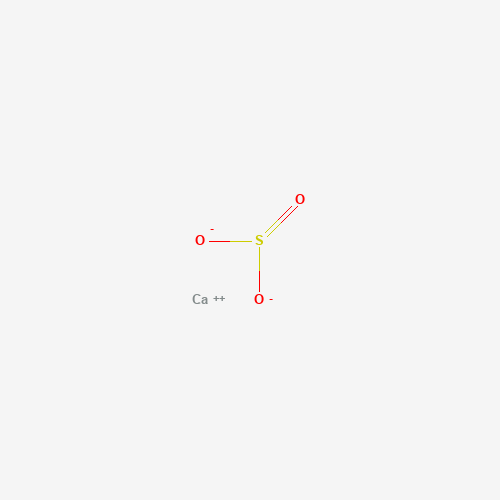
| European UnionEuropean Commission / EFSA | ◐Permitted, with conditions | 41 food categories highest permitted level 2,000 mg/kg Show every food category- 11.1 Sugars and syrups as defined by directive 2001/111/ec — 10 mg/kgPermitted as a member of Sulphur dioxide - sulphites. ML = 10 mg/kg. only sugars, except glucose syrup. Note 3: Maximum levels are expressed as SO 2 and relate to the total quantity, available from all sources, an SO 2 content of not more than 10 mg/kg or 10 mg/l is not considered to be present.
- 11.2 Other sugars and syrups — 40 mg/kgPermitted as a member of Sulphur dioxide - sulphites. ML = 40 mg/kg. Note 3: Maximum levels are expressed as SO 2 and relate to the total quantity, available from all sources, an SO 2 content of not more than 10 mg/kg or 10 mg/l is not considered to be present.
- 12.2.1 Herbs and spices — 150 mg/kgPermitted as a member of Sulphur dioxide - sulphites. ML = 150 mg/kg. only Cinnamon ( Cinnamomum ceylanicum ). Note 3: Maximum levels are expressed as SO 2 and relate to the total quantity, available from all sources, an SO 2 content of not more than 10 mg/kg or 10 mg/l is not considered to be present.
- 12.2.2 Seasonings and condiments — 200 mg/kgPermitted as a member of Sulphur dioxide - sulphites. ML = 200 mg/kg. only citrus-juice-based seasonings. Note 3: Maximum levels are expressed as SO 2 and relate to the total quantity, available from all sources, an SO 2 content of not more than 10 mg/kg or 10 mg/l is not considered to be present.
- 12.3 Vinegars and diluted acetic acid (diluted with water to 4-30 % by volume) — 170 mg/kgPermitted as a member of Sulphur dioxide - sulphites. ML = 170 mg/kg. only fermentation vinegar. Note 3: Maximum levels are expressed as SO 2 and relate to the total quantity, available from all sources, an SO 2 content of not more than 10 mg/kg or 10 mg/l is not considered to be present.
- 12.4 Mustard — 250 mg/kgPermitted as a member of Sulphur dioxide - sulphites. ML = 250 mg/kg. excluding dijon mustard. Note 3: Maximum levels are expressed as SO 2 and relate to the total quantity, available from all sources, an SO 2 content of not more than 10 mg/kg or 10 mg/l is not considered to be present.
- 12.9 Protein products excluding products covered in category 1 8 — 200 mg/kgPermitted as a member of Sulphur dioxide - sulphites. ML = 200 mg/kg. only analogues of meat, fish, crustaceans and cephalopods. Note 3: Maximum levels are expressed as SO 2 and relate to the total quantity, available from all sources, an SO 2 content of not more than 10 mg/kg or 10 mg/l is not considered to be present.
- 14.1.2 Fruit juices as defined by Directive 2001/112/EC and vegetable juices — 2,000 mg/lPermitted as a member of Sulphur dioxide - sulphites. ML = 2000 mg/l. only concentrated grape juice for home wine-making.
- 14.1.4 Flavoured_drinks — 20 mg/lPermitted as a member of Sulphur dioxide - sulphites. ML = 20 mg/l. only carry over from concentrates in non-alcoholic flavoured drinks containing fruit juice.
- 14.2.1 beer and malt beverages — 20 mg/lPermitted as a member of Sulphur dioxide - sulphites. ML = 20 mg/l. Note 3: Maximum levels are expressed as SO 2 and relate to the total quantity, available from all sources, an SO 2 content of not more than 10 mg/kg or 10 mg/l is not considered to be present.
- 14.2.2 Wine and other products defined in Annex VII part II of Regulation (EU) No 1308/2013 — 200 mg/lPermitted as a member of Sulphur dioxide - sulphites. ML = 200 mg/l. only alcohol-free. Note 3: Maximum levels are expressed as SO 2 and relate to the total quantity, available from all sources, an SO 2 content of not more than 10 mg/kg or 10 mg/l is not considered to be present.
- 14.2.3 Cider and perry — 200 mg/lPermitted as a member of Sulphur dioxide - sulphites. ML = 200 mg/l. Note 3: Maximum levels are expressed as SO 2 and relate to the total quantity, available from all sources, an SO 2 content of not more than 10 mg/kg or 10 mg/l is not considered to be present.
- 14.2.4 Fruit wine and made wine — 200 mg/lPermitted as a member of Sulphur dioxide - sulphites. ML = 200 mg/l. Note 3: Maximum levels are expressed as SO 2 and relate to the total quantity, available from all sources, an SO 2 content of not more than 10 mg/kg or 10 mg/l is not considered to be present.
- 14.2.5 Mead — 200 mg/lPermitted as a member of Sulphur dioxide - sulphites. ML = 200 mg/l. Note 3: Maximum levels are expressed as SO 2 and relate to the total quantity, available from all sources, an SO 2 content of not more than 10 mg/kg or 10 mg/l is not considered to be present.
- 14.2.6 Spirit drinks as defined in Regulation (EU) 2019/787 — 50 mg/lPermitted as a member of Sulphur dioxide - sulphites. ML = 50 mg/l. only distilled alcoholic beverages containing whole pears. Note 3: Maximum levels are expressed as SO 2 and relate to the total quantity, available from all sources, an SO 2 content of not more than 10 mg/kg or 10 mg/l is not considered to be present.
- 14.2.7.1 Aromatised wines — 200 mg/lPermitted as a member of Sulphur dioxide - sulphites. ML = 200 mg/l. Note 3: Maximum levels are expressed as SO 2 and relate to the total quantity, available from all sources, an SO 2 content of not more than 10 mg/kg or 10 mg/l is not considered to be present.
- 14.2.7.2 Aromatised wine-based drinks — 200 mg/lPermitted as a member of Sulphur dioxide - sulphites. ML = 200 mg/l. Note 3: Maximum levels are expressed as SO 2 and relate to the total quantity, available from all sources, an SO 2 content of not more than 10 mg/kg or 10 mg/l is not considered to be present.
- 14.2.7.3 Aromatised wine-product cocktails — 200 mg/lPermitted as a member of Sulphur dioxide - sulphites. ML = 200 mg/l. Note 3: Maximum levels are expressed as SO 2 and relate to the total quantity, available from all sources, an SO 2 content of not more than 10 mg/kg or 10 mg/l is not considered to be present.
- 14.2.8 Other alcoholic beverages including mixtures of alcoholic beverages with non-alcoholic beverages and other alcoholic beverages based on distilled alcohol with alcoholic strength by volume less than 15 % — 200 mg/lPermitted as a member of Sulphur dioxide - sulphites. ML = 200 mg/l. only napój winny owocowy, napój winny miodowy, aromatyzowany napój winny owocowy, aromatyzowany napój winny miodowy,. Note 3: Maximum levels are expressed as SO 2 and relate to the total quantity, available from all sources, an SO 2 content of not more than 10 mg/kg or 10 mg/l is not considered to be present.
- 15.1 Potato- cereal- flour- or starch-based snacks — 50 mg/kgPermitted as a member of Sulphur dioxide - sulphites. ML = 50 mg/kg. only cereal- and potato-based snacks. Note 3: Maximum levels are expressed as SO 2 and relate to the total quantity, available from all sources, an SO 2 content of not more than 10 mg/kg or 10 mg/l is not considered to be present.
- 15.2 Processed nuts — 50 mg/kgPermitted as a member of Sulphur dioxide - sulphites. ML = 50 mg/kg. only marinated nuts. Note 3: Maximum levels are expressed as SO 2 and relate to the total quantity, available from all sources, an SO 2 content of not more than 10 mg/kg or 10 mg/l is not considered to be present.
- 4.1.1 entire fresh fruit and vegetables — 10 mg/kgPermitted as a member of Sulphur dioxide - sulphites. ML = 10 mg/kg. only table grapes, fresh lychees (measured on edible parts) and blueberries ( Vaccinium corymbosum). Note 3: Maximum levels are expressed as SO 2 and relate to the total quantity, available from all sources, an SO 2 content of not more than 10 mg/kg or 10 mg/l is not considered to be present.
- 4.1.2 peeled cut and shredded fruit and vegetables — 50 mg/kgPermitted as a member of Sulphur dioxide - sulphites. ML = 50 mg/kg. only peeled potatoes. Note 3: Maximum levels are expressed as SO 2 and relate to the total quantity, available from all sources, an SO 2 content of not more than 10 mg/kg or 10 mg/l is not considered to be present.
- 4.1.3 frozen fruit and vegetables — 50 mg/kgPermitted as a member of Sulphur dioxide - sulphites. ML = 50 mg/kg. only white vegetables including mushrooms and white pulses. Note 3: Maximum levels are expressed as SO 2 and relate to the total quantity, available from all sources, an SO 2 content of not more than 10 mg/kg or 10 mg/l is not considered to be present.
- 4.2.1 dried fruit and vegetables — 50 mg/kgPermitted as a member of Sulphur dioxide - sulphites. ML = 50 mg/kg. only dried coconut. Note 3: Maximum levels are expressed as SO 2 and relate to the total quantity, available from all sources, an SO 2 content of not more than 10 mg/kg or 10 mg/l is not considered to be present.
- 4.2.2 fruit and vegetables in vinegar oil or brine — 100 mg/kgPermitted as a member of Sulphur dioxide - sulphites. ML = 100 mg/kg. except olives and golden peppers in brine. Note 3: Maximum levels are expressed as SO 2 and relate to the total quantity, available from all sources, an SO 2 content of not more than 10 mg/kg or 10 mg/l is not considered to be present.
- 4.2.3 canned or bottled fruit and vegetables — 50 mg/kgPermitted as a member of Sulphur dioxide - sulphites. ML = 50 mg/kg. only white vegetables, including pulses and processed mushrooms. Note 3: Maximum levels are expressed as SO 2 and relate to the total quantity, available from all sources, an SO 2 content of not more than 10 mg/kg or 10 mg/l is not considered to be present.
- 4.2.4.1 fruit and vegetable preparations excluding compote — 50 mg/kgPermitted as a member of Sulphur dioxide - sulphites. ML = 50 mg/kg. only processed white vegetables and mushrooms. Note 3: Maximum levels are expressed as SO 2 and relate to the total quantity, available from all sources, an SO 2 content of not more than 10 mg/kg or 10 mg/l is not considered to be present.
- 4.2.5 jam jellies and marmalades and similar products — 50 mg/kgPermitted as a member of Sulphur dioxide - sulphites. ML = 50 mg/kg. Note 3: Maximum levels are expressed as SO 2 and relate to the total quantity, available from all sources, an SO 2 content of not more than 10 mg/kg or 10 mg/l is not considered to be present.
- 4.2.5.1 Extra jam and extra jelly as defined by Directive 2001/113/EC — 100 mg/kgPermitted as a member of Sulphur dioxide - sulphites. ML = 100 mg/kg. only jams, jellies and marmelades made with sulphited fruit. Note 3: Maximum levels are expressed as SO 2 and relate to the total quantity, available from all sources, an SO 2 content of not more than 10 mg/kg or 10 mg/l is not considered to be present.
- 4.2.5.2 Jam, jellies and marmalades and sweetened chestnut puree as defined by Directive 2001/113/EC — 50 mg/kgPermitted as a member of Sulphur dioxide - sulphites. ML = 50 mg/kg.
- 4.2.5.3 other similar fruit or vegetable spreads — 50 mg/kgPermitted as a member of Sulphur dioxide - sulphites. ML = 50 mg/kg. Note 3: Maximum levels are expressed as SO 2 and relate to the total quantity, available from all sources, an SO 2 content of not more than 10 mg/kg or 10 mg/l is not considered to be present.
- 4.2.6 processed potato products — 400 mg/kgPermitted as a member of Sulphur dioxide - sulphites. ML = 400 mg/kg. only dehydrated potatoes products. Note 3: Maximum levels are expressed as SO 2 and relate to the total quantity, available from all sources, an SO 2 content of not more than 10 mg/kg or 10 mg/l is not considered to be present.
- 5.2 Other confectionery including breath freshening micro-sweets — 100 mg/kgPermitted as a member of Sulphur dioxide - sulphites. ML = 100 mg/kg. only candied, crystallised or glacé fruit, vegetables, angelica and citrus peel. Note 3: Maximum levels are expressed as SO 2 and relate to the total quantity, available from all sources, an SO 2 content of not more than 10 mg/kg or 10 mg/l is not considered to be present.
- 5.4 Decorations, coatings and fillings, except fruit-based fillings covered by category 4.2.4 — 50 mg/kgPermitted as a member of Sulphur dioxide - sulphites. ML = 50 mg/kg. only glucose syrup-based confectionery (carry over from the glucose syrup only). Note 3: Maximum levels are expressed as SO 2 and relate to the total quantity, available from all sources, an SO 2 content of not more than 10 mg/kg or 10 mg/l is not considered to be present.
- 6.1 whole broken or flaked grain — 30 mg/kgPermitted as a member of Sulphur dioxide - sulphites. ML = 30 mg/kg. only sago and pearl barley. Note 3: Maximum levels are expressed as SO 2 and relate to the total quantity, available from all sources, an SO 2 content of not more than 10 mg/kg or 10 mg/l is not considered to be present.
- 6.2.2 starches — 50 mg/kgPermitted as a member of Sulphur dioxide - sulphites. ML = 50 mg/kg. excluding starches in infant formulae, follow-on formulae and processed cereal-based foods and baby foods. Note 3: Maximum levels are expressed as SO 2 and relate to the total quantity, available from all sources, an SO 2 content of not more than 10 mg/kg or 10 mg/l is not considered to be present.
- 7.2 Fine bakery wares — 50 mg/kgPermitted as a member of Sulphur dioxide - sulphites. ML = 50 mg/kg. only dry biscuits. Note 3: Maximum levels are expressed as SO 2 and relate to the total quantity, available from all sources, an SO 2 content of not more than 10 mg/kg or 10 mg/l is not considered to be present.
- 8.2 Meat preparations as defined by Regulation (EC) No 853/2004 — 450 mg/kgPermitted as a member of Sulphur dioxide - sulphites. ML = 450 mg/kg. only breakfast sausages ; Burger meat with a minimum vegetable and/or cereal content of 4 % mixed within the meat. Note 1: The additives may be added individually or in combination.
- 9.1.2 Unprocessed molluscs and crustaceans — 150 mg/kgPermitted as a member of Sulphur dioxide - sulphites. ML = 150 mg/kg. only fresh, frozen and deep-frozen crustaceans and cephalopods; crustaceans of the Penaeidae, Solenoceridae and Aristaeidae family up to 80 units per kg. Note 3: Maximum levels are expressed as SO 2 and relate to the total quantity, available from all sources, an SO 2 content of not more than 10 mg/kg or 10 mg/l is not considered to be present.
- 9.2 Processed fish and fishery products including molluscs and crustaceans — 50 mg/kgPermitted as a member of Sulphur dioxide - sulphites. ML = 50 mg/kg. only cooked crustaceans and cephalopods. Note 3: Maximum levels are expressed as SO 2 and relate to the total quantity, available from all sources, an SO 2 content of not more than 10 mg/kg or 10 mg/l is not considered to be present.
| Regulation (EC) No 1333/2008, Annex IIand 40 further provisionsretrieved 2026-10-18 |
|---|
| Great BritainFood Standards Agency / Food Standards Scotland | ◐Permitted, with conditions | 40 food categories highest permitted level 450 mg/kg or mg/l Show every food category- 11.1 Sugars and syrups as defined by Directive 2001/111/EC — several limitsPermitted as a member of E 220–228: Sulphur dioxide — sulphites. (1) ML 10: only sugars, except glucose syrup; (2) ML 20: only glucose syrup, whether or not dehydrated. Note (3): Maximum levels are expressed as SO 2 relate to the total quantity, available from all sources, an SO 2 content of not more than 10 mg/kg or 10 mg/l is not considered to be present.
- 11.2 Other sugars and syrups — several limitsPermitted as a member of E 220–228: Sulphur dioxide — sulphites. (1) ML 40: no further restriction; (2) ML 70: only treacle and molasses. Note (3): Maximum levels are expressed as SO 2 relate to the total quantity, available from all sources, an SO 2 content of not more than 10 mg/kg or 10 mg/l is not considered to be present.
- 12.2.1 Herbs and spices — 150 mg/kg or mg/lPermitted as a member of E 220–228: Sulphur dioxide — sulphites. ML = 150. only cinnamon ( Cinnamomum ceylanicum ). Note (3): Maximum levels are expressed as SO 2 relate to the total quantity, available from all sources, an SO 2 content of not more than 10 mg/kg or 10 mg/l is not considered to be present.
- 12.2.2 Seasonings and condiments — 200 mg/kg or mg/lPermitted as a member of E 220–228: Sulphur dioxide — sulphites. ML = 200. only citrus-juice-based seasonings. Note (3): Maximum levels are expressed as SO 2 relate to the total quantity, available from all sources, an SO 2 content of not more than 10 mg/kg or 10 mg/l is not considered to be present.
- 12.3 Vinegars and diluted acetic acid (diluted with water to 4-30 % by volume) — 170 mg/kg or mg/lPermitted as a member of E 220–228: Sulphur dioxide — sulphites. ML = 170. only fermentation vinegar. Note (3): Maximum levels are expressed as SO 2 relate to the total quantity, available from all sources, an SO 2 content of not more than 10 mg/kg or 10 mg/l is not considered to be present.
- 12.4 Mustard — several limitsPermitted as a member of E 220–228: Sulphur dioxide — sulphites. (1) ML 250: excluding Dijon mustard; (2) ML 500: only Dijon mustard. Note (3): Maximum levels are expressed as SO 2 relate to the total quantity, available from all sources, an SO 2 content of not more than 10 mg/kg or 10 mg/l is not considered to be present.
- 12.9 Protein products, excluding products covered in category 1.8 — several limitsPermitted as a member of E 220–228: Sulphur dioxide — sulphites. (1) ML 200: only analogues of meat, fish, crustaceans and cephalopods; (2) ML 50: only gelatine. Note (3): Maximum levels are expressed as SO 2 relate to the total quantity, available from all sources, an SO 2 content of not more than 10 mg/kg or 10 mg/l is not considered to be present.
- 14.1.2 Fruit juices as defined by Directive 2001/112/EC and vegetable juices — several limitsPermitted as a member of E 220–228: Sulphur dioxide — sulphites. (1) ML 2000: only concentrated grape juice for home wine-making; (2) ML 50: only orange, grapefruit, apple and pineapple juice for bulk dispensing in catering establishments; (3) ML 350: only lime and lemon juice; (4) ML 70: only grape juice, unfermented, for sacramental use. Note (3): Maximum levels are expressed as SO 2 relate to the total quantity, available from all sources, an SO 2 content of not more than 10 mg/kg or 10 mg/l is not considered to be present.
- 14.1.4 Flavoured drinks — several limitsPermitted as a member of E 220–228: Sulphur dioxide — sulphites. (1) ML 20: only carry over from concentrates in non-alcoholic flavoured drinks containing fruit juice; (2) ML 50: only non-alcoholic flavoured drinks containing at least 235 g/l glucose syrup; (3) ML 350: only concentrates based on fruit juice and containing not less than 2,5 % barley (barley water); (4) ML 250: only other concentrates based on fruit juice or comminuted fruit; capilé, groselha. Note (3): Maximum levels are expressed as SO 2 relate to the total quantity, available from all sources, an SO 2 content of not more than 10 mg/kg or 10 mg/l is not considered to be present.
- 14.2.1 Beer and malt beverages — several limitsPermitted as a member of E 220–228: Sulphur dioxide — sulphites. (1) ML 20: no further restriction; (2) ML 50: only beer with a second fermentation in the cask. Note (3): Maximum levels are expressed as SO 2 relate to the total quantity, available from all sources, an SO 2 content of not more than 10 mg/kg or 10 mg/l is not considered to be present.
- 14.2.2 Wine and other products defined by Regulation (EEC) No 1234/2007, and alcohol-free counterparts — 200 mg/kg or mg/lPermitted as a member of E 220–228: Sulphur dioxide — sulphites. ML = 200. only alcohol-free. Note (3): Maximum levels are expressed as SO 2 relate to the total quantity, available from all sources, an SO 2 content of not more than 10 mg/kg or 10 mg/l is not considered to be present.
- 14.2.3 Cider and perry — 200 mg/kg or mg/lPermitted as a member of E 220–228: Sulphur dioxide — sulphites. ML = 200. Note (3): Maximum levels are expressed as SO 2 relate to the total quantity, available from all sources, an SO 2 content of not more than 10 mg/kg or 10 mg/l is not considered to be present.
- 14.2.4 Fruit wine and made wine — several limitsPermitted as a member of E 220–228: Sulphur dioxide — sulphites. (1) ML 200: no further restriction; (2) ML 260: only made wine. Note (3): Maximum levels are expressed as SO 2 relate to the total quantity, available from all sources, an SO 2 content of not more than 10 mg/kg or 10 mg/l is not considered to be present.
- 14.2.5 Mead — 200 mg/kg or mg/lPermitted as a member of E 220–228: Sulphur dioxide — sulphites. ML = 200. Note (3): Maximum levels are expressed as SO 2 relate to the total quantity, available from all sources, an SO 2 content of not more than 10 mg/kg or 10 mg/l is not considered to be present.
- 14.2.6 Spirit drinks as defined in Regulation (EC) No 110/2008 — 50 mg/kg or mg/lPermitted as a member of E 220–228: Sulphur dioxide — sulphites. ML = 50. only distilled alcoholic beverages containing whole pears. Note (3): Maximum levels are expressed as SO 2 relate to the total quantity, available from all sources, an SO 2 content of not more than 10 mg/kg or 10 mg/l is not considered to be present.
- 14.2.7.1 Aromatised wines — 200 mg/kg or mg/lPermitted as a member of E 220–228: Sulphur dioxide — sulphites. ML = 200. Note (3): Maximum levels are expressed as SO 2 relate to the total quantity, available from all sources, an SO 2 content of not more than 10 mg/kg or 10 mg/l is not considered to be present.
- 14.2.7.2 Aromatised wine-based drinks — 200 mg/kg or mg/lPermitted as a member of E 220–228: Sulphur dioxide — sulphites. ML = 200. Note (3): Maximum levels are expressed as SO 2 relate to the total quantity, available from all sources, an SO 2 content of not more than 10 mg/kg or 10 mg/l is not considered to be present.
- 14.2.7.3 Aromatised wine-product cocktails — 200 mg/kg or mg/lPermitted as a member of E 220–228: Sulphur dioxide — sulphites. ML = 200. Note (3): Maximum levels are expressed as SO 2 relate to the total quantity, available from all sources, an SO 2 content of not more than 10 mg/kg or 10 mg/l is not considered to be present.
- 14.2.8 Other alcoholic drinks including mixtures of alcoholic drinks with non-alcoholic drinks and spirits with less than 15 % of alcohol — several limitsPermitted as a member of E 220–228: Sulphur dioxide — sulphites. (1) ML 200: only nalewka na winie owocowym, aromatyzowana nalewka na winie owocowym, nalewka na winie z soku winogronowego, aromatyzowana nalewka na winie z soku winogronowego, napój winny owocowy lub miodowy, aromatyzowany napój winny owocowy lub miodowy, wino owocowe niskoalkoholowe and aromatyzowane wino owocowe niskoalkoholowe; (2) ML 20: only in fermented grape must-based drinks Period of application: From 25 December 2012 . Note (3): Maximum levels are expressed as SO 2 relate to the total quantity, available from all sources, an SO 2 content of not more than 10 mg/kg or 10 mg/l is not considered to be present.
- 15.1 Potato-, cereal-, flour- or starch-based snacks — 50 mg/kg or mg/lPermitted as a member of E 220–228: Sulphur dioxide — sulphites. ML = 50. only cereal- and potato-based snacks. Note (3): Maximum levels are expressed as SO 2 relate to the total quantity, available from all sources, an SO 2 content of not more than 10 mg/kg or 10 mg/l is not considered to be present.
- 15.2 Processed nuts — 50 mg/kg or mg/lPermitted as a member of E 220–228: Sulphur dioxide — sulphites. ML = 50. only marinated nuts. Note (3): Maximum levels are expressed as SO 2 relate to the total quantity, available from all sources, an SO 2 content of not more than 10 mg/kg or 10 mg/l is not considered to be present.
- 4.1.1 Entire fresh fruit and vegetables — several limitsPermitted as a member of E 220–228: Sulphur dioxide — sulphites. (1) ML 10: only table grapes, fresh lychees (measured on edible parts) and blueberries ( Vaccinium corymbosum ); (2) ML 100: only vacuum-packed sweetcorn. Note (3): Maximum levels are expressed as SO 2 relate to the total quantity, available from all sources, an SO 2 content of not more than 10 mg/kg or 10 mg/l is not considered to be present.
- 4.1.2 Peeled, cut and shredded fruit and vegetables — several limitsPermitted as a member of E 220–228: Sulphur dioxide — sulphites. (1) ML 50: only peeled potatoes; (2) ML 300: only onion, garlic and shallot pulp; (3) ML 800: only horseradish pulp. Note (3): Maximum levels are expressed as SO 2 relate to the total quantity, available from all sources, an SO 2 content of not more than 10 mg/kg or 10 mg/l is not considered to be present.
- 4.1.3 Frozen fruit and vegetables — several limitsPermitted as a member of E 220–228: Sulphur dioxide — sulphites. (1) ML 50: only white vegetables including mushrooms and white pulses; (2) ML 100: only frozen and deep-frozen potatoes. Note (3): Maximum levels are expressed as SO 2 relate to the total quantity, available from all sources, an SO 2 content of not more than 10 mg/kg or 10 mg/l is not considered to be present.
- 4.2.1 Dried fruit and vegetables — several limitsPermitted as a member of E 220–228: Sulphur dioxide — sulphites. (1) ML 50: only dried coconut; (2) ML 50: only white vegetables, processed, including pulses; (3) ML 100: only dried mushrooms; (4) ML 150: only dried ginger; (5) ML 200: only dried tomatoes; (6) ML 400: only white vegetables, dried; (7) ML 500: only dried fruit and nuts in shell excluding dried apples, pears, bananas, apricots, peaches, grapes, prunes and figs; (8) ML 600: only dried apples and pears; (9) ML 1000: only dried bananas; (10) ML 2000: only dried apricots, peaches, grapes, prunes, and figs. Note (3): Maximum levels are expressed as SO 2 relate to the total quantity, available from all sources, an SO 2 content of not more than 10 mg/kg or 10 mg/l is not considered to be present.
- 4.2.2 Fruit and vegetables in vinegar, oil, or brine — several limitsPermitted as a member of E 220–228: Sulphur dioxide — sulphites. (1) ML 100: except olives and golden peppers in brine; (2) ML 500: only golden peppers in brine. Note (3): Maximum levels are expressed as SO 2 relate to the total quantity, available from all sources, an SO 2 content of not more than 10 mg/kg or 10 mg/l is not considered to be present.
- 4.2.3 Canned or bottled fruit and vegetables — several limitsPermitted as a member of E 220–228: Sulphur dioxide — sulphites. (1) ML 50: only white vegetables, including pulses and processed mushrooms; (2) ML 250: only bottled, sliced lemon; (3) ML 100: only bottled whiteheart cherries; vacuum-packed sweetcorn. Note (3): Maximum levels are expressed as SO 2 relate to the total quantity, available from all sources, an SO 2 content of not more than 10 mg/kg or 10 mg/l is not considered to be present.
- 4.2.4.1 Fruit and vegetable preparations excluding compote — several limitsPermitted as a member of E 220–228: Sulphur dioxide — sulphites. (1) ML 50: only processed white vegetables and mushrooms; (2) ML 100: only rehydrated dried fruit and lychees, mostarda di frutta; (3) ML 300: only onion, garlic and shallot pulp; (4) ML 800: only horseradish pulp; (5) ML 800: only jellying fruit extract, liquid pectin for sale to the final consumer. Note (3): Maximum levels are expressed as SO 2 relate to the total quantity, available from all sources, an SO 2 content of not more than 10 mg/kg or 10 mg/l is not considered to be present.
- 4.2.5.1 Extra jam and extra jelly as defined by Directive 2001/113/EC — 100 mg/kg or mg/lPermitted as a member of E 220–228: Sulphur dioxide — sulphites. ML = 100. only jams, jellies and mermelades made with sulphited fruit. Note (3).
- 4.2.5.2 Jam, jellies and marmalades and sweetened chestnut puree as defined by Directive 2001/113/EC — several limitsPermitted as a member of E 220–228: Sulphur dioxide — sulphites. (1) ML 50: no further restriction; (2) ML 100: only jams, jellies and marmalades made with sulphited fruit. Note (3).
- 4.2.5.3 Other similar fruit or vegetable spreads — 50 mg/kg or mg/lPermitted as a member of E 220–228: Sulphur dioxide — sulphites. ML = 50. Note (3): Maximum levels are expressed as SO 2 relate to the total quantity, available from all sources, an SO 2 content of not more than 10 mg/kg or 10 mg/l is not considered to be present.
- 4.2.6 Processed potato products — several limitsPermitted as a member of E 220–228: Sulphur dioxide — sulphites. (1) ML 400: only dehydrated potatoes products; (2) ML 100: no further restriction. Note (3): Maximum levels are expressed as SO 2 relate to the total quantity, available from all sources, an SO 2 content of not more than 10 mg/kg or 10 mg/l is not considered to be present.
- 5.2 Other confectionery including breath refreshening microsweets — several limitsPermitted as a member of E 220–228: Sulphur dioxide — sulphites. (1) ML 100: only candied, crystallised or glacé fruit, vegetables, angelica and citrus peel; (2) ML 50: only glucose syrup-based confectionery (carry over from the glucose syrup only). Note (3): Maximum levels are expressed as SO 2 relate to the total quantity, available from all sources, an SO 2 content of not more than 10 mg/kg or 10 mg/l is not considered to be present.
- 5.4 Decorations, coatings and fillings, except fruit based fillings covered by category 4.2.4 — several limitsPermitted as a member of E 220–228: Sulphur dioxide — sulphites. (1) ML 50: only glucose syrup-based confectionery (carry over from the glucose syrup only); (2) ML 40: only toppings (syrups for pancakes, flavoured syrups for milkshakes and ice cream; similar products); (3) ML 100: only fruit fillings for pastries. Note (3): Maximum levels are expressed as SO 2 relate to the total quantity, available from all sources, an SO 2 content of not more than 10 mg/kg or 10 mg/l is not considered to be present.
- 6.1 Whole, broken, or flaked grain — 30 mg/kg or mg/lPermitted as a member of E 220–228: Sulphur dioxide — sulphites. ML = 30. only sago and pearl barley. Note (3): Maximum levels are expressed as SO 2 relate to the total quantity, available from all sources, an SO 2 content of not more than 10 mg/kg or 10 mg/l is not considered to be present.
- 6.2.2 Starches — 50 mg/kg or mg/lPermitted as a member of E 220–228: Sulphur dioxide — sulphites. ML = 50. excluding starches in infant formulae, follow on formulae and processed cereal-based foods and baby foods. Note (3): Maximum levels are expressed as SO 2 relate to the total quantity, available from all sources, an SO 2 content of not more than 10 mg/kg or 10 mg/l is not considered to be present.
- 7.2 Fine bakery wares — 50 mg/kg or mg/lPermitted as a member of E 220–228: Sulphur dioxide — sulphites. ML = 50. only dry biscuits. Note (3): Maximum levels are expressed as SO 2 and relate to the total quantity, available from all sources, an SO 2 content of not more than 10 mg/kg or 10 mg/l is not considered to be present.
- 8.2 Meat preparations as defined by Regulation (EC) No 853/2004 — 450 mg/kg or mg/lPermitted as a member of E 220–228: Sulphur dioxide — sulphites. (1) ML 450: only breakfast sausages ; Burger meat with a minimum vegetable and/or cereal content of 4 % mixed within the meat; (2) ML 450: only salsicha fresca, longaniza fresca, butifarra fresca. Note (1): The additives may be added individually or in combination. Note (3): Maximum levels are expressed as SO 2 relate to the total quantity, available from all sources, an SO 2 content of not more than 10 mg/kg or 10 mg/l is not considered to be present.
- 9.1.2 Unprocessed molluscs and crustaceans — several limitsPermitted as a member of E 220–228: Sulphur dioxide — sulphites. (1) ML 150: only fresh, frozen and deep-frozen crustaceans and cephalopods; crustaceans of the Penaeidae, Solenoceridae and Aristaeidae family up to 80 units per kg; (2) ML 200: only crustaceans of the Penaeidae, Solenoceridae and Aristaeidae family between 80 and 120 units per kg; (3) ML 300: only crustaceans of the Penaeidae, Solenoceridae and Aristaeidae family over 120 units per kg. Note (3): Maximum levels are expressed as SO 2 relate to the total quantity, available from all sources, an SO 2 content of not more than 10 mg/kg or 10 mg/l is not considered to be present. Note (10): Maximum limits in edible parts.
- 9.2 Processed fish and fishery products including mollusks and crustaceans — several limitsPermitted as a member of E 220–228: Sulphur dioxide — sulphites. (1) ML 50: only cooked crustaceans and cephalopods; (2) ML 135: only cooked crustaceans of the Penaeidae, Solenoceridae and Aristaeidae family up to 80 units per kg; (3) ML 180: only cooked crustaceans of the Penaeidae, Solenoceridae and Aristaeidae family between 80 and 120 units per kg; (4) ML 200: only dried salted fish of the ‘ Gadidae ’ species; (5) ML 270: only cooked crustaceans of the Penaeidae, Solenoceridae and Aristaeidae family over 120 units per kg. Note (3): Maximum levels are expressed as SO 2 relate to the total quantity, available from all sources, an SO 2 content of not more than 10 mg/kg or 10 mg/l is not considered to be present. Note (10): Maximum limits in edible parts.
| Assimilated Regulation (EC) No 1333/2008, Annex II (as at 28 June 2024)and 39 further provisionsretrieved 2026-10-18 |
|---|