Coumarin
103802-83-1 · 91-64-5 · 1,2-Benzopyrone · 1-benzopyran-2-one · 2-Oxo-1,2-benzopyran · 2-oxo-2H-1-benzopyran · 2-Propenoic acid, 3-(2-hydroxyphenyl)-, .delta.-lactone · 2-Propenoic acid, 3-(2-hydroxyphenyl)-, d-lactone · 2-Propenoic acid, 3-(2-hydroxyphenyl)-, delta-lactone · 2-Propenoic acid, 3-(2-hydroxyphenyl)-delta-lactone · 2H-1-Benzopyran, 2-oxo- · 2H-1-Benzopyran-2-one · 2H-Benzo(b)pyran-2-one · 2H-Benzopyran-2-one · 2H-Chromen-2-one · 2h-chromene-2-one · 3-(2-Hydroxyphenyl)-2-propenoic delta-lactone · 5,6-Benzo-2-pyrone · 5,6-Benzo-alpha-pyrone · a coumarin · Benzo-.alpha.-pyrone · Benzo-a-pyrone · Benzo-alpha-pyrone · benzopyranone · benzopyrylium olate · BRN 0383644 · CAS-91-64-5 · Caswell No. 259C · CCRIS 181 · chromen-2-one · chromen-one · chromenone · Cinnamic acid, o-hydroxy-, delta-lactone · cis-o-Coumaric acid anhydride · cis-o-Coumarinic acid lactone · COU · Coumarin · Coumarin (prohibited) · Coumarin 1513 · Coumarin CRS · Coumarin Phenolic · Coumarin, >=98% · coumarin- · Coumarine · Coumarinic anhydride · Coumarinic lactone · Coumarinum · cumarin · EPA Pesticide Chemical Code 127301 · HSDB 1623 · Kumarin · Lodema · NCI C07103 · o-Coumaric acid lactone · o-hydroxycinnamic acid delta-lactone · o-Hydroxycinnamic acid lactone · o-Hydroxycinnamic lactone · o-Hydroxyzimtsaure-lacton · Rattex · Tonka bean camphor · chromen-2-one · CoumarinCAS 91-64-5
Listed as a flavouring agent by the US.
Listed as flavouring agents and adjuvants (US)
- United States: Flavoring agent or adjuvant — FDA, Substances Added to Food: COUMARIN--PROHIBITED
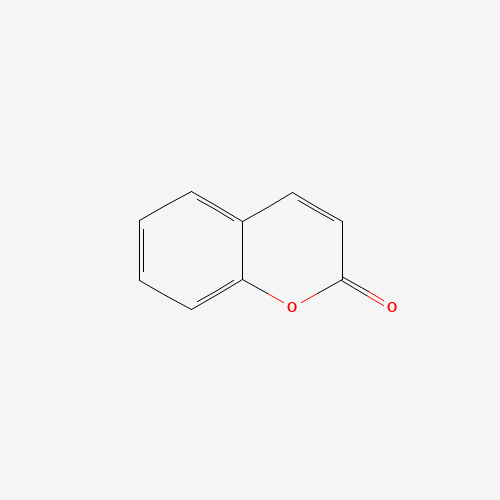
Coumarin is a sweet, hay-scented compound found naturally in tonka beans, cassia cinnamon and sweet clover. The FDA prohibited its use as an added food ingredient in the United States in 1954; it may still be present in food naturally, for example in cassia cinnamon.
Where it is and isn’t permitted
| Jurisdiction | Status | Scope and limits | Citation |
|---|---|---|---|
| Australia and New Zealand | No listed food uses foundThis site has not matched this substance to any food use on this jurisdiction’s list of authorised food additives. A food additive may be used only in foods that list names. Flavourings, enzymes, processing aids and added nutrients are regulated separately and do not appear on it. | ||
| Canada | No listing matchedHealth Canada’s lists name additives without E or INS numbers, so this site matches them by exact name. A substance listed there under a name this site does not recognise has no row here. | ||
| European Union | No listed food uses foundThis site has not matched this substance to any food use on this jurisdiction’s list of authorised food additives. A food additive may be used only in foods that list names. Flavourings, enzymes, processing aids and added nutrients are regulated separately and do not appear on it. | ||
| Great Britain | No listed food uses foundThis site has not matched this substance to any food use on this jurisdiction’s list of authorised food additives. A food additive may be used only in foods that list names. Flavourings, enzymes, processing aids and added nutrients are regulated separately and do not appear on it. | ||
| Japan | No listing matchedThis site imports only Japan’s list of designated additives (Appended Table 1 to the Regulations for Enforcement of the Food Sanitation Act), matched by English name. Existing additives, natural flavouring agents and ordinary foods used as additives are permitted outside that list and are not imported, so an empty row does not show that Japan does not permit the substance. | ||
| South Korea | No listing matchedThis site imports Part III of South Korea’s Standards and Specifications for Food Additives, matched by CAS number, then INS number, then exact name. Mixed preparations and sanitisers are not imported, and an entry whose identifiers disagreed with a page’s is held for review, so an empty row does not show that South Korea does not permit the substance. | ||
| United States | Prohibited | 21 CFR 189.130retrieved 2026-10-17 | |
| Codex Alimentarius | Not listedDoes not appear on this jurisdiction’s permitted list. That is not the same as being prohibited. |
What it is made from
Occurs naturally in tonka beans and several plants, and can also be synthesised from salicylaldehyde. The prohibition applies to coumarin added to food, not to its natural presence in spices and other plant material.
- Vegan
- Vegetarian
Compare other additives on the dietary indexes.
- CAS registry number
- 91-64-5
- InChIKey
- ZYGHJZDHTFUPRJ-UHFFFAOYSA-N
- PubChem
- CID 323
Every name it appears under
62 recorded names. A label may use any of them.
CAS registry number
- 103802-83-1
- 91-64-5
As it appears in regulation
- Coumarin
Other names
- 1,2-Benzopyrone
- 1-benzopyran-2-one
- 2-Oxo-1,2-benzopyran
- 2-oxo-2H-1-benzopyran
- 2-Propenoic acid, 3-(2-hydroxyphenyl)-, .delta.-lactone
- 2-Propenoic acid, 3-(2-hydroxyphenyl)-, d-lactone
- 2-Propenoic acid, 3-(2-hydroxyphenyl)-, delta-lactone
- 2-Propenoic acid, 3-(2-hydroxyphenyl)-delta-lactone
- 2H-1-Benzopyran, 2-oxo-
- 2H-1-Benzopyran-2-one
- 2H-Benzo(b)pyran-2-one
- 2H-Benzopyran-2-one
- 2H-Chromen-2-one
- 2h-chromene-2-one
- 3-(2-Hydroxyphenyl)-2-propenoic delta-lactone
- 5,6-Benzo-2-pyrone
- 5,6-Benzo-alpha-pyrone
- a coumarin
- Benzo-.alpha.-pyrone
- Benzo-a-pyrone
- Benzo-alpha-pyrone
- benzopyranone
- benzopyrylium olate
- BRN 0383644
- CAS-91-64-5
- Caswell No. 259C
- CCRIS 181
- chromen-2-one
- chromen-one
- chromenone
- Cinnamic acid, o-hydroxy-, delta-lactone
- cis-o-Coumaric acid anhydride
- cis-o-Coumarinic acid lactone
- COU
- Coumarin
- Coumarin (prohibited)
- Coumarin 1513
- Coumarin CRS
- Coumarin Phenolic
- Coumarin, >=98%
- coumarin-
- Coumarine
- Coumarinic anhydride
- Coumarinic lactone
- Coumarinum
- cumarin
- EPA Pesticide Chemical Code 127301
- HSDB 1623
- Kumarin
- Lodema
- NCI C07103
- o-Coumaric acid lactone
- o-hydroxycinnamic acid delta-lactone
- o-Hydroxycinnamic acid lactone
- o-Hydroxycinnamic lactone
- o-Hydroxyzimtsaure-lacton
- Rattex
- Tonka bean camphor
Systematic names
- chromen-2-one
Hazard reference values
No reference value for this substance in the sources we hold.
Evidence and how bodies read it
Studies, and the differing conclusions regulators drew from them, are curated rather than machine-read, and none has been written for this substance yet.
Common questions
Assembled from what is above, in the words the questions are usually asked in. Each answer is the same statement the relevant section makes, with the same citations behind it.
- What is Coumarin?
- Coumarin is a sweet, hay-scented compound found naturally in tonka beans, cassia cinnamon and sweet clover. The FDA prohibited its use as an added food ingredient in the United States in 1954; it may still be present in food naturally, for example in cassia cinnamon.
- What is Coumarin used for in food?
- It is listed as a flavouring agent — the role the US assigns it. This page shows every function each regulator records, with the citation for each.
- Is Coumarin vegan?
- Yes. Coumarin is not derived from animals, and is suitable for vegetarians. This page says what it is made from and how.
Sources for this page
- ecfr retrieved 2026-10-17
Full licence terms and publisher details on Sources. How this page is built and updated: Method.
Machine-readable: a JSON record of this additive is given on request —how to ask for access.
Follow changes to Coumarin:Atom feed — regulatory events, and any change the weekly refresh detects in its provisions.