| Australia and New ZealandFood Standards Australia New Zealand | ◐Permitted, with conditions | 47 food categories no numerical limit (good manufacturing practice) Show every food category- 0.2 Colourings — GMP
- 0.3 Flavourings — GMP
- 1.1.2 Liquid milk products and flavoured liquid milk — GMP
- 1.2.2 Fermented milk products and rennetted milk products — GMP
- 1.3 Condensed milk and evaporated milk — GMP
- 1.4.2 Cream products (flavoured, whipped, thickened, sour cream etc) — GMP
- 1.5 Dried milk, milk powder, cream powder — GMP
- 1.6 Cheese and cheese products — GMP
- 11.1.1 Rainbow sugar — GMP
- 11.4 Tabletop sweeteners — GMP
- 12.1.2 Reduced sodium salt mixture — GMP
- 12.1.3 Salt substitute — GMP
- 12.3 Vinegars and related products — GMP
- 12.5 Yeast and yeast products — GMP
- 12.6 Vegetable protein products — GMP
- 13.3 Formulated meal replacements and formulated supplementary foods — GMP
- 13.4 Formulated supplementary sports foods — GMP
- 13.5 Food for special medical purposes — GMP
- 14.1.1.2 Carbonated, mineralised and soda waters — GMP
- 14.1.2.1 Fruit and vegetable juices — GMPFor juice separated by other than mechanical means only.
- 14.1.2.2 Fruit and vegetable juice products — GMP
- 14.1.3 Water based flavoured drinks — GMP
- 14.1.4 Formulated Beverages — GMP
- 14.2.3 Wine based drinks and reduced alcohol wines — GMP
- 14.2.4.1 Fruit wine products and vegetable wine products — GMP
- 14.2.5 Spirits and liqueurs — GMP
- 14.3 Alcoholic beverages not included in item 14.2 — GMP
- 2.1 Edible oils essentially free of water — GMPNot for olive oil.
- 2.2.1.2 Butter products — GMP
- 2.2.1.3 Margarine and similar products — GMP
- 2.2.2 Oil emulsions (<80% oil) — GMP
- 20 Foods not included in items 0 to 14 — GMP
- 3 Ice cream and edible ices — GMP
- 4.3 Processed fruits and vegetables — GMP
- 5.1 Chocolate and cocoa products — GMPPermitted on the surface of chocolate only.
- 5.2 Sugar confectionery — GMP
- 5.4 Icings and frostings — GMP
- 6.3 Processed cereal and meal products — GMP
- 6.4 Flour products (including noodles and pasta) — GMP
- 7 Breads and bakery products — GMP
- 8.2 Processed meat, poultry and game products in whole cuts or pieces — GMP
- 8.3 Processed comminuted meat, poultry and game products, other than products listed in item 8.3.2 — GMPNot for sausage or sausage meat containing raw, unprocessed meat.
- 8.4 Edible casings — GMP
- 8.5 Animal protein products — GMP
- 9.2 Processed fish and fish products — GMP
- 9.3 Semi preserved fish and fish products — GMP
- 9.4 Fully preserved fish including canned fish products — GMP
| Food Standards Code, Schedule 15, S15—5and 46 further provisionsretrieved 2026-10-17 |
|---|
| CanadaHealth Canada | ○No listing matchedHealth Canada’s lists name additives without E or INS numbers, so this site matches them by exact name. A substance listed there under a name this site does not recognise has no row here. | — | — |
|---|
| European UnionEuropean Commission / EFSA | ◐Permitted, with conditions | 38 food categories highest permitted level 500 mg/l Show every food category- 1.4 flavoured fermented milk products including heat-treated products — 150 mg/lPermitted as a member of Group III, Colours with combined maximum limit. ML = 150 mg/l. Period of application: from 1 August 2014. Note 74: Maximum limit for aluminium coming from all aluminium lakes 15 mg/kg. For the purposes of Article 22 (1) (g) of Regulation (EC) No 1333/2008 that limit shall apply from 1 February 2013.
- 1.6.3 other creams — 150 mg/kgPermitted as a member of Group III, Colours with combined maximum limit. ML = 150 mg/kg. only flavoured creams.
- 1.7.1 unripened cheese excluding products falling in category 16 — 150 mg/kgPermitted as a member of Group III, Colours with combined maximum limit. ML = 150 mg/kg. only flavoured unripened cheese.
- 1.7.3 edible cheese rind — quantum satisPermitted as a member of Group III, Colours with combined maximum limit. quantum satis. Period of application: from 1 August 2014. Note 67: Maximum limit for aluminium coming from aluminium lakes of E 120 cochineal, carminic acid, carmines and E 180 litholrubine BK 10 mg/kg. No other aluminium lakes may be used. For the purposes of Article 22 (1) (g) of Regulation (EC) No 1333/2008 that limit shall apply from 1 February 2013.
- 1.7.5 processed cheese — 100 mg/kgML = 100 mg/kg. only flavoured processed cheese. Note 33: Maximum individually or for the combination of E 100, E 102, E 120, E 122, E 160e and E 161b.
- 1.7.6 cheese products (excluding products falling in category 16) — 100 mg/kgPermitted as a member of Group III, Colours with combined maximum limit. ML = 100 mg/kg. only flavoured unripened products.
- 12.4 Mustard — 300 mg/kgPermitted as a member of Group III, Colours with combined maximum limit. ML = 300 mg/kg.
- 12.5 Soups and broths — 50 mg/kgPermitted as a member of Group III, Colours with combined maximum limit. ML = 50 mg/kg.
- 12.9 Protein products excluding products covered in category 1 8 — 100 mg/kgPermitted as a member of Group III, Colours with combined maximum limit. ML = 100 mg/kg. only meat and fish analouges based on vegetable proteins.
- 13.2 Foods for special medical purposes as defined by Regulation (EU) No 609/2013 (excluding products from food category 13.1.5.) — 50 mg/kgPermitted as a member of Group III, Colours with combined maximum limit. ML = 50 mg/kg.
- 13.3 Total diet replacement for weight control food as defined by Regulation (EU) No 609/2013 — 50 mg/kgPermitted as a member of Group III, Colours with combined maximum limit. ML = 50 mg/kg.
- 14.2.3 Cider and perry — 200 mg/lPermitted as a member of Group III, Colours with combined maximum limit. ML = 200 mg/l. excluding cidre bouché, cydr jakościowy, perry jakościowe, cydr lodowy, perry lodowe.
- 14.2.4 Fruit wine and made wine — 200 mg/lPermitted as a member of Group III, Colours with combined maximum limit. ML = 200 mg/l. excluding wino owocowe jakościowe.
- 14.2.6 Spirit drinks as defined in Regulation (EU) 2019/787 — 200 mg/lPermitted as a member of Group III, Colours with combined maximum limit. ML = 200 mg/l. except: spirit drinks as defined in categories 1-17, 22, 36, 37 and 41 of Annex I of Regulation (EU) 2019/787. Note 87: Maximum limit for aluminium coming from aluminium lakes of E 120 cochineal, carminic acid, carmines 1,5 mg/kg. No other aluminium lakes may be used. For the purposes of Article 22(1)(g) of Regulation (EC) No 1333/2008 that limit shall apply from 1 February 2013.
- 14.2.7.1 Aromatised wines — 100 mg/lML = 100 mg/l. only americano, bitter vino. Note 26: In americano E 100, E 101, E 102, E 104, E 120, E 122, E 123, E 124 are authorised individually or in combination.
- 14.2.7.2 Aromatised wine-based drinks — 100 mg/lML = 100 mg/l. only bitter soda. Note 28: In bitter soda E 100, E 101, E 102, E 104, E 110, E 120, E 122, E 123, E 124, E 129 are authorised individually or in combination.
- 14.2.7.3 Aromatised wine-product cocktails — 200 mg/lPermitted as a member of Group III, Colours with combined maximum limit. ML = 200 mg/l. Note 87: Maximum limit for aluminium coming from aluminium lakes of E 120 cochineal, carminic acid, carmines 1,5 mg/kg. No other aluminium lakes may be used. For the purposes of Article 22(1)(g) of Regulation (EC) No 1333/2008 that limit shall apply from 1 February 2013.
- 14.2.8 Other alcoholic beverages including mixtures of alcoholic beverages with non-alcoholic beverages and other alcoholic beverages based on distilled alcohol with alcoholic strength by volume less than 15 % — 200 mg/lPermitted as a member of Group III, Colours with combined maximum limit. ML = 200 mg/l. only alcoholic beverages with alcoholic strength by volume less than 15 %. Note 87: Maximum limit for aluminium coming from aluminium lakes of E 120 cochineal, carminic acid, carmines 1,5 mg/kg. No other aluminium lakes may be used. For the purposes of Article 22(1)(g) of Regulation (EC) No 1333/2008 that limit shall apply from 1 February 2013.
- 15.2 Processed nuts — 100 mg/kgPermitted as a member of Group III, Colours with combined maximum limit. ML = 100 mg/kg. only savoury coated nuts.
- 17.2 food supplements supplied in a liquid form excluding food supplements for Infants and young children — 100 mg/lPermitted as a member of Group III, Colours with combined maximum limit. ML = 100 mg/l.
- 18.2 Meal replacement for weight control as referred to in Commission Regulation (EU) No 432/2012 — 50 mg/kgPermitted as a member of Group III, Colours with combined maximum limit. ML = 50 mg/kg.
- 2.1 fats and oils essentially free from water (excluding anhydrous milk fat) — quantum satisquantum satis. only fats.
- 2.2.2 Other fat and oil emulsions including spreads as defined by Regulation (EC) No 1234/2007 and liquid emulsions — quantum satisquantum satis. excluding reduced fat butter.
- 3 edible ices — 150 mg/kgPermitted as a member of Group III, Colours with combined maximum limit. ML = 150 mg/kg. Note 25: The quantities of each of the colours E 122 and E 155 may not exceed 50 mg/kg or mg/l.
- 4.2.4.1 fruit and vegetable preparations excluding compote — 50 mg/kgML = 50 mg/kg. only seawed-based fish roe analogues.
- 4.2.4.1 fruit and vegetable preparations excluding compote — 200 mg/kgPermitted as a member of Group III, Colours with combined maximum limit. ML = 200 mg/kg. only mostarda di frutta.
- 4.2.5.2 Jam, jellies and marmalades and sweetened chestnut puree as defined by Directive 2001/113/EC — quantum satisquantum satis. except chestnut puree.
- 4.2.5.3 other similar fruit or vegetable spreads — quantum satisquantum satis. except crème de pruneaux.
- 4.2.6 processed potato products — quantum satisquantum satis. only dried potato granules and flakes.
- 6.6 Batters — 500 mg/kgPermitted as a member of Group III, Colours with combined maximum limit. ML = 500 mg/kg. only batters for coating.
- 8.2 Meat preparations as defined by Regulation (EC) No 853/2004 — 20 mg/kgML = 20 mg/kg. only merguez type products, salsicha fresca, butifarra fresca, longaniza fresca and chorizo fresco.
- 8.3.1 Non-heat-treated processed meat — 20 mg/kgML = 20 mg/kg. only sausages.
- 8.3.2 Heat-treated meat products — 20 mg/kgML = 20 mg/kg. only sausages, patés and terrines.
- 8.3.3 Casings and coatings and decorations for meat — quantum satisquantum satis. only edible external coating of pasturmas.
- 8.3.3 Casings and coatings and decorations for meat — 500 mg/kgPermitted as a member of Group III, Colours with combined maximum limit. ML = 500 mg/kg. only decorations and coatings except edible external coating of pasturmas Period of application: from 1 August 2014. Note 78: Maximum limit for aluminium coming from aluminium lakes of E 120 cochineal, carminic acid, carmines 10 mg/kg. No other aluminium lakes may be used. For the purposes of Article 22 (1) (g) of Regulation (EC) No 1333/2008 that limit shall apply from 1 February 2013.
- 9.2 Processed fish and fishery products including molluscs and crustaceans — 100 mg/kgML = 100 mg/kg. only fish paste and crustacean paste. Note 35: Maximum individually or for the combination of E 100, E 102, E 120, E 122, E 142, E 151, E 160e, E 161b.
- 9.2 Processed fish and fishery products including molluscs and crustaceans — 500 mg/kgPermitted as a member of Group III, Colours with combined maximum limit. ML = 500 mg/kg. only surimi and similar products and salmon substitutes based on Theragra chalcogramma, Pollachius virens and Clupea harengus’. Note 84: Maximum limit for aluminium coming from aluminium lakes of E 120 cochineal, carminic acid, carmines 4 mg/kg. As a derogation to this rule, the maximum limit only for salmon substitutes shall be 5,5 mg/kg. No other aluminium lakes may be used. For the purposes of Article 22(1)(g) of Regulation (EC) No 1333/2008 that limit shall apply from 1 February 2013.
- 9.3 fish roe — 300 mg/kgPermitted as a member of Group III, Colours with combined maximum limit. ML = 300 mg/kg. except Sturgeons' eggs (Caviar). Note 86: Maximum limit for aluminium coming from aluminium lakes of E 120 cochineal, carminic acid, carmines 3 mg/kg. As a derogation to this rule, the maximum limit only for pasteurised products shall be 50 mg/kg. No other aluminium lakes may be used. For the purposes of Article 22(1)(g) of Regulation (EC) No 1333/2008 that limit shall apply from 1 February 2013.
| Regulation (EC) No 1333/2008, Annex IIand 37 further provisionsretrieved 2026-10-18 |
|---|
| Great BritainFood Standards Agency / Food Standards Scotland | ◐Permitted, with conditions | 47 food categories highest permitted level 500 mg/kg or mg/l Show every food category- 1.4 Flavoured fermented milk products including heat-treated products — 150 mg/kg or mg/lPermitted as a member of Group III: Food colours with combined maximum limit. ML = 150. Period of application: from 1 August 2014. Note (74): Maximum limit for aluminium coming from all aluminium lakes 15 mg/kg. For the purposes of Article 22 (1) (g) of Regulation (EC) No 1333/2008 that limit shall apply from 1 February 2013.
- 1.6.3 Other creams — 150 mg/kg or mg/lPermitted as a member of Group III: Food colours with combined maximum limit. ML = 150. only flavoured creams.
- 1.7.1 Unripened cheese excluding products falling in category 16 — 150 mg/kg or mg/lPermitted as a member of Group III: Food colours with combined maximum limit. ML = 150. only flavoured unripened cheese.
- 1.7.3 Edible cheese rind — quantum satisPermitted as a member of Group III: Food colours with combined maximum limit. quantum satis. Period of application: from 1 August 2014. Note (67): Maximum limit for aluminium coming from aluminium lakes of E 120 carminic acid, carmine and E 180 litholrubine BK 10 mg/kg. No other aluminium lakes may be used. For the purposes of Article 22(1)(g) of this Regulation, that limit shall apply from 1 February 2013.
- 1.7.5 Processed cheese — 100 mg/kg or mg/lML = 100. only flavoured processed cheese. Note (33): Maximum individually or for the combination of E 100, E 102, E 120, E 122, E 160e and E 161b.
- 1.7.6 Cheese products (excluding products falling in category 16) — 100 mg/kg or mg/lPermitted as a member of Group III: Food colours with combined maximum limit. ML = 100. only flavoured unripened products.
- 12.2.2 Seasonings and condiments — 500 mg/kg or mg/lPermitted as a member of Group III: Food colours with combined maximum limit. ML = 500. only seasonings, for example curry powder, tandoori Period of application: from 1 August 2014. Note (70): Maximum limit for aluminium coming from all aluminium lakes 120 mg/kg. For the purposes of Article 22 (1) (g) of Regulation (EC) No 1333/2008 that limit shall apply from 1 February 2013.
- 12.4 Mustard — 300 mg/kg or mg/lPermitted as a member of Group III: Food colours with combined maximum limit. ML = 300.
- 12.5 Soups and broths — 50 mg/kg or mg/lPermitted as a member of Group III: Food colours with combined maximum limit. ML = 50.
- 12.6 Sauces — 500 mg/kg or mg/lPermitted as a member of Group III: Food colours with combined maximum limit. ML = 500. including pickles, relishes, chutney and picalilli; excluding tomato-based sauces Period of application: from 1 August 2014. Note (65): Maximum limit for aluminium coming from aluminium lakes of E 120 carminic acid, carmine 10 mg/kg. No other aluminium lakes may be used. For the puroposes of Article 22 (1) (g) of Regulation (EC) No 1333/2008 that limit shall apply from 1 February 2013.
- 12.9 Protein products, excluding products covered in category 1.8 — 100 mg/kg or mg/lPermitted as a member of Group III: Food colours with combined maximum limit. ML = 100. only meat and fish analogues based on vegetable proteins.
- 13.2 Dietary foods for special medical purposes defined in Directive 1999/21/EC (excluding products from food category 13.1.5) — 50 mg/kg or mg/lPermitted as a member of Group III: Food colours with combined maximum limit. ML = 50. Note (88): Maximum limit for aluminium coming from aluminium lakes of E 120 carminic acid, carmine 3 mg/kg only in liquid heat-treated products. No other aluminium lakes may be used. For the purposes of Article 22(1)(g) of Regulation (EC) No 1333/2008 that limit shall apply from 1 February 2013.
- 13.3 Dietary foods for weight control diets intended to replace total daily food intake or an individual meal (the whole or part of the total daily diet) — 50 mg/kg or mg/lPermitted as a member of Group III: Food colours with combined maximum limit. ML = 50.
- 14.1.4 Flavoured drinks — 100 mg/kg or mg/lPermitted as a member of Group III: Food colours with combined maximum limit. ML = 100. excluding chocolate milk and malt products Period of application: from 1 August 2014. Note (25): The quantities of each of the colours E 122 and E 155 may not exceed 50 mg/kg or mg/l. Note (74): Maximum limit for aluminium coming from all aluminium lakes 15 mg/kg. For the purposes of Article 22 (1) (g) of Regulation (EC) No 1333/2008 that limit shall apply from 1 February 2013.
- 14.2.3 Cider and perry — 200 mg/kg or mg/lPermitted as a member of Group III: Food colours with combined maximum limit. ML = 200. excluding cidre bouché.
- 14.2.4 Fruit wine and made wine — 200 mg/kg or mg/lPermitted as a member of Group III: Food colours with combined maximum limit. ML = 200. Excluding wino owocowe markowe.
- 14.2.6 Spirit drinks as defined in Regulation (EC) No 110/2008 — 200 mg/kg or mg/lPermitted as a member of Group III: Food colours with combined maximum limit. ML = 200. except: spirit drinks as defined in Article 5(1) and sales denominations listed in Annex II, paragraphs 1-14 of Regulation (EC) No 110/2008 and spirits (preceded by the name of the fruit) obtained by maceration and distillation, Geist (with the name of the fruit or the raw material used), London Gin, Sambuca, Maraschino, Marrasquino or Maraskino and Mistrà. Note (87): Maximum limit for aluminium coming from aluminium lakes of E 120 carminic acid, carmine 1,5 mg/kg. No other aluminium lakes may be used. For the purposes of Article 22(1)(g) of Regulation (EC) No 1333/2008 that limit shall apply from 1 February 2013.
- 14.2.7.1 Aromatised wines — 100 mg/kg or mg/lML = 100. only americano, bitter vino. Note (26): In americano E 100, E 101, E 102, E 104, E 120, E 122, E 123, E 124 are authorised individually or in combination. Note (27): In bitter vino E 100, E 101, E 102, E 104, E 110, E 120, E 122, E 123, E 124, E 129 are authorised individually or in combination.
- 14.2.7.2 Aromatised wine-based drinks — 100 mg/kg or mg/lML = 100. only bitter soda. Note (28): In bitter soda E 100, E 101, E 102, E 104, E 110, E 120, E 122, E 123, E 124, E 129 are authorised individually or in combination.
- 14.2.7.3 Aromatised wine-product cocktails — 200 mg/kg or mg/lPermitted as a member of Group III: Food colours with combined maximum limit. ML = 200. Note (87): Maximum limit for aluminium coming from aluminium lakes of E 120 carminic acid, carmine 1,5 mg/kg. No other aluminium lakes may be used. For the purposes of Article 22(1)(g) of Regulation (EC) No 1333/2008 that limit shall apply from 1 February 2013.
- 14.2.8 Other alcoholic drinks including mixtures of alcoholic drinks with non-alcoholic drinks and spirits with less than 15 % of alcohol — 200 mg/kg or mg/lPermitted as a member of Group III: Food colours with combined maximum limit. ML = 200. only alcoholic drinks with less than 15 % of alcohol and nalewka na winie owocowym, aromatyzowana nalewka na winie owocowym, nalewka na winie z soku winogronowego, aromatyzowana nalewka na winie z soku winogronowego, napój winny owocowy lub miodowy, aromatyzowany napój winny owocowy lub miodowy, wino owocowe niskoalkoholowe and aromatyzowane wino owocowe niskoalkoholowe. Note (87): Maximum limit for aluminium coming from aluminium lakes of E 120 carminic acid, carmine 1,5 mg/kg. No other aluminium lakes may be used. For the purposes of Article 22(1)(g) of Regulation (EC) No 1333/2008 that limit shall apply from 1 February 2013.
- 15.1 Potato-, cereal-, flour- or starch-based snacks — several limitsPermitted as a member of Group III: Food colours with combined maximum limit. (1) ML 100: excluding extruded or expanded savoury snack products Period of application: from 1 August 2014; (2) ML 200: only extruded or expanded savoury snack products Period of application: from 1 August 2014. Note (71): Maximum limit for aluminium coming from all aluminium lakes 30 mg/kg. For the purposes of Article 22 (1) (g) of Regulation (EC) No 1333/2008 that limit shall apply from 1 February 2013.
- 15.2 Processed nuts — 100 mg/kg or mg/lPermitted as a member of Group III: Food colours with combined maximum limit. ML = 100. only savoury-coated nuts.
- 16 Desserts excluding products covered in categories 1, 3 and 4 — 150 mg/kg or mg/lPermitted as a member of Group III: Food colours with combined maximum limit. ML = 150. Period of application: from 1 August 2014. Note (74): Maximum limit for aluminium coming from all aluminium lakes 15 mg/kg. For the purposes of Article 22 (1) (g) of Regulation (EC) No 1333/2008 that limit shall apply from 1 February 2013.
- 17.1 Food supplements supplied in a solid form, excluding food supplements for infants and young children — 300 mg/kg or mg/lPermitted as a member of Group III: Food colours with combined maximum limit. ML = 300. Period of application: from 1 August 2014. Note (69): Maximum limit for aluminium coming from all aluminium lakes 150 mg/kg. For the purposes of Article 22 (1) (g) of Regulation (EC) No 1333/2008 that limit shall apply from 1 February 2013.
- 17.2 Food supplements supplied in a liquid form, excluding food supplements for infants and young children — 100 mg/kg or mg/lPermitted as a member of Group III: Food colours with combined maximum limit. ML = 100.
- 2.1 Fats and oils essentially free from water (excluding anhydrous milkfat) — quantum satisquantum satis. only fats.
- 2.2.2 Other fat and oil emulsions including spreads as defined by Regulation (EC) No 1234/2007 and liquid emulsions — quantum satisquantum satis. excluding reduced fat butter.
- 3 Edible ices — 150 mg/kg or mg/lPermitted as a member of Group III: Food colours with combined maximum limit. ML = 150. Note (25): The quantities of each of the colours E 122 and E 155 may not exceed 50 mg/kg or mg/l.
- 4.2.4.1 Fruit and vegetable preparations excluding compote — 200 mg/kg or mg/lPermitted as a member of Group III: Food colours with combined maximum limit. ML = 200. only mostarda di frutta.
- 4.2.4.1 Fruit and vegetable preparations excluding compote — 50 mg/kg or mg/lML = 50. Only seaweed based fish roe analogues.
- 4.2.5.2 Jam, jellies and marmalades and sweetened chestnut puree as defined by Directive 2001/113/EC — quantum satisquantum satis. except chestnut purée.
- 4.2.5.3 Other similar fruit or vegetable spreads — quantum satisquantum satis. except crème de pruneaux.
- 4.2.6 Processed potato products — quantum satisquantum satis. only dried potato granules and flakes.
- 5.2 Other confectionery including breath refreshening microsweets — several limitsPermitted as a member of Group III: Food colours with combined maximum limit. (1) ML 300: except candied fruit and vegetables Period of application: from 1 August 2014; (2) ML 200: only candied fruit and vegetables Period of application: from 1 August 2014. Note (25): The quantities of each of the colours E 122 and E 155 may not exceed 50 mg/kg or mg/l. Note (72): Maximum limit for aluminium coming from all aluminium lakes 70 mg/kg. As a derogation to this rule, the maximum limit only for microsweets shall be 40 mg/kg. For the purposes of Article 22 (1) (g) of Regulation (EC) No 1333/2008 that limit shall apply from 1 February 2013.
- 5.3 Chewing gum — 300 mg/kg or mg/lPermitted as a member of Group III: Food colours with combined maximum limit. ML = 300. Period of application: from 1 August 2014. Note (25): The quantities of each of the colours E 122 and E 155 may not exceed 50 mg/kg or mg/l. Note (73): Maximum limit for aluminium coming from all aluminium lakes 300 mg/kg For the purposes of Article 22 (1) (g) of Regulation (EC) No 1333/2008 that limit shall apply from 1 February 2013.
- 5.4 Decorations, coatings and fillings, except fruit based fillings covered by category 4.2.4 — several limitsPermitted as a member of Group III: Food colours with combined maximum limit. (1) ML 500: only decorations, coatings and sauces, except fillings Period of application: from 1 August 2014; (2) ML 300: only fillings Period of application: from 1 August 2014. Note (73): Maximum limit for aluminium coming from all aluminium lakes 300 mg/kg. For the puroposes of Article 22 (1) (g) of Regulation (EC) No 1333/2008 that limit shall apply from 1 February 2013. Note (25): The quantities of each of the colours E 122 and E 155 may not exceed 50 mg/kg or mg/l.
- 6.6 Batters — 500 mg/kg or mg/lPermitted as a member of Group III: Food colours with combined maximum limit. ML = 500. only batters for coating.
- 7.2 Fine bakery wares — 200 mg/kg or mg/lPermitted as a member of Group III: Food colours with combined maximum limit. ML = 200. Period of application: from 1 August 2014. Note (25): The quantities of each of the colours E 122 and E 155 may not exceed 50 mg/kg or mg/l. Note (76): Maximum limit for aluminium coming from aluminium lakes of E 120 carminic acid, carmine 5 mg/kg. No other aluminium lakes may be used. For the purposes of Article 22 (1) (g) of Regulation (EC) No 1333/2008 that limit shall apply from 1 February 2013.
- 8.2 Meat preparations as defined by Regulation (EC) No 853/2004 — 20 mg/kg or mg/lML = 20. only merguez type products, salsicha fresca, butifarra fresca, longaniza fresca and chorizo fresco.
- 8.3.1 Non-heat-treated meat products — several limits(1) ML 20: only sausages; (2) quantum satis: only pasturmas.
- 8.3.2 Heat-treated meat products — 20 mg/kg or mg/lML = 20. only sausages, pâtés and terrines.
- 8.3.3 Casings and coatings and decorations for meat — several limitsPermitted as a member of Group III: Food colours with combined maximum limit. (1) ML 500: only decorations and coatings except edible external coating of pasturma s Period of application: from 1 August 2014; (2) quantum satis: only edible casings Period of application: From 1 August 2014. Note (78): Maximum limit for aluminium coming from aluminium lakes of E 120 carminic acid, carmine 10 mg/kg. No other aluminium lakes may be used. For the purposes of Article 22(1)(g) of this Regulation, that limit shall apply from 1 February 2013.
- 8.3.3 Casings and coatings and decorations for meat — quantum satisquantum satis. only edible external coating of pasturmas.
- 9.2 Processed fish and fishery products including mollusks and crustaceans — 500 mg/kg or mg/lPermitted as a member of Group III: Food colours with combined maximum limit. ML = 500. only surimi and similar products and salmon substitutes based on Theragra chalcogramma , Pollachius virens and Clupea harengus. Note (84): Maximum limit for aluminium coming from aluminium lakes of E 120 carminic acid, carmine 4 mg/kg. As a derogation to this rule, the maximum limit only for salmon substitutes shall be 5,5 mg/kg. No other aluminium lakes may be used. For the purposes of Article 22(1)(g) of Regulation (EC) No 1333/2008 that limit shall apply from 1 February 2013.
- 9.2 Processed fish and fishery products including mollusks and crustaceans — several limits(1) ML 100: only fish paste and crustacean paste; (2) ML 250: only precooked crustacean; (3) ML 100: only smoked fish. Note (35): Maximum individually or for the combination of E 100, E 102, E 120, E 122, E 142, E 151, E 160e, E 161b. Note (36): Maximum individually or for the combination of E 100, E 102, E 120, E 122, E 129, E 142, E 151, E 160e, E 161b. Note (37): Maximum individually or for the combination of E 100, E 102, E 120, E 151, E 160e.
- 9.3 Fish roe — 300 mg/kg or mg/lPermitted as a member of Group III: Food colours with combined maximum limit. ML = 300. except Sturgeons' eggs (Caviar). Note (86): Maximum limit for aluminium coming from aluminium lakes of E 120 carminic acid, carmine 3 mg/kg. As a derogation to this rule, the maximum limit only for pasteurised products shall be 50 mg/kg. No other aluminium lakes may be used. For the purposes of Article 22(1)(g) of Regulation (EC) No 1333/2008 that limit shall apply from 1 February 2013.
| Assimilated Regulation (EC) No 1333/2008and 46 further provisionsretrieved 2026-10-18 |
|---|
| JapanConsumer Affairs Agency | ○No listing matchedThis site imports only Japan’s list of designated additives (Appended Table 1 to the Regulations for Enforcement of the Food Sanitation Act), matched by English name. Existing additives, natural flavouring agents and ordinary foods used as additives are permitted outside that list and are not imported, so an empty row does not show that Japan does not permit the substance. | — | — |
|---|
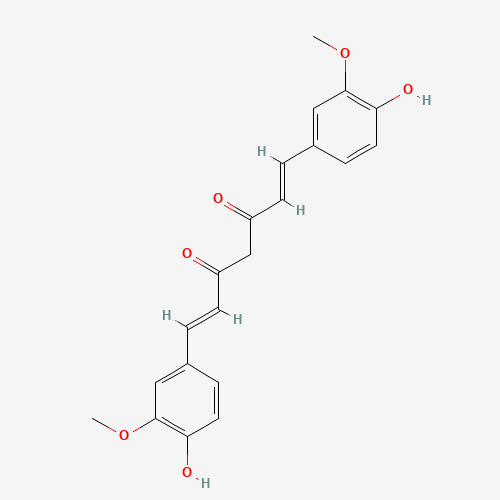
| South KoreaMinistry of Food and Drug Safety | ◐Permitted, with conditions | Designated food additive: Standards and Specifications for Food Additives, Part III, 1. …Designated food additive: Standards and Specifications for Food Additives, Part III, 1. 일반식품첨가물 (general food additives), 심황색소 (“Curcumin”, the English the Code prints beside it). Main use (주용도) of 심황색소: 착색료. Standard for use (사용기준) of 심황색소: (1) [must not be used in the foods listed] “심황색소는 아래의 식품에 사용하여서는 아니 된다. 1. 천연식품〔식육류, 어패류, 과일류, 채소류, 해조류, 콩류 등 및 그 단순가공품(탈피, 절단 등)〕 2. 다류 3. 커피 4. 고춧가루, 실고추 5. 김치류 6. 고추장, 조미고추장 7. 식초” The Korean is the standard as published. There is no official English translation of the current Code (the English version on MFDS’s website is the 2020 edition and has no legal effect); the English in square brackets is this site’s description of what each sentence does, not a translation of the foods or the levels. Compositional specifications (Part IV) are not imported, nor are the general standards in Part II, which apply to every additive. | Standards and Specifications for Food Additives (식품첨가물의 기준 및 규격), MFDS Notification, Part III (Standards for use, by item)retrieved 2026-10-18 |
|---|
| United StatesFood and Drug Administration | ○Not listedDoes not appear on this jurisdiction’s permitted list. That is not the same as being prohibited. | — | — |
|---|
| Codex AlimentariusCodex Alimentarius Commission / JECFA | ◐Permitted, with conditions | 81 food categories highest permitted level 4,000 mg/kg Show every food category and its notes- 01.1.4 Flavoured Fluid Milk Drinks — 150 mg/kg
- Note 52 Excluding chocolate milk.
- Note 402 Except for use in products conforming to the Standard for Fermented Milks (CXS 243-2003) at 100 mg/kg.
- 01.6.1 Unripened cheese — 150 mg/kg
- Note 201 For use in flavoured products only.
- Note 493 For use in products conforming to the Group Standard for Unripened Cheese including Fresh Cheese (CXS 221-2001), for treatment of edible cheese rind only.
- Note XS262 Excluding products conforming to the Standard for Mozzarella (CODEX STAN 262-2006).
- Note XS273 Excluding products conforming to the Standard for Cottage Cheese (CXS 273-1968).
- Note XS275 Excluding products conforming to the Standard for Cream Cheese (CXS 275-1973).
- 01.6.2.1 Ripened cheese, includes rind — 500 mg/kg
- Note 498 Only for use in the edible cheese rind in products conforming to the General Standard for Cheese (CXS 283-1978).
- Note XS208 Excluding products conforming to the Standard for Cheese in Brine (CODEX STAN 208-1999).
- Note XS263 Excluding products conforming to the Standard for Cheddar (CXS 263-1966).
- Note XS264 Excluding products conforming to the Standard for Danbo (CXS 264-1966).
- Note XS265 Excluding products conforming to the Standard for Edam (CXS 265-1966).
- Note XS266 Excluding products conforming to the Standard for Gouda (CXS 266-1966).
- Note XS267 Excluding products conforming to the Standard for Havarti (CXS 267-1966).
- Note XS268 Excluding products conforming to the Standard for Samsø (CXS 268-1966).
- Note XS269 Excluding products conforming to the Standard for Emmental (CXS 269-1967).
- Note XS270 Excluding products conforming to the Standard for Tilsiter (CXS 270-1968).
- Note XS271 Excluding products conforming to the Standard for Saint-Paulin (CXS 271-1968).
- Note XS272 Excluding products conforming to the Standard for Provolone (CXS 272-1968).
- Note XS274 Excluding products conforming to the Standard for Coulommiers (CXS 274-1969).
- Note XS276 Excluding products conforming to the Standard for Camembert (CXS 276-1973).
- Note XS277 Excluding products conforming to the Standard for Brie (CXS 277-1973).
- Note XS278 Excluding products conforming to the Standard for Extra Hard Grating Cheese (CXS 278-1978).
- 01.6.2.2 Rind of ripened cheese — 100 mg/kg
- 01.6.2.3 Cheese powder (for reconstitution; e.g. for cheese sauces) — 100 mg/kg
- 01.6.4.1 Plain processed cheese — 100 mg/kg
- 01.6.4.2 Flavoured processed cheese, including containing fruit, vegetables, meat, etc. — 100 mg/kg
- 01.6.5 Cheese analogues — 100 mg/kg
- 01.7 Dairy-based desserts (e.g. pudding, fruit or flavoured yoghurt) — 150 mg/kg
- Note 402 Except for use in products conforming to the Standard for Fermented Milks (CXS 243-2003) at 100 mg/kg.
- 02.1.2 Vegetable oils and fats — 5 mg/kg
- Note 508 For use in products, excluding virgin or cold pressed oils and vegetable oils, conforming to the Standard for Edible Fats and Oils not Covered by Individual Standards (CXS 19-1981) only, for the purposes of restoring natural colour lost in processing, or standardising colour.
- Note XS33 Excluding products conforming to the Standard for Olive Oils and Olive Pomace Oils (CODEX STAN 33-1981).
- Note XS210 Excluding products conforming to the Standard for Named Vegetable Oils (CXS 210-1999).
- Note XS325R Excluding products conforming to the Regional Standard for Unrefined Shea Butter (CXS 325R-2017).
- 02.1.3 Lard, tallow, fish oil, and other animal fats — 5 mg/kg
- Note 512 For use in products conforming to the Standard for Edible fats and oils not Covered by Individual Standards (CXS 19-1981) and the Standard for Named Animal Fats (CXS 211-1999) for the purposes of restoring natural colour lost in processing, or standardizing colour only.
- Note XS329 Excluding products conforming to the Standard for Fish Oils (CXS 329-2017).
- 02.2.2 Fat spreads, dairy fat spreads and blended spreads — 10 mg/kg
- Note 217 Except for use in products conforming to the Standard for Dairy Fat Spreads (CODEX STAN 253-2006) at 5 mg/kg.
- Note 232 Except for use in mustard flavoured products at 30 mg/kg.
- 02.3 Fat emulsions mainly of type oil-in-water, including mixed and/or flavoured products based on fat emulsions — 100 mg/kg
- 02.4 Fat-based desserts excluding dairy-based dessert products of food category 01.7 — 150 mg/kg
- 03.0 Edible ices, including sherbet and sorbet — 150 mg/kg
- 04.1.2.11 Fruit fillings for pastries — 150 mg/kg
- 04.1.2.4 Canned or bottled (pasteurized) fruit — 200 mg/kg
- Note 267 Excluding products conforming to the Standard for Certain Canned Fruits (CODEX STAN 319-2015) except for use in special holiday packs for canned pears conforming to the standard.
- Note XS17 Excluding products conforming to the Standard for canned applesauce (CXS 17-1981).
- Note XS60 Excluding products conforming to the Standard for canned raspberries (CXS 60-1981).
- Note XS62 Excluding products conforming to the Standard for canned strawberries (CXS 62-1981).
- Note XS242 Excluding products conforming to the Standard for canned stone fruits (CXS 242-2003).
- Note XS254 Excluding products conforming to the Standard for certain canned citrus fruits (CXS 254-2007).
- Note XS361 Excluding products conforming to the General standard for canned mixed fruits (CXS 361-2020).
- Note 672 For use to restore colour lost during processing only.
- 04.1.2.5 — 500 mg/kg
- 04.1.2.6 Fruit-based spreads (e.g. chutney) excluding products of food category — 200 mg/kg
- Note XS160 Excluding products conforming to the Standard for Mango Chutney (CODEX STAN 160-1987).
- 04.1.2.7 Candied fruit — 200 mg/kg
- 04.1.2.8 Fruit preparations, including pulp, purees, fruit toppings and coconut milk — 300 mg/kg
- Note XS240 Excluding products conforming to the Standard for Aqueous Coconut Products (CODEX STAN 240-2003).
- Note XS314R Excluding products conforming to the Standard for Date Paste (CODEX STAN 314R-2013).
- 04.1.2.9 Fruit-based desserts, incl. fruit-flavoured water-based desserts — 150 mg/kg
- 04.2.2.3 Vegetables (including mushrooms and fungi, roots and tubers, pulses and legumes, and aloe vera), and seaweeds in vinegar, oil, brine, or soybean sauce — 50 mg/kg
- Note XS38 Excluding products conforming to the General Standard for Edible Fungi and Fungus Products (CODEX STAN 38-1981).
- Note XS66 Excluding products conforming to the Standard for Table Olives (CODEX STAN 66-1981).
- Note XS260 Excluding products conforming to the Standard for Pickled Fruits and Vegetables (CODEX STAN 260-2007).
- Note 658 Except for use at 300 mg/kg in products conforming to the Standard for Pickled Cucumbers (Cucumber Pickles) (CXS 115-1981), singly or in combination, with other colours permitted in CXS 115-1981.
- 04.2.2.4 Canned or bottled (pasteurized) or retort pouch vegetables (including mushrooms and fungi, roots and tubers, pulses and legumes, and aloe vera), and seaweeds — 200 mg/kg
- Note XS13 Excluding products conforming to the Standard for Preserved Tomatoes (CODEX STAN 13-1981).
- Note XS38 Excluding products conforming to the General Standard for Edible Fungi and Fungus Products (CODEX STAN 38-1981).
- Note XS57 Excluding products conforming to the Standard for Processed Tomato Concentrates (CODEX STAN 57-1981).
- Note XS145 Excluding products conforming to the Standard for Canned Chestnuts and Canned Chestnut Puree (CODEX STAN 145-1985).
- Note XS241 Excluding products conforming to the Standard for canned bamboo shoots (CXS 241-2003).
- Note XS257R Excluding products conforming to the Codex Regional Standard for Canned Humus with Tehena (CODEX STAN 257R-2007).
- Note XS258R Excluding products conforming to the Regional Standard for Canned Foul Medames (CXS 258R-2007).
- Note XS297 Excluding products conforming to the Standard for Certain Canned Vegetables (CODEX STAN 297-2009).
- 04.2.2.5 Vegetable (including mushrooms and fungi, roots and tubers, pulses and legumes, and aloe vera), seaweed, and nut and seed purees and spreads (e.g. peanut butter) — 200 mg/kg
- Note XS57 Excluding products conforming to the Standard for Processed Tomato Concentrates (CODEX STAN 57-1981).
- 04.2.2.6 Vegetable (including mushrooms and fungi, roots and tubers, pulses and legumes, and aloe vera), seaweed, and nut and seed pulps and preparations (e.g. vegetable desserts and sauces, candied vegetables) other than food category 04.2.2.5 — 200 mg/kg
- Note 92 Excluding tomato-based sauces.
- Note XS38 Excluding products conforming to the General Standard for Edible Fungi and Fungus Products (CODEX STAN 38-1981).
- Note XS57 Excluding products conforming to the Standard for Processed Tomato Concentrates (CODEX STAN 57-1981).
- Note XS259R Excluding products conforming to the Codex Regional Standard for Tehena (CODEX STAN 259R-2007).
- Note XS308R Excluding products conforming to the Regional Standard for Harissa (Red Hot Pepper Paste) (CXS 308R-2011).
- Note XS321 Excluding products conforming to the Standard for Ginseng Products (CXS 321-2015).
- 04.2.2.7 Fermented vegetable (including mushrooms and fungi, roots and tubers, pulses and legumes, and aloe vera) and seaweed products, excluding fermented soybean products of food categories 06.8.6, 06.8.7, 12.9.1, — 200 mg/kg
- Note XS38 Excluding products conforming to the General Standard for Edible Fungi and Fungus Products (CODEX STAN 38-1981).
- Note XS151 Excluding products conforming to the Standard for Gari (CXS 151-1985).
- Note XS223 Excluding products conforming to the Standard for Kimchi (CXS 223-2001).
- Note XS294 Excluding products conforming to the Standard for Gochujang (CXS 294-2009).
- 05.1.3 Cocoa-based spreads, incl. fillings — 300 mg/kg
- Note XS86 Excluding products conforming to the Standard for Cocoa Butter (CODEX STAN 86-1981).
- 05.1.4 Cocoa and chocolate products — 300 mg/kg
- Note 183 For use in surface decoration only.
- 05.1.5 Imitation chocolate, chocolate substitute products — 300 mg/kg
- 05.2 Confectionery including hard and soft candy, nougats, etc. other than food categories 05.1, 05.3, and 05.4 — 300 mg/kg
- 05.3 Chewing gum — 300 mg/kg
- Note 444 Except for use at 700 mg/kg in yellow fruit or spice flavoured chewing gum.
- 05.4 Decorations (e.g. for fine bakery wares), toppings (non-fruit), and sweet sauces — 500 mg/kg
- 06.3 Breakfast cereals, including rolled oats — 200 mg/kg
- Note 664 Except for use at 500 mg/kg in extruded-type breakfast cereals, including granola-type cereals, only.
- 06.4.2 Dried pastas and noodles and like products — 200 mg/kg
- Note 676 Some Codex Members allow the use of additives with colour function in this food category while others limit these additives to certain products.
- 06.4.3 Pre-cooked pastas and noodles and like products — 100 mg/kg
- Note 676 Some Codex Members allow the use of additives with colour function in this food category while others limit these additives to certain products.
- Note 677 Except for use at 500 mg/kg in products conforming to the Standard for instant noodles (CXS 249-2006).
- 06.5 Cereal and starch based desserts (e.g. rice pudding, tapioca pudding) — 150 mg/kg
- 06.6 Batters (e.g. for breading or batters for fish or poultry) — 100 mg/kg
- 06.8.1 Soybean-based beverages — 1 mg/kg
- Note 643 For use only in composite/ flavoured soybean beverages and soybean-based beverages conforming to the Regional Standard for Non-Fermented Soybean Products (Asia) (CXS 322R-2015).
- 07.1.1.1 Yeast-leavened breads and specialty breads — 200 mg/kg
- Note 398 Some Codex Members allow the use of additives with sweetener and colour functions in this food category while others limit this food category to products without these additives.
- 07.1.2 Crackers, excluding sweet crackers — 200 mg/kg
- 07.1.3 Other ordinary bakery products (e.g. bagels, pita, English muffins) — 200 mg/kg
- Note 398 Some Codex Members allow the use of additives with sweetener and colour functions in this food category while others limit this food category to products without these additives.
- 07.1.4 Bread-type products, including bread stuffing and bread crumbs — 200 mg/kg
- Note 398 Some Codex Members allow the use of additives with sweetener and colour functions in this food category while others limit this food category to products without these additives.
- 07.1.5 Steamed breads and buns — 200 mg/kg
- Note 201 For use in flavoured products only.
- Note 398 Some Codex Members allow the use of additives with sweetener and colour functions in this food category while others limit this food category to products without these additives.
- 07.1.6 Mixes for bread and ordinary bakery wares — 200 mg/kg
- Note 398 Some Codex Members allow the use of additives with sweetener and colour functions in this food category while others limit this food category to products without these additives.
- 07.2 Fine bakery wares (sweet, salty, savoury) and mixes — 200 mg/kg
- 08.1.1 Fresh meat, poultry and game, whole pieces or cuts — 300 mg/kg
- Note 4 For use in decoration, stamping, marking or branding the product only.
- 08.1.2 Fresh meat, poultry and game, comminuted — 20 mg/kg
- Note 669 For use only in breakfast sausages, merguez type products, salsicha fresca, butifarra fresca, longaniza fresca and chorizo fresco and mici.
- 08.2 Processed meat, poultry, and game products in whole pieces or cuts — 20 mg/kg
- Note XS96 Excluding products conforming to the Standard for Cooked Cured Ham (CODEX STAN 96-1981).
- Note XS97 Excluding products conforming to the Standard for Cooked Cured Pork Shoulder (CODEX STAN 97-1981).
- Note XS350R Excluding products conforming to the Regional Standard for dried meat (Africa) (CXS 350R-2022).
- 08.3.1 Non-heat treated processed comminuted meat, poultry, and game products — 20 mg/kg
- Note 118 Except for use in tocino (fresh, cured sausage) at 1 000 mg/kg.
- Note 671 Except for use in salsicha at 80 mg/kg.
- 08.3.2 Heat-treated processed comminuted meat, poultry, and game products — 20 mg/kg
- Note XS88 Excluding products conforming to the Standard for Corned Beef (CODEX STAN 88-1981).
- Note XS89 Excluding products conforming to Standard for Luncheon Meat (CODEX STAN 89-1981).
- Note XS98 Excluding products conforming to the Standard for Cooked Cured Chopped Meat (CODEX STAN 98-1981).
- 08.3.3 Frozen processed comminuted meat, poultry, and game products — 20 mg/kg
- Note 16 For use in glaze, coatings or decorations for fruit, vegetables, meat or fish only.
- 08.4 Edible casings (e.g. sausage casings) — 4,000 mg/kg
- Note 365 On a casings basis.
- 09.2.1 Frozen fish, fish fillets, and fish products, including molluscs, crustaceans, and echinoderms — 500 mg/kg
- Note XS36 Excluding products conforming to the Standard for Quick Frozen Finfish, Uneviscerated and Eviscerated (CODEX STAN 36-1981).
- Note XS92 Excluding products conforming to the Standard for Quick Frozen Shrimps and Prawns (CODEX STAN 92-1981).
- Note XS95 Excluding products conforming to the Standard for Quick Frozen Lobsters (CODEX STAN 95-1981).
- Note XS165 Excluding products conforming to the Standard for Quick Frozen Blocks of Fish Fillet, Minced Fish Flesh and Mixtures of Fillets and Minced Fish Flesh (CODEX STAN 165-1989).
- Note XS190 Excluding products conforming to the Standard for Quick Frozen Fish Fillets (CODEX STAN 190-1995).
- Note XS191 Excluding products conforming to the Standard for Quick Frozen Raw Squid (CODEX STAN 191-1995).
- Note XS292 Excluding products conforming to the Standard for Live and Raw Bivalve Molluscs (CODEX STAN 292-2008).
- Note XS312 Excluding products conforming to the Standard for Live Abalone and for Raw Fresh Chilled or Frozen Abalone for Direct Consumption or for Further Processing (CODEX STAN 312-2013).
- Note XS315 Excluding products conforming to the Standard for Fresh and Quick Frozen Raw Scallop Products (CODEX STAN 315-2014).
- Note 695 For use in fish roe and smoked white fish only.
- 09.2.2 Frozen battered fish, fish fillets and fish products, including molluscs, crustaceans, and echinoderms — 200 mg/kg
- Note 41 For use in breading or batter coatings only.
- Note XS166 Excluding products conforming to the Standard for Quick Frozen Fish Sticks (Fish Fingers), Fish Portions and Fish Fillets – Breaded or in Batter (CODEX STAN 166-1989).
- 09.2.3 Frozen minced and creamed fish products, including molluscs, crustaceans, and echinoderms — 500 mg/kg
- Note 689 For use in fishcakes only.
- 09.2.4.1 Cooked fish and fish products — 420 mg/kg
- Note 95 For non-standardized foods: for use in surimi and fish roe products only.
- 09.2.4.3 Fried fish and fish products, including molluscs, crustaceans, and echinoderms — 100 mg/kg
- Note 16 For use in glaze, coatings or decorations for fruit, vegetables, meat or fish only.
- Note 693 Except for use in fishcake products at 500 mg/kg only.
- 09.2.5 Smoked, dried, fermented, and/or salted fish and fish products, including molluscs, crustaceans, and echinoderms — 20 mg/kg
- Note 695 For use in fish roe and smoked white fish only.
- Note XS167 Excluding products conforming to the Standard for Salted Fish and Dried Salted Fish of the Gadidae Family of Fishes (CODEX STAN 167-1989).
- Note XS189 Excluding products conforming to the Standard for Dried Shark Fins (CODEX STAN 189-1993).
- Note XS222 Excluding products conforming to the Standard for Crackers from Marine and Freshwater Fish, Crustaceans and Molluscan Shellfish (CODEX STAN 222-2001).
- Note XS236 Excluding products conforming to the Standard for Boiled Dried Salted Anchovies (CODEX STAN 236-2003).
- Note XS244 Excluding products conforming to the Standard for Salted Atlantic Herring and Salted Sprat (CODEX STAN 244-2004).
- Note XS311 Excluding products conforming to the Standard for Smoked Fish, Smoked-flavoured Fish and Smoke-dried Fish (CODEX STAN 311-2013).
- 09.3.1 Fish and fish products, including molluscs, crustaceans, and echinoderms, marinated and/or in jelly — 100 mg/kg
- Note 16 For use in glaze, coatings or decorations for fruit, vegetables, meat or fish only.
- 09.3.2 Fish and fish products, including molluscs, crustaceans and echinoderms, pickled and/or in brine — 100 mg/kg
- Note 16 For use in glaze, coatings or decorations for fruit, vegetables, meat or fish only.
- 09.3.3 Salmon substitutes, caviar and other fish roe products — 500 mg/kg
- Note XS291 Excluding products conforming to the Standard for Sturgeon Caviar (CODEX STAN 291-2010).
- 09.3.4 Semi-preserved fish and fish products, including molluscs, crustaceans and echinoderms (e.g. fish paste), excluding products of food categories 09.3.1 - 09.3.3 — 100 mg/kg
- 09.4 Fully preserved, including canned or fermented fish and fish products, including molluscs, crustaceans, and echinoderms — 100 mg/kg
- Note XS3 Excluding products conforming to the Standard for Canned Salmon (CODEX STAN 3-1981).
- Note XS37 Excluding products conforming to the Standard for Canned Shrimps or Prawns (CODEX STAN 37-1991).
- Note XS70 Excluding products conforming to the Standard for Canned Tuna and Bonito (70-1981).
- Note XS90 Excluding products conforming to the Standard for Canned Crab Meat (CODEX STAN 90-1981).
- Note XS94 Excluding products conforming to the Standard for Canned Sardines and Sardine-Type Products (CODEX STAN 94-1981).
- Note XS119 Excluding products conforming to the Standard for Canned Finfish (CODEX STAN 119-1981).
- 12.2.2 Seasonings and condiments — 500 mg/kg
- Note 467 Except for use in seasonings and condiments with tumeric or saffron at 1,500 mg/kg.
- 12.4 Mustards — 300 mg/kg
- 12.5 Soups and broths — 50 mg/kg
- Note 99 For use in products conforming to the Standard for Bouillons and Consommés (CODEX STAN 117-1981) only.
- 12.6 Sauces and like products — 500 mg/kg
- Note XS302 Excluding products conforming to the Standard for Fish Sauce (CODEX STAN 302-2011).
- 12.6.2 Non-emulsified sauces (e.g. ketchup, cheese sauce, cream sauce, brown gravy) — GMP
- Note 576 For use only in products conforming to the Standard for Chili Sauce (CXS 306-2011).
- 13.3 Dietetic foods intended for special medical purposes (excluding products of food category 13.1) — 50 mg/kg
- Note 566 Excluding products conforming to the Guidelines for Ready to Use Therapeutic Foods (CXG 95-2022).
- 13.4 Dietetic formulae for slimming purposes and weight reduction — 50 mg/kg
- 13.5 Dietetic foods (e.g. supplementary foods for dietary use) excluding products of food categories — 50 mg/kg
- 13.6 Food supplements — 300 mg/kg
- Note 539 For use in solid forms as sold to the consumer only.
- 14.1.4 Water-based flavoured drinks, including "sport," “energy,” or "electrolyte" drinks and particulated drinks — 60 mg/kg
- Note 127 On the served to the consumer basis.
- 14.2.1 Beer and malt beverages — 200 mg/kg
- Note 425 For use in malt liquor only.
- 14.2.2 Cider and perry — 200 mg/kg
- 14.2.4 Wines (other than grape) — 200 mg/kg
- 14.2.6 Distilled spirituous beverages containing more than 15% alcohol — 100 mg/kg
- 14.2.7 Aromatized alcoholic beverages (e.g. beer, wine and spirituous cooler-type beverages, low-alcoholic refreshers) — 100 mg/kg
- 15.1 Snacks - potato, cereal, flour or starch based (from roots and tubers, pulses and legumes) — 300 mg/kg
- 15.2 Processed nuts, including coated nuts and nut mixtures (with e.g. dried fruit) — 100 mg/kg
| CXS 192-1995 Table One, INS 100(i)and 80 further provisionsretrieved 2026-09-07 |
|---|