Diethyl ether
60-29-7 · 667919-88-2 · 1,1'-oxy-bisethane · 1,1'-Oxybisethane · 1,1'-oxydiethane · 1-Ethoxyethane # · 2-ethoxyethane · 3-Oxapentane · Aether · aether pro narcosi · Anaesthetic ether · Anesthesia ether · Anesthetic ether · Anhydrous ether · di ethyl ether · di ethylether · di-ethyl ether · di-ethylether · Diaethylaether · diehtyl ether · diethl ether · diethy ether · Diethyether · diethyI ether · Diethyl ether · Diethyl oxide · diethyl-ether · Diethylaether · DIETHYLETHER · dietyl ether · dietylether · Dwuetylowy eter · ehtyl ether · Etere etilico · Ethane, 1,1'-oxybis- · Ethane,1'-oxybis- · Ether · Ether anaesthesicus · Ether ethylique · ETHER, ANHYDROUS · Ether, Diethyl · Ether, ethyl · Etherum · ETHERWith Ethanol · ethoxy-ethane · Ethoxyethane · Ethyl ether · Ethyl ether, tech. · ethyl ether- · Ethyl oxide · ethyl-ether · EtOEt · HSDB 70 · monoethyl ether · Oxyde d'ethyle · Pronarcol · RCRA waste no. U117 · RCRA waste number U117 · Solvent ether · Sulfuric etherCAS 60-29-7
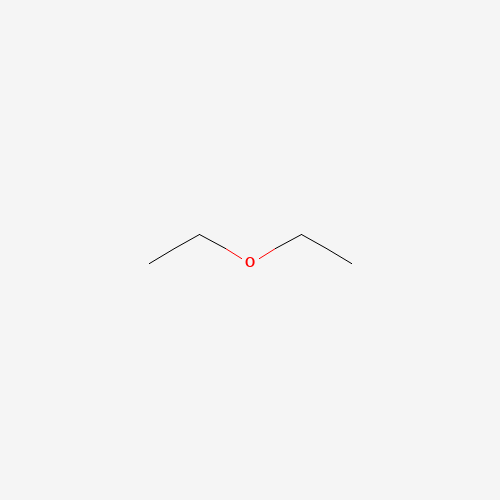
Diethyl ether is a very volatile, very flammable extraction solvent. JECFA's specification requires the label to state which stabiliser has been added and how much, because the ether forms peroxides on standing without one.
Where it is and isn’t permitted
| Jurisdiction | Status | Scope and limits | Citation |
|---|---|---|---|
| Australia and New Zealand | No listed food uses foundThis site has not matched this substance to any food use on this jurisdiction’s list of authorised food additives. A food additive may be used only in foods that list names. Flavourings, enzymes, processing aids and added nutrients are regulated separately and do not appear on it. | ||
| Canada | No listing matchedHealth Canada’s lists name additives without E or INS numbers, so this site matches them by exact name. A substance listed there under a name this site does not recognise has no row here. | ||
| European Union | No listed food uses foundThis site has not matched this substance to any food use on this jurisdiction’s list of authorised food additives. A food additive may be used only in foods that list names. Flavourings, enzymes, processing aids and added nutrients are regulated separately and do not appear on it. | ||
| Great Britain | No listed food uses foundThis site has not matched this substance to any food use on this jurisdiction’s list of authorised food additives. A food additive may be used only in foods that list names. Flavourings, enzymes, processing aids and added nutrients are regulated separately and do not appear on it. | ||
| Japan | No listing matchedThis site imports only Japan’s list of designated additives (Appended Table 1 to the Regulations for Enforcement of the Food Sanitation Act), matched by English name. Existing additives, natural flavouring agents and ordinary foods used as additives are permitted outside that list and are not imported, so an empty row does not show that Japan does not permit the substance. | ||
| South Korea | No listing matchedThis site imports Part III of South Korea’s Standards and Specifications for Food Additives, matched by CAS number, then INS number, then exact name. Mixed preparations and sanitisers are not imported, and an entry whose identifiers disagreed with a page’s is held for review, so an empty row does not show that South Korea does not permit the substance. | ||
| United States | Not listedDoes not appear on this jurisdiction’s permitted list. That is not the same as being prohibited. | ||
| Codex Alimentarius | Not listedDoes not appear on this jurisdiction’s permitted list. That is not the same as being prohibited. |
What it is made from
Made by dehydrating ethanol. Stabilisers such as pyrogallol or BHT are added at a few milligrams per litre.
- Vegan
- Vegetarian
Compare other additives on the dietary indexes.
- CAS registry number
- 60-29-7
- InChIKey
- RTZKZFJDLAIYFH-UHFFFAOYSA-N
- PubChem
- CID 3283
How JECFA defines it
The international specification for identity and purity, prepared by the Joint FAO/WHO Expert Committee on Food Additives and published by FAO. It is a different document from any above, written by a different body and revised on its own cycle; it is advisory, and a country adopts it or does not.
Diethyl Ether
Diethyl ether normally contains appropriate stabilizers such as pyrogallol or BHT. Manufacturers should indicate on the label the specific stabilizer(s) used and the amount added. Typical levels are in the range of 3-7 mg/l.
Synonyms: Ether, Ethyl ether Ether; Ethyl ether
Assay, identification and purity criteria
Description and assay
- Specification history
- Prepared at the 55th JECFA (2000) and published in FNP 52 Add 8 (2000), superseding tentative specifications prepared at the 37th JECFA (1990) and published in FNP 52 (1992). No ADI was allocated at the 37th JECFA (1990). Warning: Determination to be made only after ensuring that the sample complies with the test for peroxides. It is dangerous to distil or evaporate Diethylether which does not comply with the Test for peroxides (see Volume 4).
- Chemical names
- Diethyl ether, diethyl oxide, 1,1'-oxybisethane
- C.A.S. number
- 60-29-7
- Chemical formula
- C 4 H 10 O
- Formula weight
- 74.12
- DESCRIPTION
- Colourless, clear, very mobile liquid, with a characteristic odour; very volatile and flammable.
- FUNCTIONAL USES
- Extraction solvent
Identification
- Solubility (Vol. 4)
- Insoluble in water; miscible with ethanol
- Specific gravity (Vol. 4)
- 0.714 - 0.716
Purity criteria
- Distillation range (Vol. 4)
- 34 - 35 o (see warning above)
- Non-volatile residue (Vol. 4) Water (Vol.4)
- Not more than 2 mg/100 ml (see warning above) Not more than 0.2% (Karl Fischer Method)
- Acidity
- To 20 ml of 95% ethanol in a 50-ml stoppered measuring cylinder, add 0.5 ml of phenolphthalein TS and just sufficient 0.02 N sodium hydroxide to produce a pink colour which persists after gentle shaking for 30 sec. Add a further 0.3 ml of 0.02 N sodium hydroxide and 25 ml of the sample, stopper the cylinder, mix and shake gently for 30 sec. The pink colour is not discharged.
- Aldehydes and ketones
- Place 2 ml of Nessler's TS in a stoppered tube of about 12-ml capacity and about 1.5-cm diameter and fill the tube with the sample. Insert the stopper, shake vigorously for 10 sec, and allow to stand in the dark for 5 min. If no colour or turbidity is produced at this stage, the sample is considered to have complied with the test. If colour or turbidity is produced, after ensuring that the sample complies with the test for peroxides distil a further quantity of the sample in a fractionating column and repeat the test on the distillate. No colour or turbidity is produced.
- Peroxides
- Passes test The colour produced by iodine liberated by the action of organic peroxides on potassium iodide is compared with that of a standard iodine solution. Place 8 ml of freshly prepared 10 % potassium iodide solution in a stoppered tube of 12-ml capacity and about 1.5 cm diameter. Fill the tube to the brim with the sample, place the stopper in position so that no air bubble is enclosed, shake vigorously, and allow to stand in the dark for 30 min. The yellow colour produced, if any, is no darker than that of 0.5 ml of 0.001 N iodine diluted with 8 ml of the potassium iodide solution.
- Lead (Vol. 4)
- Not more than 2 mg/kg. Determine using an atomic absorption technique appropriate to the specified level. The selection of sample size and method of sample preparation may be based on the principles of the method described in Volume 4, “Instrumental Methods.”
Every name it appears under
60 recorded names. A label may use any of them.
CAS registry number
- 60-29-7
- 667919-88-2
Other names
- 1,1'-oxy-bisethane
- 1,1'-Oxybisethane
- 1,1'-oxydiethane
- 1-Ethoxyethane #
- 2-ethoxyethane
- 3-Oxapentane
- Aether
- aether pro narcosi
- Anaesthetic ether
- Anesthesia ether
- Anesthetic ether
- Anhydrous ether
- di ethyl ether
- di ethylether
- di-ethyl ether
- di-ethylether
- Diaethylaether
- diehtyl ether
- diethl ether
- diethy ether
- Diethyether
- diethyI ether
- Diethyl ether
- Diethyl oxide
- diethyl-ether
- Diethylaether
- DIETHYLETHER
- dietyl ether
- dietylether
- Dwuetylowy eter
- ehtyl ether
- Etere etilico
- Ethane, 1,1'-oxybis-
- Ethane,1'-oxybis-
- Ether
- Ether anaesthesicus
- Ether ethylique
- ETHER, ANHYDROUS
- Ether, Diethyl
- Ether, ethyl
- Etherum
- ETHERWith Ethanol
- ethoxy-ethane
- Ethoxyethane
- Ethyl ether
- Ethyl ether, tech.
- ethyl ether-
- Ethyl oxide
- ethyl-ether
- EtOEt
- HSDB 70
- monoethyl ether
- Oxyde d'ethyle
- Pronarcol
- RCRA waste no. U117
- RCRA waste number U117
- Solvent ether
- Sulfuric ether
Hazard reference values
No reference value for this substance in the sources we hold.
Evidence and how bodies read it
Studies, and the differing conclusions regulators drew from them, are curated rather than machine-read, and none has been written for this substance yet.
Common questions
Assembled from what is above, in the words the questions are usually asked in. Each answer is the same statement the relevant section makes, with the same citations behind it.
- What is Diethyl ether?
- Diethyl ether is a very volatile, very flammable extraction solvent. JECFA's specification requires the label to state which stabiliser has been added and how much, because the ether forms peroxides on standing without one.
- Is Diethyl ether vegan?
- Yes. Diethyl ether is not derived from animals, and is suitable for vegetarians. This page says what it is made from and how.
Sources for this page
- jecfaspecs retrieved 2026-09-23
Full licence terms and publisher details on Sources. How this page is built and updated: Method.
Machine-readable: a JSON record of this additive is given on request —how to ask for access.
Follow changes to Diethyl ether:Atom feed — regulatory events, and any change the weekly refresh detects in its provisions.