Diphenyl
26008-28-6 · 92-52-4 · 1,1'-Biphenyl · 1,1'-Biphenyl, 9CI · 1,1'-Diphenyl · 1,1-Biphenyl · 2L9GJK6MGN · 4,4'-biphenyl · 4-Biphenyl · bi-phenyl · Bibenzene · Biphenyl · Biphenyl 10 microg/mL in Cyclohexane · Biphenyl 100 microg/mL in Methanol · Biphenyl Solution in Methanol, 1000ug/mL · Biphenyl, >=99% · Biphenyl, analytical standard · Biphenyl, certified reference material, TraceCERT(R) · Biphenyl, PESTANAL(R), analytical standard · Biphenyl, ReagentPlus(R), 99.5% · Biphenyl, United States Pharmacopeia (USP) Reference Standard · Biphenyl, Vetec(TM) reagent grade, 99% · Biphenyl-UL-14C · BNL · Carolid AL · CAS-92-52-4 · Caswell No. 087 · CCRIS 935 · Diphenyl · diphenyl, 14C-labeled · DIPHENYL-4-D1 · EPA Pesticide Chemical Code 017002 · Felbinac EP Impurity B; Fenbufen EP Impurity C · FEMA 3129 · FEMA No. 3129 · HSDB 530 · InChI=1/C12H10/c1-3-7-11(8-4-1)12-9-5-2-6-10-12/h1-10 · INS NO.230 · INS-230 · Lemonene · MCS 1572 · meta biphenyl · Phenador-X · phenyl benzene · Phenylbenzene · PHPH · Tetrosin LY · WLN: RR · Xenene · E230INS 230CAS 92-52-4
Listed as a flavour enhancer and a flavouring agent by the US.
Listed as flavour enhancers (US) · flavouring agents and adjuvants (US)
- United States: Flavor enhancer — FDA, Substances Added to Food: BIPHENYL
- United States: Flavoring agent or adjuvant — FDA, Substances Added to Food: BIPHENYL
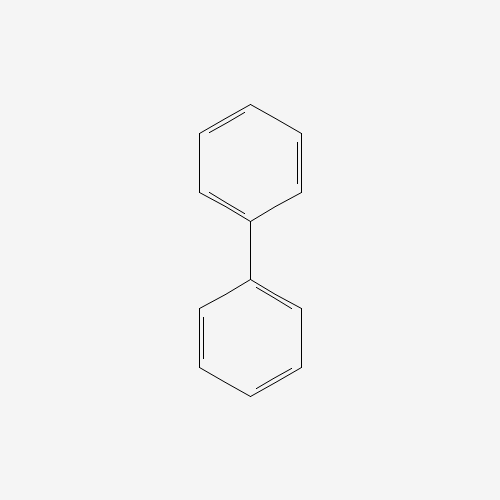
Diphenyl, also written biphenyl, is a fungistat used on the wrappers and packaging of citrus fruit rather than in food itself, to slow the growth of moulds in transport and storage. It is a white to amber crystalline solid with a characteristic odour.
Where it is and isn’t permitted
| Jurisdiction | Status | Scope and limits | Citation |
|---|---|---|---|
| Australia and New Zealand | No listed food uses foundThis site has not matched this substance to any food use on this jurisdiction’s list of authorised food additives. A food additive may be used only in foods that list names. Flavourings, enzymes, processing aids and added nutrients are regulated separately and do not appear on it. | ||
| Canada | No listing matchedHealth Canada’s lists name additives without E or INS numbers, so this site matches them by exact name. A substance listed there under a name this site does not recognise has no row here. | ||
| European Union | No listed food uses foundThis site has not matched this substance to any food use on this jurisdiction’s list of authorised food additives. A food additive may be used only in foods that list names. Flavourings, enzymes, processing aids and added nutrients are regulated separately and do not appear on it. | ||
| Great Britain | No listed food uses foundThis site has not matched this substance to any food use on this jurisdiction’s list of authorised food additives. A food additive may be used only in foods that list names. Flavourings, enzymes, processing aids and added nutrients are regulated separately and do not appear on it. | ||
| Japan | Permitted, with conditions | Designated additive: Appended Table 1, item 190, ジフェニル(別名ビフェニル) (“Diphenyl (Biphenyl)” in the unofficial English translation). …Designated additive: Appended Table 1, item 190, ジフェニル(別名ビフェニル) (“Diphenyl (Biphenyl)” in the unofficial English translation). Standards for use — Specifications and Standards for Foods, Food Additives, etc. (MHW Notification No. 370 of 1959), Part II (Food Additives), F (Standards for use), entry ジフェニル: (1) [must not be used in the foods stated] “ジフェニルは、グレープフルーツ、レモン及びオレンジ類の貯蔵又は運搬の用に供する容器の中に入れる紙片に浸潤させて使用する場合以外に使用してはならない。” (2) [limits how much may remain in the foods stated] “ジフェニルは、食品1kgにつき0.070g以上残存しないように使用しなければならない。” The Japanese is the standard as published. There is no official English translation of the Notification; the English in square brackets is this site’s description of what each sentence does, not a translation of the foods or the levels. Compositional specifications for this additive, in the same Notification, are not imported and are not shown here; nor are the general rules in F 添加物一般, which apply to every additive. | Regulations for Enforcement of the Food Sanitation Act (MHW Ordinance No. 23 of 1948), Appended Table 1retrieved 2026-10-18 |
| South Korea | No listing matchedThis site imports Part III of South Korea’s Standards and Specifications for Food Additives, matched by CAS number, then INS number, then exact name. Mixed preparations and sanitisers are not imported, and an entry whose identifiers disagreed with a page’s is held for review, so an empty row does not show that South Korea does not permit the substance. | ||
| United States | Not listedDoes not appear on this jurisdiction’s permitted list. That is not the same as being prohibited. | ||
| Codex Alimentarius | Not listedDoes not appear on this jurisdiction’s permitted list. That is not the same as being prohibited. |
How much is permitted
A listing usually limits the quantity as well as the food. Only one of the forms that takes is a figure: quantum satis and good manufacturing practice permit the amount the technological effect requires and no more, which is a limit rather than the absence of one. Figures below are the range across every food category this page is listed in, and categories differ between regulators — see how much is permitted.
| Japan | — | 1 no quantity stated |
|---|
No regulator sets a figure for Diphenyl. That is not an absence of control: where the listing says quantum satis or good manufacturing practice, the quantity is limited to what the effect requires.
What FDA’s inventory records
This page holds no listing for Diphenyl in the parts of 21 CFR this site reads. FDA’s Substances Added to Food inventory does carry it, as BIPHENYL, pointing at a food-contact regulation, not a listing for use in food: 21 CFR 178.2010, and FEMA number 3129.
Technical effects FDA records: flavor enhancer, flavoring agent or adjuvant.
The inventory is an information resource: a row means FDA holds information about the substance’s use in food, not that the substance is listed for that use. It is shown apart from the permissions above and is not counted as a US permission anywhere on this site.
What it is made from
Made from benzene or toluene by thermal coupling, from petroleum feedstocks.
- Vegan
- Vegetarian
Compare other additives on the dietary indexes.
- CAS registry number
- 92-52-4
- InChIKey
- ZUOUZKKEUPVFJK-UHFFFAOYSA-N
- PubChem
- CID 7095
How JECFA defines it
The international specification for identity and purity, prepared by the Joint FAO/WHO Expert Committee on Food Additives and published by FAO. It is a different document from any above, written by a different body and revised on its own cycle; it is advisory, and a country adopts it or does not.
INS 230 Diphenyl
Synonyms: INS No. 230
Assay, identification and purity criteria
Description and assay
- Specification history
- Prepared at the 8th JECFA (1964), published in NMRS 38A (1965) and in FNP 52 (1992) Metals and arsenic specifications revised at the 63rd JECFA (2004). An ADI of 0-0.5 mg/kg bw was established at the 8th JECFA (1964)
- Chemical names
- 1,1'-Biphenyl, phenylbenzene
- C.A.S. number
- 92-52-4
- Chemical formula
- C 12 H 10
- Formula weight
- 154.20
- DESCRIPTION
- White or pale yellow to amber, crystalline solid or leaflets having a characteristic odour
- FUNCTIONAL USES
- Fungistatic agent in wrapping material to inhibit growth of moulds or citrus fruits
Identification
- Solubility (Vol. 4)
- Insoluble in water, soluble in ether and in ethanol
- Melting point (Vol. 4)
- About 69 o
- Boiling point (Vol. 4)
- About 254 o
Purity criteria
- Distillation range (Vol. 4)
- Distils completely within a 2.5 o range between 252.5 o and 257.5 o
- Solidification point
- Not below 68.5 o
- Lead (Volume 4)
- Not more than 2 mg/kg Determine using an atomic absorption technique appropriate to the specified level. The selection of sample size and method of sample preparation may be based on the principles of the method described in Volume 4, “Instrumental Methods.”
Every name it appears under
50 recorded names. A label may use any of them.
E number
- E230
CAS registry number
- 26008-28-6
- 92-52-4
Other names
- 1,1'-Biphenyl
- 1,1'-Biphenyl, 9CI
- 1,1'-Diphenyl
- 1,1-Biphenyl
- 2L9GJK6MGN
- 4,4'-biphenyl
- 4-Biphenyl
- bi-phenyl
- Bibenzene
- Biphenyl
- Biphenyl 10 microg/mL in Cyclohexane
- Biphenyl 100 microg/mL in Methanol
- Biphenyl Solution in Methanol, 1000ug/mL
- Biphenyl, >=99%
- Biphenyl, analytical standard
- Biphenyl, certified reference material, TraceCERT(R)
- Biphenyl, PESTANAL(R), analytical standard
- Biphenyl, ReagentPlus(R), 99.5%
- Biphenyl, United States Pharmacopeia (USP) Reference Standard
- Biphenyl, Vetec(TM) reagent grade, 99%
- Biphenyl-UL-14C
- BNL
- Carolid AL
- CAS-92-52-4
- Caswell No. 087
- CCRIS 935
- Diphenyl
- diphenyl, 14C-labeled
- DIPHENYL-4-D1
- EPA Pesticide Chemical Code 017002
- Felbinac EP Impurity B; Fenbufen EP Impurity C
- FEMA 3129
- FEMA No. 3129
- HSDB 530
- InChI=1/C12H10/c1-3-7-11(8-4-1)12-9-5-2-6-10-12/h1-10
- INS NO.230
- INS-230
- Lemonene
- MCS 1572
- meta biphenyl
- Phenador-X
- phenyl benzene
- Phenylbenzene
- PHPH
- Tetrosin LY
- WLN: RR
- Xenene
Hazard reference values
No reference value for this substance in the sources we hold.
Evidence and how bodies read it
Studies, and the differing conclusions regulators drew from them, are curated rather than machine-read, and none has been written for this substance yet.
Common questions
Assembled from what is above, in the words the questions are usually asked in. Each answer is the same statement the relevant section makes, with the same citations behind it.
- What is INS 230?
- INS 230 is Diphenyl. Diphenyl, also written biphenyl, is a fungistat used on the wrappers and packaging of citrus fruit rather than in food itself, to slow the growth of moulds in transport and storage. It is a white to amber crystalline solid with a characteristic odour.
- What is Diphenyl used for in food?
- It is listed as a flavour enhancer and a flavouring agent — the role the US assigns it. This page shows every function each regulator records, with the citation for each.
- Where is Diphenyl permitted?
- Of the seven regulators this site reads, Japan permits it. Each permission is for named foods at named levels, not a blanket one; the table on this page gives them with citations.
- Is Diphenyl vegan?
- Yes. Diphenyl is not derived from animals, and is suitable for vegetarians. This page says what it is made from and how.
Sources for this page
- jp retrieved 2026-10-18
- jecfaspecs retrieved 2026-09-23
Full licence terms and publisher details on Sources. How this page is built and updated: Method.
Machine-readable: a JSON record of this additive is given on request —how to ask for access.
Follow changes to Diphenyl:Atom feed — regulatory events, and any change the weekly refresh detects in its provisions.