| Australia and New ZealandFood Standards Australia New Zealand | ◐Permitted, with conditions | 56 food categories highest permitted level 300 mg/kg Show every food category- 0 Preparations of food additives — GMPTechnological use consistent with section 1.3.1—5 only.
- 1.1.1 Liquid milk (including buttermilk) — GMPTechnological use consistent with section 1.3.1—5 only. Only UHT goats milk.
- 1.1.2 Liquid milk products and flavoured liquid milk — GMPTechnological use consistent with section 1.3.1—5 only.
- 1.2.2 Fermented milk products and rennetted milk products — GMPTechnological use consistent with section 1.3.1—5 only.
- 1.3 Condensed milk and evaporated milk — GMPTechnological use consistent with section 1.3.1—5 only.
- 1.4.1 Cream, reduced cream and light cream — GMPTechnological use consistent with section 1.3.1—5 only. Only UHT creams and creams receiving equivalent or greater heat treatments.
- 1.4.2 Cream products (flavoured, whipped, thickened, sour cream etc) — GMPTechnological use consistent with section 1.3.1—5 only.
- 1.5 Dried milk, milk powder, cream powder — GMPTechnological use consistent with section 1.3.1—5 only.
- 1.6 Cheese and cheese products — GMPTechnological use consistent with section 1.3.1—5 only.
- 10.2 Liquid egg products — GMPTechnological use consistent with section 1.3.1—5 only.
- 10.3 Frozen egg products — GMPTechnological use consistent with section 1.3.1—5 only.
- 10.4 Dried or heat coagulated egg products — GMPTechnological use consistent with section 1.3.1—5 only.
- 11.1.1 Rainbow sugar — GMPTechnological use consistent with section 1.3.1—5 only.
- 11.3.1 Dried honey — GMPTechnological use consistent with section 1.3.1—5 only.
- 11.4 Tabletop sweeteners — GMPTechnological use consistent with section 1.3.1—5 only.
- 12.1.2 Reduced sodium salt mixture — GMPTechnological use consistent with section 1.3.1—5 only.
- 12.1.3 Salt substitute — GMPTechnological use consistent with section 1.3.1—5 only.
- 12.5 Yeast and yeast products — GMPTechnological use consistent with section 1.3.1—5 only.
- 12.6 Vegetable protein products — GMPTechnological use consistent with section 1.3.1—5 only.
- 13.3 Formulated meal replacements and formulated supplementary foods — GMPTechnological use consistent with section 1.3.1—5 only.
- 13.4 Formulated supplementary sports foods — GMPTechnological use consistent with section 1.3.1—5 only.
- 13.5 Food for special medical purposes — GMPTechnological use consistent with section 1.3.1—5 only.
- 14.1.1.2 Carbonated, mineralised and soda waters — GMPTechnological use consistent with section 1.3.1—5 only.
- 14.1.2.1 Fruit and vegetable juices — GMPTechnological use consistent with section 1.3.1—5 only. For juice separated by other than mechanical means only.
- 14.1.2.2 Fruit and vegetable juice products — GMPTechnological use consistent with section 1.3.1—5 only.
- 14.1.3 Water based flavoured drinks — GMPTechnological use consistent with section 1.3.1—5 only.
- 14.1.4 Formulated Beverages — GMPTechnological use consistent with section 1.3.1—5 only.
- 14.1.4 Formulated Beverages — GMPNote: Section 1.3.1—5 does not apply.
- 14.1.5 Coffee, coffee substitutes, tea, herbal infusions and similar products — GMPTechnological use consistent with section 1.3.1—5 only.
- 14.2.3 Wine based drinks and reduced alcohol wines — GMPTechnological use consistent with section 1.3.1—5 only.
- 14.2.4.1 Fruit wine products and vegetable wine products — GMPTechnological use consistent with section 1.3.1—5 only.
- 14.2.5 Spirits and liqueurs — GMPTechnological use consistent with section 1.3.1—5 only.
- 14.3 Alcoholic beverages not included in item 14.2 — GMPTechnological use consistent with section 1.3.1—5 only.
- 2.1 Edible oils essentially free of water — GMPTechnological use consistent with section 1.3.1—5 only.
- 2.2.1.2 Butter products — GMPTechnological use consistent with section 1.3.1—5 only.
- 2.2.1.3 Margarine and similar products — GMPTechnological use consistent with section 1.3.1—5 only.
- 2.2.2 Oil emulsions (<80% oil) — GMPTechnological use consistent with section 1.3.1—5 only.
- 20 Foods not included in items 0 to 14 — GMPTechnological use consistent with section 1.3.1—5 only.
- 3 Ice cream and edible ices — GMPTechnological use consistent with section 1.3.1—5 only.
- 4.1.3 Fruits and vegetables that are peeled, cut, or both peeled and cut — GMPTechnological use consistent with section 1.3.1—5 only.
- 4.3 Processed fruits and vegetables — GMPTechnological use consistent with section 1.3.1—5 only.
- 5 Confectionery — 300 mg/kgNote: For additives 951, 955, 956, 961 and 962, section 1.3.1—5 limits do not apply to the use of permitted sweeteners in chewing gum and bubble gum.
- 5.1 Chocolate and cocoa products — GMPTechnological use consistent with section 1.3.1—5 only.
- 5.2 Sugar confectionery — GMPTechnological use consistent with section 1.3.1—5 only.
- 5.4 Icings and frostings — GMPTechnological use consistent with section 1.3.1—5 only.
- 6.3 Processed cereal and meal products — GMPTechnological use consistent with section 1.3.1—5 only.
- 6.4 Flour products (including noodles and pasta) — GMPTechnological use consistent with section 1.3.1—5 only.
- 7 Breads and bakery products — GMPTechnological use consistent with section 1.3.1—5 only.
- 8.2 Processed meat, poultry and game products in whole cuts or pieces — GMPTechnological use consistent with section 1.3.1—5 only.
- 8.3 Processed comminuted meat, poultry and game products, other than products listed in item 8.3.2 — GMPTechnological use consistent with section 1.3.1—5 only.
- 8.3.2 Sausage and sausage meat containing raw, unprocessed meat — GMPTechnological use consistent with section 1.3.1—5 only.
- 8.4 Edible casings — GMPTechnological use consistent with section 1.3.1—5 only.
- 8.5 Animal protein products — GMPTechnological use consistent with section 1.3.1—5 only.
- 9.2 Processed fish and fish products — GMPTechnological use consistent with section 1.3.1—5 only.
- 9.3 Semi preserved fish and fish products — GMPTechnological use consistent with section 1.3.1—5 only.
- 9.4 Fully preserved fish including canned fish products — GMPTechnological use consistent with section 1.3.1—5 only.
| Food Standards Code, Schedule 15, S15—5and 55 further provisionsretrieved 2026-10-17 |
|---|
| CanadaHealth Canada | ◐Permitted, with conditions | highest permitted level 320 mg/kg 11 permitted uses Show every permitted use- In: Breakfast cereals. Purpose: Sweetener. Limit: 160 ppm. — Health Canada, List of Permitted Sweeteners (List 9), item N.1(a)
- In: Breath fresheners; Chewing gum. Purpose: Sweetener. Limit: 320 ppm. — Health Canada, List of Permitted Sweeteners (List 9), item N.1(b)
- In: Confectionery glazes for snack foods; Sweetened coating mixes for snack foods; Sweetened seasonings for snack foods. Purpose: Sweetener. Limit: 32 ppm. — Health Canada, List of Permitted Sweeteners (List 9), item N.1(c)
- In: Filling mixes; Fillings; Topping mixes; Toppings; Unstandardized dessert mixes; Unstandardized desserts; Yogurt. Purpose: Sweetener. Limit: 100 ppm in the food as consumed. — Health Canada, List of Permitted Sweeteners (List 9), item N.1(d)
- In: Nut spreads; Peanut spreads; Unstandardized salad dressings. Purpose: Sweetener. Limit: 20 ppm. — Health Canada, List of Permitted Sweeteners (List 9), item N.1(e)
- In: Table-top sweeteners. Purpose: Sweetener. Limit: Good Manufacturing Practice. — Health Canada, List of Permitted Sweeteners (List 9), item N.1(f)
- In: Unstandardized bakery products. Purpose: Sweetener. Limit: 130 ppm in the food as consumed. Amendment notices: NOM/ADM-0210. — Health Canada, List of Permitted Sweeteners (List 9), item N.1(g)
- In: Unstandardized beverage concentrates; Unstandardized beverage mixes; Unstandardized beverages. Purpose: Sweetener. Limit: 30 ppm in the beverage as consumed. — Health Canada, List of Permitted Sweeteners (List 9), item N.1(h)
- In: Unstandardized condiments. Purpose: Sweetener. Limit: 70 ppm. — Health Canada, List of Permitted Sweeteners (List 9), item N.1(i)
- In: Unstandardized confectionery; Unstandardized confectionery coatings. Purpose: Sweetener. Limit: 100 ppm. — Health Canada, List of Permitted Sweeteners (List 9), item N.1(j)
- In: Unstandardized fruit spreads; Unstandardized purées; Unstandardized sauces; Unstandardized table syrups. Purpose: Sweetener. Limit: 70 ppm. — Health Canada, List of Permitted Sweeteners (List 9), item N.1(k)
| Health Canada, List of Permitted Sweeteners (List 9)and 10 further provisionsretrieved 2026-10-17 |
|---|
| European UnionEuropean Commission / EFSA | ◐Permitted, with conditions | 36 food categories highest permitted level 185 mg/l Show every food category- 1.4 flavoured fermented milk products including heat-treated products — 32 mg/lML = 32 mg/l. only energy-reduced products or with no added sugar.
- 11.4.1 table-top sweeteners in liquid form — quantum satisquantum satis.
- 11.4.2 table-top sweeteners in powder form — quantum satisquantum satis.
- 11.4.3 table-top sweeteners in tablets — quantum satisquantum satis.
- 12.4 Mustard — 12 mg/kgML = 12 mg/kg.
- 12.5 Soups and broths — 5 mg/kgML = 5 mg/kg. only energy-reduced soups.
- 12.6 Sauces — 12 mg/kgML = 12 mg/kg.
- 12.7 Salads and savoury-based sandwich spreads — 12 mg/kgML = 12 mg/kg. only Feinkostsalat.
- 13.2 Foods for special medical purposes as defined by Regulation (EU) No 609/2013 (excluding products from food category 13.1.5.) — 32 mg/kgML = 32 mg/kg.
- 13.3 Total diet replacement for weight control food as defined by Regulation (EU) No 609/2013 — 26 mg/kgML = 26 mg/kg.
- 14.1.3 Fruit nectars as defined by Directive 2001/112/EC and vegetable nectars and similar products — 20 mg/lML = 20 mg/l. only energy-reduced or with no added sugar.
- 14.1.4 Flavoured_drinks — 20 mg/lML = 20 mg/l. only energy-reduced or with no added sugar.
- 14.2.1 beer and malt beverages — 20 mg/lML = 20 mg/l. only alcohol-free beer or with an alcohol content not exceeding 1,2 % vol; 'Bière de table/Tafelbier/Table beer' (original wort content less than 6 %) except for 'Obergäriges Einfachbier'; Beers with a minimum acidity of 30 milli-equivalents expressed as NaOH; Brown beers of the 'oud bruin' type.
- 14.2.3 Cider and perry — 20 mg/lML = 20 mg/l. excluding cydr jakościowy, perry jakościowe, cydr lodowy, perry lodowe.
- 14.2.8 Other alcoholic beverages including mixtures of alcoholic beverages with non-alcoholic beverages and other alcoholic beverages based on distilled alcohol with alcoholic strength by volume less than 15 % — 20 mg/lML = 20 mg/l.
- 15.1 Potato- cereal- flour- or starch-based snacks — 18 mg/kgML = 18 mg/kg.
- 15.2 Processed nuts — 18 mg/kgML = 18 mg/kg.
- 16 Desserts excluding products covered in category 1 3 and 4 — 32 mg/kgML = 32 mg/kg. only energy-reduced or with no added sugar.
- 17.1 food supplements supplied in a solid form excluding food supplements for infants and young children’, — 185 mg/kgML = 185 mg/kg. only food supplements in chewable form.
- 17.2 food supplements supplied in a liquid form excluding food supplements for Infants and young children — 20 mg/lML = 20 mg/l.
- 18.2 Meal replacement for weight control as referred to in Commission Regulation (EU) No 432/2012 — 26 mg/kgML = 26 mg/kg.
- 3 edible ices — 26 mg/kgML = 26 mg/kg. only energy-reduced or with no added sugar.
- 4.2.2 fruit and vegetables in vinegar oil or brine — 10 mg/kgML = 10 mg/kg. only sweet-sour preserves of fruit and vegetables.
- 4.2.3 canned or bottled fruit and vegetables — 32 mg/kgML = 32 mg/kg. only fruit energy-reduced or with no added sugar.
- 4.2.4.1 fruit and vegetable preparations excluding compote — 32 mg/kgML = 32 mg/kg. only energy-reduced.
- 4.2.5 jam jellies and marmalades and similar products — 32 mg/kgML = 32 mg/kg. only energy-reduced jams, jellies and marmalades.
- 4.2.5.1 Extra jam and extra jelly as defined by Directive 2001/113/EC — 32 mg/kgML = 32 mg/kg. only energy-reduced jams jellies and marmalades.
- 4.2.5.2 Jam, jellies and marmalades and sweetened chestnut puree as defined by Directive 2001/113/EC — 32 mg/kgML = 32 mg/kg. only energy-reduced jams, jellies and marmalades.
- 4.2.5.3 other similar fruit or vegetable spreads — 32 mg/kgML = 32 mg/kg. only energy reduced fruit or vegetable spreads and dried-fruit-based sandwich spreads, energy-reduced or with no added sugar.
- 5.1 Cocoa and chocolate products as covered by Directive 2000/36/EC — 65 mg/kgML = 65 mg/kg. only energy-reduced or with no added sugar.
- 5.2 Other confectionery including breath freshening micro-sweets — 65 mg/kgML = 65 mg/kg. only cocoa-or dried fruit-based, energy-reduced or with no added sugar.
- 5.3 chewing gum — 3 mg/kgML = 3 mg/kg. only with added sugar or polyols, as flavour enhancer. Note 12: If E 950, E 951, E 955, E 957, E 959 and E 961 are used in combination in chewing gum, the maximum level for each is reduced proportionally.
- 5.4 Decorations, coatings and fillings, except fruit-based fillings covered by category 4.2.4 — 2 mg/kgML = 2 mg/kg. only sauces as flavour enhancer.
- 6.3 breakfast cereals — 32 mg/kgML = 32 mg/kg. only breakfast cereals with a fibre content of more than 15 %, and containing at least 20 % bran, energy reduced or with no added sugar.
- 7.2 Fine bakery wares — 60 mg/kgML = 60 mg/kg. only cornets and wafers, for ice-cream, with no added sugar.
- 9.2 Processed fish and fishery products including molluscs and crustaceans — 10 mg/kgML = 10 mg/kg. only sweet-sour preserves and semi-preserves of fish and marinades of fish, crustaceans and molluscs.
| Regulation (EC) No 1333/2008and 35 further provisionsretrieved 2026-10-18 |
|---|
| Great BritainFood Standards Agency / Food Standards Scotland | ◐Permitted, with conditions | 34 food categories highest permitted level 65 mg/kg or mg/l Show every food category- 1.4 Flavoured fermented milk products including heat-treated products — 32 mg/kg or mg/lML = 32. only energy-reduced products or with no added sugar.
- 11.4.1 Table-top sweeteners in liquid form — quantum satisquantum satis.
- 11.4.2 Table-top sweeteners in powder form — quantum satisquantum satis.
- 11.4.3 Table-top sweeteners in tablets — quantum satisquantum satis.
- 12.4 Mustard — 12 mg/kg or mg/lML = 12.
- 12.5 Soups and broths — 5 mg/kg or mg/lML = 5. only energy-reduced soups.
- 12.6 Sauces — several limits(1) ML 12: no further restriction; (2) ML 2: only as flavour enhancer.
- 12.7 Salads and savoury based sandwich spreads — 12 mg/kg or mg/lML = 12. only Feinkostsalat.
- 13.2 Dietary foods for special medical purposes defined in Directive 1999/21/EC (excluding products from food category 13.1.5) — 32 mg/kg or mg/lML = 32.
- 13.3 Dietary foods for weight control diets intended to replace total daily food intake or an individual meal (the whole or part of the total daily diet) — 26 mg/kg or mg/lML = 26.
- 14.1.3 Fruit nectars as defined by Directive 2001/112/EC and vegetable nectars and similar products — 20 mg/kg or mg/lML = 20. only energy-reduced or with no added sugar.
- 14.1.4 Flavoured drinks — several limits(1) ML 20: only energy-reduced or with no added sugar; (2) ML 2: only energy-reduced or with no added sugar, as flavour enhancer.
- 14.2.1 Beer and malt beverages — several limits(1) ML 20: only alcohol-free beer or with an alcohol content not exceeding 1,2 % vol; ‘ Bière de table/Tafelbier/Table beer ’ (original wort content less than 6 %) except for ‘ Obergäriges Einfachbier ’ ; Beers with a minimum acidity of 30 milli-equivalents expressed as NaOH; Brown beers of the ‘ oud bruin ’ type; (2) ML 1: only energy-reduced beer.
- 14.2.3 Cider and perry — 20 mg/kg or mg/lML = 20.
- 14.2.8 Other alcoholic drinks including mixtures of alcoholic drinks with non-alcoholic drinks and spirits with less than 15 % of alcohol — 20 mg/kg or mg/lML = 20.
- 15.1 Potato-, cereal-, flour- or starch-based snacks — several limits(1) ML 18: no further restriction; (2) ML 2: as flavour enhancer only.
- 15.2 Processed nuts — several limits(1) ML 18: no further restriction; (2) ML 2: as flavour enhancer only.
- 16 Desserts excluding products covered in categories 1, 3 and 4 — 32 mg/kg or mg/lML = 32. only energy-reduced or with no added sugar.
- 17.1 Food supplements supplied in a solid form, excluding food supplements for infants and young children — several limits(1) ML 60: no further restriction; (2) ML 185: only food supplements in chewable form; (3) ML 2: only as flavour enhancer, except food supplements in chewable form; (4) ML 2: only vitamins and/or mineral based food supplements in chewable form, as a flavour enhancer.
- 17.2 Food supplements supplied in a liquid form, excluding food supplements for infants and young children — several limits(1) ML 20: no further restriction; (2) ML 185: only food supplements in syrup form; (3) ML 2: only as flavour enhancer, except food supplements in syrup form; (4) ML 2: only vitamins and/or mineral based food supplements in syrup form, as a flavour enhancer.
- 3 Edible ices — 26 mg/kg or mg/lML = 26. only energy-reduced or with no added sugar.
- 4.2.2 Fruit and vegetables in vinegar, oil, or brine — 10 mg/kg or mg/lML = 10. only sweet-sour preserves of fruit and vegetables.
- 4.2.3 Canned or bottled fruit and vegetables — 32 mg/kg or mg/lML = 32. only fruit energy-reduced or with no added sugar.
- 4.2.4.1 Fruit and vegetable preparations excluding compote — 32 mg/kg or mg/lML = 32. only energy-reduced.
- 4.2.5.1 Extra jam and extra jelly as defined by Directive 2001/113/EC — several limits(1) ML 32: only energy-reduced jams jellies and marmalades; (2) ML 2: only energy-reduced jams jellies and marmalades, as flavour enhancer.
- 4.2.5.2 Jam, jellies and marmalades and sweetened chestnut puree as defined by Directive 2001/113/EC — several limits(1) ML 32: only energy-reduced jams, jellies and marmalades; (2) ML 2: only energy-reduced jams jellies and marmalades, as flavour enhancer.
- 4.2.5.3 Other similar fruit or vegetable spreads — 32 mg/kg or mg/lML = 32. only energy-reduced fruit or vegetable spreads and dried-fruit-based sandwich spreads, energy-reduced or with no added sugar.
- 5.1 Cocoa and chocolate products as covered by Directive 2000/36/EC — 65 mg/kg or mg/lML = 65. only energy-reduced or with no added sugar.
- 5.2 Other confectionery including breath refreshening microsweets — several limits(1) ML 65: only cocoa or dried fruit-based, energy-reduced or with no added sugar; (2) ML 15: only energy-reduced tablet form confectionery; (3) ML 32: only cocoa, milk, dried fruit or fat-based sandwich spreads, energy-reduced or with no added sugar; (4) ML 65: only starch-based confectionery energy-reduced or with no added sugar; (5) ML 3: only starch-based confectionery energy-reduced or with no added sugar, as flavour enhancer; (6) ML 32: only confectionery with no added sugar; (7) ML 200: only breath-freshening micro-sweets, with no added sugar; (8) ML 3: only breath-freshening micro-sweets and strongly flavoured throat pastilles with no added sugar, as flavour enhancer; (9) ML 65: only strongly flavoured freshening throat pastilles with no added sugar.
- 5.3 Chewing gum — several limits(1) ML 3: only with added sugar or polyols, as flavour enhancer; (2) ML 250: only with no added sugar. Note (12): If E 950, E 951, E 955, E 957, E 959 and E 961 are used in combination in chewing gum, the maximum level for each is reduced proportionally.
- 5.4 Decorations, coatings and fillings, except fruit based fillings covered by category 4.2.4 — several limits(1) ML 65: only starch-based confectionery energy-reduced or with no added sugar; (2) ML 3: only starch-based confectionery energy-reduced or with no added sugar, as flavour enhancer; (3) ML 32: only confectionery with no added sugar; (4) ML 65: only cocoa or dried fruit-based, energy-reduced or with no added sugar; (5) ML 12: only sauces; (6) ML 2: only sauces as flavour enhancer.
- 6.3 Breakfast cereals — 32 mg/kg or mg/lML = 32. only breakfast cereals with a fibre content of more than 15 %, and containing at least 20 % bran, energy-reduced or with no added sugar.
- 7.2 Fine bakery wares — 60 mg/kg or mg/l(1) ML 60: only cornets and wafers, for ice-cream, with no added sugar; (2) ML 60: only essoblaten — wafer paper.
- 9.2 Processed fish and fishery products including mollusks and crustaceans — 10 mg/kg or mg/lML = 10. only sweet-sour preserves and semi-preserves of fish and marinades of fish, crustaceans and molluscs.
| Assimilated Regulation (EC) No 1333/2008and 33 further provisionsretrieved 2026-10-18 |
|---|
| JapanConsumer Affairs Agency | ◐Permitted, with conditions | Designated additive: Appended Table 1, item 302, ネオテーム (“Neotame” in the unofficial English translation). …Designated additive: Appended Table 1, item 302, ネオテーム (“Neotame” in the unofficial English translation). Standards for use — Specifications and Standards for Foods, Food Additives, etc. (MHW Notification No. 370 of 1959), Part II (Food Additives), F (Standards for use): The Notification sets no standard for use (使用基準) for this additive, so it is not restricted there to particular foods or amounts. Compositional specifications for this additive, in the same Notification, are not imported and are not shown here; nor are the general rules in F 添加物一般, which apply to every additive. | Regulations for Enforcement of the Food Sanitation Act (MHW Ordinance No. 23 of 1948), Appended Table 1retrieved 2026-10-18 |
|---|
| South KoreaMinistry of Food and Drug Safety | ◐Permitted, with conditions | Designated food additive: Standards and Specifications for Food Additives, Part III, 1. …Designated food additive: Standards and Specifications for Food Additives, Part III, 1. 일반식품첨가물 (general food additives), 네오탐 (“Neotame”, the English the Code prints beside it). Main use (주용도) of 네오탐: 감미료. Standard for use (사용기준) of 네오탐: (1) [may be used only in the foods listed; sets a limit on the amount used] “네오탐은 아래의 식품에 한하여 사용하여야 한다. 네오탐의 사용량은 1. 추잉껌: 1.0g/kg 이하 2. 떡류: 0.033g/kg 이하 3. 잼류: 0.070g/kg 이하 4. 농축과·채즙: 0.065g/kg 이하 5. 특수의료용도식품: 0.033 g/kg 이하 6. 체중조절용 조제식품: 0.065 g/kg 이하 7. 식초: 0.012g/kg 이하 8. 소스, 마요네즈: 0.070g/kg 이하 9. 토마토케첩: 0.070g/kg 이하 10. 향신료조제품: 0.012g/kg 이하 11. 복합조미식품: 0.032g/kg 이하 12. 조미액젓: 0.012g/kg 이하 13. 절임식품: 0.100g/kg 이하 14. 땅콩 또는 견과류가공품: 0.033g/kg 이하 15. 과·채가공품: 0.100g/kg 이하 16. 치즈류: 0.033g/kg 이하 17. 식물성크림: 0.065g/kg 이하 18. 시리얼류: 0.160g/kg 이하 19. 즉석섭취식품: 0.033g/kg 이하 20. 즉석조리식품: 0.032g/kg 이하 21. 기타 농산가공품: 0.033g/kg 이하 22. 효모식품: 0.065g/kg 이하 23. 당류가공품, 유함유가공품: 0.100g/kg 이하 24. 유크림류: 0.065g/kg 이하 25. 건강기능식품: 0.090g/kg 이하” The Korean is the standard as published. There is no official English translation of the current Code (the English version on MFDS’s website is the 2020 edition and has no legal effect); the English in square brackets is this site’s description of what each sentence does, not a translation of the foods or the levels. Compositional specifications (Part IV) are not imported, nor are the general standards in Part II, which apply to every additive. | Standards and Specifications for Food Additives (식품첨가물의 기준 및 규격), MFDS Notification, Part III (Standards for use, by item)retrieved 2026-10-18 |
|---|
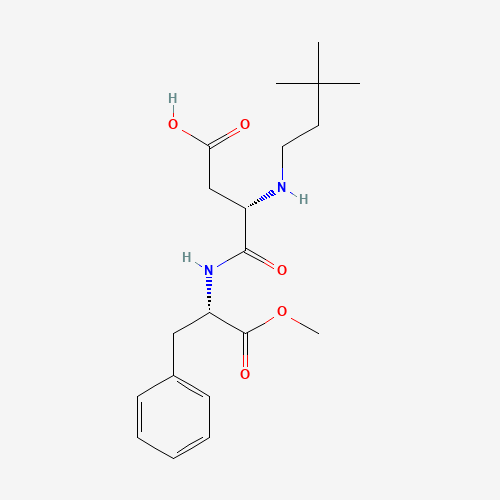
| United StatesFood and Drug Administration | ◐Permitted, with conditions | | 21 CFR 172.829retrieved 2026-10-17 |
|---|
| Codex AlimentariusCodex Alimentarius Commission / JECFA | ◐Permitted, with conditions | 62 food categories highest permitted level 1,000 mg/kg Show every food category and its notes- 01.1.4 Flavoured Fluid Milk Drinks — 20 mg/kg
- Note 478 Some Codex Members allow use of additives with sweetener function in all foods within this Food Category while others limit additives with sweetener function to those foods with significant energy reduction or no added sugars. This limitation may not apply to the appropriate use as a flavour enhancer.
- Note 406 Except for use in products conforming to the Standard for Fermented Milks (CXS 243-2003): for use in milk- and milk derivative-based products energy reduced or with no added at 100 mg/kg.
- 01.3.2 Beverage whiteners — 65 mg/kg
- Note 201 For use in flavoured products only.
- Note 478 Some Codex Members allow use of additives with sweetener function in all foods within this Food Category while others limit additives with sweetener function to those foods with significant energy reduction or no added sugars. This limitation may not apply to the appropriate use as a flavour enhancer.
- Note XS250 Excluding products conforming to the Standard for a Blend of Evaporated Skimmed Milk and Vegetable Fat (CODEX STAN 250-2006).
- Note XS252 Excluding products conforming to the Standard for a Blend of Sweetened Condensed Skimmed Milk and Vegetable Fat (CODEX STAN 252-2006).
- 01.4.4 Cream analogues — 33 mg/kg
- Note 478 Some Codex Members allow use of additives with sweetener function in all foods within this Food Category while others limit additives with sweetener function to those foods with significant energy reduction or no added sugars. This limitation may not apply to the appropriate use as a flavour enhancer.
- Note 68 For use in flavoured and/or sweetened products only.
- 01.5.2 Milk and cream powder analogues — 65 mg/kg
- Note 478 Some Codex Members allow use of additives with sweetener function in all foods within this Food Category while others limit additives with sweetener function to those foods with significant energy reduction or no added sugars. This limitation may not apply to the appropriate use as a flavour enhancer.
- Note XS251 Excluding products conforming to the Standard for a Blend of Skimmed Milk and Vegetable Fat in Powdered Form (CODEX STAN 251-2006).
- Note 408 For use in flavoured and/or sweetened milk powder analogues only.
- 01.7 Dairy-based desserts (e.g. pudding, fruit or flavoured yoghurt) — 100 mg/kg
- Note 478 Some Codex Members allow use of additives with sweetener function in all foods within this Food Category while others limit additives with sweetener function to those foods with significant energy reduction or no added sugars. This limitation may not apply to the appropriate use as a flavour enhancer.
- Note 639 Except for use in products conforming to the Standard for Fermented Milks (CXS243-2003): for use in milk- and milk derivative-based products energy reduced or with no added sugar.
- 02.4 Fat-based desserts excluding dairy-based dessert products of food category 01.7 — 100 mg/kg
- Note 478 Some Codex Members allow use of additives with sweetener function in all foods within this Food Category while others limit additives with sweetener function to those foods with significant energy reduction or no added sugars. This limitation may not apply to the appropriate use as a flavour enhancer.
- 03.0 Edible ices, including sherbet and sorbet — 100 mg/kg
- Note 478 Some Codex Members allow use of additives with sweetener function in all foods within this Food Category while others limit additives with sweetener function to those foods with significant energy reduction or no added sugars. This limitation may not apply to the appropriate use as a flavour enhancer.
- 04.1.2.1 Frozen fruit — 100 mg/kg
- Note 478 Some Codex Members allow use of additives with sweetener function in all foods within this Food Category while others limit additives with sweetener function to those foods with significant energy reduction or no added sugars. This limitation may not apply to the appropriate use as a flavour enhancer.
- Note 358 For use in products in a syrup or juice only.
- 04.1.2.10 Fermented fruit products — 65 mg/kg
- Note 478 Some Codex Members allow use of additives with sweetener function in all foods within this Food Category while others limit additives with sweetener function to those foods with significant energy reduction or no added sugars. This limitation may not apply to the appropriate use as a flavour enhancer.
- 04.1.2.11 Fruit fillings for pastries — 100 mg/kg
- Note 478 Some Codex Members allow use of additives with sweetener function in all foods within this Food Category while others limit additives with sweetener function to those foods with significant energy reduction or no added sugars. This limitation may not apply to the appropriate use as a flavour enhancer.
- 04.1.2.12 Cooked fruit — 65 mg/kg
- Note 478 Some Codex Members allow use of additives with sweetener function in all foods within this Food Category while others limit additives with sweetener function to those foods with significant energy reduction or no added sugars. This limitation may not apply to the appropriate use as a flavour enhancer.
- 04.1.2.3 Fruit in vinegar, oil, or brine — 100 mg/kg
- Note 144 For use in sweet and sour products.
- 04.1.2.4 Canned or bottled (pasteurized) fruit — 33 mg/kg
- Note 478 Some Codex Members allow use of additives with sweetener function in all foods within this Food Category while others limit additives with sweetener function to those foods with significant energy reduction or no added sugars. This limitation may not apply to the appropriate use as a flavour enhancer.
- Note XS319 Excluding products conforming to the Standard for Certain Canned Fruits (CODEX STAN 319-2015).
- 04.1.2.5 — 70 mg/kg
- Note 478 Some Codex Members allow use of additives with sweetener function in all foods within this Food Category while others limit additives with sweetener function to those foods with significant energy reduction or no added sugars. This limitation may not apply to the appropriate use as a flavour enhancer.
- 04.1.2.6 Fruit-based spreads (e.g. chutney) excluding products of food category — 70 mg/kg
- Note 478 Some Codex Members allow use of additives with sweetener function in all foods within this Food Category while others limit additives with sweetener function to those foods with significant energy reduction or no added sugars. This limitation may not apply to the appropriate use as a flavour enhancer.
- Note XS160 Excluding products conforming to the Standard for Mango Chutney (CODEX STAN 160-1987).
- 04.1.2.7 Candied fruit — 100 mg/kg
- Note 478 Some Codex Members allow use of additives with sweetener function in all foods within this Food Category while others limit additives with sweetener function to those foods with significant energy reduction or no added sugars. This limitation may not apply to the appropriate use as a flavour enhancer.
- 04.1.2.8 Fruit preparations, including pulp, purees, fruit toppings and coconut milk — 100 mg/kg
- Note 478 Some Codex Members allow use of additives with sweetener function in all foods within this Food Category while others limit additives with sweetener function to those foods with significant energy reduction or no added sugars. This limitation may not apply to the appropriate use as a flavour enhancer.
- Note XS314R Excluding products conforming to the Standard for Date Paste (CODEX STAN 314R-2013).
- 04.1.2.9 Fruit-based desserts, incl. fruit-flavoured water-based desserts — 100 mg/kg
- Note 478 Some Codex Members allow use of additives with sweetener function in all foods within this Food Category while others limit additives with sweetener function to those foods with significant energy reduction or no added sugars. This limitation may not apply to the appropriate use as a flavour enhancer.
- 04.2.2.2 Dried vegetables (including mushrooms and fungi, roots and tubers, pulses and legumes, and aloe vera), seaweeds, and nuts and seeds — 33 mg/kg
- Note 144 For use in sweet and sour products.
- Note 348 For general use in dried seaweed.
- Note 613 Except for products conforming to the Regional Standard for Laver Products (CXS 323R-2017), only for use in Seasoned Laver Products.
- Note XS336R Excluding products conforming to the Regional Standard for kava products for use as a beverage when mixed with water (North America and South West Pacific) (CXS 336R-2020).
- 04.2.2.3 Vegetables (including mushrooms and fungi, roots and tubers, pulses and legumes, and aloe vera), and seaweeds in vinegar, oil, brine, or soybean sauce — 10 mg/kg
- Note 144 For use in sweet and sour products.
- 04.2.2.4 Canned or bottled (pasteurized) or retort pouch vegetables (including mushrooms and fungi, roots and tubers, pulses and legumes, and aloe vera), and seaweeds — 33 mg/kg
- Note 478 Some Codex Members allow use of additives with sweetener function in all foods within this Food Category while others limit additives with sweetener function to those foods with significant energy reduction or no added sugars. This limitation may not apply to the appropriate use as a flavour enhancer.
- Note XS57 Excluding products conforming to the Standard for Processed Tomato Concentrates (CODEX STAN 57-1981).
- Note XS257R Excluding products conforming to the Codex Regional Standard for Canned Humus with Tehena (CODEX STAN 257R-2007).
- Note XS258R Excluding products conforming to the Regional Standard for Canned Foul Medames (CXS 258R-2007).
- 04.2.2.5 Vegetable (including mushrooms and fungi, roots and tubers, pulses and legumes, and aloe vera), seaweed, and nut and seed purees and spreads (e.g. peanut butter) — 33 mg/kg
- Note 478 Some Codex Members allow use of additives with sweetener function in all foods within this Food Category while others limit additives with sweetener function to those foods with significant energy reduction or no added sugars. This limitation may not apply to the appropriate use as a flavour enhancer.
- Note XS57 Excluding products conforming to the Standard for Processed Tomato Concentrates (CODEX STAN 57-1981).
- 04.2.2.6 Vegetable (including mushrooms and fungi, roots and tubers, pulses and legumes, and aloe vera), seaweed, and nut and seed pulps and preparations (e.g. vegetable desserts and sauces, candied vegetables) other than food category 04.2.2.5 — 33 mg/kg
- Note 478 Some Codex Members allow use of additives with sweetener function in all foods within this Food Category while others limit additives with sweetener function to those foods with significant energy reduction or no added sugars. This limitation may not apply to the appropriate use as a flavour enhancer.
- Note XS57 Excluding products conforming to the Standard for Processed Tomato Concentrates (CODEX STAN 57-1981).
- Note XS259R Excluding products conforming to the Codex Regional Standard for Tehena (CODEX STAN 259R-2007).
- Note XS308R Excluding products conforming to the Regional Standard for Harissa (Red Hot Pepper Paste) (CXS 308R-2011).
- 04.2.2.7 Fermented vegetable (including mushrooms and fungi, roots and tubers, pulses and legumes, and aloe vera) and seaweed products, excluding fermented soybean products of food categories 06.8.6, 06.8.7, 12.9.1, — 33 mg/kg
- Note 144 For use in sweet and sour products.
- Note XS294 Excluding products conforming to the Standard for Gochujang (CXS 294-2009).
- 04.2.2.8 Cooked or fried vegetables (including mushrooms and fungi, roots and tubers, pulses and legumes, and aloe vera), and seaweeds — 33 mg/kg
- Note 144 For use in sweet and sour products.
- Note 345 For use in curried products.
- Note 478 Some Codex Members allow use of additives with sweetener function in all foods within this Food Category while others limit additives with sweetener function to those foods with significant energy reduction or no added sugars. This limitation may not apply to the appropriate use as a flavour enhancer.
- Note 613 Except for products conforming to the Regional Standard for Laver Products (CXS 323R-2017), only for use in Seasoned Laver Products.
- Note XS334R Excluding products conforming to the Regional Standard for fermented cooked Cassava-based products (Africa) (CXS 334R-2020).
- 05.1.2 Cocoa mixes (syrups) — 33 mg/kg
- Note 97 On the final cocoa and chocolate product basis.
- Note 478 Some Codex Members allow use of additives with sweetener function in all foods within this Food Category while others limit additives with sweetener function to those foods with significant energy reduction or no added sugars. This limitation may not apply to the appropriate use as a flavour enhancer.
- 05.1.3 Cocoa-based spreads, incl. fillings — 100 mg/kg
- Note 478 Some Codex Members allow use of additives with sweetener function in all foods within this Food Category while others limit additives with sweetener function to those foods with significant energy reduction or no added sugars. This limitation may not apply to the appropriate use as a flavour enhancer.
- Note XS86 Excluding products conforming to the Standard for Cocoa Butter (CODEX STAN 86-1981).
- 05.1.4 Cocoa and chocolate products — 80 mg/kg
- Note 478 Some Codex Members allow use of additives with sweetener function in all foods within this Food Category while others limit additives with sweetener function to those foods with significant energy reduction or no added sugars. This limitation may not apply to the appropriate use as a flavour enhancer.
- Note XS87 Excluding products conforming to the Standard for Chocolate and Chocolate Products (CODEX STAN 87-1981).
- 05.1.5 Imitation chocolate, chocolate substitute products — 100 mg/kg
- Note 478 Some Codex Members allow use of additives with sweetener function in all foods within this Food Category while others limit additives with sweetener function to those foods with significant energy reduction or no added sugars. This limitation may not apply to the appropriate use as a flavour enhancer.
- 05.2 Confectionery including hard and soft candy, nougats, etc. other than food categories 05.1, 05.3, and 05.4 — 330 mg/kg
- Note 158 Except for use in microsweets and breath freshening mints at 1 000 mg/kg.
- Note 478 Some Codex Members allow use of additives with sweetener function in all foods within this Food Category while others limit additives with sweetener function to those foods with significant energy reduction or no added sugars. This limitation may not apply to the appropriate use as a flavour enhancer.
- Note XS309R Excluding products conforming to the Codex Regional Standard for Halawa Tehenia (CODEX STAN 309R-211).
- 05.3 Chewing gum — 1,000 mg/kg
- Note 478 Some Codex Members allow use of additives with sweetener function in all foods within this Food Category while others limit additives with sweetener function to those foods with significant energy reduction or no added sugars. This limitation may not apply to the appropriate use as a flavour enhancer.
- 05.4 Decorations (e.g. for fine bakery wares), toppings (non-fruit), and sweet sauces — 100 mg/kg
- Note 478 Some Codex Members allow use of additives with sweetener function in all foods within this Food Category while others limit additives with sweetener function to those foods with significant energy reduction or no added sugars. This limitation may not apply to the appropriate use as a flavour enhancer.
- 06.3 Breakfast cereals, including rolled oats — 160 mg/kg
- Note 478 Some Codex Members allow use of additives with sweetener function in all foods within this Food Category while others limit additives with sweetener function to those foods with significant energy reduction or no added sugars. This limitation may not apply to the appropriate use as a flavour enhancer.
- 06.5 Cereal and starch based desserts (e.g. rice pudding, tapioca pudding) — 33 mg/kg
- Note 478 Some Codex Members allow use of additives with sweetener function in all foods within this Food Category while others limit additives with sweetener function to those foods with significant energy reduction or no added sugars. This limitation may not apply to the appropriate use as a flavour enhancer.
- 07.1 Bread and ordinary bakery wares and mixes — 70 mg/kg
- Note 398 Some Codex Members allow the use of additives with sweetener and colour functions in this food category while others limit this food category to products without these additives.
- 07.2 Fine bakery wares (sweet, salty, savoury) and mixes — 80 mg/kg
- Note 165 For use in products for special nutritional use only.
- Note 478 Some Codex Members allow use of additives with sweetener function in all foods within this Food Category while others limit additives with sweetener function to those foods with significant energy reduction or no added sugars. This limitation may not apply to the appropriate use as a flavour enhancer.
- 09.3 Semi-preserved fish and fish products, including molluscs, crustaceans, and echinoderms — 10 mg/kg
- Note 144 For use in sweet and sour products.
- Note XS291 Excluding products conforming to the Standard for Sturgeon Caviar (CODEX STAN 291-2010).
- 09.4 Fully preserved, including canned or fermented fish and fish products, including molluscs, crustaceans, and echinoderms — 10 mg/kg
- Note 144 For use in sweet and sour products.
- Note XS3 Excluding products conforming to the Standard for Canned Salmon (CODEX STAN 3-1981).
- Note XS37 Excluding products conforming to the Standard for Canned Shrimps or Prawns (CODEX STAN 37-1991).
- Note XS70 Excluding products conforming to the Standard for Canned Tuna and Bonito (70-1981).
- Note XS90 Excluding products conforming to the Standard for Canned Crab Meat (CODEX STAN 90-1981).
- Note XS94 Excluding products conforming to the Standard for Canned Sardines and Sardine-Type Products (CODEX STAN 94-1981).
- Note XS119 Excluding products conforming to the Standard for Canned Finfish (CODEX STAN 119-1981).
- 10.4 Egg-based desserts (e.g. custard) — 100 mg/kg
- Note 478 Some Codex Members allow use of additives with sweetener function in all foods within this Food Category while others limit additives with sweetener function to those foods with significant energy reduction or no added sugars. This limitation may not apply to the appropriate use as a flavour enhancer.
- 11.4 Other sugars and syrups (e.g. xylose, maple syrup, sugar toppings) — 70 mg/kg
- Note 159 For use in pancake syrup and maple syrup only.
- Note 478 Some Codex Members allow use of additives with sweetener function in all foods within this Food Category while others limit additives with sweetener function to those foods with significant energy reduction or no added sugars. This limitation may not apply to the appropriate use as a flavour enhancer.
- 11.6 Table-top sweeteners, including those containing high-intensity sweeteners — GMP
- 12.2.2 Seasonings and condiments — 32 mg/kg
- Note 478 Some Codex Members allow use of additives with sweetener function in all foods within this Food Category while others limit additives with sweetener function to those foods with significant energy reduction or no added sugars. This limitation may not apply to the appropriate use as a flavour enhancer.
- 12.3 Vinegars — 12 mg/kg
- Note 478 Some Codex Members allow use of additives with sweetener function in all foods within this Food Category while others limit additives with sweetener function to those foods with significant energy reduction or no added sugars. This limitation may not apply to the appropriate use as a flavour enhancer.
- Note 277 For use in flavoured vinegar and in rice vinegar only.
- 12.4 Mustards — 12 mg/kg
- Note 478 Some Codex Members allow use of additives with sweetener function in all foods within this Food Category while others limit additives with sweetener function to those foods with significant energy reduction or no added sugars. This limitation may not apply to the appropriate use as a flavour enhancer.
- 12.5 Soups and broths — 20 mg/kg
- Note 478 Some Codex Members allow use of additives with sweetener function in all foods within this Food Category while others limit additives with sweetener function to those foods with significant energy reduction or no added sugars. This limitation may not apply to the appropriate use as a flavour enhancer.
- Note XS117 Excluding products conforming to the Codex Standard for Bouillons and Consommés (CODEX STAN 117-1981).
- 12.6.1 Emulsified sauces and dips (e.g. mayonnaise, salad dressing, onion dips) — 65 mg/kg
- Note 478 Some Codex Members allow use of additives with sweetener function in all foods within this Food Category while others limit additives with sweetener function to those foods with significant energy reduction or no added sugars. This limitation may not apply to the appropriate use as a flavour enhancer.
- 12.6.2 Non-emulsified sauces (e.g. ketchup, cheese sauce, cream sauce, brown gravy) — 70 mg/kg
- Note 478 Some Codex Members allow use of additives with sweetener function in all foods within this Food Category while others limit additives with sweetener function to those foods with significant energy reduction or no added sugars. This limitation may not apply to the appropriate use as a flavour enhancer.
- Note XS306 Excluding products conforming to the Standard for Chilli Sauce (CXS 306-2011).
- 12.6.3 Mixes for sauces and gravies — 12 mg/kg
- Note 478 Some Codex Members allow use of additives with sweetener function in all foods within this Food Category while others limit additives with sweetener function to those foods with significant energy reduction or no added sugars. This limitation may not apply to the appropriate use as a flavour enhancer.
- 12.6.4 Clear sauces (e.g. fish sauce) — 12 mg/kg
- Note 478 Some Codex Members allow use of additives with sweetener function in all foods within this Food Category while others limit additives with sweetener function to those foods with significant energy reduction or no added sugars. This limitation may not apply to the appropriate use as a flavour enhancer.
- Note XS302 Excluding products conforming to the Standard for Fish Sauce (CODEX STAN 302-2011).
- 12.7 Salads (e.g. macaroni salad, potato salad) and sandwich spreads excluding cocoa-and nut-based spreads of food categories 04.2.2.5 and 05.1.3 — 33 mg/kg
- Note 166 For use in milk-based sandwich spreads only.
- Note 478 Some Codex Members allow use of additives with sweetener function in all foods within this Food Category while others limit additives with sweetener function to those foods with significant energy reduction or no added sugars. This limitation may not apply to the appropriate use as a flavour enhancer.
- 13.3 Dietetic foods intended for special medical purposes (excluding products of food category 13.1) — 33 mg/kg
- Note 478 Some Codex Members allow use of additives with sweetener function in all foods within this Food Category while others limit additives with sweetener function to those foods with significant energy reduction or no added sugars. This limitation may not apply to the appropriate use as a flavour enhancer.
- Note 566 Excluding products conforming to the Guidelines for Ready to Use Therapeutic Foods (CXG 95-2022).
- 13.4 Dietetic formulae for slimming purposes and weight reduction — 33 mg/kg
- Note 478 Some Codex Members allow use of additives with sweetener function in all foods within this Food Category while others limit additives with sweetener function to those foods with significant energy reduction or no added sugars. This limitation may not apply to the appropriate use as a flavour enhancer.
- 13.5 Dietetic foods (e.g. supplementary foods for dietary use) excluding products of food categories — 65 mg/kg
- Note 478 Some Codex Members allow use of additives with sweetener function in all foods within this Food Category while others limit additives with sweetener function to those foods with significant energy reduction or no added sugars. This limitation may not apply to the appropriate use as a flavour enhancer.
- 13.6 Food supplements — 90 mg/kg
- Note 478 Some Codex Members allow use of additives with sweetener function in all foods within this Food Category while others limit additives with sweetener function to those foods with significant energy reduction or no added sugars. This limitation may not apply to the appropriate use as a flavour enhancer.
- 14.1.3.1 Fruit nectar — 65 mg/kg
- Note 478 Some Codex Members allow use of additives with sweetener function in all foods within this Food Category while others limit additives with sweetener function to those foods with significant energy reduction or no added sugars. This limitation may not apply to the appropriate use as a flavour enhancer.
- 14.1.3.2 Vegetable nectar — 65 mg/kg
- Note 478 Some Codex Members allow use of additives with sweetener function in all foods within this Food Category while others limit additives with sweetener function to those foods with significant energy reduction or no added sugars. This limitation may not apply to the appropriate use as a flavour enhancer.
- 14.1.3.3 Concentrates for fruit nectar — 65 mg/kg
- Note 127 On the served to the consumer basis.
- Note 478 Some Codex Members allow use of additives with sweetener function in all foods within this Food Category while others limit additives with sweetener function to those foods with significant energy reduction or no added sugars. This limitation may not apply to the appropriate use as a flavour enhancer.
- 14.1.3.4 Concentrates for vegetable nectar — 65 mg/kg
- Note 127 On the served to the consumer basis.
- Note 478 Some Codex Members allow use of additives with sweetener function in all foods within this Food Category while others limit additives with sweetener function to those foods with significant energy reduction or no added sugars. This limitation may not apply to the appropriate use as a flavour enhancer.
- 14.1.4 Water-based flavoured drinks, including "sport," “energy,” or "electrolyte" drinks and particulated drinks — 33 mg/kg
- Note 478 Some Codex Members allow use of additives with sweetener function in all foods within this Food Category while others limit additives with sweetener function to those foods with significant energy reduction or no added sugars. This limitation may not apply to the appropriate use as a flavour enhancer.
- 14.1.5 Coffee, coffee substitutes, tea, herbal infusions, and other hot cereal and grain beverages, excluding cocoa — 50 mg/kg
- Note 160 For use in ready-to-drink products and pre-mixes for ready-to-drink products only.
- Note 478 Some Codex Members allow use of additives with sweetener function in all foods within this Food Category while others limit additives with sweetener function to those foods with significant energy reduction or no added sugars. This limitation may not apply to the appropriate use as a flavour enhancer.
- 14.2.7 Aromatized alcoholic beverages (e.g. beer, wine and spirituous cooler-type beverages, low-alcoholic refreshers) — 33 mg/kg
- Note 478 Some Codex Members allow use of additives with sweetener function in all foods within this Food Category while others limit additives with sweetener function to those foods with significant energy reduction or no added sugars. This limitation may not apply to the appropriate use as a flavour enhancer.
- 15.0 Ready-to-eat savouries — 32 mg/kg
- Note 478 Some Codex Members allow use of additives with sweetener function in all foods within this Food Category while others limit additives with sweetener function to those foods with significant energy reduction or no added sugars. This limitation may not apply to the appropriate use as a flavour enhancer.
| CXS 192-1995 Table One, INS 961and 61 further provisionsretrieved 2026-09-07 |
|---|