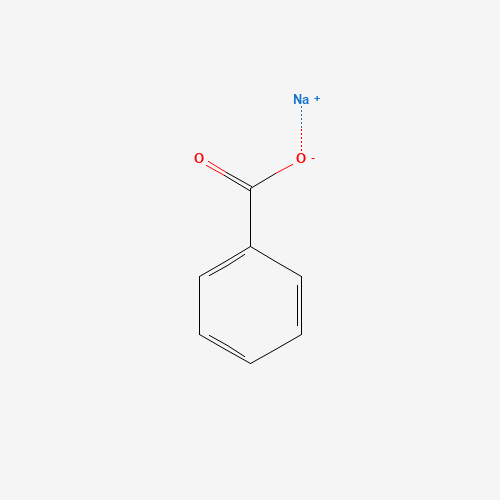
| Australia and New ZealandFood Standards Australia New Zealand | ◐Permitted, with conditions | 25 food categories highest permitted level 9,000 mg/kg Show every food category- 0 Preparations of food additives — 1,000 mg/kg
- 0.4 Rennetting enzymes — 9,000 mg/kg
- 11.4.1 Tabletop sweeteners—liquid preparation — GMP
- 13.4.1 Solid formulated supplementary sports foods — 400 mg/kg
- 13.4.2 Liquid formulated supplementary sports foods — 400 mg/kg
- 13.5 Food for special medical purposes — 1,500 mg/kg
- 14.1.2 Fruit and vegetable juices and fruit and vegetable juice products — 400 mg/kgNote: For each item under 14.1.2, the GMP principle precludes the use of preservatives in juices represented as not preserved by chemical or heat treatment.
- 14.1.3 Water based flavoured drinks — 400 mg/kg
- 14.1.4 Formulated Beverages — 400 mg/kg
- 14.2.4 Fruit wine, vegetable wine and mead (including cider and perry) — 400 mg/kg
- 14.3 Alcoholic beverages not included in item 14.2 — 400 mg/kg
- 2.2.2 Oil emulsions (<80% oil) — 1,000 mg/kg
- 20.2.0.3 Dairy and fat based desserts, dips and snacks — 700 mg/kg
- 20.2.0.4 Sauces and toppings (including mayonnaises and salad dressings) — 1,000 mg/kg
- 3.1 Ice confection sold in liquid form — 400 mg/kg
- 4.3.0.2 Mushrooms in brine or water and not commercially sterile — 500 mg/kg
- 4.3.0.3 Preserved cherries known as maraschino cherries, cocktail cherries or glacé cherries — 1,000 mg/kg
- 4.3.0.5 Coconut milk coconut cream and coconut syrup — 1,000 mg/kg
- 4.3.2 Fruits and vegetables in vinegar, oil, brine or alcohol — 1,000 mg/kg
- 4.3.4.1 Low joule chutneys, low joule jams and low joule spreads — 1,000 mg/kg
- 4.3.6 Fruit and vegetable preparations including pulp — 3,000 mg/kgChilli paste.
- 4.3.6 Fruit and vegetable preparations including pulp — 1,000 mg/kgOther foods.
- 4.3.8.2 Imitation fruit — 400 mg/kg
- 5.4 Icings and frostings — 1,000 mg/kg
- 9.3 Semi preserved fish and fish products — 2,500 mg/kg
| Food Standards Code, Schedule 15, S15—5and 24 further provisionsretrieved 2026-10-17 |
|---|
| CanadaHealth Canada | ◐Permitted, with conditions | no numerical limit (good manufacturing practice) 6 permitted uses Show every permitted use- In: Apple and (naming the fruit or fruits) jam; Concentrated (naming the fruit) juice, except frozen concentrated orange juice; Fig marmalade with pectin; (Naming the fruit or fruits) jam; (Naming the fruit or fruits) jam with pectin; (Naming the fruit or fruits) jelly with pectin; (Naming the fruit) juice; (Naming the fruits) juice; (Naming the citrus fruit or citrus fruits) marmalade with pectin; Mincemeat; Pickles and relishes; Pineapple marmalade with pectin; Rhubarb and (naming the fruit or fruits) jam; Tomato catsup; Tomato paste; Tomato pulp; Tomato puree. Purpose: Preservative. Limit: If used singly, the amount not to exceed 1,000 ppm, calculated as benzoic acid. If used in combination with benzoic acid or potassium benzoate, or both, the total combined amount not to exceed 1,000 ppm, calculated as benzoic acid. — Health Canada, List of Permitted Preservatives (List 11), item S.3(a)
- In: Calorie-reduced margarine; Margarine. Purpose: Preservative. Limit: If used singly, the amount not to exceed 1,000 ppm, calculated as benzoic acid. If used in any combination with benzoic acid, potassium benzoate, calcium sorbate, potassium sorbate, sodium sorbate or sorbic acid, the total combined amount not to exceed 1,000 ppm, calculated as benzoic acid and sorbic acid, respectively. — Health Canada, List of Permitted Preservatives (List 11), item S.3(b)
- In: (Naming the flavour) essence; (Naming the flavour) extract; (Naming the flavour) flavour. Purpose: Preservative. Limit: Good Manufacturing Practice. Amendment notices: M-FAA-24-14. — Health Canada, List of Permitted Preservatives (List 11), item S.3(b.1)
- In: Packaged fish or meat (as defined in section B.21.002 of the Food and Drug Regulations) products that are marinated or otherwise cold-processed. Purpose: Preservative. Limit: If used singly, the amount not to exceed 1,000 ppm, calculated as benzoic acid. If used in combination with benzoic acid or potassium benzoate, or both, the total combined amount not to exceed 1,000 ppm, calculated as benzoic acid. Amendment notices: NOM/ADM-0122. — Health Canada, List of Permitted Preservatives (List 11), item S.3(c)
- In: Unstandardized foods, except unstandardized preparations of meat or meat by-product, fish or meat (as defined in section B.21.002 of the Food and Drug Regulations) or poultry meat or poultry meat by-product and those unstandardized foods set out in paragraph (e) of this item. Purpose: Preservative. Limit: If used singly, the amount not to exceed 1,000 ppm, calculated as benzoic acid. If used in combination with benzoic acid or potassium benzoate, or both, the total combined amount not to exceed 1,000 ppm, calculated as benzoic acid. Amendment notices: NOM/ADM-0122. — Health Canada, List of Permitted Preservatives (List 11), item S.3(d)
- In: Unstandardized oyster-flavoured sauces. Purpose: Preservative. Limit: If used singly, the amount not to exceed 1,000 ppm, calculated as benzoic acid. If used in combination with benzoic acid or potassium benzoate, or both, the total combined amount not to exceed 1,000 ppm, calculated as benzoic acid. Amendment notices: NOM/ADM-0147. — Health Canada, List of Permitted Preservatives (List 11), item S.3(e)
| Health Canada, List of Permitted Preservatives (List 11)and 5 further provisionsretrieved 2026-10-17 |
|---|
| European UnionEuropean Commission / EFSA | ◐Permitted, with conditions | 44 food categories highest permitted level 5,000 mg/l Show every food category- 1.4 flavoured fermented milk products including heat-treated products — 300 mg/lPermitted as a member of Sorbic acid – potassium sorbate; Benzoic acid – benzoates. ML = 300 mg/l. only non-heat treated dairy-based desserts. Note 1: The additives may be added individually or in combination.
- 10.2 processed eggs and egg products — 5,000 mg/kgPermitted as a member of Sorbic acid – potassium sorbate; Benzoic acid – benzoates. ML = 5000 mg/kg. only liquid egg (white, yolk or whole egg). Note 1: The additives may be added individually or in combination.
- 11.4.1 table-top sweeteners in liquid form — 500 mg/kgPermitted as a member of Sorbic acid - potassium sorbate; Benzoic acid - benzoates; p-hydroxybenzoates. ML = 500 mg/kg. only if the water content higher than 75%. Note 1: The additives may be added individually or in combination.
- 12.2.2 Seasonings and condiments — 1,000 mg/kgPermitted as a member of Sorbic acid – potassium sorbate; Benzoic acid – benzoates. ML = 1000 mg/kg. Note 1: The additives may be added individually or in combination.
- 12.4 Mustard — 1,000 mg/kgPermitted as a member of Sorbic acid – potassium sorbate; Benzoic acid – benzoates. ML = 1000 mg/kg. Note 1: The additives may be added individually or in combination.
- 12.5 Soups and broths — 500 mg/kgPermitted as a member of Sorbic acid – potassium sorbate; Benzoic acid – benzoates. ML = 500 mg/kg. only liquid soups and broths (excluding canned). Note 1: The additives may be added individually or in combination.
- 12.6 Sauces — 1,000 mg/kgPermitted as a member of Sorbic acid – potassium sorbate; Benzoic acid – benzoates. ML = 1000 mg/kg. only emulsified sauces with a fat content of 60 % or more; non emulsified sauces. Note 1: The additives may be added individually or in combination.
- 12.6 Sauces — 1,000 mg/kgPermitted as a member of Benzoic acid - benzoates (BA). ML = 1000 mg/kg. only emulsified sauces with a fat content of less than 60 %. Note 1: The additives may be added individually or in combination.
- 12.7 Salads and savoury-based sandwich spreads — 1,500 mg/kgPermitted as a member of Sorbic acid – potassium sorbate; Benzoic acid – benzoates. ML = 1500 mg/kg. Note 1: The additives may be added individually or in combination.
- 13.2 Foods for special medical purposes as defined by Regulation (EU) No 609/2013 (excluding products from food category 13.1.5.) — 1,500 mg/kgPermitted as a member of Sorbic acid – potassium sorbate; Benzoic acid – benzoates. ML = 1500 mg/kg.
- 13.3 Total diet replacement for weight control food as defined by Regulation (EU) No 609/2013 — 1,500 mg/kgPermitted as a member of Sorbic acid – potassium sorbate; Benzoic acid – benzoates. ML = 1500 mg/kg.
- 14.1.2 Fruit juices as defined by Directive 2001/112/EC and vegetable juices — 2,000 mg/lPermitted as a member of Sorbic acid – potassium sorbate; Benzoic acid – benzoates. ML = 2000 mg/l. only grape juice, unfermented, for sacramental use.
- 14.1.3 Fruit nectars as defined by Directive 2001/112/EC and vegetable nectars and similar products — 150 mg/lPermitted as a member of Benzoic acid - benzoates (BA). ML = 150 mg/l. only traditional Swedish and Finnish fruit syrups.
- 14.1.4 Flavoured_drinks — 150 mg/lPermitted as a member of Benzoic acid - benzoates (BA). ML = 150 mg/l. excluding dairy-based drinks.
- 14.1.5.2 other — 600 mg/lPermitted as a member of Sorbic acid – potassium sorbate; Benzoic acid – benzoates. ML = 600 mg/l. only liquid tea concentrates and liquid fruit and herbal infusion concentrates. Note 1: The additives may be added individually or in combination.
- 14.2.1 beer and malt beverages — 200 mg/lPermitted as a member of Benzoic acid - benzoates (BA). ML = 200 mg/l. only alcohol-free beer; beer in kegs containing more than 0.5 % added fermentable sugar and/or fruit juices or concentrates. Note 1: The additives may be added individually or in combination.
- 14.2.2 Wine and other products defined in Annex VII part II of Regulation (EU) No 1308/2013 — 200 mg/kgPermitted as a member of Benzoic acid - benzoates (BA). ML = 200 mg/kg. only alcohol-free Period of application: From 19 July 2012. Note 1: The additives may be added individually or in combination.
- 14.2.8 Other alcoholic beverages including mixtures of alcoholic beverages with non-alcoholic beverages and other alcoholic beverages based on distilled alcohol with alcoholic strength by volume less than 15 %Permitted as a member of Sorbic acid – potassium sorbate; Benzoic acid – benzoates. only alcoholic beverages with alcoholic strength by volume less than 15 %.
- 14.2.8 Other alcoholic beverages including mixtures of alcoholic beverages with non-alcoholic beverages and other alcoholic beverages based on distilled alcohol with alcoholic strength by volume less than 15 % — 200 mg/lPermitted as a member of Benzoic acid - benzoates (BA). ML = 200 mg/l. only alcoholic beverages with alcoholic strength by volume less than 15 %. Note 1: The additives may be added individually or in combination.
- 16 Desserts excluding products covered in category 1 3 and 4 — 300 mg/kgPermitted as a member of Sorbic acid – potassium sorbate; Benzoic acid – benzoates. ML = 300 mg/kg. only non-heat-treated dairy-based desserts. Note 1: The additives may be added individually or in combination.
- 16 Desserts excluding products covered in category 1 3 and 4 — 500 mg/kgPermitted as a member of Benzoic acid - benzoates (BA). ML = 500 mg/kg. only frugtgrød and rote Grütze. Note 1: The additives may be added individually or in combination.
- 17.1 food supplements supplied in a solid form excluding food supplements for infants and young children’, — 1,000 mg/kgPermitted as a member of Sorbic acid – potassium sorbate; Benzoic acid – benzoates. ML = 1000 mg/kg. only food supplements in dried form and containing preparations of vitamin A and of combinations of vitamins A and D, except in chewable form. Note 1: The additives may be added individually or in combination.
- 17.2 food supplements supplied in a liquid form excluding food supplements for Infants and young children — 2,000 mg/lPermitted as a member of Sorbic acid – potassium sorbate; Benzoic acid – benzoates. ML = 2000 mg/l. except food supplements in syrup form. Note 1: The additives may be added individually or in combination.
- 18.2 Meal replacement for weight control as referred to in Commission Regulation (EU) No 432/2012 — 1,500 mg/kgPermitted as a member of Sorbic acid – potassium sorbate; Benzoic acid – benzoates. ML = 1500 mg/kg.
- 4.2.2 fruit and vegetables in vinegar oil or brine — 2,000 mg/kgPermitted as a member of Sorbic acid – potassium sorbate; Benzoic acid – benzoates. ML = 2000 mg/kg. only vegetables (excluding olives). Note 1: The additives may be added individually or in combination.
- 4.2.2 fruit and vegetables in vinegar oil or brine — 500 mg/kgPermitted as a member of Benzoic acid - benzoates (BA). ML = 500 mg/kg. only olives and olive-based preparations. Note 1: The additives may be added individually or in combination.
- 4.2.4.1 fruit and vegetable preparations excluding compote — 1,000 mg/kgPermitted as a member of Sorbic acid – potassium sorbate; Benzoic acid – benzoates. ML = 1000 mg/kg. only olive-based preparations. Note 1: The additives may be added individually or in combination.
- 4.2.4.1 fruit and vegetable preparations excluding compote — 500 mg/kgPermitted as a member of Benzoic acid - benzoates (BA). ML = 500 mg/kg. only seaweed preparations, olives and olive-based preparations. Note 1: The additives may be added individually or in combination.
- 4.2.5.1 Extra jam and extra jelly as defined by Directive 2001/113/EC — 1,000 mg/kgPermitted as a member of Sorbic acid – potassium sorbate; Benzoic acid – benzoates. ML = 1000 mg/kg. only low-sugar and similar low calorie or sugar-free products, mermeladas. Note 1: The additives may be added individually or in combination.
- 4.2.5.1 Extra jam and extra jelly as defined by Directive 2001/113/EC — 500 mg/kgPermitted as a member of Benzoic acid - benzoates (BA). ML = 500 mg/kg. only low-sugar and similar low calorie or sugar-free products, mermeladas. Note 1: The additives may be added individually or in combination.
- 4.2.5.2 Jam, jellies and marmalades and sweetened chestnut puree as defined by Directive 2001/113/EC — 1,000 mg/kgPermitted as a member of Sorbic acid – potassium sorbate; Benzoic acid – benzoates. ML = 1000 mg/kg. only low-sugar and similar low calorie or sugar-free products, spreads, mermeladas. Note 1: The additives may be added individually or in combination.
- 4.2.5.2 Jam, jellies and marmalades and sweetened chestnut puree as defined by Directive 2001/113/EC — 500 mg/kgPermitted as a member of Benzoic acid - benzoates (BA). ML = 500 mg/kg. only low-sugar and similar low calorie or sugar-free products, mermeladas. Note 1: The additives may be added individually or in combination.
- 4.2.5.3 other similar fruit or vegetable spreads — 1,000 mg/kgPermitted as a member of Sorbic acid – potassium sorbate; Benzoic acid – benzoates. ML = 1000 mg/kg. other fruit-based spreads, mermeladas. Note 1: The additives may be added individually or in combination.
- 4.2.5.3 other similar fruit or vegetable spreads — 500 mg/kgPermitted as a member of Benzoic acid - benzoates (BA). ML = 500 mg/kg. other fruit-based spreads mermeladas. Note 1: The additives may be added individually or in combination.
- 5.2 Other confectionery including breath freshening micro-sweets — 1,000 mg/kgPermitted as a member of Sorbic acid – potassium sorbate; Benzoic acid – benzoates. ML = 1000 mg/kg. only candied, crystallized or glacé fruit and vegetables. Note 1: The additives may be added individually or in combination.
- 5.2 Other confectionery including breath freshening micro-sweets — 1,500 mg/lPermitted as a member of Sorbic acid - potassium sorbate; Benzoic acid - benzoates; p-hydroxybenzoates. ML = 1500 mg/l. except candied, crystallized or glacé fruit and vegetables.
- 5.3 chewing gum — 1,500 mg/kgPermitted as a member of Sorbic acid – potassium sorbate; Benzoic acid – benzoates. ML = 1500 mg/kg. Note 1: The additives may be added individually or in combination.
- 5.4 Decorations, coatings and fillings, except fruit-based fillings covered by category 4.2.4 — 1,500 mg/kgPermitted as a member of Sorbic acid - potassium sorbate; Benzoic acid - benzoates; p-hydroxybenzoates. ML = 1500 mg/kg. Note 1: The additives may be added individually or in combination.
- 8.3.1 Non-heat-treated processed meat — quantum satisPermitted as a member of Sorbic acid - potassium sorbate; Benzoic acid - benzoates; p-hydroxybenzoates. quantum satis. only surface treatment of dried meat products. Note 1: The additives may be added individually or in combination.
- 8.3.2 Heat-treated meat products — quantum satisPermitted as a member of Sorbic acid - potassium sorbate; Benzoic acid - benzoates; p-hydroxybenzoates. quantum satis. only surface treatment of dried meat products. Note 1: The additives may be added individually or in combination.
- 8.3.2 Heat-treated meat products — 500 mg/kgPermitted as a member of Benzoic acid - benzoates (BA). ML = 500 mg/kg. only aspic. Note 1: The additives may be added individually or in combination.
- 9.2 Processed fish and fishery products including molluscs and crustaceans — 200 mg/kgPermitted as a member of Sorbic acid – potassium sorbate; Benzoic acid – benzoates. ML = 200 mg/kg. only salted, dried fish. Note 1: The additives may be added individually or in combination.
- 9.2 Processed fish and fishery products including molluscs and crustaceans — 1,500 mg/kgPermitted as a member of Benzoic acid - benzoates (BA). ML = 1500 mg/kg. Only cooked shrimps in brine. Note 1: The additives may be added individually or in combination.
- 9.3 fish roe — 2,000 mg/kgPermitted as a member of Sorbic acid – potassium sorbate; Benzoic acid – benzoates. ML = 2000 mg/kg. only semi-preserved fish products including fish roe products. Note 1: The additives may be added individually or in combination.
| Regulation (EC) No 1333/2008, Annex IIand 43 further provisionsretrieved 2026-10-18 |
|---|
| Great BritainFood Standards Agency / Food Standards Scotland | ◐Permitted, with conditions | 43 food categories highest permitted level 5,000 mg/kg or mg/l Show every food category- 1.4 Flavoured fermented milk products including heat-treated products — 300 mg/kg or mg/lPermitted as a member of E 200–213: Sorbic acid — sorbates; Benzoic acid — benzoates (SA + BA). ML = 300. only non-heat-treated dairy based desserts. Note (1): The additives may be added individually or in combination. Note (2): The maximum level is applicable to the sum and the levels are expressed as the free acid.
- 10.2 Processed eggs and egg products — 5,000 mg/kg or mg/lPermitted as a member of E 200–213: Sorbic acid — sorbates; Benzoic acid — benzoates (SA + BA). ML = 5000. only liquid egg (white, yolk or whole egg). Note (1): The additives may be added individually or in combination. Note (2): The maximum level is applicable to the sum and the levels are expressed as the free acid.
- 11.4.1 Table-top sweeteners in liquid form — 500 mg/kg or mg/lPermitted as a member of E 200–219: Sorbic acid — sorbates; Benzoic acid — benzoates; p-hydroxybenzoates (SA + BA + PHB). ML = 500. only if the water content higher than 75 %. Note (1): The additives may be added individually or in combination. Note (2): The maximum level is applicable to the sum and the levels are expressed as the free acid.
- 12.2.2 Seasonings and condiments — 1,000 mg/kg or mg/lPermitted as a member of E 200–213: Sorbic acid — sorbates; Benzoic acid — benzoates (SA + BA). ML = 1000. Note (1): The additives may be added individually or in combination. Note (2): The maximum level is applicable to the sum and the levels are expressed as the free acid.
- 12.4 Mustard — 1,000 mg/kg or mg/lPermitted as a member of E 200–213: Sorbic acid — sorbates; Benzoic acid — benzoates (SA + BA). ML = 1000. Note (1): The additives may be added individually or in combination. Note (2): The maximum level is applicable to the sum and the levels are expressed as the free acid.
- 12.5 Soups and broths — 500 mg/kg or mg/lPermitted as a member of E 200–213: Sorbic acid — sorbates; Benzoic acid — benzoates (SA + BA). ML = 500. only liquid soups and broths (excluding canned). Note (1): The additives may be added individually or in combination. Note (2): The maximum level is applicable to the sum and the levels are expressed as the free acid.
- 12.6 Sauces — several limitsPermitted as a member of E 200–213: Sorbic acid — sorbates; Benzoic acid — benzoates (SA + BA). (1) ML 1000: only emulsified sauces with a fat content of 60 % or more; non emulsified sauces; (2) ML 2000: only emulsified sauces with a fat content of less than 60 %. Note (1): The additives may be added individually or in combination. Note (2): The maximum level is applicable to the sum and the levels are expressed as the free acid.
- 12.6 Sauces — several limitsPermitted as a member of E 210–213: Benzoic acid — benzoates (BA). (1) ML 1000: only emulsified sauces with a fat content of less than 60 %; (2) ML 500: only emulsified sauces with a fat content of 60 % or more. Note (1): The additives may be added individually or in combination. Note (2): The maximum level is applicable to the sum and the levels are expressed as the free acid.
- 12.7 Salads and savoury based sandwich spreads — 1,500 mg/kg or mg/lPermitted as a member of E 200–213: Sorbic acid — sorbates; Benzoic acid — benzoates (SA + BA). ML = 1500. Note (1): The additives may be added individually or in combination. Note (2): The maximum level is applicable to the sum and the levels are expressed as the free acid.
- 13.2 Dietary foods for special medical purposes defined in Directive 1999/21/EC (excluding products from food category 13.1.5) — 1,500 mg/kg or mg/lPermitted as a member of E 200–213: Sorbic acid — sorbates; Benzoic acid — benzoates (SA + BA). ML = 1500. Note (1): The additives may be added individually or in combination. Note (2): The maximum level is applicable to the sum and the levels are expressed as the free acid.
- 13.3 Dietary foods for weight control diets intended to replace total daily food intake or an individual meal (the whole or part of the total daily diet) — 1,500 mg/kg or mg/lPermitted as a member of E 200–213: Sorbic acid — sorbates; Benzoic acid — benzoates (SA + BA). ML = 1500. Note (1): The additives may be added individually or in combination. Note (2): The maximum level is applicable to the sum and the levels are expressed as the free acid.
- 14.1.2 Fruit juices as defined by Directive 2001/112/EC and vegetable juices — 2,000 mg/kg or mg/lPermitted as a member of E 200–213: Sorbic acid — sorbates; Benzoic acid — benzoates (SA + BA). ML = 2000. only grape juice, unfermented, for sacramental use. Note (1): The additives may be added individually or in combination. Note (2): The maximum level is applicable to the sum and the levels are expressed as the free acid.
- 14.1.2 Fruit juices as defined by Directive 2001/112/EC and vegetable juices — 200 mg/kg or mg/lPermitted as a member of E 210–213: Benzoic acid — benzoates (BA). ML = 200. only Sød … saft and sødet … saft. Note (1): The additives may be added individually or in combination. Note (2): The maximum level is applicable to the sum and the levels are expressed as the free acid.
- 14.1.3 Fruit nectars as defined by Directive 2001/112/EC and vegetable nectars and similar products — 150 mg/kg or mg/lPermitted as a member of E 210–213: Benzoic acid — benzoates (BA). ML = 150. only traditional Swedish and Finnish fruit syrups. Note (1): The additives may be added individually or in combination (11): Limits are expressed as (a) acesulfame K equivalent or (b) aspartame equivalent. Note (2): The maximum level is applicable to the sum and the levels are expressed as the free acid.
- 14.1.4 Flavoured drinks — 150 mg/kg or mg/lPermitted as a member of E 210–213: Benzoic acid — benzoates (BA). ML = 150. excluding dairy-based drinks. Note (1): The additives may be added individually or in combination. Note (2): The maximum level is applicable to the sum and the levels are expressed as the free acid.
- 14.1.5.2 Other — 600 mg/kg or mg/lPermitted as a member of E 200–213: Sorbic acid — sorbates; Benzoic acid — benzoates (SA + BA). ML = 600. only liquid tea concentrates and liquid fruit and herbal infusion concentrates. Note (1): The additives may be added individually or in combination. Note (2): The maximum level is applicable to the sum and the levels are expressed as the free acid.
- 14.2.1 Beer and malt beverages — 200 mg/kg or mg/lPermitted as a member of E 210–213: Benzoic acid — benzoates (BA). ML = 200. only alcohol-free beer; beer in kegs containing more than 0,5 % added fermentable sugar and/or fruit juices or concentrates. Note (1): The additives may be added individually or in combination. Note (2): The maximum level is applicable to the sum and the levels are expressed as the free acid.
- 14.2.2 Wine and other products defined by Regulation (EEC) No 1234/2007, and alcohol-free counterparts — 200 mg/kg or mg/lPermitted as a member of E 210–213: Benzoic acid — benzoates (BA). ML = 200. only alcohol-free Period of application: From 19 July 2012. Note (1): The additives may be added individually or in combination. Note (2): The maximum level is applicable to the sum and the levels are expressed as the free acid.
- 14.2.8 Other alcoholic drinks including mixtures of alcoholic drinks with non-alcoholic drinks and spirits with less than 15 % of alcohol — 200 mg/kg or mg/lPermitted as a member of E 210–213: Benzoic acid — benzoates (BA). ML = 200. only alcoholic drinks with less than 15 % of alcohol. Note (1): The additives may be added individually or in combination. Note (2): The maximum level is applicable to the sum and the levels are expressed as the free acid.
- 16 Desserts excluding products covered in categories 1, 3 and 4 — 300 mg/kg or mg/lPermitted as a member of E 200–213: Sorbic acid — sorbates; Benzoic acid — benzoates (SA + BA). ML = 300. only non-heat-treated dairy-based desserts. Note (1): The additives may be added individually or in combination. Note (2): The maximum level is applicable to the sum and the levels are expressed as the free acid.
- 16 Desserts excluding products covered in categories 1, 3 and 4 — 500 mg/kg or mg/lPermitted as a member of E 210–213: Benzoic acid — benzoates (BA). ML = 500. only frugtgrød and rote Grütze. Note (1): The additives may be added individually or in combination. Note (2): The maximum level is applicable to the sum and the levels are expressed as the free acid.
- 17.1 Food supplements supplied in a solid form, excluding food supplements for infants and young children — 1,000 mg/kg or mg/lPermitted as a member of E 200–213: Sorbic acid — sorbates; Benzoic acid — benzoates (SA + BA). ML = 1000. only food supplements in dried form and containing preparations of vitamin A and of combinations of vitamins A and D, except in chewable form. Note (1): The additives may be added individually or in combination. Note (2): The maximum level is applicable to the sum and the levels are expressed as the free acid.
- 17.2 Food supplements supplied in a liquid form, excluding food supplements for infants and young children — 2,000 mg/kg or mg/lPermitted as a member of E 200–213: Sorbic acid — sorbates; Benzoic acid — benzoates (SA + BA). ML = 2000. except food supplements in syrup form. Note (1): The additives may be added individually or in combination. Note (2): The maximum level is applicable to the sum and the levels are expressed as the free acid.
- 4.2.2 Fruit and vegetables in vinegar, oil, or brine — several limitsPermitted as a member of E 200–213: Sorbic acid — sorbates; Benzoic acid — benzoates (SA + BA). (1) ML 2000: only vegetables (excluding olives); (2) ML 1000: only olives and olive-based preparations. Note (1): The additives may be added individually or in combination. Note (2): The maximum level is applicable to the sum and the levels are expressed as the free acid.
- 4.2.2 Fruit and vegetables in vinegar, oil, or brine — 500 mg/kg or mg/lPermitted as a member of E 210–213: Benzoic acid — benzoates (BA). ML = 500. only olives and olive-based preparations. Note (1): The additives may be added individually or in combination. Note (2): The maximum level is applicable to the sum and the levels are expressed as the free acid.
- 4.2.4.1 Fruit and vegetable preparations excluding compote — several limitsPermitted as a member of E 210–213: Benzoic acid — benzoates (BA). (1) ML 500: only seaweed preparations, olives and olive-based preparations; (2) ML 2000: only cooked red beet. Note (1): The additives may be added individually or in combination. Note (2): The maximum level is applicable to the sum and the levels are expressed as the free acid.
- 4.2.4.1 Fruit and vegetable preparations excluding compote — 1,000 mg/kg or mg/lPermitted as a member of E 200–213: Sorbic acid — sorbates; Benzoic acid — benzoates (SA + BA). ML = 1000. only olive-based preparations. Note (1): The additives may be added individually or in combination. Note (2): The maximum level is applicable to the sum and the levels are expressed as the free acid.
- 4.2.5.1 Extra jam and extra jelly as defined by Directive 2001/113/EC — 1,000 mg/kg or mg/lPermitted as a member of E 200–213: Sorbic acid — sorbates; Benzoic acid — benzoates (SA + BA). ML = 1000. only low-sugar and similar low calorie or sugar-free products, mermeladas. Note (1): The additives may be added individually or in combination. Note (2): The maximum level is applicable to the sum and the levels are expressed as the free acid.
- 4.2.5.1 Extra jam and extra jelly as defined by Directive 2001/113/EC — 500 mg/kg or mg/lPermitted as a member of E 210–213: Benzoic acid — benzoates (BA). ML = 500. only low-sugar and similar low calorie or sugar-free products, mermeladas. Note (1): The additives may be added individually or in combination. Note (2): The maximum level is applicable to the sum and the levels are expressed as the free acid.
- 4.2.5.2 Jam, jellies and marmalades and sweetened chestnut puree as defined by Directive 2001/113/EC — 1,000 mg/kg or mg/lPermitted as a member of E 200–213: Sorbic acid — sorbates; Benzoic acid — benzoates (SA + BA). ML = 1000. only low-sugar and similar low calorie or sugar-free products, spreads, mermeladas. Note (1): The additives may be added individually or in combination. Note (2): The maximum level is applicable to the sum and the levels are expressed as the free acid.
- 4.2.5.2 Jam, jellies and marmalades and sweetened chestnut puree as defined by Directive 2001/113/EC — 500 mg/kg or mg/lPermitted as a member of E 210–213: Benzoic acid — benzoates (BA). ML = 500. only low-sugar and similar low calorie or sugar-free products, mermeladas. Note (1): The additives may be added individually or in combination. Note (2): The maximum level is applicable to the sum and the levels are expressed as the free acid.
- 4.2.5.3 Other similar fruit or vegetable spreads — several limitsPermitted as a member of E 200–213: Sorbic acid — sorbates; Benzoic acid — benzoates (SA + BA). (1) ML 1000: other fruit-based spreads, mermeladas; (2) ML 1500: only marmelada. Note (1): The additives may be added individually or in combination. Note (2): The maximum level is applicable to the sum and the levels are expressed as the free acid.
- 4.2.5.3 Other similar fruit or vegetable spreads — several limitsPermitted as a member of E 210–213: Benzoic acid — benzoates (BA). (1) ML 500: other fruit-based spreads, mermeladas; (2) ML 1000: only dulce de membrillo. Note (1): The additives may be added individually or in combination. Note (2): The maximum level is applicable to the sum and the levels are expressed as the free acid.
- 5.2 Other confectionery including breath refreshening microsweets — 1,500 mg/kg or mg/lPermitted as a member of E 200–219: Sorbic acid — sorbates; Benzoic acid — benzoates; p-hydroxybenzoates (SA + BA + PHB). ML = 1500. except candied, crystallized or glacé fruit and vegetables. Note (1): The additives may be added individually or in combination. Note (2): The maximum level is applicable to the sum and the levels are expressed as the free acid. Note (5): E 214-219: p-hydroxybenzoates (PHB), maximum 300 mg/kg.
- 5.2 Other confectionery including breath refreshening microsweets — 1,000 mg/kg or mg/lPermitted as a member of E 200–213: Sorbic acid — sorbates; Benzoic acid — benzoates (SA + BA). ML = 1000. only candied, crystallized or glacé fruit and vegetables. Note (1): The additives may be added individually or in combination. Note (2): The maximum level is applicable to the sum and the levels are expressed as the free acid.
- 5.3 Chewing gum — 1,500 mg/kg or mg/lPermitted as a member of E 200–213: Sorbic acid — sorbates; Benzoic acid — benzoates (SA + BA). ML = 1500. Note (1): The additives may be added individually or in combination. Note (2): The maximum level is applicable to the sum and the levels are expressed as the free acid.
- 5.4 Decorations, coatings and fillings, except fruit based fillings covered by category 4.2.4 — 1,500 mg/kg or mg/lPermitted as a member of E 200–219: Sorbic acid — sorbates; Benzoic acid — benzoates; p-hydroxybenzoates (SA + BA + PHB). ML = 1500. Note (1): The additives may be added individually or in combination. Note (2): The maximum level is applicable to the sum and the levels are expressed as the free acid. Note (5): E 214-219: p-hydroxybenzoates (PHB), maximum 300 mg/kg.
- 8.3.1 Non-heat-treated meat products — quantum satisPermitted as a member of E 200–219: Sorbic acid — sorbates; Benzoic acid — benzoates; p-hydroxybenzoates (SA + BA + PHB). quantum satis. only surface treatment of dried meat products. Note (1): The additives may be added individually or in combination. Note (2): The maximum level is applicable to the sum and the levels are expressed as the free acid.
- 8.3.2 Heat-treated meat products — quantum satisPermitted as a member of E 200–219: Sorbic acid — sorbates; Benzoic acid — benzoates; p-hydroxybenzoates (SA + BA + PHB). quantum satis. only surface treatment of dried meat products. Note (1): The additives may be added individually or in combination. Note (2): The maximum level is applicable to the sum and the levels are expressed as the free acid.
- 8.3.2 Heat-treated meat products — 500 mg/kg or mg/lPermitted as a member of E 210–213: Benzoic acid — benzoates (BA). ML = 500. only aspic. Note (1): The additives may be added individually or in combination. Note (2): The maximum level is applicable to the sum and the levels are expressed as the free acid.
- 9.2 Processed fish and fishery products including mollusks and crustaceans — several limitsPermitted as a member of E 200–213: Sorbic acid — sorbates; Benzoic acid — benzoates (SA + BA). (1) ML 200: only salted, dried fish; (2) ML 2000: only semi-preserved fish and fisheries products including crustaceans, molluscs, surimi and fish/crustacean paste; cooked crustaceans and molluscs; (3) ML 6000: only cooked Crangon crangon and Crangon vulgaris. Note (1): The additives may be added individually or in combination. Note (2): The maximum level is applicable to the sum and the levels are expressed as the free acid.
- 9.2 Processed fish and fishery products including mollusks and crustaceans — several limitsPermitted as a member of E 210–213: Benzoic acid — benzoates (BA). (1) ML 1000: only cooked crustaceans and molluscs; (2) ML 1500: only cooked shrimps in brine. Note (1): The additives may be added individually or in combination. Note (2): The maximum level is applicable to the sum and the levels are expressed as the free acid.
- 9.3 Fish roe — 2,000 mg/kg or mg/lPermitted as a member of E 200–213: Sorbic acid — sorbates; Benzoic acid — benzoates (SA + BA). ML = 2000. only semi-preserved fish products including fish roe products. Note (1): The additives may be added individually or in combination. Note (2): The maximum level is applicable to the sum and the levels are expressed as the free acid.
| Assimilated Regulation (EC) No 1333/2008, Annex II (as at 28 June 2024)and 42 further provisionsretrieved 2026-10-18 |
|---|
| JapanConsumer Affairs Agency | ◐Permitted, with conditions | Designated additive: Appended Table 1, item 43, 安息香酸ナトリウム (“Sodium Benzoate” in the unofficial English translation). …Designated additive: Appended Table 1, item 43, 安息香酸ナトリウム (“Sodium Benzoate” in the unofficial English translation). Standards for use — Specifications and Standards for Foods, Food Additives, etc. (MHW Notification No. 370 of 1959), Part II (Food Additives), F (Standards for use), entry 安息香酸ナトリウム: (1) [may be used only in the foods stated] “安息香酸ナトリウムは、菓子の製造に用いる果実ペースト(果実をすり潰し、又は裏ごししてペースト状としたものをいう。以下この目において同じ。)及び果汁(濃縮果汁を含む。以下この目において同じ。)、キャビア、しょう油、シロップ、清涼飲料水並びにマーガリン以外の食品に使用してはならない。” (2) [sets maximum levels of use for the foods stated] “安息香酸ナトリウムの使用量は、安息香酸として、キャビアにあってはその1kgにつき2.5g以下、菓子の製造に用いる果実ペースト及び果汁並びにマーガリンにあってはその1kgにつき1.0g(マーガリンにあっては、ソルビン酸、ソルビン酸カリウム又はソルビン酸カルシウムを併用する場合には、安息香酸としての使用量及びソルビン酸としての使用量の合計量が1.0g)以下、しょう油、シロップ及び清涼飲料水にあってはその1kgにつき0.60g以下でなければならない。” The Japanese is the standard as published. There is no official English translation of the Notification; the English in square brackets is this site’s description of what each sentence does, not a translation of the foods or the levels. Compositional specifications for this additive, in the same Notification, are not imported and are not shown here; nor are the general rules in F 添加物一般, which apply to every additive. | Regulations for Enforcement of the Food Sanitation Act (MHW Ordinance No. 23 of 1948), Appended Table 1retrieved 2026-10-18 |
|---|
| South KoreaMinistry of Food and Drug Safety | ◐Permitted, with conditions | Designated food additive: Standards and Specifications for Food Additives, Part III, 1. …Designated food additive: Standards and Specifications for Food Additives, Part III, 1. 일반식품첨가물 (general food additives), 안식향산나트륨 (“Sodium Benzoate”, the English the Code prints beside it). Main use (주용도) of 안식향산나트륨: 보존료. Standard for use (사용기준) of 안식향산나트륨: (1) [may be used only in the foods listed; sets a limit on the amount used] “안식향산나트륨은 아래의 식품에 한하여 사용하여야 한다. 안식향산나트륨의 사용량은 안식향산으로서 1. 과일·채소류음료(비가열제품 제외) ∶0.6g/kg 이하(다만, 농축과일즙, 과·채주스의 경우 소브산, 소브산칼륨 또는 소브산칼슘과 병용할 때에는 안식향산으로서 사용량과 소브산으로서 사용량의 합계가 1.0g/kg 이하이어야 하며, 그 중 안식향산으로서의 사용량은 0.6g/kg 이하) 2. 탄산음료 : 0.6g/kg 이하(소브산, 소브산칼륨 또는 소브산칼슘과 병용할 때에는 안식향산으로서 사용량과 소브산으로서 사용량의 합계가 0.6g/kg 이하, 그 중 소브산으로서의 사용량은 0.5g/kg 이하) 3. 기타음료(분말제품 제외), 인삼․홍삼음료 ∶0.6g/kg 이하(파라옥시안식향산에틸 또는 파라옥시안식향산메틸과 병용할 때에는 안식향산으로서 사용량과 파라옥시안식향산으로서 사용량의 합계가 0.6g/kg 이하이어야 하며, 그 중 파라옥시안식향산으로서의 사용량은 0.1g/kg 이하) 4. 한식간장, 양조간장, 산분해간장, 효소분해간장, 혼합간장 ∶0.6g/kg 이하(파라옥시안식향산에틸 또는 파라옥시안식향산메틸과 병용할 때에는 안식향산으로서 사용량과 파라옥시안식향산으로서 사용량의 합계가 0.6g/kg 이하이어야 하며, 그 중 파라옥시안식향산으로서의 사용량은 0.25g/kg 이하) 5. 알로에 겔 건강기능식품(단, 두 가지 이상의 건강기능식품원료를 사용하는 경우에는 사용된 알로에 겔 건강기능식품 성분의 배합비율을 적용)∶0.5g/kg 이하(소브산, 소브산칼륨 또는 소브산칼슘과 병용할 때에는 안식향산으로서 사용량과 소브산으로서 사용량의 합계가 1.5g/kg 이하이어야 하며, 그 중 소브산으로서의 사용량은 1.0g/kg 이하) 6. 잼류∶1.0g/kg 이하(소브산, 소브산칼륨, 소브산칼슘, 파라옥시안식향산메틸, 파라옥시안식향산에틸, 프로피온산, 프로피온산나트륨 또는 프로피온산칼슘과 병용할 때에는 안식향산으로서 사용량, 소브산으로서 사용량, 파라옥시안식향산으로서 사용량 및 프로피온산으로서 사용량의 합계가 1.0g/kg 이하) 7. 망고처트니 : 0.25g/kg 이하(파라옥시안식향산메틸 또는 파라옥시안식향산에틸과 병용할 때에는 안식향산으로서 사용량과 파라옥시안식향산으로서 사용량의 합계가 0.25g/kg 이하) 8. 마가린:1.0g/kg 이하(소브산, 소브산칼륨 또는 소브산칼슘과 병용할 때에는 안식향산으로서 사용량과 소브산으로서 사용량의 합계가 2.0g/kg 이하이며, 그 중 안식향산으로서의 사용량은 1.0g/kg 이하임) 9. 절임식품, 마요네즈 : 1.0g/kg 이하(소브산, 소브산칼륨 또는 소브산칼슘과 병용할 때에는 안식향산으로서 사용량과 소브산으로서 사용량의 합계가 1.5g/kg 이하이어야 하며, 그 중 소브산으로서의 사용량은 1.0g/kg 이하)” The Korean is the standard as published. There is no official English translation of the current Code (the English version on MFDS’s website is the 2020 edition and has no legal effect); the English in square brackets is this site’s description of what each sentence does, not a translation of the foods or the levels. Compositional specifications (Part IV) are not imported, nor are the general standards in Part II, which apply to every additive. | Standards and Specifications for Food Additives (식품첨가물의 기준 및 규격), MFDS Notification, Part III (Standards for use, by item)retrieved 2026-10-18 |
|---|
| United StatesFood and Drug Administration | ●Permitted | | 21 CFR 184.1733retrieved 2026-10-17 |
|---|
| Codex AlimentariusCodex Alimentarius Commission / JECFA | ◐Permitted, with conditions | 62 food categories highest permitted level 5,000 mg/kg Show every food category and its notes- 01.1.4 Flavoured Fluid Milk Drinks — 300 mg/kg
- Note 13 As benzoic acid.
- Note 457 For use in flavoured fermented products, heat treated after fermentation, conforming to the Standard for Fermented Milks (CXS 243-2003) only.
- 01.7 Dairy-based desserts (e.g. pudding, fruit or flavoured yoghurt) — 300 mg/kg
- Note 13 As benzoic acid.
- Note 614 Except for use in products conforming to the Standard for Fermented Milks (CXS243-2003): for use in flavoured fermented products, heat treated after fermentation.
- 02.2.2 Fat spreads, dairy fat spreads and blended spreads — 1,000 mg/kg
- Note 13 As benzoic acid.
- Note 529 For use in products conforming to the Standard for Fat Spreads and Blended Spreads (CXS 256-2007); if benzoates and sorbates are used in combination, the combined use shall not exceed 2000 mg/kg of which the benzoic acid portion shall not exceed 1000 mg/kg.
- Note XS253 Excluding products conforming to the Standard for Dairy Fat Spreads (CXS 253-2006).
- 02.3 Fat emulsions mainly of type oil-in-water, including mixed and/or flavoured products based on fat emulsions — 1,000 mg/kg
- 02.4 Fat-based desserts excluding dairy-based dessert products of food category 01.7 — 1,000 mg/kg
- 04.1.2.10 Fermented fruit products — 1,000 mg/kg
- 04.1.2.11 Fruit fillings for pastries — 1,000 mg/kg
- 04.1.2.12 Cooked fruit — 1,000 mg/kg
- 04.1.2.2 Dried fruit — 800 mg/kg
- 04.1.2.3 Fruit in vinegar, oil, or brine — 1,000 mg/kg
- 04.1.2.5 — 1,000 mg/kg
- 04.1.2.6 Fruit-based spreads (e.g. chutney) excluding products of food category — 1,000 mg/kg
- Note 13 As benzoic acid.
- Note 568 Except for use in products conforming to the Standard for Mango Chutney (CXS 160-1987): Sodium benzoate (INS 211) and Potassium benzoate (INS 212) only at 250 mg/kg, singly or in combination.
- 04.1.2.7 Candied fruit — 1,000 mg/kg
- 04.1.2.8 Fruit preparations, including pulp, purees, fruit toppings and coconut milk — 1,000 mg/kg
- Note 13 As benzoic acid.
- Note XS314R Excluding products conforming to the Standard for Date Paste (CODEX STAN 314R-2013).
- 04.1.2.9 Fruit-based desserts, incl. fruit-flavoured water-based desserts — 1,000 mg/kg
- 04.2.2.2 Dried vegetables (including mushrooms and fungi, roots and tubers, pulses and legumes, and aloe vera), seaweeds, and nuts and seeds — 1,000 mg/kg
- Note 13 As benzoic acid.
- Note XS323R Excluding products conforming to the Regional Standard for Laver Products (CXS 323R-2017).
- Note XS336R Excluding products conforming to the Regional Standard for kava products for use as a beverage when mixed with water (North America and South West Pacific) (CXS 336R-2020).
- 04.2.2.3 Vegetables (including mushrooms and fungi, roots and tubers, pulses and legumes, and aloe vera), and seaweeds in vinegar, oil, brine, or soybean sauce — 2,000 mg/kg
- 04.2.2.5 Vegetable (including mushrooms and fungi, roots and tubers, pulses and legumes, and aloe vera), seaweed, and nut and seed purees and spreads (e.g. peanut butter) — 1,000 mg/kg
- Note 13 As benzoic acid.
- Note XS57 Excluding products conforming to the Standard for Processed Tomato Concentrates (CODEX STAN 57-1981).
- 04.2.2.6 Vegetable (including mushrooms and fungi, roots and tubers, pulses and legumes, and aloe vera), seaweed, and nut and seed pulps and preparations (e.g. vegetable desserts and sauces, candied vegetables) other than food category 04.2.2.5 — 3,000 mg/kg
- Note 13 As benzoic acid.
- Note XS57 Excluding products conforming to the Standard for Processed Tomato Concentrates (CODEX STAN 57-1981).
- Note XS259R Excluding products conforming to the Codex Regional Standard for Tehena (CODEX STAN 259R-2007).
- Note XS308R Excluding products conforming to the Regional Standard for Harissa (Red Hot Pepper Paste) (CXS 308R-2011).
- 04.2.2.7 Fermented vegetable (including mushrooms and fungi, roots and tubers, pulses and legumes, and aloe vera) and seaweed products, excluding fermented soybean products of food categories 06.8.6, 06.8.7, 12.9.1, — 1,000 mg/kg
- Note 13 As benzoic acid.
- Note XS294 Excluding products conforming to the Standard for Gochujang (CXS 294-2009).
- 04.2.2.8 Cooked or fried vegetables (including mushrooms and fungi, roots and tubers, pulses and legumes, and aloe vera), and seaweeds — 1,000 mg/kg
- Note 13 As benzoic acid.
- Note XS323R Excluding products conforming to the Regional Standard for Laver Products (CXS 323R-2017).
- Note XS334R Excluding products conforming to the Regional Standard for fermented cooked Cassava-based products (Africa) (CXS 334R-2020).
- 05.1.3 Cocoa-based spreads, incl. fillings — 1,500 mg/kg
- Note 13 As benzoic acid.
- Note XS86 Excluding products conforming to the Standard for Cocoa Butter (CODEX STAN 86-1981).
- 05.1.5 Imitation chocolate, chocolate substitute products — 1,500 mg/kg
- 05.2 Confectionery including hard and soft candy, nougats, etc. other than food categories 05.1, 05.3, and 05.4 — 1,500 mg/kg
- Note 13 As benzoic acid.
- Note XS309R Excluding products conforming to the Codex Regional Standard for Halawa Tehenia (CODEX STAN 309R-211).
- 05.3 Chewing gum — 1,500 mg/kg
- 05.4 Decorations (e.g. for fine bakery wares), toppings (non-fruit), and sweet sauces — 1,500 mg/kg
- 06.4.3 Pre-cooked pastas and noodles and like products — 1,000 mg/kg
- Note 13 As benzoic acid.
- Note XS249 Excluding products conforming to the Standard for Instant Noodles (CXS 249-2006).
- 06.5 Cereal and starch based desserts (e.g. rice pudding, tapioca pudding) — 1,000 mg/kg
- 07.0 Bakery wares — 1,000 mg/kg
- 08.2.1.2 Cured (including salted) and dried non-heat treated processed meat, poultry, and game products in whole pieces or cuts — 1,000 mg/kg
- Note 3 For use in surface treatment only.
- Note 13 As benzoic acid.
- 08.3.1.2 Cured (including salted) and dried non-heat treated processed comminuted meat, poultry, and game products — 1,000 mg/kg
- Note 3 For use in surface treatment only.
- Note 13 As benzoic acid.
- 09.2.4.2 Cooked molluscs, crustaceans, and echinoderms — 2,000 mg/kg
- Note 13 As benzoic acid.
- Note 82 Except for use in shrimp (Crangon crangon and Crangon vulgaris) at 6 000 mg/kg.
- 09.2.5 Smoked, dried, fermented, and/or salted fish and fish products, including molluscs, crustaceans, and echinoderms — 200 mg/kg
- Note 13 As benzoic acid.
- Note 121 Except for use in fermented fish products at 1 000 mg/kg.
- Note 333 In foods conforming to the Standard for Smoked Fish, Smoke-Flavoured Fish and SmokeDried Fish (CODEX STAN 311-2013), for use in reduced oxygen packaged products in smoked fish and smoke-flavoured fish products only.
- Note XS167 Excluding products conforming to the Standard for Salted Fish and Dried Salted Fish of the Gadidae Family of Fishes (CODEX STAN 167-1989).
- Note XS189 Excluding products conforming to the Standard for Dried Shark Fins (CODEX STAN 189-1993).
- Note XS222 Excluding products conforming to the Standard for Crackers from Marine and Freshwater Fish, Crustaceans and Molluscan Shellfish (CODEX STAN 222-2001).
- Note XS236 Excluding products conforming to the Standard for Boiled Dried Salted Anchovies (CODEX STAN 236-2003).
- 09.3 Semi-preserved fish and fish products, including molluscs, crustaceans, and echinoderms — 2,000 mg/kg
- Note 13 As benzoic acid.
- Note 120 Except for use in caviar substitutes at 2 500 mg/kg.
- Note XS291 Excluding products conforming to the Standard for Sturgeon Caviar (CODEX STAN 291-2010).
- 10.2.1 Liquid egg products — 5,000 mg/kg
- 10.4 Egg-based desserts (e.g. custard) — 1,000 mg/kg
- 11.4 Other sugars and syrups (e.g. xylose, maple syrup, sugar toppings) — 1,000 mg/kg
- 11.6 Table-top sweeteners, including those containing high-intensity sweeteners — 2,000 mg/kg
- 12.2.2 Seasonings and condiments — 1,000 mg/kg
- 12.3 Vinegars — 1,000 mg/kg
- 12.4 Mustards — 1,000 mg/kg
- 12.5 Soups and broths — 500 mg/kg
- Note 13 As benzoic acid.
- Note 338 For use in products conforming to the Codex Standard for Bouillons and Consommés (CODEX STAN 117-1981) singly or in combination: sorbic acid (INS 200), potassium sorbate (INS 202), calcium sorbate (INS 203), benzoic acid (INS 210), sodium benzoate (INS 211), potassium benzoate (INS 212), and calcium benzoate (INS 213) at 500 mg/kg as sorbic acid (INS 200-203) or as benzoic acid (INS 210-213).
- Note 339 Excluding use for canned bouillons and consommés.
- 12.6 Sauces and like products — 1,000 mg/kg
- 12.7 Salads (e.g. macaroni salad, potato salad) and sandwich spreads excluding cocoa-and nut-based spreads of food categories 04.2.2.5 and 05.1.3 — 1,500 mg/kg
- 12.9.1 Fermented soybean paste (e.g. miso) — 1,000 mg/kg
- 12.9.2 Soybean sauce — 1,000 mg/kg
- 13.3 Dietetic foods intended for special medical purposes (excluding products of food category 13.1) — 1,500 mg/kg
- Note 13 As benzoic acid.
- Note 566 Excluding products conforming to the Guidelines for Ready to Use Therapeutic Foods (CXG 95-2022).
- 13.4 Dietetic formulae for slimming purposes and weight reduction — 1,500 mg/kg
- 13.5 Dietetic foods (e.g. supplementary foods for dietary use) excluding products of food categories — 2,000 mg/kg
- 13.6 Food supplements — 2,000 mg/kg
- 14.1.2.1 Fruit juice — 1,000 mg/kg
- Note 13 As benzoic acid.
- Note 91 Singly or in combination: Benzoates and sorbates.
- Note 122 Subject to national legislation of the importing country.
- Note XS356R Excluding products conforming to the Regional Standard for Fermented Noni Fruit Juice (CXS 356R-2023).
- 14.1.2.3 Concentrates for fruit juice — 1,000 mg/kg
- Note 13 As benzoic acid.
- Note 91 Singly or in combination: Benzoates and sorbates.
- Note 122 Subject to national legislation of the importing country.
- Note 127 On the served to the consumer basis.
- 14.1.3.1 Fruit nectar — 1,000 mg/kg
- Note 13 As benzoic acid.
- Note 91 Singly or in combination: Benzoates and sorbates.
- Note 122 Subject to national legislation of the importing country.
- 14.1.3.3 Concentrates for fruit nectar — 1,000 mg/kg
- Note 13 As benzoic acid.
- Note 91 Singly or in combination: Benzoates and sorbates.
- Note 122 Subject to national legislation of the importing country.
- Note 127 On the served to the consumer basis.
- 14.1.3.4 Concentrates for vegetable nectar — 600 mg/kg
- 14.1.4 Water-based flavoured drinks, including "sport," “energy,” or "electrolyte" drinks and particulated drinks — 250 mg/kg
- 14.1.5 Coffee, coffee substitutes, tea, herbal infusions, and other hot cereal and grain beverages, excluding cocoa — 1,000 mg/kg
- 14.2.2 Cider and perry — 1,000 mg/kg
- Note 13 As benzoic acid.
- Note 124 For use in products containing less than 7% ethanol only.
- 14.2.4 Wines (other than grape) — 1,000 mg/kg
- 14.2.5 Mead — 1,000 mg/kg
- 14.2.7 Aromatized alcoholic beverages (e.g. beer, wine and spirituous cooler-type beverages, low-alcoholic refreshers) — 1,000 mg/kg
- 15.1 Snacks - potato, cereal, flour or starch based (from roots and tubers, pulses and legumes) — 1,000 mg/kg
| CXS 192-1995 Table One, INS 211and 61 further provisionsretrieved 2026-09-07 |
|---|