Sodium dithionite
7775-14-6 · Blankit · Blankit IN · Burmol · Caswell No. 774 · CCRIS 1428 · Disodium dithionite · Disodium hydrosulfite · Dithionite, Sodium · Dithionous acid, disodium salt · Dithionous acid, sodium salt (1:2) · Dithionous aciddisodiuMsalt · EPA Pesticide Chemical Code 078202 · HSDB 746 · Hydros · Hydrosulfite R Conc · sodium dithionit · Sodium Dithionite · Sodium dithionite (Na2(S2O4)) · Sodium dithionite (Na2S2O4) · Sodium dithionite or sodium hydrosulfite · sodium hydro sulfite · SODIUM HYDROSULFITE · Sodium hydrosulfite (Na2S2O4) · Sodium Hydrosulfite, 85% · Sodium hydrosulphite · Sodium hypodisulfite · sodium sodium hydrosulfite · Sodium sulfoxylate · sodiumdithionite · sodiumhydrosulfite · Sodiumhydrosulphite · V-Brite B · VatroliteCAS 7775-14-6
Listed as a preservative by Canada.
Listed as preservatives (CA)
- Canada: Preservative — Health Canada, List of Permitted Preservatives (List 11)
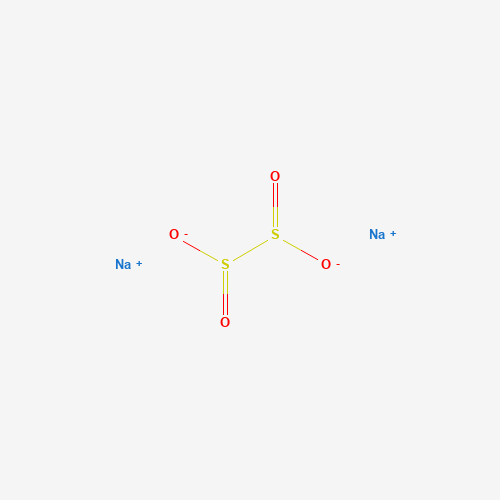
A reducing agent, also called sodium hydrosulfite, used as a bleaching agent and to prevent browning. It releases sulfur dioxide on decomposition, which matters to anyone avoiding sulphites.
Where it is and isn’t permitted
| Jurisdiction | Status | Scope and limits | Citation |
|---|---|---|---|
| Australia and New Zealand | Permitted, with conditions | 1 food category highest permitted level 1,000 mg/kg | Food Standards Code, Schedule 15, S15—5, item 9.4.1, Sodium hydrosulphiteretrieved 2026-10-17 |
| Canada | Permitted, with conditions | no numerical limit (good manufacturing practice) 15 permitted uses Show every permitted use
| Health Canada, List of Permitted Preservatives (List 11)and 14 further provisionsretrieved 2026-10-17 |
| European Union | No listed food uses foundThis site has not matched this substance to any food use on this jurisdiction’s list of authorised food additives. A food additive may be used only in foods that list names. Flavourings, enzymes, processing aids and added nutrients are regulated separately and do not appear on it. | ||
| Great Britain | No listed food uses foundThis site has not matched this substance to any food use on this jurisdiction’s list of authorised food additives. A food additive may be used only in foods that list names. Flavourings, enzymes, processing aids and added nutrients are regulated separately and do not appear on it. | ||
| Japan | Permitted, with conditions | Designated additive: Appended Table 1, item 180, 次亜硫酸ナトリウム(別名ハイドロサルファイト) (“Sodium Hydrosulfite (Hydrosulfite)” in the unofficial English translation). …Designated additive: Appended Table 1, item 180, 次亜硫酸ナトリウム(別名ハイドロサルファイト) (“Sodium Hydrosulfite (Hydrosulfite)” in the unofficial English translation). Standards for use — Specifications and Standards for Foods, Food Additives, etc. (MHW Notification No. 370 of 1959), Part II (Food Additives), F (Standards for use), entry 次亜硫酸ナトリウム: (1) [must not be used in the foods stated] “次亜硫酸ナトリウムは、ごま、豆類及び野菜に使用してはならない。” (2) [limits how much may remain in the foods stated] “次亜硫酸ナトリウムは、二酸化硫黄として、かんぴょうにあってはその1kgにつき5.0g以上、乾燥果実(干しぶどうを除く。)にあってはその1kgにつき2.0g以上、干しぶどうにあってはその1kgにつき1.5g以上、コンニャク粉にあってはその1kgにつき0.90g以上、乾燥じゃがいも、ゼラチン及びディジョンマスタードにあってはその1kgにつき0.50g以上、果実酒(果実酒の製造に用いる酒精分1容量%以上を含有する果実搾汁及びこれを濃縮したものを除く。)、雑酒、清涼飲料水(ぶどう酒からアルコールを除去したもの及びこれにぶどう果汁(濃縮ぶどう果汁を含む。以下この目において同じ。)を加えたものに限る。以下この目において同じ。)及び清涼飲料水に加えるぶどう果汁にあってはその1kgにつき0.35g(清涼飲料水及び清涼飲料水に加えるぶどう果汁にあっては、次亜硫酸ナトリウム以外の亜硫酸塩等のうち1種以上と併用する場合には、二酸化硫黄としての合計量が0.35g)以上、キャンデッドチェリー(除核したさくらんぼを砂糖漬にしたもの又はこれに砂糖の結晶を付けたもの若しくはこれをシロップ漬にしたものをいう。以下この目において同じ。)及び糖蜜にあってはその1kgにつき0.30g以上、糖化用タピオカでんぷんにあってはその1kgにつき0.25g以上、水あめにあってはその1kgにつき0.20g以上、5倍以上に希釈して飲用に供する天然果汁にあってはその1kgにつき0.15g以上、甘納豆及び煮豆にあってはその1kgにつき0.10g以上、えび及び冷凍生かににあってはそのむき身の1kgにつき0.10g以上、その他の食品(キャンデッドチェリーの製造に用いるさくらんぼ、ビールの製造に用いるホップ並びに果実酒の製造に用いる果汁、酒精分1容量%以上を含有する果実搾汁及びこれを濃縮したものを除く。)にあってはその1kgにつき0.030g(第2 添加物の部 F 使用基準 添加物一般の表の亜硫酸塩等の項に掲げる場合であって、かつ、同表の第3欄に掲げる食品(コンニャクを除く。)1kg中に同表の第1欄に掲げる添加物が、二酸化硫黄として、0.030g以上残存する場合には、その残存量)以上残存しないように使用しなければならない。” The Japanese is the standard as published. There is no official English translation of the Notification; the English in square brackets is this site’s description of what each sentence does, not a translation of the foods or the levels. Compositional specifications for this additive, in the same Notification, are not imported and are not shown here; nor are the general rules in F 添加物一般, which apply to every additive. | Regulations for Enforcement of the Food Sanitation Act (MHW Ordinance No. 23 of 1948), Appended Table 1retrieved 2026-10-18 |
| South Korea | Permitted, with conditions | Designated food additive: Standards and Specifications for Food Additives, Part III, 1. …Designated food additive: Standards and Specifications for Food Additives, Part III, 1. 일반식품첨가물 (general food additives), 차아황산나트륨 (“Sodium Hydrosulfite”, the English the Code prints beside it). Main use (주용도) of 차아황산나트륨: 표백제, 보존료, 산화방지제. Standard for use (사용기준) of 차아황산나트륨: (1) [may be used only in the foods listed; sets a limit on the amount used] “차아황산나트륨은 아래의 식품에 한하여 사용하여야 한다. 차아황산나트륨의 사용량은 이산화황으로서 아래의 기준 이상 남지 아니하도록 사용하여야 한다. 1. 박고지(박의 속을 제거하고 육질을 잘라내어 건조시킨 것을 말한다):5.0g/kg 2. 당밀 : 0.30g/kg 3. 물엿, 기타엿 : 0.20g/kg 4. 과실주:0.350g/kg 5. 과일·채소류음료 : 0.030g/kg(다만, 5배 이상 희석하여 음용하거나 사용하는 과일주스, 농축과일즙은 0.150g/kg) 6. 과·채가공품 : 0.030g/kg(단, 5배이상 희석하여 음용하거나 사용하는 제품의 경우에는 0.150g/kg) 7. 건조과일류 : 1.0g/kg(단, 「대한민국약전」(식품의약품안전처고시) 또는 「대한민국약전외한약(생약)규격집」(식품의약품안전처 고시)에 포함되어 식품원료로 사용가능한 과일류(건조한 것에 한함)는 상기 고시의 이산화황 기준에 따르며, 건조살구의 경우에는 2.0g/kg, 건조코코넛의 경우에는 0.20g/kg) 8. 건조채소류, 건조버섯류 : 0.50g/kg(단, 「대한민국약전」(식품의약품안전처고시) 또는 「대한민국약전외한약(생약)규격집」(식품의약품안전처 고시)에 포함되어 식품원료로 사용가능한 채소류·버섯류(건조한 것에 한함)는 상기 고시의 이산화황 기준에 따름) 9. 건조농·임산물(위 7, 8의 규정 이외의 「대한민국약전」(식품의약품안전처고시) 또는 「대한민국약전외한약(생약)규격집」(식품의약품안전처 고시)에 포함되어 식품원료로 사용가능한 식물성 원료로서 건조한 것에 한함), 생지황 : 상기 고시의 이산화황 기준에 따름 10. 곤약분:0.90g/kg 11. 새우 : 0.10g/kg(껍질을 벗긴 살로서) 12. 냉동생게 : 0.10g/kg(껍질을 벗긴 살로서) 13. 설탕류, 올리고당류, 포도당, 과당류, 덱스트린:0.020g/kg 14. 식초:0.10g/kg 15. 건조감자 : 0.50g/kg 16. 소스 : 0.30g/kg 17. 향신료조제품 : 0.20g/kg 18. 기타수산물가공품(새우, 냉동생게 제외), 땅콩 또는 견과류가공품, 절임류, 빵류, 탄산음료, 과자, 면류, 만두피, 건포류, 캔디류, 코코아가공품류 또는 초콜릿류, 기타음료, 서류가공품(건조감자, 곤약분 제외), 두류가공품, 조림류(농산물을 주원료로 한 것에 한함), 브랜디, 일반증류주, 찐쌀, 잼류, 전분류, 당류가공품, 된장, 유함유가공품 : 0.030g/kg 19. 곡류가공품(옥배유 제조용으로서 옥수수배아를 100% 원료로 한 제품에 한함) : 0.20g/kg 20. 과실주 유래 비알코올 음료 : 0.20g/kg 21. 기타주류 : 0.030g/kg(다만, 과실주를 사용하여 제조한 제품은 0.20g/kg)” The Korean is the standard as published. There is no official English translation of the current Code (the English version on MFDS’s website is the 2020 edition and has no legal effect); the English in square brackets is this site’s description of what each sentence does, not a translation of the foods or the levels. Compositional specifications (Part IV) are not imported, nor are the general standards in Part II, which apply to every additive. | Standards and Specifications for Food Additives (식품첨가물의 기준 및 규격), MFDS Notification, Part III (Standards for use, by item)retrieved 2026-10-18 |
| United States | Not listedDoes not appear on this jurisdiction’s permitted list. That is not the same as being prohibited. | ||
| Codex Alimentarius | Not listedDoes not appear on this jurisdiction’s permitted list. That is not the same as being prohibited. |
How much is permitted
A listing usually limits the quantity as well as the food. Only one of the forms that takes is a figure: quantum satis and good manufacturing practice permit the amount the technological effect requires and no more, which is a limit rather than the absence of one. Figures below are the range across every food category this page is listed in, and categories differ between regulators — see how much is permitted.
| Australia and New Zealand | 1,000 mg/kg | 1 numeric limit |
|---|---|---|
| Canada | — | 2 GMP, 13 no quantity stated |
| Japan | — | 1 no quantity stated |
| South Korea | — | 1 no quantity stated |
What it is made from
Made by reducing sodium bisulfite, usually with formate or zinc.
- Vegan
- Vegetarian
Compare other additives on the dietary indexes.
- CAS registry number
- 7775-14-6
- InChIKey
- JVBXVOWTABLYPX-UHFFFAOYSA-L
- PubChem
- CID 24489
Every name it appears under
34 recorded names. A label may use any of them.
CAS registry number
- 7775-14-6
Other names
- Blankit
- Blankit IN
- Burmol
- Caswell No. 774
- CCRIS 1428
- Disodium dithionite
- Disodium hydrosulfite
- Dithionite, Sodium
- Dithionous acid, disodium salt
- Dithionous acid, sodium salt (1:2)
- Dithionous aciddisodiuMsalt
- EPA Pesticide Chemical Code 078202
- HSDB 746
- Hydros
- Hydrosulfite R Conc
- sodium dithionit
- Sodium Dithionite
- Sodium dithionite (Na2(S2O4))
- Sodium dithionite (Na2S2O4)
- Sodium dithionite or sodium hydrosulfite
- sodium hydro sulfite
- SODIUM HYDROSULFITE
- Sodium hydrosulfite (Na2S2O4)
- Sodium Hydrosulfite, 85%
- Sodium hydrosulphite
- Sodium hypodisulfite
- sodium sodium hydrosulfite
- Sodium sulfoxylate
- sodiumdithionite
- sodiumhydrosulfite
- Sodiumhydrosulphite
- V-Brite B
- Vatrolite
Hazard reference values
No reference value for this substance in the sources we hold.
Evidence and how bodies read it
Studies, and the differing conclusions regulators drew from them, are curated rather than machine-read, and none has been written for this substance yet.
Common questions
Assembled from what is above, in the words the questions are usually asked in. Each answer is the same statement the relevant section makes, with the same citations behind it.
- What is Sodium dithionite?
- A reducing agent, also called sodium hydrosulfite, used as a bleaching agent and to prevent browning. It releases sulfur dioxide on decomposition, which matters to anyone avoiding sulphites.
- What is Sodium dithionite used for in food?
- It is listed as a preservative — the role Canada assigns it. This page shows every function each regulator records, with the citation for each.
- Where is Sodium dithionite permitted?
- Of the seven regulators this site reads, Australia and New Zealand, Canada, Japan and South Korea permit it. Each permission is for named foods at named levels, not a blanket one; the table on this page gives them with citations.
- Is Sodium dithionite vegan?
- Yes. Sodium dithionite is not derived from animals, and is suitable for vegetarians. This page says what it is made from and how.
Sources for this page
- anz retrieved 2026-10-17
- ca retrieved 2026-10-17
- jp retrieved 2026-10-18
- kr retrieved 2026-10-18
Full licence terms and publisher details on Sources. How this page is built and updated: Method.
Machine-readable: a JSON record of this additive is given on request —how to ask for access.
Follow changes to Sodium dithionite:Atom feed — regulatory events, and any change the weekly refresh detects in its provisions.