Sodium thiocyanate
540-72-7 · 5W0K9HKA05 · CAS-540-72-7 · Caswell No. 796A · CCRIS 3967 · CNNaS · EPA Pesticide Chemical Code 068202 · Haimased · NaSCN · Natrium rhodanatum · Natrium thiocyanat · Natriumrhodanid · Scyan · Sodium rhodanate · Sodium rhodanide · Sodium sulfocyanate · Sodium sulfocyanide · Sodium thiocyanate · Sodium thiocyanate, >=99.99% trace metals basis · Sodium thiocyanate, ACS · Sodium thiocyanate, ACS reagent grade 99.99% trace metals basis · Sodium thiocyanate, ACS reagent, >=98.0% · Sodium thiocyanate, JIS special grade, >=99.0% · Sodium thiocyanate, p.a., ACS reagent, 98% · Sodium thiocyanate, reagent grade, 98-102% (titration) · Sodium thiocyanate, SAJ first grade, >=98.0% · Sodium thiocyanide · Thiocyanate sodium · Thiocyanic acid sodium salt (1:1) · Thiocyanic acid, sodium salt · USAF EK-T-434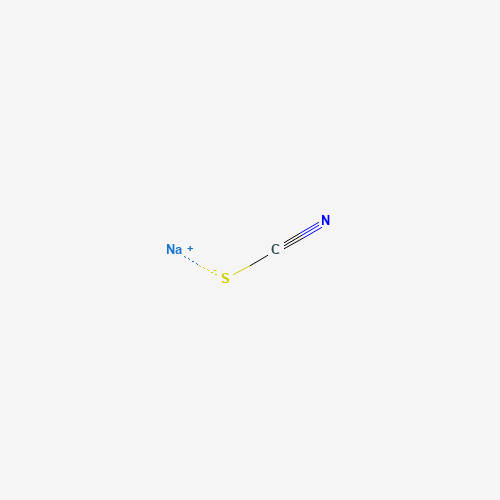
The other half of the lactoperoxidase system for preserving raw milk: thiocyanate is the substrate the enzyme oxidises into the antimicrobial that does the work. JECFA specifies it as a preservative.
Where it is and isn’t permitted
| Jurisdiction | Status | Scope and limits | Citation |
|---|---|---|---|
| Australia and New Zealand | No listed food uses foundThis site has not matched this substance to any food use on this jurisdiction’s list of authorised food additives. A food additive may be used only in foods that list names. Flavourings, enzymes, processing aids and added nutrients are regulated separately and do not appear on it. | ||
| Canada | No listing matchedHealth Canada’s lists name additives without E or INS numbers, so this site matches them by exact name. A substance listed there under a name this site does not recognise has no row here. | ||
| European Union | No listed food uses foundThis site has not matched this substance to any food use on this jurisdiction’s list of authorised food additives. A food additive may be used only in foods that list names. Flavourings, enzymes, processing aids and added nutrients are regulated separately and do not appear on it. | ||
| Great Britain | No listed food uses foundThis site has not matched this substance to any food use on this jurisdiction’s list of authorised food additives. A food additive may be used only in foods that list names. Flavourings, enzymes, processing aids and added nutrients are regulated separately and do not appear on it. | ||
| Japan | No listing matchedThis site imports only Japan’s list of designated additives (Appended Table 1 to the Regulations for Enforcement of the Food Sanitation Act), matched by English name. Existing additives, natural flavouring agents and ordinary foods used as additives are permitted outside that list and are not imported, so an empty row does not show that Japan does not permit the substance. | ||
| South Korea | No listing matchedThis site imports Part III of South Korea’s Standards and Specifications for Food Additives, matched by CAS number, then INS number, then exact name. Mixed preparations and sanitisers are not imported, and an entry whose identifiers disagreed with a page’s is held for review, so an empty row does not show that South Korea does not permit the substance. | ||
| United States | Not listedDoes not appear on this jurisdiction’s permitted list. That is not the same as being prohibited. | ||
| Codex Alimentarius | Not listedDoes not appear on this jurisdiction’s permitted list. That is not the same as being prohibited. |
GRAS notices to the FDA
A GRAS notice is a company’s conclusion that a substance is generally recognised as safe for the use it describes. FDA’s letter responds to that conclusion, for that notifier and that use. It is not a listing in 21 CFR, and it is not counted as a US permission above. The substance and use are as FDA’s inventory words them; this site matched the notice to this page by exact name.
GRN No. 753 · Sodium thiocyanate · Taradon Laboratory
Intended use: For use in the lactoperoxidase system. The lactoperoxidase system is used in fresh cheese, including mozzarella and cottage cheeses, frozen dairy desserts, fermented milk, flavored milk drinks, and yogurt.
FDA’s response (2018-07-31): FDA has no questions
GRN No. 688 · Sodium thiocyanate · Taradon Laboratory
Intended use: Intended for use in the lactoperoxidase system. The lactoperoxidase system is used in fresh cheese including mozzarella and cottage cheeses, frozen dairy desserts, fermented milk, flavored milk drinks, and yogurt.
FDA’s response (2017-08-25): At the notifier's request, FDA ceased to evaluate this notice
What it is made from
Made by reacting sodium cyanide with sulfur. It comes as colourless deliquescent crystals.
- Vegan
- Vegetarian
Compare other additives on the dietary indexes.
- InChIKey
- VGTPCRGMBIAPIM-UHFFFAOYSA-M
- PubChem
- CID 516871
How JECFA defines it
The international specification for identity and purity, prepared by the Joint FAO/WHO Expert Committee on Food Additives and published by FAO. It is a different document from any above, written by a different body and revised on its own cycle; it is advisory, and a country adopts it or does not.
Sodium Thiocyanate
Synonyms: Sodium sulfocyanate, sodium rhodanide Sodium rhodanide; Sodium sulfocyanate
Assay, identification and purity criteria
Description and assay
- Specification history
- Prepared at the 44th JECFA (1995), published in FNP 52 Add 3 (1995) superseding specifications prepared at the 28th JECFA (1984), published in FNP 31/2 (1984). Metals and arsenic specifications revised at the 63rd JECFA (2004). No ADI was allocated the 29thJECFA (1986)
- Chemical names
- Sodium thiocyanate
- C.A.S. number
- 540-72-2
- Chemical formula
- NaSCN
- Formula weight
- 84.1
- Assay
- Not less than 99.0%
- DESCRIPTION
- Colourless, deliquescent crystals
- FUNCTIONAL USES
- Preservative
- METHOD OF ASSAY
- Dissolve about 1 g of the sample, accurately weighed in water in a volumetric flask and dilute to 100 ml. Place this solution in a burette. Place in a 250-ml conical flask 10 ml of 0.1N silver nitrate, add 5 ml of dilute nitric acid TS and 2 ml of ferric ammonium sulfate TS. Titrate with the sample solution until a reddish yellow colour is obtained. 10 ml of AgNO 3 is equivalent to 84.1 mg of NaSCN.
Identification
- Solubility (Vol. 4)
- Freely soluble in water, freely soluble in ethanol and acetone
- pH (Vol. 4)
- 5.5 - 8.5 (1 in 20 soln)
- Test for sodium (Vol. 4)
- Passes test
Purity criteria
- Acidity or alkalinity
- Not more than 1 ml of 0.1N sodium hydroxide (if initially acid) or not more than 1 ml of 0.1N hydrochloric acid (if initially alkaline) is required to neutralize a solution containing 5 g of the sample, 10 ml of water and 0.2 ml of phenolphthalein TS.
- Sulfates (Vol. 4)
- Not more than 50 mg/kg Test 2 g of the sample as directed in the Limit Test using 0.2 ml of 0.01N sulfuric acid in the control
- Lead (Vol. 4)
- Not more than 2 mg/kg Determine using an atomic absorption technique appropriate to the specified level. The selection of sample size and method of sample preparation may be based on the principles of the method described in Volume 4, “Instrumental Methods.” .
Every name it appears under
31 recorded names. A label may use any of them.
CAS registry number
- 540-72-7
Other names
- 5W0K9HKA05
- CAS-540-72-7
- Caswell No. 796A
- CCRIS 3967
- CNNaS
- EPA Pesticide Chemical Code 068202
- Haimased
- NaSCN
- Natrium rhodanatum
- Natrium thiocyanat
- Natriumrhodanid
- Scyan
- Sodium rhodanate
- Sodium rhodanide
- Sodium sulfocyanate
- Sodium sulfocyanide
- Sodium thiocyanate
- Sodium thiocyanate, >=99.99% trace metals basis
- Sodium thiocyanate, ACS
- Sodium thiocyanate, ACS reagent grade 99.99% trace metals basis
- Sodium thiocyanate, ACS reagent, >=98.0%
- Sodium thiocyanate, JIS special grade, >=99.0%
- Sodium thiocyanate, p.a., ACS reagent, 98%
- Sodium thiocyanate, reagent grade, 98-102% (titration)
- Sodium thiocyanate, SAJ first grade, >=98.0%
- Sodium thiocyanide
- Thiocyanate sodium
- Thiocyanic acid sodium salt (1:1)
- Thiocyanic acid, sodium salt
- USAF EK-T-434
Hazard reference values
No reference value for this substance in the sources we hold.
Evidence and how bodies read it
Studies, and the differing conclusions regulators drew from them, are curated rather than machine-read, and none has been written for this substance yet.
Common questions
Assembled from what is above, in the words the questions are usually asked in. Each answer is the same statement the relevant section makes, with the same citations behind it.
- What is Sodium thiocyanate?
- The other half of the lactoperoxidase system for preserving raw milk: thiocyanate is the substrate the enzyme oxidises into the antimicrobial that does the work. JECFA specifies it as a preservative.
- Is Sodium thiocyanate vegan?
- Yes. Sodium thiocyanate is not derived from animals, and is suitable for vegetarians. This page says what it is made from and how.
Sources for this page
- jecfaspecs retrieved 2026-09-23
Full licence terms and publisher details on Sources. How this page is built and updated: Method.
Machine-readable: a JSON record of this additive is given on request —how to ask for access.
Follow changes to Sodium thiocyanate:Atom feed — regulatory events, and any change the weekly refresh detects in its provisions.