Ultramarine blue
57455-37-5 · 3516 ULTRA BLUE · 3522 ULTRA BLUE · ALUMINUM SODIUM THIOSILICATE BLUE · Azure blue · IRERQBUNZFJFGC-UHFFFAOYSA-L · Lazurite · LAZURITE (CA2NA6(AL6(SIO4)6(SO4)S)) · LAZURITE (NA5(AL3(SIO4)3S)) · Ultramarine · ULTRAMARINE (MINERAL) · Ultramarine Blue · ULTRAMARINE BLUE (MINERAL) · ULTRAMARINE BLUE CI 77007 · Ultramarine blueCAS 57455-37-5
Listed as a colour by the US.
Listed as colours (US)
- United States: Color additive (21 CFR part 73) — 21 CFR 73.50
- United States: Color or coloring adjunct — FDA, Substances Added to Food: ULTRAMARINE BLUE
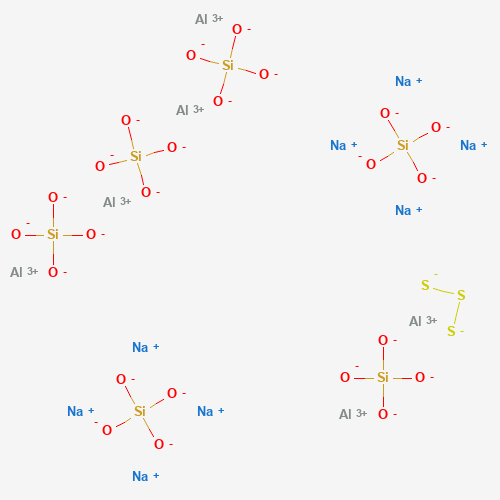
Ultramarine blue is a deep blue pigment, historically ground from lapis lazuli and now made synthetically. Its listing in the United States is narrow: it is permitted for colouring salt intended for animal feed, not for human food.
Where it is and isn’t permitted
| Jurisdiction | Status | Scope and limits | Citation |
|---|---|---|---|
| Australia and New Zealand | No listed food uses foundThis site has not matched this substance to any food use on this jurisdiction’s list of authorised food additives. A food additive may be used only in foods that list names. Flavourings, enzymes, processing aids and added nutrients are regulated separately and do not appear on it. | ||
| Canada | No listing matchedHealth Canada’s lists name additives without E or INS numbers, so this site matches them by exact name. A substance listed there under a name this site does not recognise has no row here. | ||
| European Union | No listed food uses foundThis site has not matched this substance to any food use on this jurisdiction’s list of authorised food additives. A food additive may be used only in foods that list names. Flavourings, enzymes, processing aids and added nutrients are regulated separately and do not appear on it. | ||
| Great Britain | No listed food uses foundThis site has not matched this substance to any food use on this jurisdiction’s list of authorised food additives. A food additive may be used only in foods that list names. Flavourings, enzymes, processing aids and added nutrients are regulated separately and do not appear on it. | ||
| Japan | No listing matchedThis site imports only Japan’s list of designated additives (Appended Table 1 to the Regulations for Enforcement of the Food Sanitation Act), matched by English name. Existing additives, natural flavouring agents and ordinary foods used as additives are permitted outside that list and are not imported, so an empty row does not show that Japan does not permit the substance. | ||
| South Korea | No listing matchedThis site imports Part III of South Korea’s Standards and Specifications for Food Additives, matched by CAS number, then INS number, then exact name. Mixed preparations and sanitisers are not imported, and an entry whose identifiers disagreed with a page’s is held for review, so an empty row does not show that South Korea does not permit the substance. | ||
| United States | Permitted | 21 CFR 73.50retrieved 2026-10-17 | |
| Codex Alimentarius | Not listedDoes not appear on this jurisdiction’s permitted list. That is not the same as being prohibited. |
How much is permitted
A listing usually limits the quantity as well as the food. Only one of the forms that takes is a figure: quantum satis and good manufacturing practice permit the amount the technological effect requires and no more, which is a limit rather than the absence of one. Figures below are the range across every food category this page is listed in, and categories differ between regulators — see how much is permitted.
| United States | — | 1 no quantity stated |
|---|
No regulator sets a figure for Ultramarine blue. That is not an absence of control: where the listing says quantum satis or good manufacturing practice, the quantity is limited to what the effect requires.
What it is made from
Manufactured by heating china clay, sodium carbonate and sulfur to form a sodium aluminosilicate with sulfur trapped in the crystal lattice, which is what produces the colour.
- Vegan
- Vegetarian
Compare other additives on the dietary indexes.
- CAS registry number
- 57455-37-5
- InChIKey
- IRERQBUNZFJFGC-UHFFFAOYSA-L
- PubChem
- CID 71587188
Every name it appears under
15 recorded names. A label may use any of them.
CAS registry number
- 57455-37-5
As it appears in regulation
- Ultramarine blue
Other names
- 3516 ULTRA BLUE
- 3522 ULTRA BLUE
- ALUMINUM SODIUM THIOSILICATE BLUE
- Azure blue
- IRERQBUNZFJFGC-UHFFFAOYSA-L
- Lazurite
- LAZURITE (CA2NA6(AL6(SIO4)6(SO4)S))
- LAZURITE (NA5(AL3(SIO4)3S))
- Ultramarine
- ULTRAMARINE (MINERAL)
- Ultramarine Blue
- ULTRAMARINE BLUE (MINERAL)
- ULTRAMARINE BLUE CI 77007
Hazard reference values
No reference value for this substance in the sources we hold.
Evidence and how bodies read it
Studies, and the differing conclusions regulators drew from them, are curated rather than machine-read, and none has been written for this substance yet.
Common questions
Assembled from what is above, in the words the questions are usually asked in. Each answer is the same statement the relevant section makes, with the same citations behind it.
- What is Ultramarine blue?
- Ultramarine blue is a deep blue pigment, historically ground from lapis lazuli and now made synthetically. Its listing in the United States is narrow: it is permitted for colouring salt intended for animal feed, not for human food.
- What is Ultramarine blue used for in food?
- It is listed as a colour — the role the US assigns it. This page shows every function each regulator records, with the citation for each.
- Is Ultramarine blue banned in Europe?
- No. Ultramarine blue does not appear on the EU's list of authorised food additives, which is not the same as being banned: the EU permits an additive only where it has authorised it, and usually the reason for an absence is that no one applied. The EU has made no finding against this substance. It does mean it may not be used as a food additive in the EU today.
- Where is Ultramarine blue permitted?
- Of the seven regulators this site reads, the US permits it. Each permission is for named foods at named levels, not a blanket one; the table on this page gives them with citations.
- Is Ultramarine blue vegan?
- Yes. Ultramarine blue is not derived from animals, and is suitable for vegetarians. This page says what it is made from and how.
Sources for this page
- ecfr retrieved 2026-10-17
Full licence terms and publisher details on Sources. How this page is built and updated: Method.
Machine-readable: a JSON record of this additive is given on request —how to ask for access.
Follow changes to Ultramarine blue:Atom feed — regulatory events, and any change the weekly refresh detects in its provisions.