Vegetable carbon

E number E153CAS 1333-86-4

Listed as a colour by Canada and the EU.

Listed as colours (CA, EU)
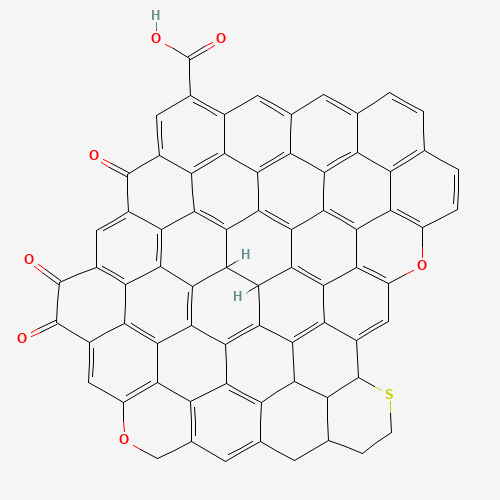
Chemical structure of Vegetable carbon, from PubChem compound 172866199
Structure from PubChem CID 172866199 (National Library of Medicine, public domain). A depiction of one compound: where a listing covers a family, or a substance has no single structure, this page shows none.

Vegetable carbon is a black colour made by charring plant material. It is the dark line through the middle of Morbier cheese — once a layer of ash, now permitted in the EU in that cheese specifically — and it colours liquorice and some black confectionery.

Where it is and isn’t permitted

Status of Vegetable carbon by jurisdiction. Every jurisdiction this site covers is listed, including those where the substance does not appear.
JurisdictionStatusScope and limitsCitation
Australia and New ZealandFood Standards Australia New ZealandPermitted, with conditions

47 food categories

no numerical limit (good manufacturing practice)

Show every food category
  • 0.2 Colourings — GMP
  • 0.3 Flavourings — GMP
  • 1.1.2 Liquid milk products and flavoured liquid milk — GMP
  • 1.2.2 Fermented milk products and rennetted milk products — GMP
  • 1.3 Condensed milk and evaporated milk — GMP
  • 1.4.2 Cream products (flavoured, whipped, thickened, sour cream etc) — GMP
  • 1.5 Dried milk, milk powder, cream powder — GMP
  • 1.6 Cheese and cheese products — GMP
  • 11.1.1 Rainbow sugar — GMP
  • 11.4 Tabletop sweeteners — GMP
  • 12.1.2 Reduced sodium salt mixture — GMP
  • 12.1.3 Salt substitute — GMP
  • 12.3 Vinegars and related products — GMP
  • 12.5 Yeast and yeast products — GMP
  • 12.6 Vegetable protein products — GMP
  • 13.3 Formulated meal replacements and formulated supplementary foods — GMP
  • 13.4 Formulated supplementary sports foods — GMP
  • 13.5 Food for special medical purposes — GMP
  • 14.1.1.2 Carbonated, mineralised and soda waters — GMP
  • 14.1.2.1 Fruit and vegetable juices — GMPFor juice separated by other than mechanical means only.
  • 14.1.2.2 Fruit and vegetable juice products — GMP
  • 14.1.3 Water based flavoured drinks — GMP
  • 14.1.4 Formulated Beverages — GMP
  • 14.2.3 Wine based drinks and reduced alcohol wines — GMP
  • 14.2.4.1 Fruit wine products and vegetable wine products — GMP
  • 14.2.5 Spirits and liqueurs — GMP
  • 14.3 Alcoholic beverages not included in item 14.2 — GMP
  • 2.1 Edible oils essentially free of water — GMPNot for olive oil.
  • 2.2.1.2 Butter products — GMP
  • 2.2.1.3 Margarine and similar products — GMP
  • 2.2.2 Oil emulsions (<80% oil) — GMP
  • 20 Foods not included in items 0 to 14 — GMP
  • 3 Ice cream and edible ices — GMP
  • 4.3 Processed fruits and vegetables — GMP
  • 5.1 Chocolate and cocoa products — GMPPermitted on the surface of chocolate only.
  • 5.2 Sugar confectionery — GMP
  • 5.4 Icings and frostings — GMP
  • 6.3 Processed cereal and meal products — GMP
  • 6.4 Flour products (including noodles and pasta) — GMP
  • 7 Breads and bakery products — GMP
  • 8.2 Processed meat, poultry and game products in whole cuts or pieces — GMP
  • 8.3 Processed comminuted meat, poultry and game products, other than products listed in item 8.3.2 — GMPNot for sausage or sausage meat containing raw, unprocessed meat.
  • 8.4 Edible casings — GMP
  • 8.5 Animal protein products — GMP
  • 9.2 Processed fish and fish products — GMP
  • 9.3 Semi preserved fish and fish products — GMP
  • 9.4 Fully preserved fish including canned fish products — GMP
Food Standards Code, Schedule 15, S15—5and 46 further provisionsretrieved 2026-10-17
CanadaHealth CanadaPermitted

no numerical limit (good manufacturing practice)

3 permitted uses

Show every permitted use
  • In: Apple and (naming the fruit or fruits) jam; Bread; Butter; Concentrated (naming the fruit) juice, except frozen concentrated orange juice; Fig marmalade with pectin; Fish roe (caviar); Ice cream mix; Ice milk mix; Icing sugar; (Naming the fruit or fruits) jam with pectin; (Naming the fruit or fruits) jelly with pectin; Liqueur; Lobster paste; (Naming the flavour) milk; (Naming the flavour) partly skimmed milk; (Naming the flavour) partly skimmed milk with added milk solids; (Naming the flavour) skim milk; (Naming the flavour) skim milk with added milk solids; Pickles and relishes; Pineapple marmalade with pectin; Rhubarb and (naming the fruit or fruits) jam; Sherbet; Smoked fish; Tomato catsup. Purpose: Food colour. Limit: Good Manufacturing Practice. — Health Canada, List of Permitted Food Colours (List 3), item C.4(a)
  • In: Blend of prepared fish and prepared meat as set out in paragraph 18.1.3(g) of Volume 18 of the Food Compositional Standards Document. Purpose: Food colour. Limit: Good Manufacturing Practice. Amendment notices: NOM/ADM-0122. — Health Canada, List of Permitted Food Colours (List 3), item C.4(b)
  • In: Unstandardized foods. Purpose: Food colour. Limit: Good Manufacturing Practice. — Health Canada, List of Permitted Food Colours (List 3), item C.4(c)
Health Canada, List of Permitted Food Colours (List 3)and 2 further provisionsretrieved 2026-10-17
European UnionEuropean Commission / EFSAPermitted, with conditions

40 food categories

Show every food category
  • 1.4 flavoured fermented milk products including heat-treated products — quantum satisPermitted as a member of Group II, Colours atquantum satis. quantum satis. Note 74: Maximum limit for aluminium coming from all aluminium lakes 15 mg/kg. For the purposes of Article 22 (1) (g) of Regulation (EC) No 1333/2008 that limit shall apply from 1 February 2013.
  • 1.5 dehydrated milk as defined by directive 2001/114/ec — quantum satisPermitted as a member of Group II, Colours atquantum satis. quantum satis. except unflavoured products.
  • 1.6.3 other creams — quantum satisPermitted as a member of Group II, Colours atquantum satis. quantum satis. only flavoured creams.
  • 1.7.1 unripened cheese excluding products falling in category 16 — quantum satisPermitted as a member of Group II, Colours atquantum satis. quantum satis. only flavoured unripened cheese.
  • 1.7.2 ripened cheese — quantum satisquantum satis. only morbier cheese.
  • 1.7.3 edible cheese rind — quantum satisPermitted as a member of Group II, Colours atquantum satis. quantum satis.
  • 1.7.4 whey cheese — quantum satisPermitted as a member of Group II, Colours atquantum satis. quantum satis.
  • 1.7.5 processed cheese — quantum satisPermitted as a member of Group II, Colours atquantum satis. quantum satis. only flavoured processed cheese.
  • 1.7.6 cheese products (excluding products falling in category 16) — quantum satisPermitted as a member of Group II, Colours atquantum satis. quantum satis. only flavoured unripened products.
  • 1.8 Dairy analogues, including beverage whiteners — quantum satisPermitted as a member of Group II, Colours atquantum satis. quantum satis.
  • 12.4 Mustard — quantum satisPermitted as a member of Group II, Colours atquantum satis. quantum satis.
  • 12.5 Soups and broths — quantum satisPermitted as a member of Group II, Colours atquantum satis. quantum satis.
  • 12.6 Sauces — quantum satisPermitted as a member of Group II, Colours atquantum satis. quantum satis. excluding tomato-based sauces.
  • 12.7 Salads and savoury-based sandwich spreads — quantum satisPermitted as a member of Group II, Colours atquantum satis. quantum satis.
  • 12.9 Protein products excluding products covered in category 1 8 — quantum satisPermitted as a member of Group II, Colours atquantum satis. quantum satis.
  • 13.2 Foods for special medical purposes as defined by Regulation (EU) No 609/2013 (excluding products from food category 13.1.5.) — quantum satisPermitted as a member of Group II, Colours atquantum satis. quantum satis.
  • 13.3 Total diet replacement for weight control food as defined by Regulation (EU) No 609/2013 — quantum satisPermitted as a member of Group II, Colours atquantum satis. quantum satis.
  • 14.2.3 Cider and perry — quantum satisPermitted as a member of Group II, Colours atquantum satis. quantum satis. excluding cidre bouché, cydr jakościowy, perry jakościowe, cydr lodowy, perry lodowe.
  • 14.2.4 Fruit wine and made wine — quantum satisPermitted as a member of Group II, Colours atquantum satis. quantum satis. excluding wino owocowe jakościowe.
  • 14.2.5 Mead — quantum satisPermitted as a member of Group II, Colours atquantum satis. quantum satis. except miód pitny jakościowy’.
  • 14.2.6 Spirit drinks as defined in Regulation (EU) 2019/787 — quantum satisPermitted as a member of Group II, Colours atquantum satis. quantum satis. except: spirit drinks as defined in categories 1-17, 22, 36, 37 and 41 of Annex I of Regulation (EU) 2019/787.
  • 14.2.7.3 Aromatised wine-product cocktails — quantum satisPermitted as a member of Group II, Colours atquantum satis. quantum satis.
  • 14.2.8 Other alcoholic beverages including mixtures of alcoholic beverages with non-alcoholic beverages and other alcoholic beverages based on distilled alcohol with alcoholic strength by volume less than 15 % — quantum satisPermitted as a member of Group II, Colours atquantum satis. quantum satis.
  • 15.2 Processed nuts — quantum satisPermitted as a member of Group II, Colours atquantum satis. quantum satis.
  • 17.2 food supplements supplied in a liquid form excluding food supplements for Infants and young children — quantum satisPermitted as a member of Group II, Colours atquantum satis. quantum satis. Period of application: from 1 August 2014 only food supplements in syrup form. Note 69: Maximum limit for aluminium coming from all aluminium lakes 150 mg/kg. For the purposes of Article 22 (1) (g) of Regulation (EC) No 1333/2008 that limit shall apply from 1 February 2013.
  • 18.2 Meal replacement for weight control as referred to in Commission Regulation (EU) No 432/2012 — quantum satisPermitted as a member of Group II, Colours atquantum satis. quantum satis.
  • 18.3 Food specially produced to reduce the gluten content of gluten-containing ingredients or substitute the gluten-containing ingredients — quantum satisPermitted as a member of Group II, Colours atquantum satis. quantum satis.
  • 4.2.4.1 fruit and vegetable preparations excluding compote — quantum satisquantum satis. Only seaweed based fish roe analogues.
  • 4.2.4.1 fruit and vegetable preparations excluding compote — quantum satisPermitted as a member of Group II, Colours atquantum satis. quantum satis. only mostarda di frutta.
  • 4.2.5.3 other similar fruit or vegetable spreads — quantum satisPermitted as a member of Group II, Colours atquantum satis. except crème de pruneaux.
  • 5.2 Other confectionery including breath freshening micro-sweets — quantum satisPermitted as a member of Group II, Colours atquantum satis. quantum satis. Period of application: from 1 August 2014. Note 72: Maximum limit for aluminium coming from all aluminium lakes 70 mg/kg. As a derogation to this rule, the maximum limit only for microsweets shall be 40 mg/kg. For the purposes of Article 22 (1) (g) of Regulation (EC) No 1333/2008 that limit shall apply from 1 February 2013.
  • 6.3 breakfast cereals — quantum satisPermitted as a member of Group II, Colours atquantum satis. quantum satis. only breakfast cereals other than extruded, puffed and/or fruit flavoured breakfast cereals.
  • 6.5 Noodles — quantum satisPermitted as a member of Group II, Colours atquantum satis. quantum satis.
  • 6.6 Batters — quantum satisPermitted as a member of Group II, Colours atquantum satis. quantum satis.
  • 6.7 pre-cooked or processed cereals — quantum satisPermitted as a member of Group II, Colours atquantum satis. quantum satis.
  • 7.2 Fine bakery wares — quantum satisPermitted as a member of Group II, Colours atquantum satis. quantum satis.
  • 8.3.3 Casings and coatings and decorations for meat — quantum satisPermitted as a member of Group II, Colours atquantum satis. quantum satis. except edible external coating of pasturmas.
  • 9.2 Processed fish and fishery products including molluscs and crustaceans — quantum satisquantum satis. only fish paste and crustacean paste.
  • 9.2 Processed fish and fishery products including molluscs and crustaceans — quantum satisPermitted as a member of Group II, Colours atquantum satis. quantum satis. only surimi and similar products and salmon substitutes based on Theragra chalcogramma, Pollachius virens and Clupea harengus.
  • 9.3 fish roe — quantum satisPermitted as a member of Group II, Colours atquantum satis. quantum satis. except Sturgeons' eggs (Caviar).
Regulation (EC) No 1333/2008, Annex IIand 39 further provisionsretrieved 2026-10-18
Great BritainFood Standards Agency / Food Standards ScotlandPermitted, with conditions

47 food categories

Show every food category
  • 1.4 Flavoured fermented milk products including heat-treated products — quantum satisPermitted as a member of Group II: Food colours authorised at quantum satis. quantum satis. Period of application: from 1 August 2014. Note (74): Maximum limit for aluminium coming from all aluminium lakes 15 mg/kg. For the purposes of Article 22 (1) (g) of Regulation (EC) No 1333/2008 that limit shall apply from 1 February 2013.
  • 1.5 Dehydrated milk as defined by Directive 2001/114/EC — quantum satisPermitted as a member of Group II: Food colours authorised at quantum satis. quantum satis. except unflavoured products.
  • 1.6.3 Other creams — quantum satisPermitted as a member of Group II: Food colours authorised at quantum satis. quantum satis. only flavoured creams.
  • 1.7.1 Unripened cheese excluding products falling in category 16 — quantum satisPermitted as a member of Group II: Food colours authorised at quantum satis. quantum satis. only flavoured unripened cheese.
  • 1.7.2 Ripened cheese — quantum satisquantum satis. only morbier cheese.
  • 1.7.3 Edible cheese rind — quantum satisPermitted as a member of Group II: Food colours authorised at quantum satis. quantum satis.
  • 1.7.4 Whey cheese — quantum satisPermitted as a member of Group II: Food colours authorised at quantum satis. quantum satis.
  • 1.7.5 Processed cheese — quantum satisPermitted as a member of Group II: Food colours authorised at quantum satis. quantum satis. only flavoured processed cheese.
  • 1.7.6 Cheese products (excluding products falling in category 16) — quantum satisPermitted as a member of Group II: Food colours authorised at quantum satis. quantum satis. only flavoured unripened products.
  • 1.8 Dairy analogues, including beverage whiteners — quantum satisPermitted as a member of Group II: Food colours authorised at quantum satis. quantum satis.
  • 12.2.2 Seasonings and condiments — quantum satisPermitted as a member of Group II: Food colours authorised at quantum satis. quantum satis. only seasonings, for example curry powder, tandoori Period of application: from 1 August 2014. Note (70): Maximum limit for aluminium coming from all aluminium lakes 120 mg/kg. For the purposes of Article 22 (1) (g) of Regulation (EC) No 1333/2008 that limit shall apply from 1 February 2013.
  • 12.4 Mustard — quantum satisPermitted as a member of Group II: Food colours authorised at quantum satis. quantum satis.
  • 12.5 Soups and broths — quantum satisPermitted as a member of Group II: Food colours authorised at quantum satis. quantum satis.
  • 12.6 Sauces — quantum satisPermitted as a member of Group II: Food colours authorised at quantum satis. quantum satis. excluding tomato-based sauces.
  • 12.7 Salads and savoury based sandwich spreads — quantum satisPermitted as a member of Group II: Food colours authorised at quantum satis. quantum satis.
  • 12.9 Protein products, excluding products covered in category 1.8 — quantum satisPermitted as a member of Group II: Food colours authorised at quantum satis. quantum satis.
  • 13.2 Dietary foods for special medical purposes defined in Directive 1999/21/EC (excluding products from food category 13.1.5) — quantum satisPermitted as a member of Group II: Food colours authorised at quantum satis. quantum satis.
  • 13.3 Dietary foods for weight control diets intended to replace total daily food intake or an individual meal (the whole or part of the total daily diet) — quantum satisPermitted as a member of Group II: Food colours authorised at quantum satis. quantum satis.
  • 13.4 Foods suitable for people intolerant to gluten as defined by Commission Regulation (EC) No 41/2009 — quantum satisPermitted as a member of Group II: Food colours authorised at quantum satis. quantum satis.
  • 14.1.4 Flavoured drinks — quantum satisPermitted as a member of Group II: Food colours authorised at quantum satis. quantum satis. excluding chocolate milk and malt products Period of application: from 1 August 2014. Note (74): Maximum limit for aluminium coming from all aluminium lakes 15 mg/kg. For the purposes of Article 22 (1) (g) of Regulation (EC) No 1333/2008 that limit shall apply from 1 February 2013.
  • 14.2.3 Cider and perry — quantum satisPermitted as a member of Group II: Food colours authorised at quantum satis. quantum satis. excluding cidre bouché.
  • 14.2.4 Fruit wine and made wine — quantum satisPermitted as a member of Group II: Food colours authorised at quantum satis. quantum satis. Excluding wino owocowe markowe.
  • 14.2.5 Mead — quantum satisPermitted as a member of Group II: Food colours authorised at quantum satis. quantum satis.
  • 14.2.6 Spirit drinks as defined in Regulation (EC) No 110/2008 — quantum satisPermitted as a member of Group II: Food colours authorised at quantum satis. quantum satis. except: spirit drinks as defined in Article 5(1) and sales denominations listed in Annex II, paragraphs 1-14 of Regulation (EC) No 110/2008 and spirits (preceded by the name of the fruit) obtained by maceration and distillation, Geist (with the name of the fruit or the raw material used), London Gin, Sambuca, Maraschino, Marrasquino or Maraskino and Mistrà.
  • 14.2.7.3 Aromatised wine-product cocktails — quantum satisPermitted as a member of Group II: Food colours authorised at quantum satis. quantum satis.
  • 14.2.8 Other alcoholic drinks including mixtures of alcoholic drinks with non-alcoholic drinks and spirits with less than 15 % of alcohol — quantum satisPermitted as a member of Group II: Food colours authorised at quantum satis. quantum satis.
  • 15.1 Potato-, cereal-, flour- or starch-based snacks — quantum satisPermitted as a member of Group II: Food colours authorised at quantum satis. quantum satis. Period of application: from 1 August 2014. Note (71): Maximum limit for aluminium coming from all aluminium lakes 30 mg/kg. For the purposes of Article 22 (1) (g) of Regulation (EC) No 1333/2008 that limit shall apply from 1 February 2013.
  • 15.2 Processed nuts — quantum satisPermitted as a member of Group II: Food colours authorised at quantum satis. quantum satis.
  • 16 Desserts excluding products covered in categories 1, 3 and 4 — quantum satisPermitted as a member of Group II: Food colours authorised at quantum satis. quantum satis. Period of application: from 1 August 2014. Note (74): Maximum limit for aluminium coming from all aluminium lakes 15 mg/kg. For the purposes of Article 22 (1) (g) of Regulation (EC) No 1333/2008 that limit shall apply from 1 February 2013.
  • 17.1 Food supplements supplied in a solid form, excluding food supplements for infants and young children — quantum satisPermitted as a member of Group II: Food colours authorised at quantum satis. quantum satis. Period of application: from 1 August 2014. Note (69): Maximum limit for aluminium coming from all aluminium lakes 150 mg/kg. For the purposes of Article 22 (1) (g) of Regulation (EC) No 1333/2008 that limit shall apply from 1 February 2013.
  • 17.2 Food supplements supplied in a liquid form, excluding food supplements for infants and young children — several limitsPermitted as a member of Group II: Food colours authorised at quantum satis. (1) quantum satis: no further restriction; (2) quantum satis: Period of application: from 1 August 2014 only food supplements in syrup form. Note (69): Maximum limit for aluminium coming from all aluminium lakes 150 mg/kg. For the purposes of Article 22 (1) (g) of Regulation (EC) No 1333/2008 that limit shall apply from 1 February 2013.
  • 3 Edible ices — quantum satisPermitted as a member of Group II: Food colours authorised at quantum satis. quantum satis. Period of application: from 1 August 2014. Note (75): Maximum limit for aluminium coming from all aluminium lakes 30 mg/kg. For the purposes of Article 22 (1) (g) of Regulation (EC) No 1333/2008 that limit shall apply from 1 February 2013.
  • 4.2.4.1 Fruit and vegetable preparations excluding compote — quantum satisPermitted as a member of Group II: Food colours authorised at quantum satis. quantum satis. only mostarda di frutta.
  • 4.2.4.1 Fruit and vegetable preparations excluding compote — quantum satisquantum satis. Only seaweed based fish roe analogues.
  • 4.2.5.3 Other similar fruit or vegetable spreads — quantum satisPermitted as a member of Group II: Food colours authorised at quantum satis. quantum satis. except crème de pruneaux.
  • 5.2 Other confectionery including breath refreshening microsweets — quantum satisPermitted as a member of Group II: Food colours authorised at quantum satis. quantum satis. Period of application: from 1 August 2014. Note (72): Maximum limit for aluminium coming from all aluminium lakes 70 mg/kg. As a derogation to this rule, the maximum limit only for microsweets shall be 40 mg/kg. For the purposes of Article 22 (1) (g) of Regulation (EC) No 1333/2008 that limit shall apply from 1 February 2013.
  • 5.3 Chewing gum — quantum satisPermitted as a member of Group II: Food colours authorised at quantum satis. quantum satis. Period of application: from 1 August 2014. Note (73): Maximum limit for aluminium coming from all aluminium lakes 300 mg/kg For the purposes of Article 22 (1) (g) of Regulation (EC) No 1333/2008 that limit shall apply from 1 February 2013.
  • 5.4 Decorations, coatings and fillings, except fruit based fillings covered by category 4.2.4 — quantum satisPermitted as a member of Group II: Food colours authorised at quantum satis. quantum satis. Period of application: from 1 August 2014. Note (73): Maximum limit for aluminium coming from all aluminium lakes 300 mg/kg. For the puroposes of Article 22 (1) (g) of Regulation (EC) No 1333/2008 that limit shall apply from 1 February 2013.
  • 6.3 Breakfast cereals — quantum satisPermitted as a member of Group II: Food colours authorised at quantum satis. quantum satis. only breakfast cereals other than extruded, puffed and/or fruit-flavoured breakfast cereals.
  • 6.5 Noodles — quantum satisPermitted as a member of Group II: Food colours authorised at quantum satis. quantum satis.
  • 6.6 Batters — quantum satisPermitted as a member of Group II: Food colours authorised at quantum satis. quantum satis.
  • 6.7 Pre-cooked or processed cereals — quantum satisPermitted as a member of Group II: Food colours authorised at quantum satis. quantum satis.
  • 7.2 Fine bakery wares — quantum satisPermitted as a member of Group II: Food colours authorised at quantum satis. quantum satis.
  • 8.3.3 Casings and coatings and decorations for meat — quantum satisPermitted as a member of Group II: Food colours authorised at quantum satis. quantum satis. except edible external coating of pasturmas.
  • 9.2 Processed fish and fishery products including mollusks and crustaceans — quantum satisPermitted as a member of Group II: Food colours authorised at quantum satis. quantum satis. only surimi and similar products and salmon substitutes based on Theragra chalcogramma , Pollachius virens and Clupea harengus.
  • 9.2 Processed fish and fishery products including mollusks and crustaceans — several limits(1) quantum satis: only fish paste and crustacean paste; (2) quantum satis: only precooked crustacean; (3) quantum satis: only smoked fish.
  • 9.3 Fish roe — quantum satisPermitted as a member of Group II: Food colours authorised at quantum satis. quantum satis. except Sturgeons’ eggs (Caviar).
Assimilated Regulation (EC) No 1333/2008and 46 further provisionsretrieved 2026-10-18
JapanConsumer Affairs AgencyNo listing matchedThis site imports only Japan’s list of designated additives (Appended Table 1 to the Regulations for Enforcement of the Food Sanitation Act), matched by English name. Existing additives, natural flavouring agents and ordinary foods used as additives are permitted outside that list and are not imported, so an empty row does not show that Japan does not permit the substance.
South KoreaMinistry of Food and Drug SafetyNo listing matchedThis site imports Part III of South Korea’s Standards and Specifications for Food Additives, matched by CAS number, then INS number, then exact name. Mixed preparations and sanitisers are not imported, and an entry whose identifiers disagreed with a page’s is held for review, so an empty row does not show that South Korea does not permit the substance.
United StatesFood and Drug AdministrationNot listedDoes not appear on this jurisdiction’s permitted list. That is not the same as being prohibited.
Codex AlimentariusCodex Alimentarius Commission / JECFANot listedDoes not appear on this jurisdiction’s permitted list. That is not the same as being prohibited.

How much is permitted

A listing usually limits the quantity as well as the food. Only one of the forms that takes is a figure: quantum satis and good manufacturing practice permit the amount the technological effect requires and no more, which is a limit rather than the absence of one. Figures below are the range across every food category this page is listed in, and categories differ between regulators — see how much is permitted.

Australia and New Zealand—47 GMP
Canada—3 GMP
European Union—40 quantum satis
Great Britain—2 several limits, 45 quantum satis

No regulator sets a figure for Vegetable carbon. That is not an absence of control: where the listing says quantum satis or good manufacturing practice, the quantity is limited to what the effect requires.

What it is made from

Produced by carbonising plant material such as wood, coconut shells or peat at high temperature. The EU requires this colour to be of vegetable origin, so it contains no bone char.

  • Vegan
  • Vegetarian

Compare other additives on the dietary indexes.

CAS registry number
1333-86-4
InChIKey
ZBGANAZYHMVKTA-UHFFFAOYSA-N
PubChem
CID 172866199

The two specifications, compared

The European Union sets identity and purity by regulation; JECFA publishes its own through FAO, advisory until a country adopts it. Both documents are below in full. These are the parameters each puts a number on.

ParameterEuropean UnionJECFA
Assayno less than 95 %no less than 95 %
Loss on dryingno more than 12 %no more than 12 %
Leadno more than 2 mg/kgno more than 2 mg/kg
Arsenicno more than 3 mg/kgno more than 3 mg/kg
Mercuryno more than 1 mg/kg—
Cadmiumno more than 1 mg/kg—

The two documents state the same figures for every parameter compared here.

How the EU defines it

The legal specification an additive must meet to be sold as this E number in the EU — what it is, how it may be made, and the purity it must reach. From Commission Regulation (EU) No 231/2012.

E 153 Vegetable carbon

Vegetable activated carbon is produced by the carbonisation of vegetable material such as wood, cellulose residues, peat and coconut and other shells. The activated carbon thus produced is milled by a roller mill and the resulting highly activated powdered carbon is treated by a cyclone. The fine fractio40800n from the cyclone is purified by hydrochloric acid washing, neutralised and then dried. The resulting product is what is known traditionally as vegetable black. Products with a higher colouring power are produced from the fine fraction by a further cyclone treatment or by extra milling, followed by acid washing, neutralising and drying. It consists essentially of finely divided carbon. It may contain minor amounts of nitrogen, hydrogen and oxygen. Some moisture may be absorbed on the product after manufacture.

Synonyms: Vegetable black

Assay, identification and purity criteria

Description and assay

Colour Index No
77266
Einecs
231-153-3
Chemical name
Carbon
Chemical formula
C
Atomic weight
12,01
Assay
Content not less than 95 % of carbon calculated on an anhydrous and ash-free basis
Loss on drying
Not more than 12 % (120 °C 4 h)
Description
Black, odourless powder

Identification

Solubility
Insoluble in water and organic solvents
Burning
When heated to redness it burns slowly without a flame

Purity criteria

Ash (Total)
Not more than 4,0 % (ignition temperature: 625 °C)
Arsenic
Not more than 3 mg/kg
Lead
Not more than 2 mg/kg
Mercury
Not more than 1 mg/kg
Cadmium
Not more than 1 mg/kg
Polycyclic aromatic hydrocarbons
Benzo(a)pyrene less than 50 μg/kg in the extract obtained by extraction of 1 g of the product with 10 g pure cyclohexane in a continuous extraction.
Alkali soluble matter
The filtrate obtained by boiling 2 g of the sample with 20 ml N sodium hydroxide and filtering shall be colourless

Commission Regulation (EU) No 231/2012, Annex, E 153

How JECFA defines it

The international specification for identity and purity, prepared by the Joint FAO/WHO Expert Committee on Food Additives and published by FAO. It is a different document from any above, written by a different body and revised on its own cycle; it is advisory, and a country adopts it or does not.

INS 153 Vegetable Carbon

Produced by the carbonization of vegetable material such as wood, cellulose residues, peat and coconut and other shells; the raw material is carbonized at high temperatures; consists essentially of finely divided carbon; may contain minor amounts of nitrogen, hydrogen and oxygen. Some moisture may be absorbed on the product after manufacture. It may be activated at high temperature in presence of steam or carbon dioxide.

Synonyms: Vegetable black, INS No. 153 Vegetable black

Assay, identification and purity criteria

Description and assay

Specification history
Prepared at the 37th JECFA (1990), published in FNP 52 (1992). Metals and arsenic specifications revised at the 59th JECFA (2002). No ADI was allocated at the 31st JECFA (1987)
Chemical names
Carbon
Chemical formula
C
Formula weight
12.01
Assay
Not less than 95% calculated on a dried and ash-free basis
DESCRIPTION
Black, odourless powder
FUNCTIONAL USES
Colour
METHOD OF ASSAY
Measure total carbon in a dried sample by one of several methods or commercial instruments for carbon analysis, such as, instruments for C,H,O determinations or combustion/gravimetric carbon analysis. Dry the sample at 120 o for 4 h before taking an accurately weighed analytical sample of an amount suitable for the specific method or instrument.

Identification

Solubility (Vol. 4)
Insoluble in water; insoluble in organic solvents
Burning
When heated to redness it burns slowly without a flame

Purity criteria

Loss on drying (Vol. 4)
Not more than 12% (120 o , 4 h)
Acidity or alkalinity
To 2.0 g add 40 ml of water and boil for 5 min. Cool, restore to the original volume with carbon dioxide-free water and filter. Reject the first 20 ml of the filtrate. To 10 ml of the filtrate add 0.25 ml of bromothymol blue solution TS and 0.25 ml of 0.02 N sodium hydroxide. The solution is blue. Not more than 0.75 ml of 0.02 N hydrochloric acid is required to change the colour of the indicator to yellow.
Ash (Vol. 4)
Not more than 4% Proceed as directed for Ash (total) using 625 o as the ignition temperature
Alkali soluble coloured substance
The filtrate obtained by boiling 2 g of the sample with 20 ml N sodium hydroxide and filtering shall be colourless
Higher aromatic
The extract obtained by extraction of 1 g of the product with 10 g pure
hydrocarbons
cyclohexane in a continuous extraction apparatus shall be colourless, and the fluorescence of the extract in ultraviolet light is not more intense than that of the reference solution containing 0.100 mg of quinine sulfate in 1000 ml of 0.01 N sulphuric acid.
Arsenic (Vol. 4)
Not more than 3 mg/kg
Lead (Vol. 4)
Not more than 2 mg/kg Determine using an atomic absorption technique appropriate to the specified level. The selection of sample size and method of sample preparation may be based on the principles of the method described in Volume 4, “Instrumental Methods.”

FAO JECFA Monograph 1 (2006)

Every name it appears under

60 recorded names. A label may use any of them.

E number

  • E153

CAS registry number

  • 1333-86-4

As it appears in regulation

  • Vegetable carbon

Other names

  • 16291-96-6 (Parent)
  • 2P3VWU3H10
  • 4XYU5U00C4
  • BLACK 2
  • Black, Carbon
  • Carbon 12
  • CARBON BLACK [HSDB]
  • Carbon, Vitreous
  • CARBONEUM
  • D&C BLACK NO. 2 [II]
  • DC BLACK NO. 2
  • E 153
  • Elemental Carbon
  • Printex 90
  • Supercarbovar
  • SUPERSORBON S1
  • Texas
  • Torch Brand
  • Ucet
  • Ukarb
  • UNIPURE BLACK LC 902
  • UNIPURE BLACK LC 902 GRAN
  • United
  • Vegetable black
  • Vegetable carbon
  • VEGETABLE CARBON (E 153)
  • Vegetable carbon Black
  • Velvetex
  • Vulcan
  • Witco
  • Wyex

The EU re-evaluation programme

Every additive authorised in the EU before 20 January 2009 was put back through EFSA by Commission Regulation (EU) No 257/2010, and this one is named in it. What the Regulation required is below; whether the opinion has since been published is not something this site records.

  • To be evaluated by 31 December 2015. Named in Annex II, Part I, point 3 as “Vegetable carbon”, among the additives given priority within its class.

Hazard reference values

Values set by assessing bodies. A body that has not set a value is not listed here.
TypeValuePopulationAssessed byOpinion
ADInot allocated—JECFA1987

Evidence and how bodies read it

What assessing bodies concluded

Each conclusion is paraphrased in the body's own framing, from the published opinion linked beneath it. Where bodies differ, both stand; this site does not adjudicate between them or add a view of its own.

  1. EFSA 2012

    The ANS Panel considered the data too limited to establish an ADI for vegetable carbon (E 153), but concluded that at reported use levels, vegetable carbon containing less than 1.0 µg/kg of residual carcinogenic PAHs (as benzo[a]pyrene) is not of safety concern. It suggested adding a limit for residual PAHs to the specifications.

    Source document

Common questions

Assembled from what is above, in the words the questions are usually asked in. Each answer is the same statement the relevant section makes, with the same citations behind it.

What is E 153?
E 153 is Vegetable carbon. Vegetable carbon is a black colour made by charring plant material. It is the dark line through the middle of Morbier cheese — once a layer of ash, now permitted in the EU in that cheese specifically — and it colours liquorice and some black confectionery.
What is Vegetable carbon used for in food?
It is listed as a colour — the role Canada and the EU assign it. This page shows every function each regulator records, with the citation for each.
Where is Vegetable carbon permitted?
Of the seven regulators this site reads, Australia and New Zealand, Canada, the EU and Great Britain permit it. Each permission is for named foods at named levels, not a blanket one; the table on this page gives them with citations.
Is Vegetable carbon vegan?
Yes. Vegetable carbon is not derived from animals, and is suitable for vegetarians. This page says what it is made from and how.

Sources for this page

  • anz retrieved 2026-10-17
  • ca retrieved 2026-10-17
  • eu retrieved 2026-10-18
  • gb retrieved 2026-10-18
  • euspecs retrieved 2026-10-18
  • jecfaspecs retrieved 2026-09-23

Full licence terms and publisher details on Sources. How this page is built and updated: Method.

Machine-readable: a JSON record of this additive is given on request —how to ask for access.

Follow changes to Vegetable carbon:Atom feed — regulatory events, and any change the weekly refresh detects in its provisions.