Zinc acetate
557-34-6 · 82279-57-0 · Acetic acid, zinc salt · Acetic acid, zinc salt (2:1) · Acetic Acid, Zinc Salt, Dihydrate · Acetic acid, zinc(II) salt · Advanced Jellyfish Sting Kit · Anhydrous Zinc Acetate · CAS-557-34-6 · CCRIS 3346 · CCRIS 3471 · cetic acid, zinc salt (8CI,9CI); Zinc acetate (6CI,7CI); Galzin; Siltex CL 4; Zinc diacetate; Zinc(II) acetate · DIABETIC SKIN CARE FORMULA · Diacetic acid zinc salt · Dicarbomethoxyzinc · Excelderma · Galzin · H2ZEY72PME · HSDB 1043 · I.C. Ivy Block · Ivymed · NANO-DTPA CAPSULE COMPONENT ZINC ACETATE · NANODTPA COMPONENT ZINC ACETATE · NANODTPA ZN-DTPA COMPONENT ZINC ACETATE · Neat 3B Bodysaver · Neat 3B Senior B · Npc-02 · Senior B · Siltex CL 4 · Staphwash Plus · Stingmed · Venomx · Wilzin · Wound Cream · Zn(CH3COO)2 · Zn(OAc)2 · E650 · Zinc acetate · Acetat de zinc · Acetato de cinc · Acetato de zinco · Acetato di zinco · Acétate de zinc · AĊETAT TAŻ-ŻINGU · Aċitat taż-żingu · Cink-acetát · Cinka acetāts · Cinko acetatas · Cinkov acetat · Octan cynku · Octan zinečnatý · Octan zinočnatý · Sinkkiasetaatti · Tsinkatsetaat · Zinc acetate · Zinkacetaat · Zinkacetat · Οξικός ψευδάργυρος · Цинков ацетатE number E650CAS 557-34-6
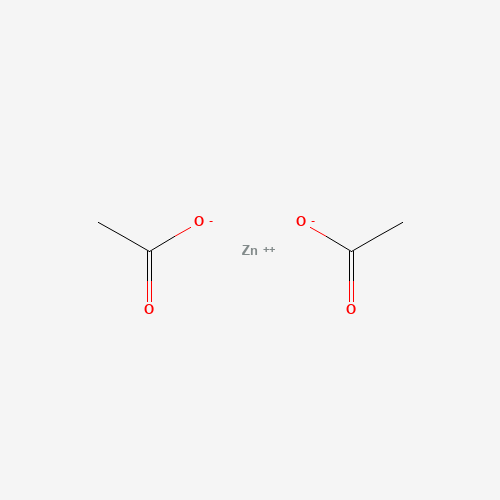
Zinc acetate is permitted in the EU only in chewing gum, where it is listed as a flavour enhancer.
Where it is and isn’t permitted
| Jurisdiction | Status | Scope and limits | Citation |
|---|---|---|---|
| Australia and New Zealand | No listed food uses foundThis site has not matched this substance to any food use on this jurisdiction’s list of authorised food additives. A food additive may be used only in foods that list names. Flavourings, enzymes, processing aids and added nutrients are regulated separately and do not appear on it. | ||
| Canada | No listing matchedHealth Canada’s lists name additives without E or INS numbers, so this site matches them by exact name. A substance listed there under a name this site does not recognise has no row here. | ||
| European Union | Permitted, with conditions | 1 food category highest permitted level 1,000 mg/kg ML = 1000 mg/kg. | Regulation (EC) No 1333/2008, Annex II, as amended by (EU) No 1129/2011retrieved 2026-10-18 |
| Great Britain | Permitted, with conditions | 1 food category highest permitted level 1,000 mg/kg or mg/l ML = 1000. | Assimilated Regulation (EC) No 1333/2008, Annex II (as at 28 June 2024)retrieved 2026-10-18 |
| Japan | No listing matchedThis site imports only Japan’s list of designated additives (Appended Table 1 to the Regulations for Enforcement of the Food Sanitation Act), matched by English name. Existing additives, natural flavouring agents and ordinary foods used as additives are permitted outside that list and are not imported, so an empty row does not show that Japan does not permit the substance. | ||
| South Korea | No listing matchedThis site imports Part III of South Korea’s Standards and Specifications for Food Additives, matched by CAS number, then INS number, then exact name. Mixed preparations and sanitisers are not imported, and an entry whose identifiers disagreed with a page’s is held for review, so an empty row does not show that South Korea does not permit the substance. | ||
| United States | Not listedDoes not appear on this jurisdiction’s permitted list. That is not the same as being prohibited. | ||
| Codex Alimentarius | Not listedDoes not appear on this jurisdiction’s permitted list. That is not the same as being prohibited. |
How much is permitted
A listing usually limits the quantity as well as the food. Only one of the forms that takes is a figure: quantum satis and good manufacturing practice permit the amount the technological effect requires and no more, which is a limit rather than the absence of one. Figures below are the range across every food category this page is listed in, and categories differ between regulators — see how much is permitted.
| European Union | 1,000 mg/kg | 1 numeric limit |
|---|---|---|
| Great Britain | 1,000 mg/kg | 1 numeric limit |
What FDA’s inventory records
This page holds no listing for Zinc acetate in the parts of 21 CFR this site reads. FDA’s Substances Added to Food inventory does carry it, as ZINC ACETATE, pointing at a food-contact regulation, not a listing for use in food: 21 CFR 175.105.
The inventory is an information resource: a row means FDA holds information about the substance’s use in food, not that the substance is listed for that use. It is shown apart from the permissions above and is not counted as a US permission anywhere on this site.
What it is made from
Made by reacting zinc oxide with acetic acid.
- Vegan
- Vegetarian
Compare other additives on the dietary indexes.
- CAS registry number
- 557-34-6
- InChIKey
- DJWUNCQRNNEAKC-UHFFFAOYSA-L
- PubChem
- CID 11192
How the EU defines it
The legal specification an additive must meet to be sold as this E number in the EU — what it is, how it may be made, and the purity it must reach. From Commission Regulation (EU) No 231/2012.
E 650 Zinc acetate
Synonyms: Acetic acid, zinc salt, dihydrate
Assay, identification and purity criteria
Description and assay
- Chemical name
- Zinc acetate dihydrate
- Chemical formula
- C₄H₆O₄ Zn · 2H₂O
- Molecular weight
- 219,51
- Assay
- Content not less than 98 % and not more than 102 % of C₄H₆O₄ Zn · 2H₂O
- Description
- Colourless crystals or fine, off-white powder
Identification
- Test for acetate
- Passes test
- Test for zinc
- Passes test
- pH
- Between 6,0 and 8,0 (5 % solution)
Purity criteria
- Water insoluble matter
- Not more than 0,005 %
- Chlorides
- Not more than 50 mg/kg
- Sulphates
- Not more than 100 mg/kg
- Alkalines and alkaline earths
- Not more than 0,2 %
- Organic volatile impurities
- Passes test
- Iron
- Not more than 50 mg/kg
- Arsenic
- Not more than 3 mg/kg
- Lead
- Not more than 20 mg/kg
- Cadmium
- Not more than 5 mg/kg
Every name it appears under
59 recorded names. A label may use any of them.
E number
- E650
CAS registry number
- 557-34-6
- 82279-57-0
As it appears in regulation
- Zinc acetate
Other names
- Acetic acid, zinc salt
- Acetic acid, zinc salt (2:1)
- Acetic Acid, Zinc Salt, Dihydrate
- Acetic acid, zinc(II) salt
- Advanced Jellyfish Sting Kit
- Anhydrous Zinc Acetate
- CAS-557-34-6
- CCRIS 3346
- CCRIS 3471
- cetic acid, zinc salt (8CI,9CI); Zinc acetate (6CI,7CI); Galzin; Siltex CL 4; Zinc diacetate; Zinc(II) acetate
- DIABETIC SKIN CARE FORMULA
- Diacetic acid zinc salt
- Dicarbomethoxyzinc
- Excelderma
- Galzin
- H2ZEY72PME
- HSDB 1043
- I.C. Ivy Block
- Ivymed
- NANO-DTPA CAPSULE COMPONENT ZINC ACETATE
- NANODTPA COMPONENT ZINC ACETATE
- NANODTPA ZN-DTPA COMPONENT ZINC ACETATE
- Neat 3B Bodysaver
- Neat 3B Senior B
- Npc-02
- Senior B
- Siltex CL 4
- Staphwash Plus
- Stingmed
- Venomx
- Wilzin
- Wound Cream
- Zn(CH3COO)2
- Zn(OAc)2
Hazard reference values
No reference value for this substance in the sources we hold.
Evidence and how bodies read it
Studies, and the differing conclusions regulators drew from them, are curated rather than machine-read, and none has been written for this substance yet.
Common questions
Assembled from what is above, in the words the questions are usually asked in. Each answer is the same statement the relevant section makes, with the same citations behind it.
- What is E 650?
- E 650 is Zinc acetate. Zinc acetate is permitted in the EU only in chewing gum, where it is listed as a flavour enhancer.
- Where is Zinc acetate permitted?
- Of the seven regulators this site reads, the EU and Great Britain permit it. Each permission is for named foods at named levels, not a blanket one; the table on this page gives them with citations.
- Is Zinc acetate vegan?
- Yes. Zinc acetate is not derived from animals, and is suitable for vegetarians. This page says what it is made from and how.
Sources for this page
- eu retrieved 2026-10-18
- gb retrieved 2026-10-18
- euspecs retrieved 2026-10-18
Full licence terms and publisher details on Sources. How this page is built and updated: Method.
Machine-readable: a JSON record of this additive is given on request —how to ask for access.
Follow changes to Zinc acetate:Atom feed — regulatory events, and any change the weekly refresh detects in its provisions.