Zinc sulfate
7446-20-0 · 7733-02-0 · 0.1M Zinc sulphate · Bonazen · Bufopto zinc sulfate · Caswell No. 927 · CCRIS 3664 · CCRIS 5563 · Chinese Pharmacopoeia 0.05M Zinc Sulphate · component of Phenylzin · EPA Pesticide Chemical Code 089001 · H14O11SZn · HSDB 1063 · Medizinc · Neozin · O4SZn · OP-Thal-zin · Ophthazinc T (TN) · Optised · Optraex · Orazinc · Prefrin-Z · Reagecon Zinc Sulphate 0.1M according to United States Pharmacopoeia (USP) · Salvazinc · Solfato di Zinco · Solvezinc · Solvezink · Sootheye · Sulfate de zinc · Sulfate, Zinc · Sulfato de cinc · Sulfato de zinc · Sulfato de zinco · Sulfuric acid zinc salt (VAN) · Sulfuric acid, zinc salt · Sulfuric acid, zinc salt (1:1) · Sulfuric acid, zinc salt (1:1), heptahydrate · USP Solution Zinc Sulfate 0.0500 Molar Conforms to USP · VasoClear A · Verazinc · Visine-ac · White copperas · White vitriol · White vitriol (heptahydrate) · White vitriol (VAN) · Z Span · Zindole · Zink-Gro · Zinklet · Zinkosite · Zn sulf co · ZnSO4 · ZnSO4.7H2O · Sulfuric acid, zinc salt (1:1), heptahydrate (8CI,9CI); White vitriol; Zinc sulfate (ZnSO4) heptahydrate; Zinc sulfate heptahydrate; Zinc vitriol; Zinc(II) sulfate heptahydrate · Zinc sulfateCAS 7446-20-0
Listed as a nutrient supplement and a yeast food by the US and Canada.
Listed as nutrient supplements (US) · yeast foods (CA)
- United States: Nutrient supplement — FDA, Substances Added to Food: ZINC SULFATE
- Canada: Yeast food — Health Canada, List of Permitted Yeast Foods (List 14)
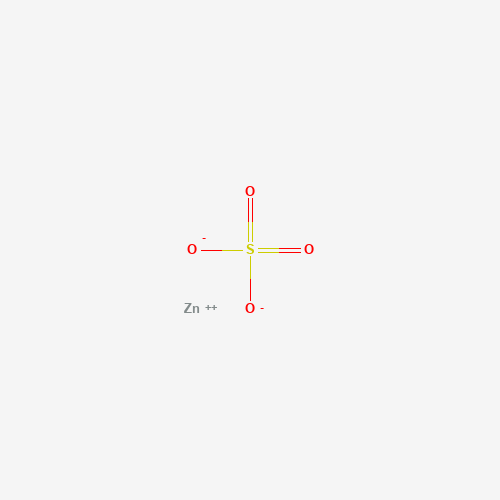
Zinc sulfate is a zinc source used in food fortification and as a yeast nutrient.
Where it is and isn’t permitted
| Jurisdiction | Status | Scope and limits | Citation |
|---|---|---|---|
| Australia and New Zealand | No listed food uses foundThis site has not matched this substance to any food use on this jurisdiction’s list of authorised food additives. A food additive may be used only in foods that list names. Flavourings, enzymes, processing aids and added nutrients are regulated separately and do not appear on it. | ||
| Canada | Permitted | no numerical limit (good manufacturing practice) 2 permitted uses Show every permitted use
| Health Canada, List of Permitted Yeast Foods (List 14)and 1 further provisionretrieved 2026-10-17 |
| European Union | No listed food uses foundThis site has not matched this substance to any food use on this jurisdiction’s list of authorised food additives. A food additive may be used only in foods that list names. Flavourings, enzymes, processing aids and added nutrients are regulated separately and do not appear on it. | ||
| Great Britain | No listed food uses foundThis site has not matched this substance to any food use on this jurisdiction’s list of authorised food additives. A food additive may be used only in foods that list names. Flavourings, enzymes, processing aids and added nutrients are regulated separately and do not appear on it. | ||
| Japan | Permitted, with conditions | Designated additive: Appended Table 1, item 1, 亜鉛塩類(グルコン酸亜鉛及び硫酸亜鉛に限る。) (“Zinc Salts (limited to Zinc Gluconate and Zinc Sulfate)” in the unofficial English translation; listed member: Zinc Sulfate). …Designated additive: Appended Table 1, item 1, 亜鉛塩類(グルコン酸亜鉛及び硫酸亜鉛に限る。) (“Zinc Salts (limited to Zinc Gluconate and Zinc Sulfate)” in the unofficial English translation; listed member: Zinc Sulfate). Standards for use — Specifications and Standards for Foods, Food Additives, etc. (MHW Notification No. 370 of 1959), Part II (Food Additives), F (Standards for use), entry 硫酸亜鉛: (1) [may be used only in the foods stated] “硫酸亜鉛は、酒税法(昭和28年法律第6号)第3条第3号に規定する発泡性酒類(以下単に「発泡性酒類」という。)及び母乳代替食品以外の食品に使用してはならない。” (2) [sets maximum levels of use for the foods stated] “硫酸亜鉛の使用量は、亜鉛として、発泡性酒類にあってはその1kgにつき0.0010g以下でなければならない。” (3) [limits how much the food may contain] “硫酸亜鉛は、乳及び乳製品の成分規格等に関する命令別表の二 乳等の成分規格並びに製造、調理及び保存の方法の基準の部(五) 乳等の成分又は製造若しくは保存の方法に関するその他の規格又は基準の款(5)の規定による内閣総理大臣の承認を受けて使用する場合を除き、母乳代替食品を標準調乳濃度に調乳したとき、その1Lにつき、亜鉛として6.0mgを超える量を含有しないように使用しなければならない。” The Japanese is the standard as published. There is no official English translation of the Notification; the English in square brackets is this site’s description of what each sentence does, not a translation of the foods or the levels. Compositional specifications for this additive, in the same Notification, are not imported and are not shown here; nor are the general rules in F 添加物一般, which apply to every additive. | Regulations for Enforcement of the Food Sanitation Act (MHW Ordinance No. 23 of 1948), Appended Table 1retrieved 2026-10-18 |
| South Korea | Permitted, with conditions | Designated food additive: Standards and Specifications for Food Additives, Part III, 2. …Designated food additive: Standards and Specifications for Food Additives, Part III, 2. 가공보조제 (processing aids), 황산아연 (“Zinc Sulfate”, the English the Code prints beside it); the Code marks it as also usable as a nutrient fortifier; 3. 영양강화제 (nutrient fortifiers), 황산아연; nutrient: 아연(Zn); the Code marks it as also usable as a processing aid. Main use (주용도) of 황산아연: 제조용제. Standard for use (사용기준) of 황산아연: (1) [to be used under the general standard for use in II. 2. 1), the minimum amount that achieves the technical effect, with no limit set for this additive in particular] “II. 2. 1)의 규정에 따라 사용하여야 한다.” The Korean is the standard as published. There is no official English translation of the current Code (the English version on MFDS’s website is the 2020 edition and has no legal effect); the English in square brackets is this site’s description of what each sentence does, not a translation of the foods or the levels. Compositional specifications (Part IV) are not imported, nor are the general standards in Part II, which apply to every additive. | Standards and Specifications for Food Additives (식품첨가물의 기준 및 규격), MFDS Notification, Part III (Standards for use, by item)retrieved 2026-10-18 |
| United States | Permitted | 21 CFR 182.8997retrieved 2026-10-17 | |
| Codex Alimentarius | Not listedDoes not appear on this jurisdiction’s permitted list. That is not the same as being prohibited. |
How much is permitted
A listing usually limits the quantity as well as the food. Only one of the forms that takes is a figure: quantum satis and good manufacturing practice permit the amount the technological effect requires and no more, which is a limit rather than the absence of one. Figures below are the range across every food category this page is listed in, and categories differ between regulators — see how much is permitted.
| Canada | — | 2 GMP |
|---|---|---|
| Japan | — | 1 no quantity stated |
| South Korea | — | 1 no quantity stated |
| United States | — | 1 no quantity stated |
No regulator sets a figure for Zinc sulfate. That is not an absence of control: where the listing says quantum satis or good manufacturing practice, the quantity is limited to what the effect requires.
What it is made from
Produced by dissolving zinc or zinc oxide in sulfuric acid.
- Vegan
- Vegetarian
Compare other additives on the dietary indexes.
- CAS registry number
- 7446-20-0
- InChIKey
- NWONKYPBYAMBJT-UHFFFAOYSA-L
- PubChem
- CID 24424
Every name it appears under
55 recorded names. A label may use any of them.
CAS registry number
- 7446-20-0
- 7733-02-0
As it appears in regulation
- Zinc sulfate
Other names
- 0.1M Zinc sulphate
- Bonazen
- Bufopto zinc sulfate
- Caswell No. 927
- CCRIS 3664
- CCRIS 5563
- Chinese Pharmacopoeia 0.05M Zinc Sulphate
- component of Phenylzin
- EPA Pesticide Chemical Code 089001
- H14O11SZn
- HSDB 1063
- Medizinc
- Neozin
- O4SZn
- OP-Thal-zin
- Ophthazinc T (TN)
- Optised
- Optraex
- Orazinc
- Prefrin-Z
- Reagecon Zinc Sulphate 0.1M according to United States Pharmacopoeia (USP)
- Salvazinc
- Solfato di Zinco
- Solvezinc
- Solvezink
- Sootheye
- Sulfate de zinc
- Sulfate, Zinc
- Sulfato de cinc
- Sulfato de zinc
- Sulfato de zinco
- Sulfuric acid zinc salt (VAN)
- Sulfuric acid, zinc salt
- Sulfuric acid, zinc salt (1:1)
- Sulfuric acid, zinc salt (1:1), heptahydrate
- USP Solution Zinc Sulfate 0.0500 Molar Conforms to USP
- VasoClear A
- Verazinc
- Visine-ac
- White copperas
- White vitriol
- White vitriol (heptahydrate)
- White vitriol (VAN)
- Z Span
- Zindole
- Zink-Gro
- Zinklet
- Zinkosite
- Zn sulf co
- ZnSO4
- ZnSO4.7H2O
Systematic names
- Sulfuric acid, zinc salt (1:1), heptahydrate (8CI,9CI); White vitriol; Zinc sulfate (ZnSO4) heptahydrate; Zinc sulfate heptahydrate; Zinc vitriol; Zinc(II) sulfate heptahydrate
Hazard reference values
No reference value for this substance in the sources we hold.
Evidence and how bodies read it
Studies, and the differing conclusions regulators drew from them, are curated rather than machine-read, and none has been written for this substance yet.
Common questions
Assembled from what is above, in the words the questions are usually asked in. Each answer is the same statement the relevant section makes, with the same citations behind it.
- What is Zinc sulfate?
- Zinc sulfate is a zinc source used in food fortification and as a yeast nutrient.
- What is Zinc sulfate used for in food?
- It is listed as a nutrient supplement and a yeast food — the role the US and Canada assign it. This page shows every function each regulator records, with the citation for each.
- Is Zinc sulfate banned in Europe?
- No. Zinc sulfate does not appear on the EU's list of authorised food additives, which is not the same as being banned: the EU permits an additive only where it has authorised it, and usually the reason for an absence is that no one applied. The EU has made no finding against this substance. It does mean it may not be used as a food additive in the EU today.
- Where is Zinc sulfate permitted?
- Of the seven regulators this site reads, Canada, Japan, South Korea and the US permit it. Each permission is for named foods at named levels, not a blanket one; the table on this page gives them with citations.
- Is Zinc sulfate vegan?
- Yes. Zinc sulfate is not derived from animals, and is suitable for vegetarians. This page says what it is made from and how.
Sources for this page
- ca retrieved 2026-10-17
- jp retrieved 2026-10-18
- kr retrieved 2026-10-18
- ecfr retrieved 2026-10-17
Full licence terms and publisher details on Sources. How this page is built and updated: Method.
Machine-readable: a JSON record of this additive is given on request —how to ask for access.
Follow changes to Zinc sulfate:Atom feed — regulatory events, and any change the weekly refresh detects in its provisions.