1,3-Butylene glycol
107-88-0 · 55251-78-0 · ( inverted exclamation markA)-1,3-Butanediol · (+/-) 1,3 butandiol · (+/-)-1,3-butandiol · (+/-)-1,3-Butanediol · (RS)-1,3-Butandiol · (RS)-1,3-Butanediol · (S)-(+)-1,3-butane diol · .beta.-Butylene glycol · 0-01-00-00477 (Beilstein Handbook Reference) · 1,3 -butanediol · 1,3 Butylene glycol · 1,3-Butandiol · 1,3-butane diol · 1,3-BUTANEDIOL · 1,3-Butanediol (Standard) · 1,3-Butanediol, (S)- · 1,3-butanediol, DL- · 1,3-Butanodiol · 1,3-Butylene glycol · 1,3-Butylenglykol · 1,3-Dihydroxybutane · 1-Methyl-1,3-propanediol · 3% Hyaluronic Acid Serum · 3CE SUPER SLIM PEN EYE LINER BLACK · 3CE SUPER SLIM PEN EYE LINER BROWN · 3CE SUPER SLIM PEN EYE LINER BURGUNDY BROWN · 3CE SUPER SLIM PEN EYE LINER LIGHT BROWN · 3XUS85K0RA · acmeros Lubricant X0026F3541 · b-Butylene glycol · beta-Butylene glycol · BRN 1731276 · Butane-1,3-diol · BUTANEDIOL,1,3- · BUTANEDIOL,3- · Butylene glycol · Butylene Glycol (Butane-1,3-diol) · Butylene glycol (NF) · CAS-107-88-0 · Caswell No. 128GG · Chinese medicine patch · DL-1,3-butanediol · Herbal Moxibustion · HSDB 153 · LingLongJiuHuo Linglong Moxibustion · LingLongJiuHuo Linglong Moxibustion Wormwood Moxibustion Patch · Methyltrimethylene glycol · MUMMY MASK · Natural Oriental Herb Care · QIZHOUGUAI Chinese medicine patch · R-butane-1,3-diol · racemic 1,3-butanediol · ShiZhenTaiYiTang Moxibustion Patch · Srripo Biotin Hair Treatment · utane-1,3-diol · VSHELL Hair Treatment Biotin Conditioner · Water-based Personal Lubricant, ACVIOO 001 · WLN: QY1 & 2Q · Butane-1,3-diol · 1,3-Butylene glycolCAS 107-88-0
Listed as a solvent by Canada and the US.
Listed as solvents and vehicles (CA, US) · flavouring agents and adjuvants (US) · carriers (CA) · formulation aids (US) · processing aids (US)
- Canada: Carrier solvent — Health Canada, List of Permitted Solvents (List 15)
- United States: Solvent or vehicle — FDA, Substances Added to Food: 1,3-BUTYLENE GLYCOL
- United States: Flavoring agent or adjuvant — FDA, Substances Added to Food: 1,3-BUTYLENE GLYCOL
- Canada: Carrier solvent — Health Canada, List of Permitted Solvents (List 15)
- United States: Formulation aids — 21 CFR 172.712, citing 21 CFR 170.3(o)(14)
- United States: Processing aids — 21 CFR 172.712, citing 21 CFR 170.3(o)(24)
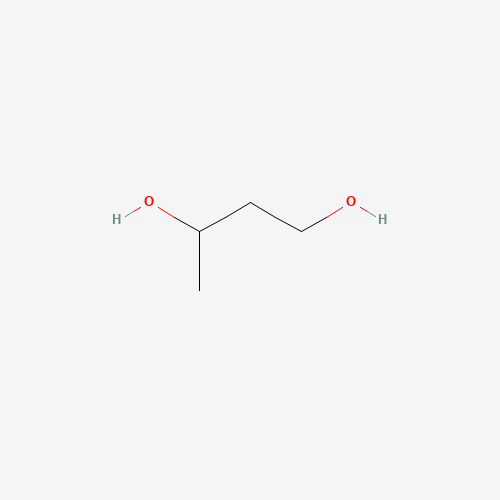
1,3-Butylene glycol is a solvent and carrier for flavourings, used to hold flavour compounds in solution.
Where it is and isn’t permitted
| Jurisdiction | Status | Scope and limits | Citation |
|---|---|---|---|
| Australia and New Zealand | No listed food uses foundThis site has not matched this substance to any food use on this jurisdiction’s list of authorised food additives. A food additive may be used only in foods that list names. Flavourings, enzymes, processing aids and added nutrients are regulated separately and do not appear on it. | ||
| Canada | Permitted | no numerical limit (good manufacturing practice) 2 permitted uses Show every permitted use
| Health Canada, List of Permitted Solvents (List 15)and 1 further provisionretrieved 2026-10-17 |
| European Union | No listed food uses foundThis site has not matched this substance to any food use on this jurisdiction’s list of authorised food additives. A food additive may be used only in foods that list names. Flavourings, enzymes, processing aids and added nutrients are regulated separately and do not appear on it. | ||
| Great Britain | No listed food uses foundThis site has not matched this substance to any food use on this jurisdiction’s list of authorised food additives. A food additive may be used only in foods that list names. Flavourings, enzymes, processing aids and added nutrients are regulated separately and do not appear on it. | ||
| Japan | No listing matchedThis site imports only Japan’s list of designated additives (Appended Table 1 to the Regulations for Enforcement of the Food Sanitation Act), matched by English name. Existing additives, natural flavouring agents and ordinary foods used as additives are permitted outside that list and are not imported, so an empty row does not show that Japan does not permit the substance. | ||
| South Korea | No listing matchedThis site imports Part III of South Korea’s Standards and Specifications for Food Additives, matched by CAS number, then INS number, then exact name. Mixed preparations and sanitisers are not imported, and an entry whose identifiers disagreed with a page’s is held for review, so an empty row does not show that South Korea does not permit the substance. | ||
| United States | Permitted, with conditions | 21 CFR 172.712and 1 further provisionretrieved 2026-10-17 | |
| Codex Alimentarius | Not listedDoes not appear on this jurisdiction’s permitted list. That is not the same as being prohibited. |
How much is permitted
A listing usually limits the quantity as well as the food. Only one of the forms that takes is a figure: quantum satis and good manufacturing practice permit the amount the technological effect requires and no more, which is a limit rather than the absence of one. Figures below are the range across every food category this page is listed in, and categories differ between regulators — see how much is permitted.
| Canada | — | 2 GMP |
|---|---|---|
| United States | — | 2 no quantity stated |
No regulator sets a figure for 1,3-Butylene glycol. That is not an absence of control: where the listing says quantum satis or good manufacturing practice, the quantity is limited to what the effect requires.
What it is made from
Produced by chemical synthesis from petroleum-derived acetaldehyde.
- Vegan
- Vegetarian
Compare other additives on the dietary indexes.
- CAS registry number
- 107-88-0
- InChIKey
- PUPZLCDOIYMWBV-UHFFFAOYSA-N
- PubChem
- CID 7896
How JECFA defines it
The international specification for identity and purity, prepared by the Joint FAO/WHO Expert Committee on Food Additives and published by FAO. It is a different document from any above, written by a different body and revised on its own cycle; it is advisory, and a country adopts it or does not.
Butane-1,3-diol
Synonyms: 1,3-Butylene glycol; beta-Butylene glycol
Assay, identification and purity criteria
Description and assay
- Specification history
- BUTAN - 1,3 – DIOL Prepared at the 23rd JECFA (1979), published in FNP 12 (1979) and in FNP 52 (1992). Metals and arsenic specifications revised at the 63rd JECFA (2004). An ADI of 0-4 mg/kg bw was established at the 23rd JECFA (1979)
- SYNONYMS DEFINITION Chemical names C.A.S. number Chemical formula Structural formula
- 1,3-Butylene glycol, ß-butylene glycol Butan-1,3-diol 107-88-0 C 4 H 10 O 2
- Formula weight Assay DESCRIPTION FUNCTIONAL USES Solubility (Vol. 4) Specific gravity (Vol. 4) Distillation range (Vol. 4)
- 90.12 Not less than 99% w/w Clear colourless, odourless, hygroscopic, viscous liquid Carrier solvent Miscible with water, acetone and ether; soluble in fixed oils, ethanol, ether 1.004 - 1.006 200-215 o
- METHOD OF ASSAY
- Proceed as directed under Hydroxyl Value in Volume 4 using 0.2 g of the sample and calculate the content by the formula:
Purity criteria
- Water (Vol. 4) Lead (Vol. 4)
- Not more than 0.5% w/w (Karl Fischer Method) Not more than 2 mg/kg Determine using an atomic absorption technique appropriate to the specified level. The selection of sample size and method of sample preparation may be based on the principles of the method described in Volume 4, “Instrumental Methods.”
Every name it appears under
62 recorded names. A label may use any of them.
CAS registry number
- 107-88-0
- 55251-78-0
As it appears in regulation
- 1,3-Butylene glycol
Other names
- ( inverted exclamation markA)-1,3-Butanediol
- (+/-) 1,3 butandiol
- (+/-)-1,3-butandiol
- (+/-)-1,3-Butanediol
- (RS)-1,3-Butandiol
- (RS)-1,3-Butanediol
- (S)-(+)-1,3-butane diol
- .beta.-Butylene glycol
- 0-01-00-00477 (Beilstein Handbook Reference)
- 1,3 -butanediol
- 1,3 Butylene glycol
- 1,3-Butandiol
- 1,3-butane diol
- 1,3-BUTANEDIOL
- 1,3-Butanediol (Standard)
- 1,3-Butanediol, (S)-
- 1,3-butanediol, DL-
- 1,3-Butanodiol
- 1,3-Butylene glycol
- 1,3-Butylenglykol
- 1,3-Dihydroxybutane
- 1-Methyl-1,3-propanediol
- 3% Hyaluronic Acid Serum
- 3CE SUPER SLIM PEN EYE LINER BLACK
- 3CE SUPER SLIM PEN EYE LINER BROWN
- 3CE SUPER SLIM PEN EYE LINER BURGUNDY BROWN
- 3CE SUPER SLIM PEN EYE LINER LIGHT BROWN
- 3XUS85K0RA
- acmeros Lubricant X0026F3541
- b-Butylene glycol
- beta-Butylene glycol
- BRN 1731276
- Butane-1,3-diol
- BUTANEDIOL,1,3-
- BUTANEDIOL,3-
- Butylene glycol
- Butylene Glycol (Butane-1,3-diol)
- Butylene glycol (NF)
- CAS-107-88-0
- Caswell No. 128GG
- Chinese medicine patch
- DL-1,3-butanediol
- Herbal Moxibustion
- HSDB 153
- LingLongJiuHuo Linglong Moxibustion
- LingLongJiuHuo Linglong Moxibustion Wormwood Moxibustion Patch
- Methyltrimethylene glycol
- MUMMY MASK
- Natural Oriental Herb Care
- QIZHOUGUAI Chinese medicine patch
- R-butane-1,3-diol
- racemic 1,3-butanediol
- ShiZhenTaiYiTang Moxibustion Patch
- Srripo Biotin Hair Treatment
- utane-1,3-diol
- VSHELL Hair Treatment Biotin Conditioner
- Water-based Personal Lubricant, ACVIOO 001
- WLN: QY1 & 2Q
Systematic names
- Butane-1,3-diol
Hazard reference values
EFSA and JECFA have both set an acceptable daily intake for 1,3-Butylene glycol, and they agree: 4 mg/kg bw/day. An acceptable daily intake is a reference value set by a committee, not a threshold above which harm begins. See where the two committees differ.
| Type | Value | Population | Assessed by | Opinion |
|---|---|---|---|---|
| ADI | 4 mg/kg bw/day | — | JECFA | 1979 |
| ADI | 4 mg/kg bw/day | consumers | EFSA | not identified in the dataset |
Evidence and how bodies read it
Studies, and the differing conclusions regulators drew from them, are curated rather than machine-read, and none has been written for this substance yet.
Common questions
Assembled from what is above, in the words the questions are usually asked in. Each answer is the same statement the relevant section makes, with the same citations behind it.
- What is 1,3-Butylene glycol?
- 1,3-Butylene glycol is a solvent and carrier for flavourings, used to hold flavour compounds in solution.
- What is 1,3-Butylene glycol used for in food?
- It is listed as a solvent — the role Canada and the US assign it. This page shows every function each regulator records, with the citation for each.
- Is 1,3-Butylene glycol banned in Europe?
- No. 1,3-Butylene glycol does not appear on the EU's list of authorised food additives, which is not the same as being banned: the EU permits an additive only where it has authorised it, and usually the reason for an absence is that no one applied. The EU has made no finding against this substance. It does mean it may not be used as a food additive in the EU today.
- Where is 1,3-Butylene glycol permitted?
- Of the seven regulators this site reads, Canada and the US permit it. Each permission is for named foods at named levels, not a blanket one; the table on this page gives them with citations.
- Is 1,3-Butylene glycol vegan?
- Yes. 1,3-Butylene glycol is not derived from animals, and is suitable for vegetarians. This page says what it is made from and how.
Sources for this page
- ca retrieved 2026-10-17
- ecfr retrieved 2026-10-17
- jecfaspecs retrieved 2026-09-23
Full licence terms and publisher details on Sources. How this page is built and updated: Method.
Machine-readable: a JSON record of this additive is given on request —how to ask for access.
Follow changes to 1,3-Butylene glycol:Atom feed — regulatory events, and any change the weekly refresh detects in its provisions.