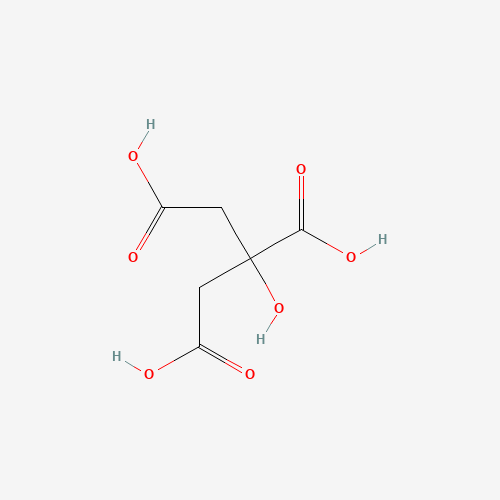
| CanadaHealth Canada | ◐Permitted, with conditions | no numerical limit (good manufacturing practice) 23 permitted uses Show every permitted use- In: Beef blood. Purpose: Anticoagulant. Limit: Good Manufacturing Practice. — Health Canada, List of Permitted Food Additives with Other Purposes of Use (List 8), item C.18(a)
- In: Unstandardized foods. Purpose: Culture nutrient. Limit: Good Manufacturing Practice. — Health Canada, List of Permitted Food Additives with Other Purposes of Use (List 8), item C.18(b)
- In: Apple and (naming the fruit or fruits) jam; Fig marmalade; Fig marmalade with pectin; (Naming the fruit or fruits) jam; (Naming the fruit or fruits) jam with pectin; (Naming the fruit or fruits) jelly; (Naming the fruit or fruits) jelly with pectin; (Naming the citrus fruit or fruits) marmalade; (Naming the citrus fruit or fruits) marmalade with pectin; Pineapple marmalade; Pineapple marmalade with pectin; Rhubarb and (naming the fruit or fruits) jam. Purpose: Acidity regulator. Limit: Good Manufacturing Practice in accordance with sections 10.4.1, 10.4.2, 10.4.3, 10.4.4, 10.4.5, 10.4.6, 10.4.7, 10.4.9 and 10.4.10 of Volume 10 of the Food Compositional Standards Document. — Health Canada, List of Permitted Acidity Regulators and Acid-Reacting Materials (List 10), item C.16(a)
- In: Apricot nectar; Beans; Beans with pork; Canned (naming the fruit or fruits); Canned (naming the vegetable or vegetables); Canned mushrooms; Canned tomatoes; Concentrated tomato paste; Frozen (naming the fruit or fruits); Frozen (naming the vegetable or vegetables); Frozen mushrooms; Grape juice; Mincemeat; Olives; Peach nectar; Pear nectar; Pickles and relishes; Tomato juice; Tomato paste; Tomato pulp; Tomato puree. Purpose: Acidity regulator. Limit: Good Manufacturing Practice. — Health Canada, List of Permitted Acidity Regulators and Acid-Reacting Materials (List 10), item C.16(b)
- In: Beer. Purpose: Acidity regulator. Limit: Good Manufacturing Practice. — Health Canada, List of Permitted Acidity Regulators and Acid-Reacting Materials (List 10), item C.16(c)
- In: Blackstrap molasses destined for the manufacture of confectionery glazes for snack foods. Purpose: Acidity regulator. Limit: Good Manufacturing Practice. To be used with asparaginase in accordance with item A.6 of the List of Permitted Food Enzymes. Amendment notices: NOM/ADM-0105. — Health Canada, List of Permitted Acidity Regulators and Acid-Reacting Materials (List 10), item C.16(d)
- In: Calorie-reduced margarine; Margarine. Purpose: Acidity regulator. Limit: Good Manufacturing Practice. — Health Canada, List of Permitted Acidity Regulators and Acid-Reacting Materials (List 10), item C.16(e)
- In: Cider; Fruit wine; Honey wine; Wine. Purpose: Acidity regulator. Limit: Good Manufacturing Practice. — Health Canada, List of Permitted Acidity Regulators and Acid-Reacting Materials (List 10), item C.16(f)
- In: Cocoa products as defined in Volume 4 of the Food Compositional Standards Document. Purpose: Acidity regulator. Limit: Used as such or in aqueous solution. If used singly, the amount not to exceed 1.0%, calculated on a fat-free basis. If used in combination with tartaric acid, the total combined amount not to exceed 1.0%, calculated on a fat-free basis. — Health Canada, List of Permitted Acidity Regulators and Acid-Reacting Materials (List 10), item C.16(g)
- In: Cold-pack (naming the variety) cheese; Cold-pack cheese food; Cold-pack cheese food with (naming the added ingredients); Cold-pack (naming the variety) cheese with (naming the added ingredients); Cottage cheese; Cream cheese spread; Cream cheese spread with (naming the added ingredients); Creamed cottage cheese; Ice cream mix; Ice milk mix; Processed (naming the variety) cheese; Processed cheese food; Processed cheese food with (naming the added ingredients); Processed cheese spread; Processed cheese spread with (naming the added ingredients); Processed (naming the variety) cheese with (naming the added ingredients); Sherbet; (Naming the variety) whey cheese. Purpose: Acidity regulator. Limit: Good Manufacturing Practice. — Health Canada, List of Permitted Acidity Regulators and Acid-Reacting Materials (List 10), item C.16(h)
- In: Dried egg-white; Dried whole egg; Dried yolk; Frozen egg-white; Frozen whole egg; Frozen yolk; Liquid egg-white; Liquid whole egg; Liquid yolk. Purpose: Acidity regulator. Limit: Good Manufacturing Practice. — Health Canada, List of Permitted Acidity Regulators and Acid-Reacting Materials (List 10), item C.16(i)
- In: French dressing; Mayonnaise; Salad dressing. Purpose: Acidity regulator. Limit: Good Manufacturing Practice. — Health Canada, List of Permitted Acidity Regulators and Acid-Reacting Materials (List 10), item C.16(j)
- In: Frozen crustaceans; Frozen fish; Frozen fish fillets; Frozen frogs; Frozen marine mammals; Frozen minced fish; Frozen molluscs; Glaze for frozen fish; Other frozen marine invertebrates; Prepared fish or prepared meat (as defined in section B.21.002 of the Food and Drug Regulations); Preserved fish or preserved meat (as defined in section B.21.002 of the Food and Drug Regulations). Purpose: Acidity regulator. Limit: Good Manufacturing Practice. Amendment notices: NOM/ADM-0122. — Health Canada, List of Permitted Acidity Regulators and Acid-Reacting Materials (List 10), item C.16(k)
- In: Gelatin. Purpose: Acidity regulator. Limit: Good Manufacturing Practice. — Health Canada, List of Permitted Acidity Regulators and Acid-Reacting Materials (List 10), item C.16(l)
- In: Infant formula. Purpose: Acidity regulator. Limit: Good Manufacturing Practice. — Health Canada, List of Permitted Acidity Regulators and Acid-Reacting Materials (List 10), item C.16(m)
- In: Unstandardized foods. Purpose: Acidity regulator. Limit: Good Manufacturing Practice. — Health Canada, List of Permitted Acidity Regulators and Acid-Reacting Materials (List 10), item C.16(n)
- In: (Naming the flavour) essence; (Naming the flavour) extract; (Naming the flavour) flavour. Purpose: Preservative. Limit: Good Manufacturing Practice. Amendment notices: M-FAA-24-14. — Health Canada, List of Permitted Preservatives (List 11), item C.7(a)
- In: Dried cooked poultry meat. Purpose: Preservative. Limit: If used singly, the amount not to exceed 0.015% of the fat content. If used in combination with butylated hydroxyanisole or propyl gallate, or both, the total combined amount not to exceed 0.015% of the fat content. — Health Canada, List of Permitted Preservatives (List 11), item C.7(b)
- In: Fats and oils, except milk fat, olive oil and suet; Lard; Mono- and diglycerides; Shortening. Purpose: Preservative. Limit: Good Manufacturing Practice. — Health Canada, List of Permitted Preservatives (List 11), item C.7(c)
- In: Unstandardized foods, except unstandardized preparations of meat or meat by-product, fish or meat (as defined in section B.21.002 of the Food and Drug Regulations) or poultry meat or poultry meat by-product. Purpose: Preservative. Limit: Good Manufacturing Practice. Amendment notices: NOM/ADM-0122. — Health Canada, List of Permitted Preservatives (List 11), item C.7(d)
- In: Frozen crustaceans; Frozen fish; Frozen fish fillets; Frozen frogs; Frozen marine mammals; Frozen minced fish; Frozen molluscs; Glaze for frozen fish; Prepared fish or prepared meat (as defined in section B.21.002 of the Food and Drug Regulations); Preserved fish or preserved meat (as defined in section B.21.002 of the Food and Drug Regulations); Other frozen marine invertebrates. Purpose: Sequestering agent. Limit: Good Manufacturing Practice. Amendment notices: NOM/ADM-0122. — Health Canada, List of Permitted Sequestering Agents (List 12), item C.6(a)
- In: Pumping pickle, cover pickle or dry cure used in the curing of preserved meat or preserved meat by-product. Purpose: Sequestering agent. Limit: Good Manufacturing Practice. Amendment notices: NOM/ADM-0122. — Health Canada, List of Permitted Sequestering Agents (List 12), item C.6(b)
- In: Unstandardized foods. Purpose: Sequestering agent. Limit: Good Manufacturing Practice. — Health Canada, List of Permitted Sequestering Agents (List 12), item C.6(c)
| Health Canadaand 22 further provisionsretrieved 2026-10-17 |
|---|
| European UnionEuropean Commission / EFSA | ◐Permitted, with conditions | 97 food categories highest permitted level 5,000 mg/l Show every food category- 1.10 Milk-based drinks and similar products intended for young children* — quantum satisquantum satis.
- 1.3 unflavoured fermented milk products heat-treated after fermentation — several limitsPermitted as a member of Group I, Additives. ML = quantum satis; except E 425 ML = 10000 mg/kg; E 620 to E 625, ML = 10000 mg/kg individually or in combination, expressed as glutamic acid; E 626 to E 635, ML = 500 mg/kg individually or in combination, expressed as guanylic acid.
- 1.4 flavoured fermented milk products including heat-treated products — several limitsPermitted as a member of Group I, Additives. ML = quantum satis; except E 425 ML = 10000 mg/kg; E 620 to E 625, ML = 10000 mg/kg individually or in combination, expressed as glutamic acid; E 626 to E 635, ML = 500 mg/kg individually or in combination, expressed as guanylic acid.
- 1.6.3 other creams — several limitsPermitted as a member of Group I, Additives. ML = quantum satis; except E 425 ML = 10000 mg/kg; E 620 to E 625, ML = 10000 mg/kg individually or in combination, expressed as glutamic acid; E 626 to E 635, ML = 500 mg/kg individually or in combination, expressed as guanylic acid.
- 1.7.1 unripened cheese excluding products falling in category 16 — quantum satisquantum satis. only mozzarella.
- 1.7.1 unripened cheese excluding products falling in category 16Permitted as a member of Group I, Additives. except mozzarella.
- 1.7.4 whey cheese — quantum satisquantum satis.
- 1.7.5 processed cheese — several limitsPermitted as a member of Group I, Additives. except E 425 ML = 10000 mg/kg; E 620 to E 625, ML =10000 mg/kg individually or in combination, expressed as glutamic acid;E 626 to E 635, ML = 500 mg/kg individually or in combination, expressedas guanylic acid.
- 1.7.6 cheese products (excluding products falling in category 16) — several limitsPermitted as a member of Group I, Additives. ML = quantum satis; except E 425 ML = 10000 mg/kg; E 620 to E 625, ML = 10000 mg/kg individually or in combination, expressed as glutamic acid; E 626 to E 635, ML = 500 mg/kg individually or in combination, expressed as guanylic acid.
- 1.8 Dairy analogues, including beverage whiteners — several limitsPermitted as a member of Group I, Additives. ML = quantum satis; except E 425 ML = 10000 mg/kg; E 620 to E 625, ML = 10000 mg/kg individually or in combination, expressed as glutamic acid; E 626 to E 635, ML = 500 mg/kg individually or in combination, expressed as guanylic acid.
- 10.2 processed eggs and egg products — several limitsPermitted as a member of Group I, Additives. ML = quantum satis; except E 425 ML = 10000 mg/kg; E 620 to E 625, ML =10000 mg/kg individually or in combination, expressed as glutamic acid;E 626 to E 635, ML = 500 mg/kg individually or in combination, expressedas guanylic acid.
- 11.2 Other sugars and syrups — several limitsPermitted as a member of Group I, Additives. ML = quantum satis; except E 425 ML = 10000 mg/kg; E 620 to E 625, ML = 10000 mg/kg individually or in combination, expressed as glutamic acid; E 626 to E 635, ML = 500 mg/kg individually or in combination, expressed as guanylic acid.
- 11.4.1 table-top sweeteners in liquid form — quantum satisquantum satis.
- 11.4.2 table-top sweeteners in powder form — quantum satisquantum satis.
- 11.4.3 table-top sweeteners in tablets — quantum satisquantum satis.
- 12.1.2 salt substitutes — several limitsPermitted as a member of Group I, Additives. ML = quantum satis; except E 425 ML = 10000 mg/kg; E 620 to E 625, ML = 10000 mg/kg individually or in combination, expressed as glutamic acid; E 626 to E 635, ML = 500 mg/kg individually or in combination, expressed as guanylic acid.
- 12.2.2 Seasonings and condiments — several limitsPermitted as a member of Group I, Additives. ML = quantum satis; except E 425 ML = 10000 mg/kg; E 620 to E 625, ML = 10000 mg/kg individually or in combination, expressed as glutamic acid; E 626 to E 635, ML = 500 mg/kg individually or in combination, expressed as guanylic acid.
- 12.3 Vinegars and diluted acetic acid (diluted with water to 4-30 % by volume) — several limitsPermitted as a member of Group I, Additives. ML = quantum satis; except E 425 ML = 10000 mg/kg; E 620 to E 625, ML = 10000 mg/kg individually or in combination, expressed as glutamic acid; E 626 to E 635, ML = 500 mg/kg individually or in combination, expressed as guanylic acid.
- 12.4 Mustard — several limitsPermitted as a member of Group I, Additives. ML = quantum satis; except E 425 ML = 10000 mg/kg; E 620 to E 625, ML = 10000 mg/kg individually or in combination, expressed as glutamic acid; E 626 to E 635, ML = 500 mg/kg individually or in combination, expressed as guanylic acid.
- 12.5 Soups and broths — several limitsPermitted as a member of Group I, Additives. ML = quantum satis; except E 425 ML = 10000 mg/kg; E 620 to E 625, ML = 10000 mg/kg individually or in combination, expressed as glutamic acid; E 626 to E 635, ML = 500 mg/kg individually or in combination, expressed as guanylic acid.
- 12.6 Sauces — several limitsPermitted as a member of Group I, Additives. ML = quantum satis; except E 425 ML = 10000 mg/kg; E 620 to E 625, ML = 10000 mg/kg individually or in combination, expressed as glutamic acid; E 626 to E 635, ML = 500 mg/kg individually or in combination, expressed as guanylic acid.
- 12.7 Salads and savoury-based sandwich spreads — several limitsPermitted as a member of Group I, Additives. ML = quantum satis; except E 425 ML = 10000 mg/kg; E 620 to E 625, ML = 10000 mg/kg individually or in combination, expressed as glutamic acid; E 626 to E 635, ML = 500 mg/kg individually or in combination, expressed as guanylic acid.
- 12.8 Yeast and yeast products — several limitsPermitted as a member of Group I, Additives. ML = quantum satis; except E 425 ML = 10000 mg/kg; E 620 to E 625, ML = 10000 mg/kg individually or in combination, expressed as glutamic acid; E 626 to E 635, ML = 500 mg/kg individually or in combination, expressed as guanylic acid.
- 12.9 Protein products excluding products covered in category 1 8 — several limitsPermitted as a member of Group I, Additives. ML = quantum satis; except E 425 ML = 10000 mg/kg; E 620 to E 625, ML = 10000 mg/kg individually or in combination, expressed as glutamic acid; E 626 to E 635, ML = 500 mg/kg individually or in combination, expressed as guanylic acid.
- 13.1 foods for infants and young children — quantum satisquantum satis.
- 13.1.1 infant formulae as defined by Regulation (EU) No 609/2013 — quantum satisquantum satis.
- 13.1.2 follow-on formulae as defined by by Regulation (EU) No 609/2013 — quantum satisquantum satis.
- 13.1.3 Processed cereal-based foods and baby foods as defined by Regulation (EU) No 609/2013 — quantum satisquantum satis. only processed cereal based foods and baby foods, only for pH adjustment.
- 13.2 Foods for special medical purposes as defined by Regulation (EU) No 609/2013 (excluding products from food category 13.1.5.) — several limitsPermitted as a member of Group I, Additives. ML = quantum satis; except E 425 ML = 10000 mg/kg; E 620 to E 625, ML = 10000 mg/kg individually or in combination, expressed as glutamic acid; E 626 to E 635, ML = 500 mg/kg individually or in combination, expressed as guanylic acid.
- 13.3 Total diet replacement for weight control food as defined by Regulation (EU) No 609/2013 — several limitsPermitted as a member of Group I, Additives. ML = quantum satis; except E 425 ML = 10000 mg/kg; E 620 to E 625, ML = 10000 mg/kg individually or in combination, expressed as glutamic acid; E 626 to E 635, ML = 500 mg/kg individually or in combination, expressed as guanylic acid.
- 14.1.2 Fruit juices as defined by Directive 2001/112/EC and vegetable juices — 3,000 mg/lML = 3000 mg/l.
- 14.1.2 Fruit juices as defined by Directive 2001/112/EC and vegetable juicesPermitted as a member of Group I, Additives. only vegetable juices.
- 14.1.3 Fruit nectars as defined by Directive 2001/112/EC and vegetable nectars and similar products — 5,000 mg/lML = 5000 mg/l.
- 14.1.3 Fruit nectars as defined by Directive 2001/112/EC and vegetable nectars and similar productsPermitted as a member of Group I, Additives. only vegetable nectars, E 420, E421, E 953, E965, E 966, E 967 and E 968 may not be used.
- 14.1.4 Flavoured_drinksPermitted as a member of Group I, Additives. E 420, E 421, E 953, E 965, E 966 and E 967 may not be used E 968 may not be used except where specifically provided for in this food category.
- 14.1.5.2 otherPermitted as a member of Group I, Additives. excluding unflavoured leaf tea; including flavoured instant coffee; E 420, E421, E 953, E965, E 966, E 967 and E 968 may not be used in drinks.
- 14.2.1 beer and malt beverages — quantum satisquantum satis.
- 14.2.3 Cider and perryPermitted as a member of Group I, Additives. E 420, E421, E 953, E965, E 966, E 967 and E 968 may not be used.
- 14.2.4 Fruit wine and made winePermitted as a member of Group I, Additives. E 420, E421, E 953, E965, E 966, E 967 and E 968 may not be used.
- 14.2.5 MeadPermitted as a member of Group I, Additives. E 420, E421, E 953, E965, E 966, E 967 and E 968 may not be used.
- 14.2.6 Spirit drinks as defined in Regulation (EU) 2019/787Permitted as a member of Group I, Additives. except whisky or whiskey; E 420, E421, E 953, E 965, E 966, E 967 and E 968 may not be used except in liqueurs.
- 14.2.7.1 Aromatised winesPermitted as a member of Group I, Additives. E 420, E421, E 953, E965, E 966, E 967 and E 968 may not be used.
- 14.2.7.2 Aromatised wine-based drinksPermitted as a member of Group I, Additives. E 420, E421, E 953, E965, E 966, E 967 and E 968 may not be used.
- 14.2.7.3 Aromatised wine-product cocktailsPermitted as a member of Group I, Additives. E 420, E421, E 953, E965, E 966, E 967 and E 968 may not be used.
- 14.2.8 Other alcoholic beverages including mixtures of alcoholic beverages with non-alcoholic beverages and other alcoholic beverages based on distilled alcohol with alcoholic strength by volume less than 15 %Permitted as a member of Group I, Additives. E 420, E421, E 953, E 965, E 966, E 967 and E 968 may not be used.
- 15.1 Potato- cereal- flour- or starch-based snacks — several limitsPermitted as a member of Group I, Additives. ML = quantum satis; except E 425 ML = 10000 mg/kg; E 620 to E 625, ML = 10000 mg/kg individually or in combination, expressed as glutamic acid; E 626 to E 635, ML = 500 mg/kg individually or in combination, expressed as guanylic acid.
- 15.2 Processed nuts — several limitsPermitted as a member of Group I, Additives. ML = quantum satis; except E 425 ML = 10000 mg/kg; E 620 to E 625, ML = 10000 mg/kg individually or in combination, expressed as glutamic acid; E 626 to E 635, ML = 500 mg/kg individually or in combination, expressed as guanylic acid.
- 16 Desserts excluding products covered in category 1 3 and 4 — several limitsPermitted as a member of Group I, Additives. ML = quantum satis; except E 425 ML = 10000 mg/kg; E 620 to E 625, ML = 10000 mg/kg individually or in combination, expressed as glutamic acid; E 626 to E 635, ML = 500 mg/kg individually or in combination, expressed as guanylic acid.
- 17.1 food supplements supplied in a solid form excluding food supplements for infants and young children’,Permitted as a member of Group I, Additives. E 410, E 412, E 415, E 417 and E 425 may not be used to produce dehydrated food supplements intended to rehydrate on ingestion.
- 17.2 food supplements supplied in a liquid form excluding food supplements for Infants and young children — several limitsPermitted as a member of Group I, Additives. ML = quantum satis; except E 425 ML = 10000 mg/kg; E 620 to E 625, ML = 10000 mg/kg individually or in combination, expressed as glutamic acid; E 626 to E 635, ML = 500 mg/kg individually or in combination, expressed as guanylic acid.
- 18 Processed foods not covered by categories 1 to 17 — several limitsPermitted as a member of Group I, Additives. ML = quantum satis; except E 425 ML = 10000 mg/kg; E 620 to E 625, ML = 10000 mg/kg individually or in combination, expressed as glutamic acid; E 626 to E 635, ML = 500 mg/kg individually or in combination, expressed as guanylic acid.
- 18.1 Processed foods not covered by categories 18.2 and 18.3, excluding foods for infants and young children — several limitsPermitted as a member of Group I, Additives. ML = quantum satis; except E 425 ML = 10000 mg/kg; E 620 to E 625, ML = 10000 mg/kg individually or in combination, expressed as glutamic acid; E 626 to E 635, ML = 500 mg/kg individually or in combination, expressed as guanylic acid.
- 18.2 Meal replacement for weight control as referred to in Commission Regulation (EU) No 432/2012 — several limitsPermitted as a member of Group I, Additives. ML = quantum satis; except E 425 ML = 10000 mg/kg; E 620 to E 625, ML = 10000 mg/kg individually or in combination, expressed as glutamic acid; E 626 to E 635, ML = 500 mg/kg individually or in combination, expressed as guanylic acid.
- 18.3 Food specially produced to reduce the gluten content of gluten-containing ingredients or substitute the gluten-containing ingredientsPermitted as a member of Group I, Additives. Including dry pasta.
- 2.1 fats and oils essentially free from water (excluding anhydrous milk fat) — quantum satisquantum satis. except virgin oils and olive oils.
- 2.2.2 Other fat and oil emulsions including spreads as defined by Regulation (EC) No 1234/2007 and liquid emulsions — several limitsPermitted as a member of Group I, Additives. ML = quantum satis; except E 425 ML = 10000 mg/kg; E 620 to E 625, ML = 10000 mg/kg individually or in combination, expressed as glutamic acid; E 626 to E 635, ML = 500 mg/kg individually or in combination, expressed as guanylic acid.
- 2.3 Vegetable oil pan spray — several limitsPermitted as a member of Group I, Additives. ML = quantum satis; except E 425 ML = 10000 mg/kg; E 620 to E 625, ML = 10000 mg/kg individually or in combination, expressed as glutamic acid; E 626 to E 635, ML = 500 mg/kg individually or in combination, expressed as guanylic acid.
- 3 edible ices — several limitsPermitted as a member of Group I, Additives. ML = quantum satis; except E 425 ML = 10000 mg/kg; E 620 to E 625, ML = 10000 mg/kg individually or in combination, expressed as glutamic acid; E 626 to E 635, ML = 500 mg/kg individually or in combination, expressed as guanylic acid.
- 4.1.2 peeled cut and shredded fruit and vegetables — quantum satisquantum satis. only prepacked refrigerated unprocessed fruit and vegetables ready for consumption, prepacked unprocessed and peeled potatoes and prepacked white vegetables intended for further processing, including heat treatment, prior to consumption’.
- 4.1.3 frozen fruit and vegetables — quantum satisquantum satis.
- 4.2.1 dried fruit and vegetablesPermitted as a member of Group I, Additives. E 410, E 412, E 415 and E 417 may not be used to produce dehydrated foods intended to rehydrate on ingestion.
- 4.2.2 fruit and vegetables in vinegar oil or brine — several limitsPermitted as a member of Group I, Additives. ML = quantum satis; except E 425 ML = 10000 mg/kg; E 620 to E 625, ML = 10000 mg/kg individually or in combination, expressed as glutamic acid; E 626 to E 635, ML = 500 mg/kg individually or in combination, expressed as guanylic acid.
- 4.2.3 canned or bottled fruit and vegetables — quantum satisquantum satis.
- 4.2.4.1 fruit and vegetable preparations excluding compote — several limitsPermitted as a member of Group I, Additives. ML = quantum satis; except E 425 ML = 10000 mg/kg; E 620 to E 625, ML = 10000 mg/kg individually or in combination, expressed as glutamic acid; E 626 to E 635, ML = 500 mg/kg individually or in combination, expressed as guanylic acid.
- 4.2.4.2 compote excluding products covered by category 16 — quantum satisquantum satis.
- 4.2.5 jam jellies and marmalades and similar products — quantum satisquantum satis.
- 4.2.5.1 Extra jam and extra jelly as defined by Directive 2001/113/EC — quantum satisquantum satis.
- 4.2.5.2 Jam, jellies and marmalades and sweetened chestnut puree as defined by Directive 2001/113/EC — quantum satisquantum satis.
- 4.2.5.3 other similar fruit or vegetable spreads — quantum satisquantum satis.
- 4.2.5.4 nut butters and nut spreads — several limitsPermitted as a member of Group I, Additives. ML = quantum satis; except E 425 ML = 10000 mg/kg; E 620 to E 625, ML = 10000 mg/kg individually or in combination, expressed as glutamic acid; E 626 to E 635, ML = 500 mg/kg individually or in combination, expressed as guanylic acid.
- 4.2.6 processed potato products — several limitsPermitted as a member of Group I, Additives. ML = quantum satis; except E 425 ML = 10000 mg/kg; E 620 to E 625, ML = 10000 mg/kg individually or in combination, expressed as glutamic acid; E 626 to E 635, ML = 500 mg/kg individually or in combination, expressed as guanylic acid.
- 5.1 Cocoa and chocolate products as covered by Directive 2000/36/EC — 5,000 mg/kgML = 5000 mg/kg.
- 5.1 Cocoa and chocolate products as covered by Directive 2000/36/ECPermitted as a member of Group I, Additives. only energy-reduced or with no added sugars.
- 5.2 Other confectionery including breath freshening micro-sweetsPermitted as a member of Group I, Additives. The substances listed under numbers E 400, E 401, E 402, E 403, E 404, E 406, E 407, 407a, E 410, E 412, E 413, E 414, E 415, E 417, E 418, E 425 and E 440 may not be used in jelly mini-cups, defined, for the purpose of this Regulation, as jelly confectionery of a firm consistence, contained in semi rigid mini-cups or mini-capsules, intended to be ingested in a single bite by exerting pressure on the mini-cups or mini-capsule to project the confectionery into the mouth; E 410, E 412, E 415 E 417 may not be used to produce dehydrated foods intended to rehydrate on ingestion. E425 may not be used in jelly confectionery.
- 5.3 chewing gum — several limitsPermitted as a member of Group I, Additives. ML = quantum satis; except E 425 ML = 10000 mg/kg; E 620 to E 625, ML = 10000 mg/kg individually or in combination, expressed as glutamic acid; E 626 to E 635, ML = 500 mg/kg individually or in combination, expressed as guanylic acid.
- 5.4 Decorations, coatings and fillings, except fruit-based fillings covered by category 4.2.4 — several limitsPermitted as a member of Group I, Additives. ML = quantum satis; except E 425 ML = 10000 mg/kg; E 620 to E 625, ML = 10000 mg/kg individually or in combination, expressed as glutamic acid; E 626 to E 635, ML = 500 mg/kg individually or in combination, expressed as guanylic acid.
- 6.2.2 starches — several limitsPermitted as a member of Group I, Additives. ML = quantum satis; except E 425 ML = 10000 mg/kg; E 620 to E 625, ML = 10000 mg/kg individually or in combination, expressed as glutamic acid; E 626 to E 635, ML = 500 mg/kg individually or in combination, expressed as guanylic acid.
- 6.3 breakfast cereals — several limitsPermitted as a member of Group I, Additives. ML = quantum satis; except E 425 ML = 10000 mg/kg; E 620 to E 625, ML = 10000 mg/kg individually or in combination, expressed as glutamic acid; E 626 to E 635, ML = 500 mg/kg individually or in combination, expressed as guanylic acid.
- 6.4.1 Fresh pasta — quantum satisquantum satis.
- 6.4.2 Dry pasta — several limitsPermitted as a member of Group I, Additives. ML = quantum satis; except E 425 ML = 10000 mg/kg; E 620 to E 625, ML = 10000 mg/kg individually or in combination, expressed as glutamic acid; E 626 to E 635, ML = 500 mg/kg individually or in combination, expressed as guanylic acid.
- 6.4.3 Fresh pre-cooked pasta — quantum satisquantum satis.
- 6.4.4 Potato Gnocchi — quantum satisquantum satis. only fresh refrigerated potato gnocchi.
- 6.4.4 Potato GnocchiPermitted as a member of Group I, Additives. except fresh refrigerated potato gnocchi.
- 6.4.5 fillings of stuffed pasta (ravioli and similar) — several limitsPermitted as a member of Group I, Additives. ML = quantum satis; except E 425 ML = 10000 mg/kg; E 620 to E 625, ML = 10000 mg/kg individually or in combination, expressed as glutamic acid; E 626 to E 635, ML = 500 mg/kg individually or in combination, expressed as guanylic acid.
- 6.5 Noodles — several limitsPermitted as a member of Group I, Additives. ML = quantum satis; except E 425 ML = 10000 mg/kg; E 620 to E 625, ML = 10000 mg/kg individually or in combination, expressed as glutamic acid; E 626 to E 635, ML = 500 mg/kg individually or in combination, expressed as guanylic acid.
- 6.6 Batters — several limitsPermitted as a member of Group I, Additives. ML = quantum satis; except E 425 ML = 10000 mg/kg; E 620 to E 625, ML = 10000 mg/kg individually or in combination, expressed as glutamic acid; E 626 to E 635, ML = 500 mg/kg individually or in combination, expressed as guanylic acid.
- 6.7 pre-cooked or processed cereals — several limitsPermitted as a member of Group I, Additives. ML = quantum satis; except E 425 ML = 10000 mg/kg; E 620 to E 625, ML = 10000 mg/kg individually or in combination, expressed as glutamic acid; E 626 to E 635, ML = 500 mg/kg individually or in combination, expressed as guanylic acid.
- 7.1 Bread and rollsPermitted as a member of Group I, Additives. except products in 7.1.1 and 7.1.2.
- 7.2 Fine bakery wares — several limitsPermitted as a member of Group I, Additives. ML = quantum satis; except E 425 ML = 10000 mg/kg; E 620 to E 625, ML = 10000 mg/kg individually or in combination, expressed as glutamic acid; E 626 to E 635, ML = 500 mg/kg individually or in combination, expressed as guanylic acid.
- 8.2 Meat preparations as defined by Regulation (EC) No 853/2004 — quantum satisquantum satis. only gehakt, prepacked preparations of fresh minced meat and meat preparations to which other ingredients than additives or salt have been added.
- 8.3.1 Non-heat-treated processed meat — several limitsPermitted as a member of Group I, Additives. ML = quantum satis; except E 425 ML = 10000 mg/kg; E 620 to E 625, ML = 10000 mg/kg individually or in combination, expressed as glutamic acid; E 626 to E 635, ML = 500 mg/kg individually or in combination, expressed as guanylic acid.
- 8.3.2 Heat-treated meat productsPermitted as a member of Group I, Additives. except foie gras, foie gras entier, blocs de foie gras, Libamáj, libamáj egészben, libamáj tömbben.
- 8.3.3 Casings and coatings and decorations for meat — several limitsPermitted as a member of Group I, Additives. ML = quantum satis; except E 425 ML = 10000 mg/kg; E 620 to E 625, ML = 10000 mg/kg individually or in combination, expressed as glutamic acid; E 626 to E 635, ML = 500 mg/kg individually or in combination, expressed as guanylic acid.
- 9.1.1 Unprocessed fish — quantum satisquantum satis.
- 9.1.2 Unprocessed molluscs and crustaceans — quantum satisquantum satis.
- 9.2 Processed fish and fishery products including molluscs and crustaceans — several limitsPermitted as a member of Group I, Additives. ML = quantum satis; except E 425 ML = 10000 mg/kg; E 620 to E 625, ML = 10000 mg/kg individually or in combination, expressed as glutamic acid; E 626 to E 635, ML = 500 mg/kg individually or in combination, expressed as guanylic acid.
- 9.3 fish roePermitted as a member of Group I, Additives. only processed fish roe.
| Regulation (EC) No 1333/2008and 96 further provisionsretrieved 2026-10-18 |
|---|
| Great BritainFood Standards Agency / Food Standards Scotland | ◐Permitted, with conditions | 93 food categories highest permitted level 5,000 mg/kg or mg/l Show every food category- 1.3 Unflavoured fermented milk products, heat-treated after fermentation — quantum satisPermitted as a member of Group I. quantum satis.
- 1.4 Flavoured fermented milk products including heat-treated products — quantum satisPermitted as a member of Group I. quantum satis.
- 1.6.3 Other creams — quantum satisPermitted as a member of Group I. quantum satis.
- 1.7.1 Unripened cheese excluding products falling in category 16 — quantum satisPermitted as a member of Group I. quantum satis. except mozzarella.
- 1.7.1 Unripened cheese excluding products falling in category 16 — quantum satisquantum satis. only mozzarella.
- 1.7.4 Whey cheese — quantum satisquantum satis.
- 1.7.5 Processed cheese — quantum satisPermitted as a member of Group I. quantum satis.
- 1.7.6 Cheese products (excluding products falling in category 16) — quantum satisPermitted as a member of Group I. quantum satis.
- 1.8 Dairy analogues, including beverage whiteners — quantum satisPermitted as a member of Group I. quantum satis.
- 10.2 Processed eggs and egg products — quantum satisPermitted as a member of Group I. quantum satis.
- 11.2 Other sugars and syrups — quantum satisPermitted as a member of Group I. quantum satis.
- 11.4.1 Table-top sweeteners in liquid form — quantum satisquantum satis.
- 11.4.2 Table-top sweeteners in powder form — quantum satisquantum satis.
- 11.4.3 Table-top sweeteners in tablets — quantum satisquantum satis.
- 12.1.2 Salt substitutes — quantum satisPermitted as a member of Group I. quantum satis.
- 12.2.2 Seasonings and condiments — quantum satisPermitted as a member of Group I. quantum satis.
- 12.3 Vinegars and diluted acetic acid (diluted with water to 4-30 % by volume) — quantum satisPermitted as a member of Group I. quantum satis.
- 12.4 Mustard — quantum satisPermitted as a member of Group I. quantum satis.
- 12.5 Soups and broths — quantum satisPermitted as a member of Group I. quantum satis.
- 12.6 Sauces — quantum satisPermitted as a member of Group I. quantum satis.
- 12.7 Salads and savoury based sandwich spreads — quantum satisPermitted as a member of Group I. quantum satis.
- 12.8 Yeast and yeast products — quantum satisPermitted as a member of Group I. quantum satis.
- 12.9 Protein products, excluding products covered in category 1.8 — quantum satisPermitted as a member of Group I. quantum satis.
- 13.1.1 Infant formulae as defined by Commission Directive 2006/141/EC — quantum satisquantum satis.
- 13.1.2 Follow-on formulae as defined by Directive 2006/141/EC — quantum satisquantum satis.
- 13.1.3 Processed cereal-based foods and baby foods for infants and young children as defined by Commission Directive 2006/125/EC — quantum satisquantum satis. only processed cereal-based foods and baby foods, only for pH adjustment.
- 13.1.4 Other foods for young children — quantum satisquantum satis.
- 13.2 Dietary foods for special medical purposes defined in Directive 1999/21/EC (excluding products from food category 13.1.5) — quantum satisPermitted as a member of Group I. quantum satis.
- 13.3 Dietary foods for weight control diets intended to replace total daily food intake or an individual meal (the whole or part of the total daily diet) — quantum satisPermitted as a member of Group I. quantum satis.
- 13.4 Foods suitable for people intolerant to gluten as defined by Commission Regulation (EC) No 41/2009 — quantum satisPermitted as a member of Group I. quantum satis. including dry pasta.
- 14.1.2 Fruit juices as defined by Directive 2001/112/EC and vegetable juices — quantum satisPermitted as a member of Group I. quantum satis. only vegetable juices.
- 14.1.2 Fruit juices as defined by Directive 2001/112/EC and vegetable juices — 3,000 mg/kg or mg/lML = 3000.
- 14.1.3 Fruit nectars as defined by Directive 2001/112/EC and vegetable nectars and similar products — quantum satisPermitted as a member of Group I. quantum satis. only vegetable nectars, E 420, E421, E 953, E965, E 966, E 967 and E 968 may not be used.
- 14.1.3 Fruit nectars as defined by Directive 2001/112/EC and vegetable nectars and similar products — 5,000 mg/kg or mg/lML = 5000.
- 14.1.4 Flavoured drinks — quantum satisPermitted as a member of Group I. quantum satis. E 420, E 421, E 953, E 965, E 966 and E 967 may not be used E 968 may not be used except where specifically provided for in this food category.
- 14.1.5.2 Other — quantum satisPermitted as a member of Group I. quantum satis. excluding unflavoured leaf tea; including flavoured instant coffee; E 420, E421, E 953, E965, E 966, E 967 and E 968 may not be used in drinks.
- 14.2.1 Beer and malt beverages — quantum satisquantum satis.
- 14.2.3 Cider and perry — quantum satisPermitted as a member of Group I. quantum satis. E 420, E421, E 953, E965, E 966, E 967 and E 968 may not be used.
- 14.2.4 Fruit wine and made wine — quantum satisPermitted as a member of Group I. quantum satis. E 420, E421, E 953, E965, E 966, E 967 and E 968 may not be used.
- 14.2.5 Mead — quantum satisPermitted as a member of Group I. quantum satis. E 420, E421, E 953, E965, E 966, E 967 and E 968 may not be used.
- 14.2.6 Spirit drinks as defined in Regulation (EC) No 110/2008 — quantum satisPermitted as a member of Group I. quantum satis. except whisky or whiskey; E 420, E421, E 953, E965, E 966, E 967 and E 968 may not be used except in liqueurs.
- 14.2.7.1 Aromatised wines — quantum satisPermitted as a member of Group I. quantum satis. E 420, E421, E 953, E965, E 966, E 967 and E 968 may not be used.
- 14.2.7.2 Aromatised wine-based drinks — quantum satisPermitted as a member of Group I. quantum satis. E 420, E421, E 953, E965, E 966, E 967 and E 968 may not be used.
- 14.2.7.3 Aromatised wine-product cocktails — quantum satisPermitted as a member of Group I. quantum satis. E 420, E421, E 953, E965, E 966, E 967 and E 968 may not be used.
- 14.2.8 Other alcoholic drinks including mixtures of alcoholic drinks with non-alcoholic drinks and spirits with less than 15 % of alcohol — quantum satisPermitted as a member of Group I. quantum satis. E 420, E421, E 953, E965, E 966, E 967 and E 968 may not be used.
- 15.1 Potato-, cereal-, flour- or starch-based snacks — quantum satisPermitted as a member of Group I. quantum satis.
- 15.2 Processed nuts — quantum satisPermitted as a member of Group I. quantum satis.
- 16 Desserts excluding products covered in categories 1, 3 and 4 — quantum satisPermitted as a member of Group I. quantum satis.
- 17.1 Food supplements supplied in a solid form, excluding food supplements for infants and young children — quantum satisPermitted as a member of Group I. quantum satis. E 410, E 412, E 415, E 417 and E 425 may not be used to produce dehydrated food supplements intended to rehydrate on ingestion.
- 17.2 Food supplements supplied in a liquid form, excluding food supplements for infants and young children — quantum satisPermitted as a member of Group I. quantum satis.
- 18 Processed foods not covered by categories 1 to 17, excluding foods for infants and young children — quantum satisPermitted as a member of Group I. quantum satis.
- 2.1 Fats and oils essentially free from water (excluding anhydrous milkfat) — quantum satisquantum satis. except virgin oils and olive oils.
- 2.2.2 Other fat and oil emulsions including spreads as defined by Regulation (EC) No 1234/2007 and liquid emulsions — quantum satisPermitted as a member of Group I. quantum satis.
- 2.3 Vegetable oil pan spray — quantum satisPermitted as a member of Group I. quantum satis.
- 3 Edible ices — quantum satisPermitted as a member of Group I. quantum satis.
- 4.1.2 Peeled, cut and shredded fruit and vegetables — quantum satisquantum satis. only prepacked refrigerated unprocessed fruit and vegetables ready for consumption, prepacked unprocessed and peeled potatoes and prepacked white vegetables intended for further processing, including heat treatment, prior to consumption.
- 4.1.3 Frozen fruit and vegetables — quantum satisquantum satis.
- 4.2.1 Dried fruit and vegetables — quantum satisPermitted as a member of Group I. quantum satis. E 410, E 412, E 415 E 417 may not be used to produce dehydrated foods intended to rehydrate on ingestion.
- 4.2.2 Fruit and vegetables in vinegar, oil, or brine — quantum satisPermitted as a member of Group I. quantum satis.
- 4.2.3 Canned or bottled fruit and vegetables — quantum satisquantum satis.
- 4.2.4.1 Fruit and vegetable preparations excluding compote — quantum satisPermitted as a member of Group I. quantum satis.
- 4.2.4.2 Compote, excluding products covered by category 16 — quantum satisquantum satis.
- 4.2.5.1 Extra jam and extra jelly as defined by Directive 2001/113/EC — quantum satisquantum satis.
- 4.2.5.2 Jam, jellies and marmalades and sweetened chestnut puree as defined by Directive 2001/113/EC — quantum satisquantum satis.
- 4.2.5.3 Other similar fruit or vegetable spreads — quantum satisquantum satis.
- 4.2.5.4 Nut butters and nut spreads — quantum satisPermitted as a member of Group I. quantum satis.
- 4.2.6 Processed potato products — quantum satisPermitted as a member of Group I. quantum satis.
- 5.1 Cocoa and chocolate products as covered by Directive 2000/36/EC — quantum satisPermitted as a member of Group I. quantum satis. only energy-reduced or with no added sugar.
- 5.1 Cocoa and chocolate products as covered by Directive 2000/36/EC — several limits(1) ML 5000: no further restriction; (2) ML 10000: only milk chocolate.
- 5.2 Other confectionery including breath refreshening microsweets — quantum satisPermitted as a member of Group I. quantum satis. The substances listed under numbers E 400, E 401, E 402, E 403, E 404, E 406, E 407, 407a, E 410, E 412, E 413, E 414, E 415, E 417, E 418, E 425 and E 440 may not be used in jelly mini-cups, defined, for the purpose of this Regulation, as jelly confectionery of a firm consistence, contained in semi rigid mini-cups or mini-capsules, intended to be ingested in a single bite by exerting pressure on the mini-cups or mini-capsule to project the confectionery into the mouth; E 410, E 412, E 415 E 417 may not be used to produce dehydrated foods intended to rehydrate on ingestion. E425 may not be used in jelly confectionery.
- 5.3 Chewing gum — quantum satisPermitted as a member of Group I. quantum satis.
- 5.4 Decorations, coatings and fillings, except fruit based fillings covered by category 4.2.4 — quantum satisPermitted as a member of Group I. quantum satis.
- 6.2.2 Starches — quantum satisPermitted as a member of Group I. quantum satis.
- 6.3 Breakfast cereals — quantum satisPermitted as a member of Group I. quantum satis.
- 6.4.1 Fresh pasta — quantum satisquantum satis.
- 6.4.2 Dry pasta — quantum satisPermitted as a member of Group I. quantum satis. only gluten free and/or pasta intended for hypoproteic diets in accordance with Directive 2009/39/EC.
- 6.4.3 Fresh pre-cooked pasta — quantum satisquantum satis.
- 6.4.4 Potato gnocchi — quantum satisPermitted as a member of Group I. quantum satis. except fresh refrigerated potato gnocchi.
- 6.4.4 Potato gnocchi — quantum satisquantum satis. only fresh refrigerated potato gnocchi.
- 6.4.5 Fillings of stuffed pasta (ravioli and similar) — quantum satisPermitted as a member of Group I. quantum satis.
- 6.5 Noodles — quantum satisPermitted as a member of Group I. quantum satis.
- 6.6 Batters — quantum satisPermitted as a member of Group I. quantum satis.
- 6.7 Pre-cooked or processed cereals — quantum satisPermitted as a member of Group I. quantum satis.
- 7.1 Bread and rolls — quantum satisPermitted as a member of Group I. quantum satis. except products in 7.1.1 and 7.1.2.
- 7.2 Fine bakery wares — quantum satisPermitted as a member of Group I. quantum satis.
- 8.2 Meat preparations as defined by Regulation (EC) No 853/2004 — quantum satisquantum satis. only gehakt, prepacked preparations of fresh minced meat and meat preparations to which other ingredients than additives or salt have been added.
- 8.3.1 Non-heat-treated meat products — quantum satisPermitted as a member of Group I. quantum satis.
- 8.3.2 Heat-treated meat products — quantum satisPermitted as a member of Group I. quantum satis. except foie gras, foie gras entier, blocs de foie gras, Libamáj, libamáj egészben, libamáj tömbben.
- 8.3.3 Casings and coatings and decorations for meat — quantum satisPermitted as a member of Group I. quantum satis.
- 9.1.1 Unprocessed fish — quantum satisquantum satis.
- 9.1.2 Unprocessed molluscs and crustaceans — quantum satisquantum satis.
- 9.2 Processed fish and fishery products including mollusks and crustaceans — quantum satisPermitted as a member of Group I. quantum satis.
- 9.3 Fish roe — quantum satisPermitted as a member of Group I. quantum satis. only processed fish roe.
| Assimilated Regulation (EC) No 1333/2008and 92 further provisionsretrieved 2026-10-18 |
|---|
| Codex AlimentariusCodex Alimentarius Commission / JECFA | ◐Permitted, with conditions | 37 food categories highest permitted level 5,000 mg/kg Show every food category and its notes- 01.1.2 Other Fluid Milk (plain) — GMP
- Note 407 Excluding all fluid milks that are not mineral or vitamin fortified.
- 01.2.1.2 Fermented milks (plain), heat-treated after fermentation — GMP
- Note 631 Except for use in plain fermented milks and drinks based on fermented milks that are heat treated after fermentation conforming to the Standard for Fermented Milks (CXS 243-2003) as an acidity regulator.
- 01.4.1 Pasteurized cream (plain) — GMP
- Note 12 Except for use in products conforming to the Standard for Cream and Prepared Creams (CXS 288-1976) as an acidity regulator.
- 01.4.2 Sterilized and UHT creams, whipping and whipped creams, and reduced fat creams (plain) — GMP
- 01.6.6 Whey protein cheese — GMP
- 02.1.1 Butter oil, anhydrous milkfat, ghee — GMP
- Note 171 Excluding anhydrous milkfat.
- 02.1.2 Vegetable oils and fats — GMP
- Note 15 On the fat or oil basis.
- Note 511 Excluding virgin and cold pressed oils in products conforming to the Standard for Edible Fats and Oils not Covered by Individual Standards (CXS 19-1981) and the Standard for Named Vegetable Oils (CXS 210-1999).
- Note XS33 Excluding products conforming to the Standard for Olive Oils and Olive Pomace Oils (CODEX STAN 33-1981).
- Note XS325R Excluding products conforming to the Regional Standard for Unrefined Shea Butter (CXS 325R-2017).
- 02.1.3 Lard, tallow, fish oil, and other animal fats — GMP
- 04.2.1.1 Untreated fresh vegetables, (including mushrooms and fungi, roots and tubers, pulses and legumes (including soybeans), and aloe vera), seaweeds and nuts and seeds — GMP
- Note 262 For use in edible fungi and fungus products only.
- Note 264 Except for use in sterilized fungi at 5 000 mg/kg: citric acid (INS 330) and lactic acid (INS 270), singly or in combination.
- Note XS40R Excluding products conforming to the Regional Standard for Chanterelles (CXS 40R-2017).
- Note XS304R Excluding products conforming to the Regional Standard for Culantro Coyote (CXS 304R-2011).
- Note XS324R Excluding products conforming to the Regional Standard for Yacon (CXS 324R-2017).
- Note XS335R Excluding products conforming to the Regional Standard for Fresh leaves of Gnetum spp. (CXS 335R-2020).
- Note XS336R Excluding products conforming to the Regional Standard for kava products for use as a beverage when mixed with water (North America and South West Pacific) (CXS 336R-2020).
- 04.2.2.1 Frozen vegetables (including mushrooms and fungi, roots and tubers, pulses and legumes, and aloe vera), seaweeds and nuts and seeds — GMP
- Note 242 For use as an antioxidant only.
- Note 262 For use in edible fungi and fungus products only.
- Note 264 Except for use in sterilized fungi at 5 000 mg/kg: citric acid (INS 330) and lactic acid (INS 270), singly or in combination.
- Note 93 For use in French fried potatoes conforming to the Standard for Quick Frozen Vegetables (CXS 320-2015) as a sequestrant.
- 04.2.2.7 Fermented vegetable (including mushrooms and fungi, roots and tubers, pulses and legumes, and aloe vera) and seaweed products, excluding fermented soybean products of food categories 06.8.6, 06.8.7, 12.9.1, — GMP
- 06.4.1 Fresh pastas and noodles and like products — GMP
- 06.4.2 Dried pastas and noodles and like products — GMP
- Note 256 For use in noodles, gluten-free pasta and pasta intended for hypoproteic diets only.
- 08.1.2 Fresh meat, poultry and game, comminuted — GMP
- Note 15 On the fat or oil basis.
- Note 281 For use in fresh minced meat which contains other ingredients apart from comminuted meat only.
- 09.1.2 Fresh molluscs, crustaceans, and echinoderms — GMP
- Note 390 For use as an antioxidant for non-standardized food and for raw chilled shucked mollusks conforming to the Standard for Live and Raw Bivalve Molluscs (CODEX STAN 292-2008).
- Note XS312 Excluding products conforming to the Standard for Live Abalone and for Raw Fresh Chilled or Frozen Abalone for Direct Consumption or for Further Processing (CODEX STAN 312-2013).
- Note XS315 Excluding products conforming to the Standard for Fresh and Quick Frozen Raw Scallop Products (CODEX STAN 315-2014).
- 09.2.1 Frozen fish, fish fillets, and fish products, including molluscs, crustaceans, and echinoderms — GMP
- Note 331 For non-standardized foods: for use in minced fish, shrimps and prawns only.
- Note 391 For non-standardized food and for minced fish flesh only in products conforming to the Standard for Quick Frozen Blocks of Fish Fillets, Minced Fish Flesh and Mixtures of Fillets and Minced Fish Flesh (CODEX STAN 165-1989).
- Note 392 For non-standardized food and for products conforming to the Standard for Live and Raw Bivalve Molluscs (CODEX STAN 292-2008): for use as an antioxidant for raw frozen molluscs.
- Note XS36 Excluding products conforming to the Standard for Quick Frozen Finfish, Uneviscerated and Eviscerated (CODEX STAN 36-1981).
- Note XS95 Excluding products conforming to the Standard for Quick Frozen Lobsters (CODEX STAN 95-1981).
- Note XS190 Excluding products conforming to the Standard for Quick Frozen Fish Fillets (CODEX STAN 190-1995).
- Note XS191 Excluding products conforming to the Standard for Quick Frozen Raw Squid (CODEX STAN 191-1995).
- Note XS312 Excluding products conforming to the Standard for Live Abalone and for Raw Fresh Chilled or Frozen Abalone for Direct Consumption or for Further Processing (CODEX STAN 312-2013).
- Note XS315 Excluding products conforming to the Standard for Fresh and Quick Frozen Raw Scallop Products (CODEX STAN 315-2014).
- 09.2.2 Frozen battered fish, fish fillets and fish products, including molluscs, crustaceans, and echinoderms — GMP
- Note 61 For use in minced fish only.
- 09.2.3 Frozen minced and creamed fish products, including molluscs, crustaceans, and echinoderms — GMP
- Note 16 For use in glaze, coatings or decorations for fruit, vegetables, meat or fish only.
- 09.2.4 Cooked and/or fried fish and fish products, including molluscs, crustaceans, and echinoderms — GMP
- 09.2.5 Smoked, dried, fermented, and/or salted fish and fish products, including molluscs, crustaceans, and echinoderms — GMP
- Note 437 Excluding use in smoke-dried fish conforming to the Standard for Smoked Fish, SmokeFlavoured Fish and Smoke-Dried Fish (CODEX STAN 311-2013).
- Note XS167 Excluding products conforming to the Standard for Salted Fish and Dried Salted Fish of the Gadidae Family of Fishes (CODEX STAN 167-1989).
- Note XS189 Excluding products conforming to the Standard for Dried Shark Fins (CODEX STAN 189-1993).
- Note XS222 Excluding products conforming to the Standard for Crackers from Marine and Freshwater Fish, Crustaceans and Molluscan Shellfish (CODEX STAN 222-2001).
- Note XS236 Excluding products conforming to the Standard for Boiled Dried Salted Anchovies (CODEX STAN 236-2003).
- 10.2.1 Liquid egg products — GMP
- 10.2.2 Frozen egg products — GMP
- 12.1.2 Salt substitutes — GMP
- 13.1.1 Infant formulae — GMP
- Note 551 Maximum use level is expressed as mg additive/L of food.
- 13.1.2 Follow-up formulae — GMP
- Note 551 Maximum use level is expressed as mg additive/L of food.
- 13.1.3 Formulae for special medical purposes for infants — GMP
- Note 551 Maximum use level is expressed as mg additive/L of food.
- 13.2 Complementary foods for infants and young children — 5,000 mg/kg
- Note 238 Except for use in products corresponding to the Standard for Processed Cereal-Based Foods for Infants and Young Children (CODEX STAN 74-1981) at GMP.
- 14.1.2.1 Fruit juice — 3,000 mg/kg
- Note 122 Subject to national legislation of the importing country.
- Note XS356R Excluding products conforming to the Regional Standard for Fermented Noni Fruit Juice (CXS 356R-2023).
- 14.1.2.2 Vegetable juice — GMP
- 14.1.2.3 Concentrates for fruit juice — 3,000 mg/kg
- Note 122 Subject to national legislation of the importing country.
- Note 127 On the served to the consumer basis.
- 14.1.2.4 Concentrates for vegetable juice — GMP
- 14.1.3.1 Fruit nectar — 5,000 mg/kg
- 14.1.3.2 Vegetable nectar — GMP
- 14.1.3.3 Concentrates for fruit nectar — 5,000 mg/kg
- Note 127 On the served to the consumer basis.
- 14.1.3.4 Concentrates for vegetable nectar — GMP
- 14.1.5 Coffee, coffee substitutes, tea, herbal infusions, and other hot cereal and grain beverages, excluding cocoa — GMP
- Note 160 For use in ready-to-drink products and pre-mixes for ready-to-drink products only.
- 14.2.3 Grape wines — GMP
- Note 517 The maximum level of the additive in grape wine set as Good Manufacturing Practice must not result in (i) the modification of the natural and essential characteristics of the wine and (ii) a substantial change in the composition of the wine. Some Codex Members further specify the use to be consistent with the Code of Oenological Practice of the International Organisation of Vine and Wine (OIV.)
| CXS 192-1995 Table Three, INS 330and 37 further provisionsretrieved 2026-09-07 |
|---|