Magnesium stearate
557-04-0 · C36H70MgO4 · DAYCLING · Dibasic magnesium stearate · HSDB 713 · Magnesii stearas · magnesium dioctadecanoate · Magnesium distearate · Magnesium distearate, pure · Magnesium octadecanoate · MAGNESIUM STEARATE · Magnesium stearate (JP17/NF) · Magnesium stearate g · Magnesium stearate, tech · magnesium(ii) stearate · NS-M (salt) · Octadecanoic acid, magnesium salt · Octadecanoic acid, magnesium salt (2:1) · Petrac MG 20NF · stearatedemagnesium · Stearic Acid Magnesium(II) Salt · Stearic acid, magnesium salt · Synpro 90 · Synpro Magnesium Stearate 90 · 470(iii) · Magnesium stearateINS 470(iii)CAS 557-04-0
Listed as an anticaking agent by Canada, Codex and the US.
Listed as anticaking agents (CA, US, Codex) · lubricants and release agents (CA, US) · emulsifiers (Codex) · thickeners (Codex) · humectants (US) · nutrient supplements (US) · formulation aids (US) · processing aids (US)
- Canada: Anticaking agent — Health Canada, List of Permitted Anticaking Agents (List 1)
- United States: Anticaking agent or free-flow agent — FDA, Substances Added to Food: MAGNESIUM STEARATE
- Codex Alimentarius: Anticaking agent — CXS 192-1995 Table One, INS 470(iii)
- Canada: Release agent — Health Canada, List of Permitted Food Additives with Other Purposes of Use (List 8)
- United States: Lubricants and release agents — 21 CFR 184.1440, citing 21 CFR 170.3(o)(18)
- Codex Alimentarius: Emulsifier — CXS 192-1995 Table One, INS 470(iii)
- Codex Alimentarius: Thickener — CXS 192-1995 Table One, INS 470(iii)
- United States: Humectant — FDA, Substances Added to Food: MAGNESIUM STEARATE
- United States: Nutrient supplements — 21 CFR 184.1440, citing 21 CFR 170.3(o)(20)
- United States: Formulation aid — FDA, Substances Added to Food: MAGNESIUM STEARATE
- United States: Processing aids — 21 CFR 184.1440, citing 21 CFR 170.3(o)(24)
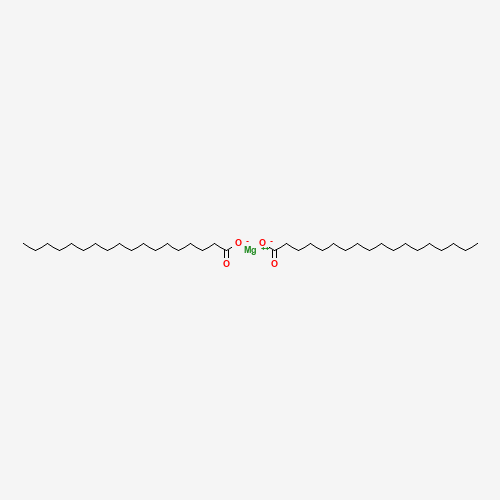
Magnesium stearate is best known as a tablet lubricant but is also used in food as an anticaking agent and emulsifier, notably in confectionery and powdered products.
Where it is and isn’t permitted
| Jurisdiction | Status | Scope and limits | Citation |
|---|---|---|---|
| Australia and New Zealand | No listed food uses foundThis site has not matched this substance to any food use on this jurisdiction’s list of authorised food additives. A food additive may be used only in foods that list names. Flavourings, enzymes, processing aids and added nutrients are regulated separately and do not appear on it. | ||
| Canada | Permitted, with conditions | no numerical limit (good manufacturing practice) 6 permitted uses Show every permitted use
| Health Canadaand 5 further provisionsretrieved 2026-10-17 |
| European Union | No listed food uses foundThis site has not matched this substance to any food use on this jurisdiction’s list of authorised food additives. A food additive may be used only in foods that list names. Flavourings, enzymes, processing aids and added nutrients are regulated separately and do not appear on it. | ||
| Great Britain | No listed food uses foundThis site has not matched this substance to any food use on this jurisdiction’s list of authorised food additives. A food additive may be used only in foods that list names. Flavourings, enzymes, processing aids and added nutrients are regulated separately and do not appear on it. | ||
| Japan | Permitted, with conditions | Designated additive: Appended Table 1, item 238, ステアリン酸マグネシウム (“Magnesium Stearate” in the unofficial English translation). …Designated additive: Appended Table 1, item 238, ステアリン酸マグネシウム (“Magnesium Stearate” in the unofficial English translation). Standards for use — Specifications and Standards for Foods, Food Additives, etc. (MHW Notification No. 370 of 1959), Part II (Food Additives), F (Standards for use), entry ステアリン酸マグネシウム: (1) [may be used only in the foods stated] “ステアリン酸マグネシウムは、カプセル・錠剤等通常の食品形態でない食品及び錠菓以外の食品に使用してはならない。” The Japanese is the standard as published. There is no official English translation of the Notification; the English in square brackets is this site’s description of what each sentence does, not a translation of the foods or the levels. Compositional specifications for this additive, in the same Notification, are not imported and are not shown here; nor are the general rules in F 添加物一般, which apply to every additive. | Regulations for Enforcement of the Food Sanitation Act (MHW Ordinance No. 23 of 1948), Appended Table 1retrieved 2026-10-18 |
| South Korea | Permitted, with conditions | Designated food additive: Standards and Specifications for Food Additives, Part III, 1. …Designated food additive: Standards and Specifications for Food Additives, Part III, 1. 일반식품첨가물 (general food additives), 스테아린산마그네슘 (“Magnesium Stearate”, the English the Code prints beside it); the Code marks it as also usable as a nutrient fortifier; 3. 영양강화제 (nutrient fortifiers), 스테아린산마그네슘; nutrient: 마그네슘 (Mg); the Code marks it as also usable as a general food additive. Main use (주용도) of 스테아린산마그네슘: 유화제, 고결방지제, 증점제. Standard for use (사용기준) of 스테아린산마그네슘: (1) [to be used under the general standard for use in II. 2. 1), the minimum amount that achieves the technical effect, with no limit set for this additive in particular] “II. 2. 1)의 규정에 따라 사용하여야 한다.” The Korean is the standard as published. There is no official English translation of the current Code (the English version on MFDS’s website is the 2020 edition and has no legal effect); the English in square brackets is this site’s description of what each sentence does, not a translation of the foods or the levels. Compositional specifications (Part IV) are not imported, nor are the general standards in Part II, which apply to every additive. | Standards and Specifications for Food Additives (식품첨가물의 기준 및 규격), MFDS Notification, Part III (Standards for use, by item)retrieved 2026-10-18 |
| United States | Permitted | 21 CFR 184.1440retrieved 2026-10-17 | |
| Codex Alimentarius | Permitted, with conditions | 1 food category no numerical limit (good manufacturing practice) Note 534 For herbs use is limited to herbs that have been ground or processed into powder only, as an anticaking agent. Note XS326 Excluding products conforming to the Standard for Black, White and Green Peppers (CODEX STAN 326-2017). Note XS351 Excluding products conforming to the Standard for Dried Floral Parts - Saffron (CXS 351-2022). | CXS 192-1995 Table Three, INS 470(iii)and 1 further provisionretrieved 2026-09-07 |
How much is permitted
A listing usually limits the quantity as well as the food. Only one of the forms that takes is a figure: quantum satis and good manufacturing practice permit the amount the technological effect requires and no more, which is a limit rather than the absence of one. Figures below are the range across every food category this page is listed in, and categories differ between regulators — see how much is permitted.
| Canada | — | 3 GMP, 3 no quantity stated |
|---|---|---|
| Japan | — | 1 no quantity stated |
| South Korea | — | 1 no quantity stated |
| United States | — | 1 no quantity stated |
| Codex Alimentarius | — | 2 GMP |
No regulator sets a figure for Magnesium stearate. That is not an absence of control: where the listing says quantum satis or good manufacturing practice, the quantity is limited to what the effect requires.
What it is made from
Made by reacting stearic acid with a magnesium salt. The stearic acid may be of plant or animal origin and is not usually declared.
- Vegan status depends on the source
- Vegetarian status depends on the source
- May raise a halal question
- May raise a kosher question
This is not an omission. What this additive is made from is not fixed — depending on the manufacturer it may be plant, animal or microbial in origin, nobody is required to say which, and the same product can change source between production runs. Ask the manufacturer if it matters to you; a label cannot answer it.
Compare other additives on the dietary indexes.
- CAS registry number
- 557-04-0
- InChIKey
- HQKMJHAJHXVSDF-UHFFFAOYSA-L
- PubChem
- CID 11177
How JECFA defines it
The international specification for identity and purity, prepared by the Joint FAO/WHO Expert Committee on Food Additives and published by FAO. It is a different document from any above, written by a different body and revised on its own cycle; it is advisory, and a country adopts it or does not.
INS 470(iii) Magnesium Stearate
Magnesium stearate is a mixture of magnesium salts of fatty acids obtained from edible fats and oils. The product consists mainly of magnesium stearate and palmitate in varying proportions. It is manufactured by one of the two following processes: a) direct process wherein fatty acids are directly reacted with a magnesium source, such as magnesium oxide to form magnesium salts of the fatty acids; b) indirect process where a sodium soap is produced by the reaction of fatty acids with sodium hydroxide in water and the product is precipitated by adding magnesium salts to the soap.
Synonyms: Magnesium distearate, dibasic magnesium stearate, INS No. 470(iii) Dibasic magnesium stearate; Magnesium distearate
Assay, identification and purity criteria
Description and assay
- Specification history
- New specifications prepared at the 80th JECFA, published in FAO JECFA Monographs 17 (2015). An ADI “not specified’’ was established at the 80 th JECFA (2015).
- Chemical names
- Magnesium stearate, magnesium octadecanoate, fatty acids C16-C18 magnesium salts
- C.A.S number
- 557-04-0 (magnesium stearate), 91031-63-9 (fatty acids C16-18 magnesium salts)
- Chemical formula
- Mg(C18H35O2)2 (magnesium distearate)
- Formula weight
- 591.27 (magnesium distearate)
- Assay
- Magnesium: Not less than 4.0% and not more than 5.0%, on dried basis Fatty acids: Not less than 40.0% stearic acid in the fatty acid fraction; and not less than 90.0% as the sum of stearic acid and palmitic acid in the fatty acid fraction.
- DESCRIPTION
- Off-white to white, very fine powder; greasy to the touch
- FUNCTIONAL USES
- Anticaking agent, emulsifier, binder
Identification
- Solubility (Vol. 4)
- Practically insoluble in water
- Magnesium
- Using the Method of Assay, identify presence of magnesium in the sample
- Fatty acid composition
- Using the Method of Assay, identify the individual fatty acids
Purity criteria
- Loss on drying (Vol. 4)
- Not more than 6% (105°, constant weight, use 1 g of sample)
- Acidity or alkalinity
- Passes test See description under TESTS
- Unsaponifiable matter
- Not more than 2% See description under TESTS
- Cadmium (Vol. 4)
- Not more than 1 mg/kg Determine using an AAS (electrothermal atomization) appropriate to the specified level. The selection of sample size and method of sample preparation may be based on the principles of the method described in Volume 4 (under “General Methods, Metallic Impurities”).
- Lead (Vol. 4)
- Not more than 2 mg/kg Determine using an AAS (electrothermal atomization) appropriate to the specified level. The selection of sample size and method of sample preparation may be based on the principles of the method described in Volume 4 (under “General Methods, Metallic Impurities”).
- Nickel (Vol. 4)
- Not more than 3 mg/kg Determine using an ICP-AES technique appropriate to the specified level. The selection of sample size and method of sample preparation may be based on the principles of the method described in Volume 4 (under “General Methods, Metallic Impurities”). Use analytical line (emission wavelength): 231.60 nm, curve type: linear, and calibration range: 0.10 – 10.0 μg/ml
- Test: Acidity or alkalinity
- To 1.0 g sample add 20 ml of freshly prepared deionized water (carbon dioxide free) and boil for 1 min with continuous shaking. Cool and filter. To 10 ml of the filtrate add 0.05 ml of bromothymol blue solution (prepared by dissolving 100 mg of bromothymol blue in a mixture of equal volumes of ethanol (96%) and water and dilute to 100 ml with the same mixture, filter if necessary). Not more than 0.05 ml of 0.1 M hydrochloric acid or 0.1 M sodium hydroxide is required to change the colour of the indicator.
- Test: Unsaponifiable matter
- Weigh about 5 g, nearest to 0.01 g, well-mixed sample into a 250 ml round-bottom flask. Add approximately 50 ml of 0.5N potassium hydroxide solution and some pumice, attach a reflux condenser, and boil gently for 1 h. Stop heating. Add 100 ml of distilled water through the top of the condenser and swirl. After cooling, transfer the solution to a separatory funnel. Rinse the flask and the pumice several times with diethyl ether (100 ml in all) and pour this solvent into the separatory funnel. Stopper and shake vigorously for 1 min, periodically releasing pressure by inverting the separating funnel and opening the stopcock. Allow to stand until there is complete separation of the two phases. Then draw off the soap solution as completely as possible into a second separating funnel. Extract the solution twice more, each time in the same way with 100 ml of diethyl ether. Combine the three ether extracts in one separating funnel containing 40 ml of water. Gently rotate the separating funnel containing the combined extracts and the 40 ml water. Violent agitation at this stage may result in troublesome emulsions. Allow the layers to separate completely and draw off the lower aqueous layer. Wash the ether layer twice more with 40 ml portions of water, shaking vigorously each time and discarding the lower aqueous layers after separation. Draw off each washing solution up to 2 ml, then rotate the separating funnel around its axis, wait some min to give the last remainders the opportunity for collection and draw off the collected remainders, close stopcock when ether starts to pass the bore of the stopcock. Wash the ether layer successively with 40 ml of 0.5 N potassium hydroxide solution, 40 ml of water, and again with 40 ml of potassium hydroxide solution, then at least twice more with 40 ml of water. Continue to wash with water until the wash-water no longer gives a pink colour on the addition of a drop of phenolphthalein solution. Transfer the ether layer quantitatively a little at a time through the top of the separating funnel into a flask previously dried and weighed to the nearest 0.0001 g. Evaporate the solvent by distillation on a boiling-water bath. Add 5 ml of acetone and remove the volatile solvent completely in a gentle current of air, holding the flask obliquely while turning it in a boiling-water bath. Dry the residue at 103±2° for 30 min, placing the flask in an almost horizontal position. Cool in a desiccator and weigh to the nearest 0.0001 g (m1. Repeat the drying for successive 15 min periods until the loss of weight between two successive weighings is less than 0.002 g. After weighing the residue dissolve it in 4 ml of diethyl ether and then add 20 ml of ethanol previously neutralized to a faint pink colour, using phenolphthalein TS as indicator. Titrate with standard 0.1N ethanolic potassium hydroxide solution (prepared by dissolving 6 g of potassium hydroxide in about 5 ml of water and making up to 1 liter with ethanol) to the same final colour. Correct the weight of the residue for the free acidity content of the blank. Calculate the per cent unsaponifiable matter using the formula: 100 ൈ ሺ݉ 1 ݉ሻ ܸൈ ܶൈ where m is the mass, in g, of the test portion m1 is the mass, in g, of the residue V is the number of ml of the standardized potassium hydroxide solution used T is the exact normality of the potassium hydroxide solution used
- Test: Magnesium (Vol. 4)
- Determine using an ICP-AES technique appropriate to the specified level. The selection of sample size and method of sample preparation may be based on the principles of the method described in Volume 4 (under “General Methods, Metallic Impurities”).
- Test: Fatty Acid Composition
- Principle: Fatty acids in the sample are esterified using boron trifluoride and alkaline methanol and the fatty acid methyl esters are determined by gas chromatography. Relative percentage of fatty acids in the fatty acid portion of sample are determined by normalization technique. Sample solution In a conical flask fitted with a reflux condenser, dissolve 0.10 g of the sample in 5 ml of boron trifluoride-methanol solution (prepared by dissolving 140 g of boron trifluoride in anhydrous methanol). Boil under a reflux for 10 min. Add 4 ml of heptane through the condenser and boil again under reflux for 10 min. Allow it to cool. Add 20 ml of saturated sodium chloride solution, shake and allow the layers to separate. Dry the organic layer over 0.1 g of anhydrous sodium sulfate (previously washed with heptane). Reference solution Prepare the reference solution in the same manner as the test solution using 50.0 mg of palmitic acid (96% pure) and 50.0 mg of stearic acid (96% pure). Gas chromatography (Vol. 4) GC column: Polyethylene glycol 20000, 30 m x 0.32 mm id x 0.5 μm film thickness (Macrogol 20000 R or equiv.) Carrier gas: Helium (> 99.995 % pure); flow rate: 1 ml/min. Column temperature: 180 o isothermal conditions. Injector: 250 o Detector: Flame Ionization, 250 o System suitability Resolution between the peaks of methyl palmitate and methyl stearate in the reference solution shall be >5.0 Relative standard deviation, determined on areas of 6 injections using reference solution, shall be <3.0% for methyl palmitate and <1.0% for methyl stearate. Procedure Condition the gas chromatograph using above conditions; inject 1μl of reference solution and record retention times for the constituent fatty acid methylesters. Using area normalization technique determine the relative percentages of palmitic and stearic acid esters in the reference solution. Inject 1 μl of test solution and determine the relative percentages of fatty acids in the sample solution.
Every name it appears under
26 recorded names. A label may use any of them.
INS number
- 470(iii)
CAS registry number
- 557-04-0
As it appears in regulation
- Magnesium stearate
Other names
- C36H70MgO4
- DAYCLING
- Dibasic magnesium stearate
- HSDB 713
- Magnesii stearas
- magnesium dioctadecanoate
- Magnesium distearate
- Magnesium distearate, pure
- Magnesium octadecanoate
- MAGNESIUM STEARATE
- Magnesium stearate (JP17/NF)
- Magnesium stearate g
- Magnesium stearate, tech
- magnesium(ii) stearate
- NS-M (salt)
- Octadecanoic acid, magnesium salt
- Octadecanoic acid, magnesium salt (2:1)
- Petrac MG 20NF
- stearatedemagnesium
- Stearic Acid Magnesium(II) Salt
- Stearic acid, magnesium salt
- Synpro 90
- Synpro Magnesium Stearate 90
Hazard reference values
No reference value for this substance in the sources we hold.
Evidence and how bodies read it
What assessing bodies concluded
Each conclusion is paraphrased in the body's own framing, from the published opinion linked beneath it. Where bodies differ, both stand; this site does not adjudicate between them or add a view of its own.
EFSA 2018
The ANS Panel concluded that no numerical ADI is needed for sodium, potassium, calcium and magnesium salts of fatty acids (E 470a, E 470b) and that they are of no safety concern at the reported uses and use levels, noting the lack of subchronic, chronic and reproductive toxicity data specific to the salts.
Common questions
Assembled from what is above, in the words the questions are usually asked in. Each answer is the same statement the relevant section makes, with the same citations behind it.
- What is INS 470(iii)?
- INS 470(iii) is Magnesium stearate. Magnesium stearate is best known as a tablet lubricant but is also used in food as an anticaking agent and emulsifier, notably in confectionery and powdered products.
- What is Magnesium stearate used for in food?
- It is listed as an anticaking agent — the role Canada, Codex and the US assign it. This page shows every function each regulator records, with the citation for each.
- Is Magnesium stearate banned in Europe?
- No. Magnesium stearate does not appear on the EU's list of authorised food additives, which is not the same as being banned: the EU permits an additive only where it has authorised it, and usually the reason for an absence is that no one applied. The EU has made no finding against this substance. It does mean it may not be used as a food additive in the EU today.
- Where is Magnesium stearate permitted?
- Of the seven regulators this site reads, Canada, Japan, South Korea, the US and the Codex standard permit it. Each permission is for named foods at named levels, not a blanket one; the table on this page gives them with citations.
- Is Magnesium stearate vegan?
- It depends on the source, and a label will not tell you. Magnesium stearate can be made from plant or animal material, manufacturers are not obliged to say which, and the same product can change between production runs. Anyone who needs to know has to ask the manufacturer.
Sources for this page
- ca retrieved 2026-10-17
- jp retrieved 2026-10-18
- kr retrieved 2026-10-18
- ecfr retrieved 2026-10-17
- gsfa retrieved 2026-09-07
- jecfaspecs retrieved 2026-09-23
Full licence terms and publisher details on Sources. How this page is built and updated: Method.
Machine-readable: a JSON record of this additive is given on request —how to ask for access.
Follow changes to Magnesium stearate:Atom feed — regulatory events, and any change the weekly refresh detects in its provisions.