Methylene chloride
75-09-2 · 588X2YUY0A · Aerothene MM · Bichloride, Methylene · BRN 1730800 · Caswell No. 568 · CCRIS 392 · Chloride, Methylene · Chlorodorm D · Chlorure de methylene · dichioromethane · dichlor-methane · Dichloride, Methylene · dichlormetane · Dichlormethan · Dichlormethane · dichloro methane · dichloro-methane · dichloromeihane · dichlorometan · dichlorometane · dichloromethan · DICHLOROMETHANE · Dichloromethane (Methylenechloride) · DICHLOROMETHANE, ACS · Dichloromethane, HPLC Grade · DICHLOROMETHANE, NF · dichloromethane; methylene chloride · dichoromethane · dicloromethane · Driverit · EPA Pesticide Chemical Code 042004 · F 30 (chlorocarbon) · Freon 30 · HCC 30 · HSDB 66 · Khladon 30 · Metaclen · Methane dichloride · Methane, dichloro- · Methoklone · Methylenchlorid · methylenchoride · Methylene bichloride · Methylene chloride · Methylene chloride (NF) · Methylene chloride; Dichloromethane; DCM · methylene dichloride · Methylenechloride · Methylenum chloratum · metylenchloride · Metylenu chlorek · Narkotil · Nevolin · R30 (refrigerant) · RCRA waste no. U080 · RCRA waste number U080 · Salesthin · Solaesthin · Soleana VDA · Solmethine · Dichlormethane · Methylene chlorideCAS 75-09-2
Listed as a solvent by Canada and the US.
Listed as solvents and vehicles (CA, US) · colours (US) · flavour enhancers (US)
- Canada: Extraction solvent — Health Canada, List of Permitted Solvents (List 15)
- United States: Solvent or vehicle — FDA, Substances Added to Food: METHYLENE CHLORIDE
- United States: Color or coloring adjunct — FDA, Substances Added to Food: METHYLENE CHLORIDE
- United States: Flavor enhancer — FDA, Substances Added to Food: METHYLENE CHLORIDE
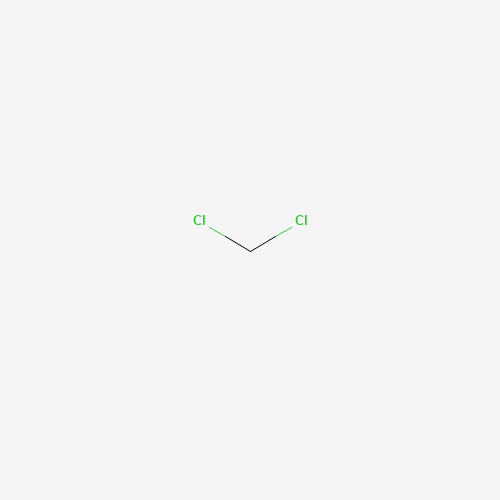
Methylene chloride is an extraction solvent used to decaffeinate coffee and to prepare spice oleoresins and hops extract.
Where it is and isn’t permitted
| Jurisdiction | Status | Scope and limits | Citation |
|---|---|---|---|
| Australia and New Zealand | No listed food uses foundThis site has not matched this substance to any food use on this jurisdiction’s list of authorised food additives. A food additive may be used only in foods that list names. Flavourings, enzymes, processing aids and added nutrients are regulated separately and do not appear on it. | ||
| Canada | Permitted, with conditions | 5 permitted uses Show every permitted use
| Health Canada, List of Permitted Solvents (List 15)and 4 further provisionsretrieved 2026-10-17 |
| European Union | No listed food uses foundThis site has not matched this substance to any food use on this jurisdiction’s list of authorised food additives. A food additive may be used only in foods that list names. Flavourings, enzymes, processing aids and added nutrients are regulated separately and do not appear on it. | ||
| Great Britain | No listed food uses foundThis site has not matched this substance to any food use on this jurisdiction’s list of authorised food additives. A food additive may be used only in foods that list names. Flavourings, enzymes, processing aids and added nutrients are regulated separately and do not appear on it. | ||
| Japan | No listing matchedThis site imports only Japan’s list of designated additives (Appended Table 1 to the Regulations for Enforcement of the Food Sanitation Act), matched by English name. Existing additives, natural flavouring agents and ordinary foods used as additives are permitted outside that list and are not imported, so an empty row does not show that Japan does not permit the substance. | ||
| South Korea | No listing matchedThis site imports Part III of South Korea’s Standards and Specifications for Food Additives, matched by CAS number, then INS number, then exact name. Mixed preparations and sanitisers are not imported, and an entry whose identifiers disagreed with a page’s is held for review, so an empty row does not show that South Korea does not permit the substance. | ||
| United States | Permitted, with conditions | 21 CFR 173.255retrieved 2026-10-17 | |
| Codex Alimentarius | Not listedDoes not appear on this jurisdiction’s permitted list. That is not the same as being prohibited. |
How much is permitted
A listing usually limits the quantity as well as the food. Only one of the forms that takes is a figure: quantum satis and good manufacturing practice permit the amount the technological effect requires and no more, which is a limit rather than the absence of one. Figures below are the range across every food category this page is listed in, and categories differ between regulators — see how much is permitted.
| Canada | — | 5 no quantity stated |
|---|---|---|
| United States | — | 1 no quantity stated |
No regulator sets a figure for Methylene chloride. That is not an absence of control: where the listing says quantum satis or good manufacturing practice, the quantity is limited to what the effect requires.
What it is made from
Produced by chlorinating methane. It is evaporated off after use, and residues in the finished food are limited.
- Vegan
- Vegetarian
Compare other additives on the dietary indexes.
- CAS registry number
- 75-09-2
- InChIKey
- YMWUJEATGCHHMB-UHFFFAOYSA-N
- PubChem
- CID 6344
How JECFA defines it
The international specification for identity and purity, prepared by the Joint FAO/WHO Expert Committee on Food Additives and published by FAO. It is a different document from any above, written by a different body and revised on its own cycle; it is advisory, and a country adopts it or does not.
Dichloromethane
Dichloromethane (DCM) is derived from the chlorination of methane during which other chlorinated methane derivatives may be formed. Propylene oxide, cyclohexane, and/or 2-methyl-2-butene are added as stabilizers. Purity depends on the amount of C 2 and higher hydrocarbons in the methane and the extent of chlorination. Small amounts of several other chlorinated compounds may be present. Dichloromethane is commonly recovered from extraction processes and several grades are commonly found in commerce. Dichloromethane is stable when dry but hydrolyzes in the presence of water.
Synonyms: Methylene chloride, methylene dichloride Methylene chloride; Methylene dichloride
Assay, identification and purity criteria
Description and assay
- Specification history
- Prepared at the 51st JECFA (1998), published in FNP 52 Add 6 (1998) superseding specifications prepared at the 39th JECFA (1992), published in FNP 52 Add 1 (1992). ADI "should be limited to current uses", established at the 39th JECFA in 1992.
- Chemical names
- Dichloromethane
- C.A.S. number
- 75-09-2
- Chemical formula
- CH 2 Cl 2
- Formula weight
- 84.93
- Assay
- Not less than 99.0%
- DESCRIPTION
- Clear colourless non-flammable liquid
- FUNCTIONAL USES
- Extraction solvent
- METHOD OF ASSAY
- Principle Test material is injected into a suitable gas chromatograph equipped with two capillary gas chromatographic columns connected in series and a flame ionization detector. Quantification of contaminants and added stabilizers is made by comparing peak areas against external standards. Apparatus A gas chromatograph equipped with a flame ionization detector and capable of split and splitless capillary column injection. Peak areas of unknowns are compared to external standard solutions by electronic integration. A 25 m by 0.53 mm i.d. fused silica capillary column coated with a 2.0 μm film of 5% phenyl/95% methylsilicone liquid phase (or equivalent) and a 30 m by 0.32 mm i.d. fused silica capillary column coated with 1.8 μm film of (6% cyanopropyl-phenyl)-methylpolysiloxane liquid phase or equivalent are connected in series with the 0.32 mm i.d. column placed ahead of the 0.53 mm i.d. column. Instrumental conditions: Temperatures: Injector: 150 o Detector: 250 o Oven: 40 o isothermal Carrier gas: He 4.4 ml/min Split flow: 98 ml/min Standard A standard solution containing appropriate concentrations of methyl chloride, chloroform, methylene chloride, vinyl chloride, ethyl chloride, vinylidene chloride, 2-methyl-2-butene, trans-1,2-dichloroethylene, cyclohexane, and propylene oxide is prepared in high purity DCM by adding each reagent to DCM in a glass bottle fitted with a silicone rubber septum. Sufficient amounts of each standard analyte are added to the make the approximate concentrations as given below: Methyl chloride: 0.014% (w/w) Vinyl chloride: 0.007 Ethyl chloride: 0.0084 Propylene oxide: 2.4 Vinylidene chloride: 0.0098 trans-1,2-Dichloroethylene: 0.017 Chloroform: 0.012 Cyclohexane: 0.047 2-Metyl-2-butene: 0.009 Addition of the analytes to the high purity DCM is made by accurately weighing an appropriate syringe containing the analyte, injecting the analyte into the standard DCM through the septum and re-weighing the syringe to determine the amount of analyte added. The DCM used to make standards must be assayed without added analytes to determine the possible presence of the analytes. Procedure The standard solution prepared above is diluted to a series of standards in the range of approximately 10 to 300 ppm (mg/kg) except for propylene oxide which is made in the range of 0.06 to 2.4 (w/w%). Standards and unknowns are injected into the gas chromatograph in the range of 1 to 5 μl (using split injection mode) and the peak areas determined by electronic integration. A standard curve is constructed from these dilutions by plotting peak area against concentration for each analyte. The concentration of additives and by-products are determined by comparison to the standard curve. The sum of the concentrations of the impurities and stabilizers must be less than 1.0%. The order of elution and approximate retention times (min) are: Methyl chloride: 2.8 Vinyl chloride: 3.0 Ethyl chloride: 3.5 Propylene oxide: 4.1 2-Methyl-2-butene: 4.5 Vinylene chloride: 4.6 Dichloromethane: 5.3 trans- 1,2-Dichloroethylene: 5.9 Chloroform: 8.7 Cyclohexane: 10.5 Carbon tetrachloride: 12.0
Identification
- Solubility (Vol. 4)
- Sparingly soluble in water; miscible with ethanol and ether
- Refractive index (Vol. 4)
- n 20 : 1.423 - 1.425 D
- Specific gravity (Vol. 4)
- d 25 : 1.323 - 1.327
Purity criteria
- Water (Vol. 4)
- Not more than 0.02% (Karl Fischer Method)
- Distillation range (Vol. 4)
- 39 - 41 o
- Non-volatile residue (Vol. 4)
- Not more than 2 mg/100 ml
- Free chlorine
- Shake 10 ml of the sample vigorously for 2 min with 10 ml of 10% potassium iodide solution and 1 ml of starch TS. A blue colour does not appear in the water layer.
- Acidity
- Not more than 0.002% w/w (as HCl) Place 100 ml of freshly boiled and cooled distilled water (neutralized to phenolphthalein TS) in a 500-ml glass-stoppered conical flask. Add 100 ml of the sample and shake vigorously. Allow the layers to separate, transfer the aqueous phase into an Erlenmeyer flask, add 0.5 ml of phenolphthalein TS and titrate with 0.1 N sodium hydroxide to a red endpoint using a microburette. Calculate any acidity thus found as hydrochloric acid, HCl, per cent by weight of sample. 1 ml 0.1 N NaOH = 0.00365 g HCl
- Alkalinity
- Not more than 0.01% w/w (as NaOH) Place 100 ml of freshly boiled and cooled distilled water (neutralized to phenolphthalein TS) in a 500-ml glass-stoppered conical flask. Add 100 ml of the sample and shake vigorously. Allow the layers to separate, transfer the aqueous phase into an Erlenmeyer flask, add 0.5 ml of phenolphthalein TS and titrate with 0.1 N hydrochloric acid using a microburette. Calculate any alkalinity thus found as sodium hydroxide, NaOH, per cent by weight of sample. 1 ml 0.1 N HCl = 0.0040 g NaOH.
- Lead (Volume 4)
- Not more than 1 mg/kg Determine using an atomic absorption technique appropriate to the specified level. The selection of sample size and method of sample preparation may be based on the principles of the method described in Volume 4, “Instrumental Methods.”
- Test: Lead
- Principle The sample is treated with bromine, heated on a steam bath to decompose the alkyl lead and alkyl lead salts, and then extracted with dilute nitric acid. The pH of the aqueous extract is adjusted by means of a buffer and the lead is extracted with a chloroform solution of dithizone. The absorbance of the chloroform extract is measured and the lead content is determined from a previously prepared calibration curve. Apparatus - The glassware should be borosilicate and confirmed to be lead-free. - Spectrophotometer, fitted with covered absorption cells having a 1-cm light path. - Shaking machine (optional), capable of approximately 250 rpm. - Separatory funnels, Squibb-type, 125-ml volume. Reagents - Purity of reagents: Reagent grade chemicals shall be used in all tests. - Purity of water: Unless otherwise indicated, references to water shall be understood to mean distilled water or other water of equivalent purity. - Bromine Solution: Dilute 300 ml of bromine to 1000 ml with chloroform. Filter through a sintered-glass filter before using. (Do in fume hood). -Buffer solution: Dissolve 20 g of potassium cyanide (KCN) (Caution), 6 g of ammonium citrate, and 6 g of sodium sulfite (Na 2 SO 3 ), separately in water. Mix the solutions, add 150 ml of concentrated ammonium hydroxide (NH 4 OH, sp gr 0.90), and dilute to 1,000 with water. This solution is stable for 3 months (in refrigerator). - Dithizone solution: Dissolve 30 mg of dithizone in 1000 ml of chloroform. This solution is stable for only 4 weeks. - Lead standard solution: Dissolve l.5985 g of lead nitrate (Pb(NO 3 ) 2 ) in 250 ml of water contained in a liter volumetric flask. Add 8 ml of concentrated HNO 3 (sp gr l.42), dilute to volume with water, and mix thoroughly. For calibration purposes, pipet 5.0 ml of this solution into a 1-liter volumetric flask, add 8 ml of concentrated HNO 3 (sp gr 1.42), and dilute to volume with water (1 ml = 0.005 mg Pb). - Nitric acid (sp gr 1.42): Concentrated nitric acid (HNO 3 ). - Nitric acid (8:992): Mix 8 ml of concentrated HNO 3 (sp gr 1.42) with 992 ml of water. Calibration Prepare a calibration curve using the lead solution (1 ml = 0.005 mg Pb) as follows: Pipet 0.0, 2.0, 5.0, 10.0, and 15.0 ml of the solution respectively into each of five separatory funnels and dilute each solution to 50 ml with HNO 3 (8:992). Treat these solutions as described in paragraphs 3 and 4, under Procedure, using the one not containing lead as the reagent blank. Construct a calibration curve by plotting the absorbance of the solutions against the mg of lead per 25 ml of dithizone solution. Procedure Pipet 50 g of the sample into a 250 ml-beaker. Add bromine solution until the bromine colour persists for at least 2 min, then allow the beaker to stand for an additional 5 min. At the same time prepare a reagent blank by adding the same amount of bromine solution to 25.0 ml of HNO 3 (8:992) in a 250 ml-beaker. Place the beakers on a steam bath and heat until the bromine colour disappears. Place the beakers on a hot plate and bring the solutions to a vigorous boil. Cool to room temperature and transfer each solution quantitatively into separatory funnels using 25.0 ml of HNO 3 (8:992). Shake the test sample for 2 min. Drain the aqueous extract of the test sample into another separatory funnel. Repeat the extraction of the tests sample using 25.0 ml of HNO 3 (8:992). Drain the aqueous layer into the separatory funnel containing the initial extract. Transfer the reagent blank solution quantitatively to a 50 ml volumetric flask using 25.0 ml of HNO 3 (8:992). Dilute to the mark with water and drain the contents of the flask into a separatory funnel. Add 120 ml of the buffer solution to both separatory funnels to adjust the pH to a point between 9.5 and 11.0. Pipet 25 ml of dithizone solution and shake for 2 min. Drain and discard a small portion of the chloroform layer from the funnel to remove any water or lead that may have accumulated in the stem. Transfer a portion of each chloroform layer into separate absorption cells. Adjust the spectrophotometer to read zero absorbance for the reagent blank and then measure the absorbance of the sample with respect to the blank at a wavelength of 510 nm. Convert the absorbance measurement to concentration of lead in milligrams of lead per 25 ml of dithizone solution by means of the previously prepared calibration curve. Calculate the lead content in milligrams per kilogram as follows: where A is the lead concentration, in mg per 25 ml of dithizone solution corresponding to the measured absorbance.
Every name it appears under
63 recorded names. A label may use any of them.
CAS registry number
- 75-09-2
As it appears in regulation
- Methylene chloride
Other names
- 588X2YUY0A
- Aerothene MM
- Bichloride, Methylene
- BRN 1730800
- Caswell No. 568
- CCRIS 392
- Chloride, Methylene
- Chlorodorm D
- Chlorure de methylene
- dichioromethane
- dichlor-methane
- Dichloride, Methylene
- dichlormetane
- Dichlormethan
- Dichlormethane
- dichloro methane
- dichloro-methane
- dichloromeihane
- dichlorometan
- dichlorometane
- dichloromethan
- DICHLOROMETHANE
- Dichloromethane (Methylenechloride)
- DICHLOROMETHANE, ACS
- Dichloromethane, HPLC Grade
- DICHLOROMETHANE, NF
- dichloromethane; methylene chloride
- dichoromethane
- dicloromethane
- Driverit
- EPA Pesticide Chemical Code 042004
- F 30 (chlorocarbon)
- Freon 30
- HCC 30
- HSDB 66
- Khladon 30
- Metaclen
- Methane dichloride
- Methane, dichloro-
- Methoklone
- Methylenchlorid
- methylenchoride
- Methylene bichloride
- Methylene chloride
- Methylene chloride (NF)
- Methylene chloride; Dichloromethane; DCM
- methylene dichloride
- Methylenechloride
- Methylenum chloratum
- metylenchloride
- Metylenu chlorek
- Narkotil
- Nevolin
- R30 (refrigerant)
- RCRA waste no. U080
- RCRA waste number U080
- Salesthin
- Solaesthin
- Soleana VDA
- Solmethine
Systematic names
- Dichlormethane
Hazard reference values
No reference value for this substance in the sources we hold.
Evidence and how bodies read it
Studies, and the differing conclusions regulators drew from them, are curated rather than machine-read, and none has been written for this substance yet.
Common questions
Assembled from what is above, in the words the questions are usually asked in. Each answer is the same statement the relevant section makes, with the same citations behind it.
- What is Methylene chloride?
- Methylene chloride is an extraction solvent used to decaffeinate coffee and to prepare spice oleoresins and hops extract.
- What is Methylene chloride used for in food?
- It is listed as a solvent — the role Canada and the US assign it. This page shows every function each regulator records, with the citation for each.
- Is Methylene chloride banned in Europe?
- No. Methylene chloride does not appear on the EU's list of authorised food additives, which is not the same as being banned: the EU permits an additive only where it has authorised it, and usually the reason for an absence is that no one applied. The EU has made no finding against this substance. It does mean it may not be used as a food additive in the EU today.
- Where is Methylene chloride permitted?
- Of the seven regulators this site reads, Canada and the US permit it. Each permission is for named foods at named levels, not a blanket one; the table on this page gives them with citations.
- Is Methylene chloride vegan?
- Yes. Methylene chloride is not derived from animals, and is suitable for vegetarians. This page says what it is made from and how.
Sources for this page
- ca retrieved 2026-10-17
- ecfr retrieved 2026-10-17
- jecfaspecs retrieved 2026-09-23
Full licence terms and publisher details on Sources. How this page is built and updated: Method.
Machine-readable: a JSON record of this additive is given on request —how to ask for access.
Follow changes to Methylene chloride:Atom feed — regulatory events, and any change the weekly refresh detects in its provisions.