Calcium glycerophosphate
27214-00-2 · 58409-70-4 · 1,2,3-Propanetriol, 2-(dihydrogen phosphate), calcium salt (1:1) · 1,2,3-Propanetriol, mono(dihydrogen phosphate) calcium salt · 1,2,3-Propanetriol, mono(dihydrogen phosphate), calcium salt (1:1) · 1,3-Dihydroxypropan-2-yl dihydrogen phosphate calcium salt · beta-glycerophosphoric acid calcium salt · calcium 1,3-dihydroxypropan-2-yl phosphate · Calcium 1,3-hydroxypropyl phosphate · calcium 2-(phosphonooxy)propane-1,3-diol · Calcium 2-glycerophosphate · Calcium beta-glycerophosphate · Calcium glycerino-phosphoricum · Calcium Glycerophosphate · Calcium glycerophosphate (JAN) · Calcium glycerophosphoricum · CALCIUM GLYCERYLPHOSPHATE · calcium;[2-hydroxy-1-(hydroxymethyl)ethyl] phosphate · CCRIS 1335 · dihydrogen 2-hydroxy-1-(hydroxymethyl)ethyl phosphate, calcium salt · GLYCERO-2-PHOSPHATE, CALCIUM SALT · Glycerol, mono(dihydrogen phosphate), calcium salt (1:1) · Glycerophosphate, Calcium · NEROZIN · NEUROSIN · PRELIEF · UHHRFSOMMCWGSO-UHFFFAOYSA-L · XWV9Z12C1C · Calcium glycerophosphateCAS 27214-00-2
Listed as a thickener and a stabiliser by Canada and the US.
Listed as thickeners (CA, US) · stabilisers (CA, US) · emulsifiers (CA) · nutrient supplements (US)
- Canada: Emulsifying, stabilizing or thickening agent — Health Canada, List of Permitted Emulsifying, Gelling, Stabilizing or Thickening Agents (List 4)
- United States: Stabilizer or thickener — FDA, Substances Added to Food: CALCIUM GLYCEROPHOSPHATE
- Canada: Emulsifying, stabilizing or thickening agent — Health Canada, List of Permitted Emulsifying, Gelling, Stabilizing or Thickening Agents (List 4)
- United States: Stabilizer or thickener — FDA, Substances Added to Food: CALCIUM GLYCEROPHOSPHATE
- Canada: Emulsifying, stabilizing or thickening agent — Health Canada, List of Permitted Emulsifying, Gelling, Stabilizing or Thickening Agents (List 4)
- United States: Nutrient supplement — FDA, Substances Added to Food: CALCIUM GLYCEROPHOSPHATE
- United States: Nutrient supplements — 21 CFR 184.1201, citing 21 CFR 170.3(o)(20)
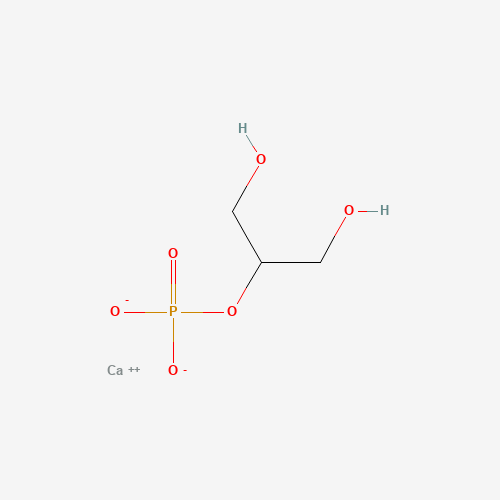
Calcium glycerophosphate is a calcium and phosphorus source used in fortified foods, and a buffer.
Where it is and isn’t permitted
| Jurisdiction | Status | Scope and limits | Citation |
|---|---|---|---|
| Australia and New Zealand | No listed food uses foundThis site has not matched this substance to any food use on this jurisdiction’s list of authorised food additives. A food additive may be used only in foods that list names. Flavourings, enzymes, processing aids and added nutrients are regulated separately and do not appear on it. | ||
| Canada | Permitted | no numerical limit (good manufacturing practice) In: Unstandardized dessert mixes. Purpose: Emulsifying, stabilizing or thickening agent. Limit: Good Manufacturing Practice. | Health Canada, List of Permitted Emulsifying, Gelling, Stabilizing or Thickening Agents (List 4), item C.7retrieved 2026-10-17 |
| European Union | No listed food uses foundThis site has not matched this substance to any food use on this jurisdiction’s list of authorised food additives. A food additive may be used only in foods that list names. Flavourings, enzymes, processing aids and added nutrients are regulated separately and do not appear on it. | ||
| Great Britain | No listed food uses foundThis site has not matched this substance to any food use on this jurisdiction’s list of authorised food additives. A food additive may be used only in foods that list names. Flavourings, enzymes, processing aids and added nutrients are regulated separately and do not appear on it. | ||
| Japan | Permitted, with conditions | Designated additive: Appended Table 1, item 125, グリセロリン酸カルシウム (“Calcium Glycerophosphate” in the unofficial English translation). …Designated additive: Appended Table 1, item 125, グリセロリン酸カルシウム (“Calcium Glycerophosphate” in the unofficial English translation). Standards for use — Specifications and Standards for Foods, Food Additives, etc. (MHW Notification No. 370 of 1959), Part II (Food Additives), F (Standards for use), entry グリセロリン酸カルシウム: (1) [may be used only in the circumstances stated] “グリセロリン酸カルシウムは、栄養の目的で使用する場合以外は食品に使用してはならない。” (2) [sets maximum levels of use for the foods stated; states an exception to the preceding sentence] “グリセロリン酸カルシウムの使用量は、カルシウムとして、食品の1.0%以下でなければならない。ただし、特別用途表示の許可又は承認を受けた場合は、この限りでない。” The Japanese is the standard as published. There is no official English translation of the Notification; the English in square brackets is this site’s description of what each sentence does, not a translation of the foods or the levels. Compositional specifications for this additive, in the same Notification, are not imported and are not shown here; nor are the general rules in F 添加物一般, which apply to every additive. | Regulations for Enforcement of the Food Sanitation Act (MHW Ordinance No. 23 of 1948), Appended Table 1retrieved 2026-10-18 |
| South Korea | Permitted, with conditions | Designated food additive: Standards and Specifications for Food Additives, Part III, 3. …Designated food additive: Standards and Specifications for Food Additives, Part III, 3. 영양강화제 (nutrient fortifiers), 글리세로인산칼슘; nutrient: 인(P); 3. 영양강화제 (nutrient fortifiers), 글리세로인산칼슘; nutrient: 칼슘(Ca). Standard for use (사용기준) of 글리세로인산칼슘: (1) [sets a limit on the amount used] “글리세로인산칼슘의 사용량은 칼슘으로서 식품의 1% 이하이어야 한다(다만, 특수영양식품, 특수의료용도식품 및 건강기능식품의 경우는 해당 기준 및 규격에 따른다).” The Korean is the standard as published. There is no official English translation of the current Code (the English version on MFDS’s website is the 2020 edition and has no legal effect); the English in square brackets is this site’s description of what each sentence does, not a translation of the foods or the levels. Compositional specifications (Part IV) are not imported, nor are the general standards in Part II, which apply to every additive. | Standards and Specifications for Food Additives (식품첨가물의 기준 및 규격), MFDS Notification, Part III (Standards for use, by item)retrieved 2026-10-18 |
| United States | Permitted | 21 CFR 184.1201retrieved 2026-10-17 | |
| Codex Alimentarius | Not listedDoes not appear on this jurisdiction’s permitted list. That is not the same as being prohibited. |
How much is permitted
A listing usually limits the quantity as well as the food. Only one of the forms that takes is a figure: quantum satis and good manufacturing practice permit the amount the technological effect requires and no more, which is a limit rather than the absence of one. Figures below are the range across every food category this page is listed in, and categories differ between regulators — see how much is permitted.
| Canada | — | 1 GMP |
|---|---|---|
| Japan | — | 1 no quantity stated |
| South Korea | — | 1 no quantity stated |
| United States | — | 1 no quantity stated |
No regulator sets a figure for Calcium glycerophosphate. That is not an absence of control: where the listing says quantum satis or good manufacturing practice, the quantity is limited to what the effect requires.
What it is made from
Made by reacting glycerophosphoric acid with a calcium source. The glycerol may be plant or animal in origin.
- Vegan status depends on the source
- Vegetarian status depends on the source
- May raise a halal question
- May raise a kosher question
This is not an omission. What this additive is made from is not fixed — depending on the manufacturer it may be plant, animal or microbial in origin, nobody is required to say which, and the same product can change source between production runs. Ask the manufacturer if it matters to you; a label cannot answer it.
Compare other additives on the dietary indexes.
- CAS registry number
- 27214-00-2
- InChIKey
- UHHRFSOMMCWGSO-UHFFFAOYSA-L
- PubChem
- CID 62820
Every name it appears under
29 recorded names. A label may use any of them.
CAS registry number
- 27214-00-2
- 58409-70-4
As it appears in regulation
- Calcium glycerophosphate
Other names
- 1,2,3-Propanetriol, 2-(dihydrogen phosphate), calcium salt (1:1)
- 1,2,3-Propanetriol, mono(dihydrogen phosphate) calcium salt
- 1,2,3-Propanetriol, mono(dihydrogen phosphate), calcium salt (1:1)
- 1,3-Dihydroxypropan-2-yl dihydrogen phosphate calcium salt
- beta-glycerophosphoric acid calcium salt
- calcium 1,3-dihydroxypropan-2-yl phosphate
- Calcium 1,3-hydroxypropyl phosphate
- calcium 2-(phosphonooxy)propane-1,3-diol
- Calcium 2-glycerophosphate
- Calcium beta-glycerophosphate
- Calcium glycerino-phosphoricum
- Calcium Glycerophosphate
- Calcium glycerophosphate (JAN)
- Calcium glycerophosphoricum
- CALCIUM GLYCERYLPHOSPHATE
- calcium;[2-hydroxy-1-(hydroxymethyl)ethyl] phosphate
- CCRIS 1335
- dihydrogen 2-hydroxy-1-(hydroxymethyl)ethyl phosphate, calcium salt
- GLYCERO-2-PHOSPHATE, CALCIUM SALT
- Glycerol, mono(dihydrogen phosphate), calcium salt (1:1)
- Glycerophosphate, Calcium
- NEROZIN
- NEUROSIN
- PRELIEF
- UHHRFSOMMCWGSO-UHFFFAOYSA-L
- XWV9Z12C1C
Hazard reference values
No reference value for this substance in the sources we hold.
Evidence and how bodies read it
Studies, and the differing conclusions regulators drew from them, are curated rather than machine-read, and none has been written for this substance yet.
Common questions
Assembled from what is above, in the words the questions are usually asked in. Each answer is the same statement the relevant section makes, with the same citations behind it.
- What is Calcium glycerophosphate?
- Calcium glycerophosphate is a calcium and phosphorus source used in fortified foods, and a buffer.
- What is Calcium glycerophosphate used for in food?
- It is listed as a thickener and a stabiliser — the role Canada and the US assign it. This page shows every function each regulator records, with the citation for each.
- Is Calcium glycerophosphate banned in Europe?
- No. Calcium glycerophosphate does not appear on the EU's list of authorised food additives, which is not the same as being banned: the EU permits an additive only where it has authorised it, and usually the reason for an absence is that no one applied. The EU has made no finding against this substance. It does mean it may not be used as a food additive in the EU today.
- Where is Calcium glycerophosphate permitted?
- Of the seven regulators this site reads, Canada, Japan, South Korea and the US permit it. Each permission is for named foods at named levels, not a blanket one; the table on this page gives them with citations.
- Is Calcium glycerophosphate vegan?
- It depends on the source, and a label will not tell you. Calcium glycerophosphate can be made from plant or animal material, manufacturers are not obliged to say which, and the same product can change between production runs. Anyone who needs to know has to ask the manufacturer.
Sources for this page
- ca retrieved 2026-10-17
- jp retrieved 2026-10-18
- kr retrieved 2026-10-18
- ecfr retrieved 2026-10-17
Full licence terms and publisher details on Sources. How this page is built and updated: Method.
Machine-readable: a JSON record of this additive is given on request —how to ask for access.
Follow changes to Calcium glycerophosphate:Atom feed — regulatory events, and any change the weekly refresh detects in its provisions.