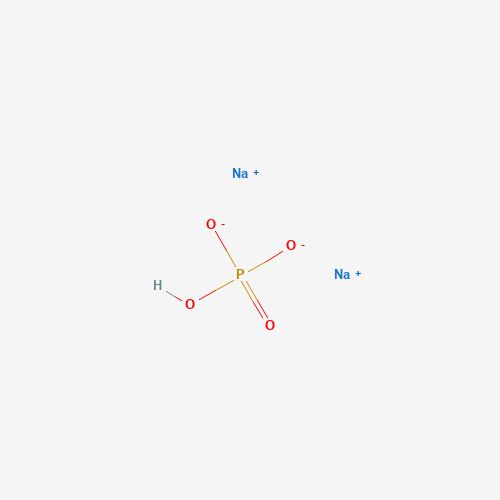
| Great BritainFood Standards Agency / Food Standards Scotland | ◐Permitted, with conditions | 64 food categories highest permitted level 30,000 mg/kg or mg/l Show every food category- 0 All categories of foods — 10,000 mg/kg or mg/lAuthorised under E 339, Sodium phosphates. Permitted as a member of E 338–341, E 343 and E 450 — 452: Phosphoric acid — phosphates — di-, tri- and polyphosphates. ML = 10000. only foods in dried powdered form (i.e. foods dried during the production process, and mixtures thereof), excluding foods listed in Table 1 of Part A of this Annex. Note (1): The additives may be added individually or in combination. Note (4): The maximum level is expressed as P 2 O 5. Note (57): The maximum level shall apply unless a different maximum level is specified in points 01 to 18 of this Annex in relation to individual foods or categories of foods.
- 1.1 Unflavoured pasteurised and sterilised (including UHT) milk — 1,000 mg/kg or mg/lAuthorised under E 339, Sodium phosphates. Permitted as a member of E 338–341, E 343 and E 450 — 452: Phosphoric acid — phosphates — di-, tri- and polyphosphates. ML = 1000. only sterilised and UHT milk. Note (1): The additives may be added individually or in combination. Note (4): The maximum level is expressed as P 2 O 5.
- 1.4 Flavoured fermented milk products including heat-treated products — 3,000 mg/kg or mg/lAuthorised under E 339, Sodium phosphates. Permitted as a member of E 338–341, E 343 and E 450 — 452: Phosphoric acid — phosphates — di-, tri- and polyphosphates. ML = 3000. Note (1): The additives may be added individually or in combination. Note (4): The maximum level is expressed as P 2 O 5.
- 1.5 Dehydrated milk as defined by Directive 2001/114/EC — several limitsAuthorised under E 339, Sodium phosphates. Permitted as a member of E 338–341, E 343 and E 450 — 452: Phosphoric acid — phosphates — di-, tri- and polyphosphates. (1) ML 1000: only partly dehydrated milk with less than 28 % solids; (2) ML 1500: only partly dehydrated milk with more than 28 % solids; (3) ML 2500: only dried milk and dried skimmed milk. Note (1): The additives may be added individually or in combination. Note (4): The maximum level is expressed as P 2 O 5.
- 1.6.3 Other creams — 5,000 mg/kg or mg/lAuthorised under E 339, Sodium phosphates. Permitted as a member of E 338–341, E 343 and E 450 — 452: Phosphoric acid — phosphates — di-, tri- and polyphosphates. ML = 5000. only sterilised, pasteurised, UHT cream and whipped cream. Note (1): The additives may be added individually or in combination. Note (4): The maximum level is expressed as P 2 O 5.
- 1.7.1 Unripened cheese excluding products falling in category 16 — 2,000 mg/kg or mg/lAuthorised under E 339, Sodium phosphates. Permitted as a member of E 338–341, E 343 and E 450 — 452: Phosphoric acid — phosphates — di-, tri- and polyphosphates. ML = 2000. except mozzarella. Note (1): The additives may be added individually or in combination. Note (4): The maximum level is expressed as P 2 O 5.
- 1.7.5 Processed cheese — 20,000 mg/kg or mg/lAuthorised under E 339, Sodium phosphates. Permitted as a member of E 338–341, E 343 and E 450 — 452: Phosphoric acid — phosphates — di-, tri- and polyphosphates. ML = 20000. Note (1): The additives may be added individually or in combination. Note (4): The maximum level is expressed as P 2 O 5.
- 1.7.6 Cheese products (excluding products falling in category 16) — 2,000 mg/kg or mg/lAuthorised under E 339, Sodium phosphates. Permitted as a member of E 338–341, E 343 and E 450 — 452: Phosphoric acid — phosphates — di-, tri- and polyphosphates. ML = 2000. only unripened products. Note (1): The additives may be added individually or in combination. Note (4): The maximum level is expressed as P 2 O 5.
- 1.8 Dairy analogues, including beverage whiteners — several limitsAuthorised under E 339, Sodium phosphates. Permitted as a member of E 338–341, E 343 and E 450 — 452: Phosphoric acid — phosphates — di-, tri- and polyphosphates. (1) ML 5000: only whipped cream analogues; (2) ML 20000: only processed cheese analogues; (3) ML 30000: only beverage whiteners; (4) ML 50000: only beverage whiteners for vending machines. Note (1): The additives may be added individually or in combination. Note (4): The maximum level is expressed as P 2 O 5.
- 10.2 Processed eggs and egg products — 10,000 mg/kg or mg/lAuthorised under E 339, Sodium phosphates. Permitted as a member of E 338–341, E 343 and E 450 — 452: Phosphoric acid — phosphates — di-, tri- and polyphosphates. ML = 10000. only liquid egg (white, yolk or whole egg). Note (1): The additives may be added individually or in combination. Note (4): The maximum level is expressed as P 2 O 5.
- 11.1 Sugars and syrups as defined by Directive 2001/111/EC — 10,000 mg/kg or mg/lAuthorised under E 339, Sodium phosphates. Permitted as a member of E 338–341, E 343 and E 450 — 452: Phosphoric acid — phosphates — di-, tri- and polyphosphates. ML = 10000. only dried powdered foods. Note (4): The maximum level is expressed as P 2 O 5.
- 12.1.1 Salt — 10,000 mg/kg or mg/lAuthorised under E 339, Sodium phosphates. Permitted as a member of E 338–341, E 343 and E 450 — 452: Phosphoric acid — phosphates — di-, tri- and polyphosphates. ML = 10000. Note (1): The additives may be added individually or in combination. Note (4): The maximum level is expressed as P 2 O 5.
- 12.1.2 Salt substitutes — 10,000 mg/kg or mg/lAuthorised under E 339, Sodium phosphates. Permitted as a member of E 338–341, E 343 and E 450 — 452: Phosphoric acid — phosphates — di-, tri- and polyphosphates. ML = 10000. Note (1): The additives may be added individually or in combination. Note (4): The maximum level is expressed as P 2 O 5.
- 12.5 Soups and broths — 3,000 mg/kg or mg/lAuthorised under E 339, Sodium phosphates. Permitted as a member of E 338–341, E 343 and E 450 — 452: Phosphoric acid — phosphates — di-, tri- and polyphosphates. ML = 3000. Note (1): The additives may be added individually or in combination. Note (4): The maximum level is expressed as P 2 O 5.
- 12.6 Sauces — 5,000 mg/kg or mg/lAuthorised under E 339, Sodium phosphates. Permitted as a member of E 338–341, E 343 and E 450 — 452: Phosphoric acid — phosphates — di-, tri- and polyphosphates. ML = 5000. Note (1): The additives may be added individually or in combination. Note (4): The maximum level is expressed as P 2 O 5.
- 12.9 Protein products, excluding products covered in category 1.8 — 20,000 mg/kg or mg/lAuthorised under E 339, Sodium phosphates. Permitted as a member of E 338–341, E 343 and E 450 — 452: Phosphoric acid — phosphates — di-, tri- and polyphosphates. ML = 20000. only vegetable protein drinks. Note (1): The additives may be added individually or in combination. Note (4): The maximum level is expressed as P 2 O 5.
- 13.1.1 Infant formulae as defined by Commission Directive 2006/141/EC — 1,000 mg/kg or mg/lAuthorised under E 339, Sodium phosphates. ML = 1000. Note (4): The maximum level is expressed as P 2 O 5. Note (15): E 339 and E 340 are authorised individually or in combination and in conformity with the limits set in Directives 2006/141/EC, 2006/125/EC, 1999/21/EC.
- 13.1.2 Follow-on formulae as defined by Directive 2006/141/EC — 1,000 mg/kg or mg/lAuthorised under E 339, Sodium phosphates. ML = 1000. Note (4): The maximum level is expressed as P 2 O 5. Note (15): E 339 and E 340 are authorised individually or in combination and in conformity with the limits set in Directives 2006/141/EC, 2006/125/EC, 1999/21/EC.
- 13.1.3 Processed cereal-based foods and baby foods for infants and young children as defined by Commission Directive 2006/125/EC — 1,000 mg/kg or mg/lAuthorised under E 339, Sodium phosphates. ML = 1000. only cereals. Note (4): The maximum level is expressed as P 2 O 5. Note (20): E 339, E 340 and E 341 are authorised individually or in combination.
- 13.1.4 Other foods for young children — 1,000 mg/kg or mg/lAuthorised under E 339, Sodium phosphates. ML = 1000. Note (1): The additives may be added individually or in combination. Note (4): The maximum level is expressed as P 2 O 5. Note (15): E 339 and E 340 are authorised individually or in combination and in conformity with the limits set in Directives 2006/141/EC, 2006/125/EC, 1999/21/EC.
- 13.1.5.1 Dietary foods for infants for special medical purposes and special formulae for infants — 1,000 mg/kg or mg/lAuthorised under E 339, Sodium phosphates. ML = 1000. Note (1): The additives may be added individually or in combination. Note (4): The maximum level is expressed as P 2 O 5. Note (20): E 339, E 340 and E 341 are authorised individually or in combination.
- 13.2 Dietary foods for special medical purposes defined in Directive 1999/21/EC (excluding products from food category 13.1.5) — 5,000 mg/kg or mg/lAuthorised under E 339, Sodium phosphates. Permitted as a member of E 338–341, E 343 and E 450 — 452: Phosphoric acid — phosphates — di-, tri- and polyphosphates. ML = 5000. Note (1): The additives may be added individually or in combination. Note (4): The maximum level is expressed as P 2 O 5.
- 13.3 Dietary foods for weight control diets intended to replace total daily food intake or an individual meal (the whole or part of the total daily diet) — 5,000 mg/kg or mg/lAuthorised under E 339, Sodium phosphates. Permitted as a member of E 338–341, E 343 and E 450 — 452: Phosphoric acid — phosphates — di-, tri- and polyphosphates. ML = 5000. Note (1): The additives may be added individually or in combination. Note (4): The maximum level is expressed as P 2 O 5.
- 13.4 Foods suitable for people intolerant to gluten as defined by Commission Regulation (EC) No 41/2009 — 5,000 mg/kg or mg/lAuthorised under E 339, Sodium phosphates. Permitted as a member of E 338–341, E 343 and E 450 — 452: Phosphoric acid — phosphates — di-, tri- and polyphosphates. ML = 5000. Note (1): The additives may be added individually or in combination. Note (4): The maximum level is expressed as P 2 O 5.
- 14.1.1 Water, including natural mineral water as defined in Directive 2009/54/EC and spring water and all other bottled or packed waters — 500 mg/kg or mg/lAuthorised under E 339, Sodium phosphates. Permitted as a member of E 338–341, E 343 and E 450 — 452: Phosphoric acid — phosphates — di-, tri- and polyphosphates. ML = 500. only prepared table waters. Note (1): The additives may be added individually or in combination. Note (4): The maximum level is expressed as P 2 O 5.
- 14.1.4 Flavoured drinks — several limitsAuthorised under E 339, Sodium phosphates. Permitted as a member of E 338–341, E 343 and E 450 — 452: Phosphoric acid — phosphates — di-, tri- and polyphosphates. (1) ML 700: no further restriction; (2) ML 500: only sport drinks; (3) ML 4000: only whey protein containing sport drinks; (4) ML 20000: only vegetable protein drinks; (5) ML 2000: only chocolate and malt dairy-based drinks. Note (1): The additives may be added individually or in combination. Note (4): The maximum level is expressed as P 2 O 5.
- 14.1.5.2 Other — 2,000 mg/kg or mg/lAuthorised under E 339, Sodium phosphates. Permitted as a member of E 338–341, E 343 and E 450 — 452: Phosphoric acid — phosphates — di-, tri- and polyphosphates. ML = 2000. only coffee-based drinks for vending machines; Instant tea and instant herbal infusions. Note (1): The additives may be added individually or in combination. Note (4): The maximum level is expressed as P 2 O 5.
- 14.2.3 Cider and perry — 1,000 mg/kg or mg/lAuthorised under E 339, Sodium phosphates. Permitted as a member of E 338–341, E 343 and E 450 — 452: Phosphoric acid — phosphates — di-, tri- and polyphosphates. ML = 1000. Note (1): The additives may be added individually or in combination. Note (4): The maximum level is expressed as P 2 O 5.
- 14.2.4 Fruit wine and made wine — 1,000 mg/kg or mg/lAuthorised under E 339, Sodium phosphates. Permitted as a member of E 338–341, E 343 and E 450 — 452: Phosphoric acid — phosphates — di-, tri- and polyphosphates. ML = 1000. Note (1): The additives may be added individually or in combination. Note (4): The maximum level is expressed as P 2 O 5.
- 14.2.5 Mead — 1,000 mg/kg or mg/lAuthorised under E 339, Sodium phosphates. Permitted as a member of E 338–341, E 343 and E 450 — 452: Phosphoric acid — phosphates — di-, tri- and polyphosphates. ML = 1000. Note (1): The additives may be added individually or in combination. Note (4): The maximum level is expressed as P 2 O 5.
- 14.2.6 Spirit drinks as defined in Regulation (EC) No 110/2008 — 1,000 mg/kg or mg/lAuthorised under E 339, Sodium phosphates. Permitted as a member of E 338–341, E 343 and E 450 — 452: Phosphoric acid — phosphates — di-, tri- and polyphosphates. ML = 1000. except: whisky, whiskey. Note (1): The additives may be added individually or in combination. Note (4): The maximum level is expressed as P 2 O 5.
- 14.2.7.1 Aromatised wines — 1,000 mg/kg or mg/lAuthorised under E 339, Sodium phosphates. Permitted as a member of E 338–341, E 343 and E 450 — 452: Phosphoric acid — phosphates — di-, tri- and polyphosphates. ML = 1000. Note (1): The additives may be added individually or in combination. Note (4): The maximum level is expressed as P 2 O 5.
- 14.2.7.2 Aromatised wine-based drinks — 1,000 mg/kg or mg/lAuthorised under E 339, Sodium phosphates. Permitted as a member of E 338–341, E 343 and E 450 — 452: Phosphoric acid — phosphates — di-, tri- and polyphosphates. ML = 1000. Note (1): The additives may be added individually or in combination. Note (4): The maximum level is expressed as P 2 O 5.
- 14.2.7.3 Aromatised wine-product cocktails — 1,000 mg/kg or mg/lAuthorised under E 339, Sodium phosphates. Permitted as a member of E 338–341, E 343 and E 450 — 452: Phosphoric acid — phosphates — di-, tri- and polyphosphates. ML = 1000. Note (1): The additives may be added individually or in combination. Note (4): The maximum level is expressed as P 2 O 5.
- 14.2.8 Other alcoholic drinks including mixtures of alcoholic drinks with non-alcoholic drinks and spirits with less than 15 % of alcohol — 1,000 mg/kg or mg/lAuthorised under E 339, Sodium phosphates. Permitted as a member of E 338–341, E 343 and E 450 — 452: Phosphoric acid — phosphates — di-, tri- and polyphosphates. ML = 1000. Note (1): The additives may be added individually or in combination. Note (4): The maximum level is expressed as P 2 O 5.
- 15.1 Potato-, cereal-, flour- or starch-based snacks — 5,000 mg/kg or mg/lAuthorised under E 339, Sodium phosphates. Permitted as a member of E 338–341, E 343 and E 450 — 452: Phosphoric acid — phosphates — di-, tri- and polyphosphates. ML = 5000. Note (1): The additives may be added individually or in combination. Note (4): The maximum level is expressed as P 2 O 5.
- 15.2 Processed nuts — 5,000 mg/kg or mg/lAuthorised under E 339, Sodium phosphates. Permitted as a member of E 338–341, E 343 and E 450 — 452: Phosphoric acid — phosphates — di-, tri- and polyphosphates. ML = 5000. Note (1): The additives may be added individually or in combination. Note (4): The maximum level is expressed as P 2 O 5.
- 16 Desserts excluding products covered in categories 1, 3 and 4 — several limitsAuthorised under E 339, Sodium phosphates. Permitted as a member of E 338–341, E 343 and E 450 — 452: Phosphoric acid — phosphates — di-, tri- and polyphosphates. (1) ML 3000: no further restriction; (2) ML 7000: only dry powdered dessert mixes. Note (1): The additives may be added individually or in combination. Note (4): The maximum level is expressed as P 2 O 5.
- 17.1 Food supplements supplied in a solid form, excluding food supplements for infants and young children — quantum satisAuthorised under E 339, Sodium phosphates. Permitted as a member of E 338–341, E 343 and E 450 — 452: Phosphoric acid — phosphates — di-, tri- and polyphosphates. quantum satis.
- 17.2 Food supplements supplied in a liquid form, excluding food supplements for infants and young children — quantum satisAuthorised under E 339, Sodium phosphates. Permitted as a member of E 338–341, E 343 and E 450 — 452: Phosphoric acid — phosphates — di-, tri- and polyphosphates. quantum satis.
- 2.2.1 Butter and concentrated butter and butter oil and anhydrous milkfat — 2,000 mg/kg or mg/lAuthorised under E 339, Sodium phosphates. Permitted as a member of E 338–341, E 343 and E 450 — 452: Phosphoric acid — phosphates — di-, tri- and polyphosphates. ML = 2000. only soured cream butter. Note (1): The additives may be added individually or in combination. Note (4): The maximum level is expressed as P 2 O 5.
- 2.2.2 Other fat and oil emulsions including spreads as defined by Regulation (EC) No 1234/2007 and liquid emulsions — 5,000 mg/kg or mg/lAuthorised under E 339, Sodium phosphates. Permitted as a member of E 338–341, E 343 and E 450 — 452: Phosphoric acid — phosphates — di-, tri- and polyphosphates. ML = 5000. only spreadable fats. Note (1): The additives may be added individually or in combination. Note (4): The maximum level is expressed as P 2 O 5.
- 2.3 Vegetable oil pan spray — 30,000 mg/kg or mg/lAuthorised under E 339, Sodium phosphates. Permitted as a member of E 338–341, E 343 and E 450 — 452: Phosphoric acid — phosphates — di-, tri- and polyphosphates. ML = 30000. only water-based emulsion sprays for coating baking tins. Note (1): The additives may be added individually or in combination. Note (4): The maximum level is expressed as P 2 O 5.
- 3 Edible ices — 1,000 mg/kg or mg/lAuthorised under E 339, Sodium phosphates. Permitted as a member of E 338–341, E 343 and E 450 — 452: Phosphoric acid — phosphates — di-, tri- and polyphosphates. ML = 1000. Note (1): The additives may be added individually or in combination. Note (4): The maximum level is expressed as P 2 O 5.
- 4.2.4.1 Fruit and vegetable preparations excluding compote — several limitsAuthorised under E 339, Sodium phosphates. Permitted as a member of E 338–341, E 343 and E 450 — 452: Phosphoric acid — phosphates — di-, tri- and polyphosphates. (1) ML 800: only fruit preparations; (2) ML 1000: Only seaweed based fish roe analogues; (3) ML 4000: only glazings for vegetable products. Note (1): The additives may be added individually or in combination. Note (4): The maximum level is expressed as P 2 O 5.
- 4.2.5.4 Nut butters and nut spreads — 5,000 mg/kg or mg/lAuthorised under E 339, Sodium phosphates. Permitted as a member of E 338–341, E 343 and E 450 — 452: Phosphoric acid — phosphates — di-, tri- and polyphosphates. ML = 5000. only spreadable fats excluding butter. Note (1): The additives may be added individually or in combination. Note (4): The maximum level is expressed as P 2 O 5.
- 4.2.6 Processed potato products — 5,000 mg/kg or mg/lAuthorised under E 339, Sodium phosphates. Permitted as a member of E 338–341, E 343 and E 450 — 452: Phosphoric acid — phosphates — di-, tri- and polyphosphates. ML = 5000. including pre-fried frozen en deep-frozen potatoes. Note (1): The additives may be added individually or in combination. Note (4): The maximum level is expressed as P 2 O 5.
- 5.2 Other confectionery including breath refreshening microsweets — several limitsAuthorised under E 339, Sodium phosphates. Permitted as a member of E 338–341, E 343 and E 450 — 452: Phosphoric acid — phosphates — di-, tri- and polyphosphates. (1) ML 5000: only sugar confectionery, except candied fruit; (2) ML 800: only candied fruit. Note (1): The additives may be added individually or in combination. Note (4): The maximum level is expressed as P 2 O 5.
- 5.3 Chewing gum — quantum satisAuthorised under E 339, Sodium phosphates. Permitted as a member of E 338–341, E 343 and E 450 — 452: Phosphoric acid — phosphates — di-, tri- and polyphosphates. quantum satis. Note (1): The additives may be added individually or in combination. Note (4): The maximum level is expressed as P 2 O 5.
- 5.4 Decorations, coatings and fillings, except fruit based fillings covered by category 4.2.4 — several limitsAuthorised under E 339, Sodium phosphates. Permitted as a member of E 338–341, E 343 and E 450 — 452: Phosphoric acid — phosphates — di-, tri- and polyphosphates. (1) ML 5000: no further restriction; (2) ML 3000: only toppings (syrups for pancakes, flavoured syrups for milkshakes and ice cream; similar products). Note (1): The additives may be added individually or in combination. Note (4): The maximum level is expressed as P 2 O 5.
- 6.2.1 Flours — several limitsAuthorised under E 339, Sodium phosphates. Permitted as a member of E 338–341, E 343 and E 450 — 452: Phosphoric acid — phosphates — di-, tri- and polyphosphates. (1) ML 2500: no further restriction; (2) ML 20000: only self-raising flour. Note (1): The additives may be added individually or in combination. Note (4): The maximum level is expressed as P 2 O 5.
- 6.3 Breakfast cereals — 5,000 mg/kg or mg/lAuthorised under E 339, Sodium phosphates. Permitted as a member of E 338–341, E 343 and E 450 — 452: Phosphoric acid — phosphates — di-, tri- and polyphosphates. ML = 5000. Note (1): The additives may be added individually or in combination. Note (4): The maximum level is expressed as P 2 O 5.
- 6.5 Noodles — 2,000 mg/kg or mg/lAuthorised under E 339, Sodium phosphates. Permitted as a member of E 338–341, E 343 and E 450 — 452: Phosphoric acid — phosphates — di-, tri- and polyphosphates. ML = 2000. Note (1): The additives may be added individually or in combination. Note (4): The maximum level is expressed as P 2 O 5.
- 6.6 Batters — 12,000 mg/kg or mg/lAuthorised under E 339, Sodium phosphates. Permitted as a member of E 338–341, E 343 and E 450 — 452: Phosphoric acid — phosphates — di-, tri- and polyphosphates. ML = 12000. Note (1): The additives may be added individually or in combination. Note (4): The maximum level is expressed as P 2 O 5.
- 7.1 Bread and rolls — 20,000 mg/kg or mg/lAuthorised under E 339, Sodium phosphates. Permitted as a member of E 338–341, E 343 and E 450 — 452: Phosphoric acid — phosphates — di-, tri- and polyphosphates. ML = 20000. only soda bread. Note (1): The additives may be added individually or in combination. Note (4): The maximum level is expressed as P 2 O 5.
- 7.2 Fine bakery wares — 20,000 mg/kg or mg/lAuthorised under E 339, Sodium phosphates. Permitted as a member of E 338–341, E 343 and E 450 — 452: Phosphoric acid — phosphates — di-, tri- and polyphosphates. ML = 20000. Note (1): The additives may be added individually or in combination. Note (4): The maximum level is expressed as P 2 O 5.
- 8.2 Meat preparations as defined by Regulation (EC) No 853/2004 — 5,000 mg/kg or mg/lAuthorised under E 339, Sodium phosphates. Permitted as a member of E 338–341, E 343 and E 450 — 452: Phosphoric acid — phosphates — di-, tri- and polyphosphates. ML = 5000. only breakfast sausages : in this product, the meat is minced in such a way so that the muscle and fat tissue are completely dispersed, so that fibre makes an emulsion with the fat, giving the product its typical appearance; Finnish grey salted Christmas ham, burger meat with a minimum vegetable and/or cereal content of 4 % mixed within the meat, Kasseler, Bräte, Surfleisch, toorvorst, šašlõkk, ahjupraad, Bílá klobása, Vinná klobása, Sváteční klobása, Syrová klobása and frozen vertical rotating meat spits made of sheep, lamb, veal and/or beef treated with liquid seasoning or from poultry meat treated with or without liquid seasoning used alone and/or combined as well as sliced and/or minced and designed to be roasted by a food business operator and then consumed by the final consumer. Note (1): The additives may be added individually or in combination. Note (4): The maximum level is expressed as P 2 O 5.
- 8.3.1 Non-heat-treated meat products — 5,000 mg/kg or mg/lAuthorised under E 339, Sodium phosphates. Permitted as a member of E 338–341, E 343 and E 450 — 452: Phosphoric acid — phosphates — di-, tri- and polyphosphates. ML = 5000. Note (1): The additives may be added individually or in combination. Note (4): The maximum level is expressed as P 2 O 5.
- 8.3.2 Heat-treated meat products — 5,000 mg/kg or mg/lAuthorised under E 339, Sodium phosphates. Permitted as a member of E 338–341, E 343 and E 450 — 452: Phosphoric acid — phosphates — di-, tri- and polyphosphates. ML = 5000. except foie gras, foie gras entier, blocs de foie gras, Libamáj, libamáj egészben, libamáj tömbben. Note (1): The additives may be added individually or in combination. Note (4): The maximum level is expressed as P 2 O 5.
- 8.3.3 Casings and coatings and decorations for meat — 4,000 mg/kg or mg/lAuthorised under E 339, Sodium phosphates. Permitted as a member of E 338–341, E 343 and E 450 — 452: Phosphoric acid — phosphates — di-, tri- and polyphosphates. ML = 4000. only glazings for meat. Note (1): The additives may be added individually or in combination. Note (4): The maximum level is expressed as P 2 O 5.
- 8.3.3 Casings and coatings and decorations for meat — 12,600 mg/kg or mg/lAuthorised under E 339, Sodium phosphates. ML = 12600. only in natural casings for sausages. Note (4): The maximum level is expressed as P 2 O 5. Note (89): Carry-over in the final product shall not exceed 250 mg/kg.
- 9.1.1 Unprocessed fish — 5,000 mg/kg or mg/lAuthorised under E 339, Sodium phosphates. Permitted as a member of E 338–341, E 343 and E 450 — 452: Phosphoric acid — phosphates — di-, tri- and polyphosphates. ML = 5000. only frozen and deep-frozen fish fillets. Note (1): The additives may be added individually or in combination. Note (4): The maximum level is expressed as P 2 O 5.
- 9.1.2 Unprocessed molluscs and crustaceans — 5,000 mg/kg or mg/lAuthorised under E 339, Sodium phosphates. Permitted as a member of E 338–341, E 343 and E 450 — 452: Phosphoric acid — phosphates — di-, tri- and polyphosphates. ML = 5000. only frozen and deep-frozen molluscs and crustaceans. Note (1): The additives may be added individually or in combination. Note (4): The maximum level is expressed as P 2 O 5.
- 9.2 Processed fish and fishery products including mollusks and crustaceans — several limitsAuthorised under E 339, Sodium phosphates. Permitted as a member of E 338–341, E 343 and E 450 — 452: Phosphoric acid — phosphates — di-, tri- and polyphosphates. (1) ML 1000: only canned crustaceans products; surimi and similar products; (2) ML 5000: only fish and crustacean paste and in processed frozen and deep-frozen molluscs and crustaceans. Note (1): The additives may be added individually or in combination. Note (4): The maximum level is expressed as P 2 O 5.
| Assimilated Regulation (EC) No 1333/2008, Annex II (as at 28 June 2024)and 63 further provisionsretrieved 2026-10-18 |
|---|
| Codex AlimentariusCodex Alimentarius Commission / JECFA | ◐Permitted, with conditions | 108 food categories highest permitted level 44,000 mg/kg Show every food category and its notes- 01.1.1 Fluid Milk (plain) — 1,500 mg/kg
- Note 33 As phosphorus.
- Note 227 For use in sterilized and UHT treated milks only.
- 01.1.2 Other Fluid Milk (plain) — 2,200 mg/kg
- Note 33 As phosphorus.
- Note 364 Singly or in combination.
- Note 411 Except for use in lactose reduced milks at 500 mg/kg.
- 01.1.3 Fluid Buttermilk (plain) — 1,500 mg/kg
- Note 33 As phosphorus.
- Note 227 For use in sterilized and UHT treated milks only.
- Note 397 For use at 1000 mg/kg in non-UHT and non-sterilised buttermilk.
- 01.1.4 Flavoured Fluid Milk Drinks — 1,500 mg/kg
- Note 33 As phosphorus.
- Note 364 Singly or in combination.
- Note 610 Except for use in products conforming to the Standard for Fermented Milks (CXS 243-2003): sodium dihydrogen phosphate (INS 339(i)), disodium hydrogen phosphate (INS 339(ii)), trisodium phosphate (INS 339(iii)), potassium dihydrogen phosphate (INS 340(i)), dipotassium hydrogen phosphate (INS 340(ii)), tripotassium phosphate (INS 340(iii)), calcium dihydrogen phosphate (INS 341(i)), calcium hydrogen phosphate (INS 341(ii)), tricalcium phosphate (INS 341(iii)), ammonium dihydrogen phosphate (INS 342(i)), diammonium hydrogen phosphate (INS 342(ii)), magnesium dihydrogen phosphate (INS 343(i)), magnesium hydrogen phosphate (INS 343(ii)), trimagnesium phosphate (INS 343(iii)), Disodium diphosphate (INS 450(i)), trisodium diphosphate (INS 450(ii)), tetrasodium diphosphate (INS 450(iii)), tetrapotassium diphosphate (INS 450(v)), dicalcium diphosphate (INS 450(vi)), calcium dihydrogen diphosphate (INS 450(vii)), magnesium dihydrogen diphosphate (INS 450(ix)), pentasodium triphosphate (INS 451(i)), pentapotassium triphosphate (INS 451(ii)), sodium polyphosphate (INS 452(i)), potassium polyphosphate (INS 452(ii)), sodium calcium polyphosphate (INS 452(iii)), calcium polyphosphate (INS 452(iv)), ammonium polyphosphate (INS 452(v)) and bone phosphate (INS 542), as stabilizers and/or thickeners, singly or in combination, at 1000 mg/kg as phosphorous.
- 01.2 Fermented and renneted milk products (plain), — 1,000 mg/kg
- Note 33 As phosphorus.
- Note 610 Except for use in products conforming to the Standard for Fermented Milks (CXS 243-2003): sodium dihydrogen phosphate (INS 339(i)), disodium hydrogen phosphate (INS 339(ii)), trisodium phosphate (INS 339(iii)), potassium dihydrogen phosphate (INS 340(i)), dipotassium hydrogen phosphate (INS 340(ii)), tripotassium phosphate (INS 340(iii)), calcium dihydrogen phosphate (INS 341(i)), calcium hydrogen phosphate (INS 341(ii)), tricalcium phosphate (INS 341(iii)), ammonium dihydrogen phosphate (INS 342(i)), diammonium hydrogen phosphate (INS 342(ii)), magnesium dihydrogen phosphate (INS 343(i)), magnesium hydrogen phosphate (INS 343(ii)), trimagnesium phosphate (INS 343(iii)), Disodium diphosphate (INS 450(i)), trisodium diphosphate (INS 450(ii)), tetrasodium diphosphate (INS 450(iii)), tetrapotassium diphosphate (INS 450(v)), dicalcium diphosphate (INS 450(vi)), calcium dihydrogen diphosphate (INS 450(vii)), magnesium dihydrogen diphosphate (INS 450(ix)), pentasodium triphosphate (INS 451(i)), pentapotassium triphosphate (INS 451(ii)), sodium polyphosphate (INS 452(i)), potassium polyphosphate (INS 452(ii)), sodium calcium polyphosphate (INS 452(iii)), calcium polyphosphate (INS 452(iv)), ammonium polyphosphate (INS 452(v)) and bone phosphate (INS 542), as stabilizers and/or thickeners, singly or in combination, at 1000 mg/kg as phosphorous.
- Note 635 Except for use in plain fermented milks and drinks based on fermented milk that are not heat- treated, conforming to the Standard for Fermented Milks (CXS 243-2003): for use in reconstitution and recombination.
- 01.3.1 Condensed milk (plain) — 880 mg/kg
- Note 33 As phosphorus.
- Note 565 Except for use in products conforming to the Standards for Evaporated Milks (CXS 281-1971) and Sweetened Condensed Milks (CXS 282-1971): phosphoric acid (INS 338), sodium dihydrogen phosphate (INS 339(i)), disodium hydrogen phosphate (INS 339(ii)), trisodium phosphate (INS 339(iii)), potassium dihydrogen phosphate (INS 340(i)), dipotassium hydrogen phosphate (INS 340(ii)), tripotassium phosphate (INS 340(iii)), calcium dihydrogen phosphate (INS 341(i)), calcium hydrogen phosphate (INS 341(ii)), tricalcium phosphate (INS 341(iii)), ammonium dihydrogen phosphate (INS 342(i)), diammonium hydrogen phosphate (INS 342(ii)), magnesium dihydrogen phosphate (INS 343(i)), magnesium hydrogen phosphate (INS 343(ii)), trimagnesium phosphate (INS343(iii)), disodium diphosphate (INS 450(i)), trisodium diphosphate (INS 450(ii)), tetrasodium diphosphate (INS 450(iii)), tetrapotassium diphosphate (INS 450(v)), dicalcium diphosphate (INS 450(vi), calcium dihydrogen diphosphate (INS 450(vii)), magnesium dihydrogen diphosphate (INS 450 (ix)), pentasodium triphosphate (INS 451(i)), pentapotassium triphosphate (INS 451(ii)), sodium polyphosphate (INS 452(i)), potassium polyphosphate (INS 452(ii)), sodium calcium polyphosphate (INS 452(iii)), calcium polyphosphate (INS 452(iv)), ammonium polyphosphate (INS 452(v)), as acidity regulators only, at 1000 mg/kg as phosphorous, singly or in combination.
- 01.3.2 Beverage whiteners — 13,000 mg/kg
- Note 33 As phosphorus.
- Note 480 Except for use in products conforming to the Standard for a Blend of Evaporated Skimmed Milk and Vegetable Fat (CXS 250-2006) and the Standard for a Blend of Sweetened Condensed Skimmed Milk and Vegetable Fat (CXS 252-2006): sodium dihydrogen phosphate (INS 339(i)), disodium hydrogen phosphate (INS 339(ii)), trisodium phosphate (INS 339(iii)), potassium dihydrogen phosphate (INS 340(i)), dipotassium hydrogen phosphate (INS 340(ii)), tripotassium phosphate (INS 340(iii)), calcium dihydrogen phosphate (INS 341(i)), calcium hydrogen phosphate (INS 341(ii)), tricalcium phosphate (INS 341(iii), disodium diphosphate (INS 450(i)), trisodium diphosphate (INS 450(ii)), tetrasodium diphosphate (INS 450(iii)), tetrapotassium diphosphate (INS 450(v)), dicalcium diphosphate (INS 450(vi)), calcium dihydrogen diphosphate (INS 450(vii)), pentasodium triphosphate (INS 451(i)), pentapotassium triphosphate (INS 451(ii)), sodium polyphosphate (INS 452(i)), potassium polyphosphate (INS 452(ii)), sodium calcium polyphosphate (INS 452(iii)), calcium polyphosphate (INS 452(iv)), ammonium polyphosphate (INS 452(v)), as acidity regulators only, at 4,400 mg/kg as phosphorus.
- 01.4 Cream (plain) and the like — 2,200 mg/kg
- Note 33 As phosphorus.
- Note 617 Except for use in products conforming to the Standard for Creams and Prepared Creams (CXS 288-1976): sodium dihydrogen phosphate (INS 339(i)), disodium hydrogen phosphate (INS 339(ii)), trisodium phosphate (INS 339(iii)), potassium dihydrogen phosphate (INS 340(i)), dipotassium hydrogen phosphate (INS 340(ii)), tripotassium phosphate (INS 340(iii)), calcium dihydrogen phosphate (INS 341(i)), calcium hydrogen phosphate (INS 341(ii)), tricalcium phosphate (INS 341(iii)), ammonium dihydrogen phosphate (INS 342(i)), diammonium hydrogen phosphate (INS 342(ii)), magnesium dihydrogen phosphate (INS 343(i)), magnesium hydrogen phosphate (INS 343(ii)), trimagnesium phosphate (INS343(iii)), disodium diphosphate (INS 450(i)), trisodium diphosphate (INS 450(ii)), tetrasodium diphosphate (INS 450(iii)), tetrapotassium diphosphate (INS 450(v)), dicalcium diphosphate (INS 450(vi)), calcium dihydrogen diphosphate (INS 450(vii)), magnesium dihydrogen diphosphate (INS 450(ix)), pentasodium triphosphate (INS 451(i)), pentapotassium triphosphate (INS 451(ii)), sodium polyphosphate (INS 452(i)), potassium polyphosphate (INS 452(ii)), sodium calcium polyphosphate (INS 452(iii)), calcium polyphosphate (INS 452(iv)), ammonium polyphosphate (INS 452(v)) and bone phosphate (INS 542), as stabilizers or thickeners, singly or in combination, at 1,100 mg/kg as phosphorous.
- 01.5.1 Milk powder and cream powder (plain) — 4,400 mg/kg
- Note 33 As phosphorus.
- Note 543 For use in products conforming to the Standards for Milk Powders and Cream Powder (CXS 207-1999) and Edible Casein Products (CXS 290-1995): phosphoric acid (INS 338), sodium dihydrogen phosphate (INS 339(i)), disodium hydrogen phosphate (INS 339(ii)), trisodium phosphate (INS 339(iii)), potassium dihydrogen phosphate (INS 340(i)), dipotassium hydrogen phosphate (INS 340(ii)), tripotassium phosphate (INS 340(iii)), calcium dihydrogen phosphate (INS 341(i)), calcium hydrogen phosphate (INS 341(ii)), tricalcium phosphate (INS 341(iii)), ammonium dihydrogen phosphate (INS 342(i)), diammonium hydrogen phosphate (INS 342(ii)), magnesium dihydrogen phosphate (INS 343(i)), magnesium hydrogen phosphate (INS 343(ii)), trimagnesium phosphate (INS343(iii)), disodium diphosphate (INS 450(i)), trisodium diphosphate (INS 450(ii)), tetrasodium diphosphate (INS 450(iii)), tetrapotassium diphosphate (INS 450(v)), dicalcium diphosphate (INS 450(vi), calcium dihydrogen diphosphate (INS 450(vii)), magnesium dihydrogen diphosphate (INS 450(ix)), pentasodium triphosphate (INS 451(i)), pentapotassium triphosphate (INS 451(ii)), sodium polyphosphate (INS 452(i)), potassium polyphosphate (INS 452(ii)), sodium calcium polyphosphate (INS 452(iii)), calcium polyphosphate (INS 452(iv)), ammonium polyphosphate (INS 452(v)), as acidity regulators only, singly or in combination at 4,400 mg/kg.
- Note 548 For use in products conforming to the Standard for Edible Casein Products (CXS 290-1995): phosphoric acid (INS 338), sodium dihydrogen phosphate (INS 339(i)), disodium hydrogen phosphate (INS 339(ii)), trisodium phosphate (INS 339(iii)), potassium dihydrogen phosphate (INS 340(i)), dipotassium hydrogen phosphate (INS 340(ii)), tripotassium phosphate (INS 340(iii)), calcium dihydrogen phosphate (INS 341(i)), calcium hydrogen phosphate (INS 341(ii)), tricalcium phosphate (INS 341(iii)), ammonium dihydrogen phosphate (INS 342(i)), diammonium hydrogen phosphate (INS 342(ii)), magnesium dihydrogen phosphate (INS 343(i)), magnesium hydrogen phosphate (INS 343(ii)), trimagnesium phosphate (INS343(iii)), disodium diphosphate (INS 450(i)), trisodium diphosphate (INS 450(ii)), tetrasodium diphosphate (INS 450(iii)), tetrapotassium diphosphate (INS 450(v)), dicalcium diphosphate (INS 450(vi), calcium dihydrogen diphosphate (INS 450(vii)), magnesium dihydrogen diphosphate (INS 450(ix)), pentasodium triphosphate (INS 451(i)), pentapotassium triphosphate (INS 451(ii)), as acidity regulators only, singly or in combination at 4,400 mg/kg.
- Note 544 Except for use in products conforming to the Standard for Milk Products and Cream Powder (CXS 207-1999): bone phosphate (INS 542), calcium carbonate (INS 170(i)), calcium dihydrogen phosphate (INS 341(i)), calcium hydrogen phosphate (INS 341(ii)), calcium silicate (INS 552), magnesium carbonate (INS 504(i)), magnesium dihydrogen phosphate (INS 343(i)), magnesium hydrogen phosphate (INS 343(ii)), magnesium oxide (INS 530), magnesium silicate, synthetic (INS 553(i)), silicon dioxide, amorphous (INS 551), talc (INS 553(iii)), tricalcium phosphate (INS 341(iii)), and trimagnesium phosphate (INS 343(iii)) as anticaking agents only, singly or in combination at 10,000 mg/kg.
- Note 547 Except for use in products conforming to the Standard for Edible Casein Products (CXS 290-1995): sodium polyphosphate (INS 452(i)), potassium polyphosphate (INS 452(ii)), sodium calcium polyphosphate (INS 452(iii)), calcium polyphosphate (INS 452(iv)), ammonium polyphosphate (INS 452(v)), as acidity regulators only, singly or in combination at 2,200 mg/kg.
- 01.5.2 Milk and cream powder analogues — 4,400 mg/kg
- Note 33 As phosphorus.
- Note 88 As a result of carryover from the ingredient.
- Note 482 Except for use in products conforming to the Standard for a Blend of Skimmed Milk and Vegetable Fat in Powdered Form (CXS 251-2006): tricalcium phosphate (INS 341(iii)) and trimagnesium phosphate (INS 343(iii)) for use as anticaking agents only.
- Note 483 Except for use in products conforming to the Standard for a Blend of Skimmed Milk and Vegetable Fat in Powdered Form (CXS 251-2006): sodium dihydrogen phosphate (INS 339(i)), disodium hydrogen phosphate (INS 339(ii)), trisodium phosphate (INS 339(iii)), potassium dihydrogen phosphate (INS 340(i)), dipotassium hydrogen phosphate (INS 340(ii)), tripotassium phosphate (INS 340(iii)), calcium dihydrogen phosphate (INS 341(i)), calcium hydrogen phosphate (INS 341(ii)), disodium diphosphate (INS 450(i)), trisodium diphosphate (INS 450(ii)), tetrasodium diphosphate (INS 450(iii)), tetrapotassium diphosphate (INS 450(v)), dicalcium diphosphate (INS 450(vi)), calcium dihydrogen diphosphate (INS 450(vii)), pentasodium triphosphate (INS 451(i)), pentapotassium triphosphate (INS 451(ii)), sodium polyphosphate (INS 452(i)), potassium polyphosphate (INS 452(ii)), sodium calcium polyphosphate (INS 452(iii)), calcium polyphosphate (INS 452(iv)), and ammonium polyphosphate (INS 452(v)), as acidity regulators only.
- 01.6.1 Unripened cheese — 4,400 mg/kg
- Note 33 As phosphorus.
- Note 487 Except for use in products conforming to the Group Standard for Unripened Cheese including Fresh Cheese (CXS 221-2001): phosphoric acid (INS338) as acidity regulators at 880 mg/kg as phosphorus, and sodium dihydrogen phosphate (INS 339(i)), disodium hydrogen phosphate (INS 339(ii)), trisodium phosphate (INS 339(iii)), potassium dihydrogen phosphate (INS 340(i)), dipotassium hydrogen phosphate (INS 340(ii)), tripotassium phosphate (INS 340(iii)), calcium dihydrogen phosphate (INS 341(i)), calcium hydrogen phosphate (INS 341(ii)), tricalcium phosphate (INS 341(iii)), disodium diphosphate (INS 450(i)) and trisodium diphosphate (INS 450(ii)), as stabilizers/thickeners at 1540 mg/kg as phosphorus, in cheese mass only.
- Note 495 Except for use in products conforming to the Standard for Cottage cheese (CXS 273-1968): phosphoric acid (INS338) as acidity regulators at 880 mg/kg as phosphorus, and sodium dihydrogen phosphate (INS 339(i)), disodium hydrogen phosphate (INS 339(ii)), trisodium phosphate (INS 339(iii)), potassium dihydrogen phosphate (INS 340(i)), dipotassium hydrogen phosphate (INS 340(ii)), tripotassium phosphate (INS 340(iii)), calcium dihydrogen phosphate (INS 341(i)), calcium hydrogen phosphate (INS 341(ii)), tricalcium phosphate (INS 341(iii)), ammonium dihydrogen phosphate (INS 342(i)), diammonium hydrogen phosphate (INS 342(ii)), magnesium hydrogen phosphate (INS343(ii)), trimagnesium phosphate (INS 343(iii)), disodium diphosphate (INS 450(i)), tetrasodium diphosphate (INS 450(iii)), tetrapotassium diphosphate (INS 450(v)), dicalcium diphosphate (INS 450(vi)), pentasodium triphosphate (INS 451(i)), pentapotassium triphosphate (INS 451(ii)), sodium polyphosphate (INS 452(i)), potassium polyphosphate (INS 452(ii)), calcium polyphosphate (INS 452(iv)), ammonium polyphosphate (INS 452(v)), as stabilizers at 1,300 mg/kg as phosphorus, in cheese mass only.
- Note 496 Except for use in products conforming to the Standard for Cream cheese (CXS 275-1973): phosphoric acid (INS338) as acidity regulators at 880 mg/kg as phosphorus, and sodium dihydrogen phosphate (INS 339(i)), disodium hydrogen phosphate (INS 339(ii)), trisodium phosphate (INS 339(iii)), potassium dihydrogen phosphate (INS 340(i)), dipotassium hydrogen phosphate (INS 340(ii)), tripotassium phosphate (INS 340(iii)), calcium dihydrogen phosphate (INS 341(i)), calcium hydrogen phosphate (INS 341(ii)), tricalcium phosphate (INS 341(iii)), ammonium dihydrogen phosphate (INS 342(i)), diammonium hydrogen phosphate (INS 342(ii)), magnesium hydrogen phosphate (INS343(ii)), trimagnesium phosphate (INS 343(iii)), disodium diphosphate (INS 450(i)), tetrasodium diphosphate (INS 450(iii)), tetrapotassium diphosphate (INS 450(v)), dicalcium diphosphate (INS 450(vi)), pentasodium triphosphate (INS 451(i)), pentapotassium triphosphate (INS 451(ii)), sodium polyphosphate (INS 452(i)), potassium polyphosphate (INS 452(ii)), calcium polyphosphate (INS 452(iv)), ammonium polyphosphate (INS 452(v)), as stabilizers at 4400 mg/kg as phosphorus, in cheese mass only.
- Note 562 Except for use in products conforming to the Standard for Mozzarella (CXS 262-2006): sodium dihydrogen phosphate (INS 339(i)), disodium hydrogen phosphate (INS 339(ii)), trisodium phosphate (INS 339(iii)), potassium dihydrogen phosphate (INS 340(i)), dipotassium hydrogen phosphate (INS 340(ii)), tripotassium phosphate (INS 340(iii)), calcium dihydrogen phosphate (INS 341(i)), calcium hydrogen phosphate (INS 341(ii)), tricalcium phosphate (INS 341(iii)), ammonium dihydrogen phosphate (INS 342(i)), diammonium hydrogen phosphate (INS 342(ii)), magnesium dihydrogen phosphate (INS 343(i)), magnesium hydrogen phosphate (INS 343(ii)), trimagnesium phosphate (INS 343(iii)), disodium diphosphate (INS 450(i)), trisodium diphosphate (INS 450(ii)), tetrasodium diphosphate (INS 450(iii)), tetrapotassium diphosphate (INS 450(v)), dicalcium diphosphate (INS 450(vi)), calcium dihydrogen phosphate (INS 450(vii)), magnesium dihydrogen diphosphate (INS 450(ix)), pentasodium triphosphate (INS 451(i)), pentapotassium triphosphate (INS 451(ii)), sodium polyphosphate (INS 452(i)), potassium polyphosphate (INS 452(ii)), sodium calcium polyphosphate (INS 452(iii)), calcium polyphosphate (INS 452(iv)), ammonium polyphosphate (INS 452(v)), as stabilizers at 4400 mg/kg as phosphorus, singly or in combination, in cheese mass only.
- Note 564 Except for use in products conforming to the Standard for Mozzarella (CXS 262-2006): phosphoric acid (INS 338) sodium dihydrogen phosphate (INS 339(i)), disodium hydrogen phosphate (INS 339(ii)), trisodium phosphate (INS 339(iii)), potassium dihydrogen phosphate (INS 340(i)), dipotassium hydrogen phosphate (INS 340(ii)), tripotassium phosphate (INS 340(iii)), calcium dihydrogen phosphate (INS 341(i)), calcium hydrogen phosphate (INS 341(ii)), tricalcium phosphate (INS 341(iii)), ammonium dihydrogen phosphate (INS 342(i)), diammonium hydrogen phosphate (INS 342(ii)), magnesium dihydrogen phosphate (INS 343(i)), magnesium hydrogen phosphate (INS 343(ii)), trimagnesium phosphate (INS343(iii)), disodium diphosphate (INS 450(i)), trisodium diphosphate (INS 450(ii)), tetrasodium diphosphate (INS 450(iii)), tetrapotassium diphosphate (INS 450(v)), dicalcium diphosphate (INS 450(vi), calcium dihydrogen diphosphate (INS 450(vii)), magnesium dihydrogen diphosphate (INS 450 (ix)), pentasodium triphosphate (INS 451(i)), pentapotassium triphosphate (INS 451(ii)), sodium polyphosphate (INS 452(i)), potassium polyphosphate (INS 452(ii)), sodium calcium polyphosphate (INS 452(iii)), calcium polyphosphate (INS 452(iv)), ammonium polyphosphate (INS 452(v)), as acidity regulators at 880 mg/kg as phosphorus, singly or in combination, in cheese mass only.
- 01.6.4 Processed cheese — 9,000 mg/kg
- 01.6.5 Cheese analogues — 9,000 mg/kg
- 01.7 Dairy-based desserts (e.g. pudding, fruit or flavoured yoghurt) — 1,500 mg/kg
- Note 33 As phosphorus.
- Note 610 Except for use in products conforming to the Standard for Fermented Milks (CXS 243-2003): sodium dihydrogen phosphate (INS 339(i)), disodium hydrogen phosphate (INS 339(ii)), trisodium phosphate (INS 339(iii)), potassium dihydrogen phosphate (INS 340(i)), dipotassium hydrogen phosphate (INS 340(ii)), tripotassium phosphate (INS 340(iii)), calcium dihydrogen phosphate (INS 341(i)), calcium hydrogen phosphate (INS 341(ii)), tricalcium phosphate (INS 341(iii)), ammonium dihydrogen phosphate (INS 342(i)), diammonium hydrogen phosphate (INS 342(ii)), magnesium dihydrogen phosphate (INS 343(i)), magnesium hydrogen phosphate (INS 343(ii)), trimagnesium phosphate (INS 343(iii)), Disodium diphosphate (INS 450(i)), trisodium diphosphate (INS 450(ii)), tetrasodium diphosphate (INS 450(iii)), tetrapotassium diphosphate (INS 450(v)), dicalcium diphosphate (INS 450(vi)), calcium dihydrogen diphosphate (INS 450(vii)), magnesium dihydrogen diphosphate (INS 450(ix)), pentasodium triphosphate (INS 451(i)), pentapotassium triphosphate (INS 451(ii)), sodium polyphosphate (INS 452(i)), potassium polyphosphate (INS 452(ii)), sodium calcium polyphosphate (INS 452(iii)), calcium polyphosphate (INS 452(iv)), ammonium polyphosphate (INS 452(v)) and bone phosphate (INS 542), as stabilizers and/or thickeners, singly or in combination, at 1000 mg/kg as phosphorous.
- 01.8.1 Liquid whey and whey products, excluding whey cheeses — 880 mg/kg
- Note 33 As phosphorus.
- Note 228 Except for use to stabilize higher protein liquid whey used for further processing into whey protein concentrates at 1 320 mg/kg.
- 01.8.2 Dried whey and whey products, excluding whey cheeses — 4,400 mg/kg
- Note 33 As phosphorus.
- Note XS331 Excluding products conforming to the Standard for Dairy Permeate Powders (CXS 331-2017).
- 02.2.1 Butter — 880 mg/kg
- Note 33 As phosphorus.
- Note 34 On the anhydrous basis.
- 02.2.2 Fat spreads, dairy fat spreads and blended spreads — 2,200 mg/kg
- Note 33 As phosphorus.
- Note 530 Except for use in products conforming to the Standard for Spreads and Blended Spreads (CXS 256-2007): phosphoric acid (INS 338), sodium dihydrogen phosphate (INS 339(i)), disodium hydrogen phosphate (INS 339(ii)), trisodium phosphate (INS 339(iii)), potassium dihydrogen phosphate (INS 340(i)), dipotassium hydrogen phosphate (INS 340(ii)), tripotassium phosphate (INS 340(iii)), calcium dihydrogen phosphate (INS 341(i)), calcium hydrogen phosphate (INS 341(ii)), tricalcium phosphate (INS 341(iii), ammonium dihydrogen phosphate (INS 342(i)), diammonium hydrogen phosphate (INS 342(ii)), magnesium dihydrogen phosphate (INS 343(i)), magnesium hydrogen phosphate (INS 343(ii)), trimagnesium phosphate (INS 343(iii)), disodium diphosphate (INS 450(i)), trisodium diphosphate (INS 450(ii)), tetrasodium diphosphate (INS 450(iii)), tetrapotassium diphosphate (INS 450(v)), dicalcium diphosphate (INS 450(vi)), calcium dihydrogen diphosphate (INS 450(vii)), magnesium dihydrogen diphosphate (INS 450(ix)), pentasodium triphosphate (INS 451(i)), pentapotassium triphosphate (INS 451(ii)), sodium polyphosphate (INS 452(i)), potassium polyphosphate (INS 452(ii)), sodium calcium polyphosphate (INS 452(iii)), calcium polyphosphate (INS 452(iv)), ammonium polyphosphate (INS 452(v)), as acidity regulators at 1000 mg/kg as phosphorus.
- Note 554 Except for use in products conforming to the Standard for Dairy Fat Spreads (CXS 253-2006): sodium dihydrogen phosphate (INS 339(i)), disodium hydrogen phosphate (INS 339(ii)), trisodium phosphate (INS 339(iii)), potassium dihydrogen phosphate (INS 340(i)), dipotassium hydrogen phosphate (INS 340(ii)), tripotassium phosphate (INS 340(iii)), calcium dihydrogen phosphate (INS 341(i)), calcium hydrogen phosphate (INS 341(ii)), tricalcium phosphate (INS 341(iii)), ammonium dihydrogen phosphate (INS 342(i)), diammonium hydrogen phosphate (INS 342(ii)), magnesium dihydrogen phosphate (INS 343(i)), magnesium hydrogen phosphate (INS 343(ii)), trimagnesium phosphate (INS343(iii)), Disodium diphosphate (INS 450(i)), trisodium diphosphate (INS 450(ii)), tetrasodium diphosphate (INS 450(iii)), tetrapotassium diphosphate (INS 450(v)), dicalcium phosphate (INS 450(vi), calcium dihydrogen diphosphate (INS 450(vii)), magnesium dihydrogen diphosphate (INS 450(ix)), pentasodium triphosphate (INS 451(i)), pentapotassium triphosphate (INS 451(ii)), sodium polyphosphate (INS 452(i)), potassium polyphosphate (INS 452(ii)), sodium calcium polyphosphate (INS 452(iii)), calcium polyphosphate (INS 452(iv)), ammonium polyphosphate (INS 452(v)), as stabilizers and/or thickeners only, singly or in combination for dairy fat spreads with less than 70% milk fat content only, at 880 mg/kg.
- Note 555 Except for use in products conforming to the Standard for Dairy Fat Spreads (CXS 253-2006): phosphoric acid (INS 338), sodium dihydrogen phosphate (INS 339(i)), disodium hydrogen phosphate (INS 339(ii)), trisodium phosphate (INS 339(iii)), potassium dihydrogen phosphate (INS 340(i)), dipotassium hydrogen phosphate (INS 340(ii)), tripotassium phosphate (INS 340(iii)), calcium dihydrogen phosphate (INS 341(i)), calcium hydrogen phosphate (INS 341(ii)), tricalcium phosphate (INS 341(iii)), ammonium dihydrogen phosphate (INS 342(i)), diammonium hydrogen phosphate (INS 342(ii)), magnesium dihydrogen phosphate (INS 343(i)), magnesium hydrogen phosphate (INS 343(ii)), trimagnesium phosphate (INS343(iii)), disodium diphosphate (INS 450(i)), trisodium diphosphate (INS 450(ii)), tetrasodium diphosphate (INS 450(iii)), tetrapotassium diphosphate (INS 450(v)), dicalcium phosphate (INS 450(vi), calcium dihydrogen diphosphate (INS 450(vii)), magnesium dihydrogen diphosphate (INS 450(ix)), pentasodium triphosphate (INS 451(i)), pentapotassium triphosphate (INS 451(ii)), sodium polyphosphate (INS 452(i)), potassium polyphosphate (INS 452(ii)), sodium calcium polyphosphate (INS 452(iii)), calcium polyphosphate (INS 452(iv)), ammonium polyphosphate (INS 452(v)), for use as acidity regulators only, singly or in combination at 880 mg/kg.
- 02.3 Fat emulsions mainly of type oil-in-water, including mixed and/or flavoured products based on fat emulsions — 2,200 mg/kg
- 02.4 Fat-based desserts excluding dairy-based dessert products of food category 01.7 — 1,500 mg/kg
- 03.0 Edible ices, including sherbet and sorbet — 7,500 mg/kg
- 04.1.2.10 Fermented fruit products — 2,200 mg/kg
- Note 33 As phosphorus.
- Note 636 Except for use in products conforming to the Standard for Pickled Fruits and Vegetables (CXS 260-2007): phosphoric acid (INS 338), sodium dihydrogen phosphate (INS 339(i)), disodium hydrogen phosphate (INS 339(ii)), trisodium phosphate (INS 339(iii)), potassium dihydrogen phosphate (INS 340(i)), dipotassium hydrogen phosphate (INS 340(ii)), tripotassium phosphate (INS 340(iii)), calcium dihydrogen phosphate (INS 341(i)), calcium hydrogen phosphate (INS 341(ii)), tricalcium phosphate (INS 341(iii)), ammonium dihydrogen phosphate (INS 342(i)), diammonium hydrogen phosphate (INS 342(ii)), magnesium dihydrogen phosphate (INS 343(i)), magnesium hydrogen phosphate (INS 343(ii)), trimagnesium phosphate (INS 343(iii)), disodium diphosphate (INS 450(i)), trisodium diphosphate (INS 450(ii)), tetrasodium diphosphate (INS 450(iii)), tetrapotassium diphosphate (INS 450(v)), dicalcium diphosphate (INS 450(vi)), calcium dihydrogen diphosphate (INS 450(vii)), magnesium dihydrogen diphosphate (INS 450(ix)), pentasodium triphosphate (INS 451(i)), pentapotassium triphosphate (INS 451(ii)), sodium polyphosphate (INS 452(i)), potassium polyphosphate (INS452(ii)), sodium calcium polyphosphate (INS 452(iii)), calcium polyphosphate (INS 452(iv)), ammonium polyphosphate (INS 452(v)), as acidity regulators, antioxidants, firming agents, preservatives, sequestrants or stabilizers, singly or in combination.
- 04.1.2.11 Fruit fillings for pastries — 1,500 mg/kg
- 04.1.2.3 Fruit in vinegar, oil, or brine — 2,200 mg/kg
- Note 33 As phosphorus.
- Note 636 Except for use in products conforming to the Standard for Pickled Fruits and Vegetables (CXS 260-2007): phosphoric acid (INS 338), sodium dihydrogen phosphate (INS 339(i)), disodium hydrogen phosphate (INS 339(ii)), trisodium phosphate (INS 339(iii)), potassium dihydrogen phosphate (INS 340(i)), dipotassium hydrogen phosphate (INS 340(ii)), tripotassium phosphate (INS 340(iii)), calcium dihydrogen phosphate (INS 341(i)), calcium hydrogen phosphate (INS 341(ii)), tricalcium phosphate (INS 341(iii)), ammonium dihydrogen phosphate (INS 342(i)), diammonium hydrogen phosphate (INS 342(ii)), magnesium dihydrogen phosphate (INS 343(i)), magnesium hydrogen phosphate (INS 343(ii)), trimagnesium phosphate (INS 343(iii)), disodium diphosphate (INS 450(i)), trisodium diphosphate (INS 450(ii)), tetrasodium diphosphate (INS 450(iii)), tetrapotassium diphosphate (INS 450(v)), dicalcium diphosphate (INS 450(vi)), calcium dihydrogen diphosphate (INS 450(vii)), magnesium dihydrogen diphosphate (INS 450(ix)), pentasodium triphosphate (INS 451(i)), pentapotassium triphosphate (INS 451(ii)), sodium polyphosphate (INS 452(i)), potassium polyphosphate (INS452(ii)), sodium calcium polyphosphate (INS 452(iii)), calcium polyphosphate (INS 452(iv)), ammonium polyphosphate (INS 452(v)), as acidity regulators, antioxidants, firming agents, preservatives, sequestrants or stabilizers, singly or in combination.
- 04.1.2.6 Fruit-based spreads (e.g. chutney) excluding products of food category — 1,100 mg/kg
- Note 33 As phosphorus.
- Note XS160 Excluding products conforming to the Standard for Mango Chutney (CODEX STAN 160-1987).
- 04.1.2.7 Candied fruit — 10 mg/kg
- 04.1.2.8 Fruit preparations, including pulp, purees, fruit toppings and coconut milk — 350 mg/kg
- Note 33 As phosphorus.
- Note XS314R Excluding products conforming to the Standard for Date Paste (CODEX STAN 314R-2013).
- 04.1.2.9 Fruit-based desserts, incl. fruit-flavoured water-based desserts — 1,500 mg/kg
- 04.2.1.2 Surface-treated fresh vegetables, (including mushrooms and fungi, roots and tubers, pulses and legumes, and aloe vera), seaweeds and nuts and seeds — 1,760 mg/kg
- Note 16 For use in glaze, coatings or decorations for fruit, vegetables, meat or fish only.
- Note 33 As phosphorus.
- 04.2.1.3 Peeled, cut or shredded fresh vegetables, (including mushrooms and fungi, roots and tubers, pulses and legumes, and aloe vera), seaweeds and nuts and seeds — 5,600 mg/kg
- Note 33 As phosphorus.
- Note 76 For use in potatoes.
- 04.2.2.1 Frozen vegetables (including mushrooms and fungi, roots and tubers, pulses and legumes, and aloe vera), seaweeds and nuts and seeds — 5,000 mg/kg
- Note 33 As phosphorus.
- Note 76 For use in potatoes.
- Note 637 Except for use in quick frozen French fried potatoes conforming to the Standard for Quick Frozen Vegetables (CXS 320-2015): phosphoric acid (INS 338), sodium dihydrogen phosphate (INS 339(i)), disodium hydrogen phosphate (INS 339(ii)), trisodium phosphate (INS 339(iii)), potassium dihydrogen phosphate (INS 340(i)), dipotassium hydrogen phosphate (INS 340(ii)), tripotassium phosphate (INS 340(iii)), calcium dihydrogen phosphate (INS 341(i)), disodium diphosphate (INS 450(i)), trisodium diphosphate (INS 450(ii)), tetrasodium diphosphate (INS 450(iii)), tetrapotassium diphosphate (INS 450(v)), dicalcium diphosphate (INS 450(vi)), calcium dihydrogen diphosphate (INS 450(vii)), pentasodium triphosphate (INS 451(i)), pentapotassium triphosphate (INS 451(ii)), sodium polyphosphate (INS 452(i)), potassium polyphosphate (INS 452(ii)), sodium calcium polyphosphate (INS 452(iii)), calcium polyphosphate (INS 452(iv)), ammonium polyphosphate (INS 452(v)), as sequestrants, singly or in combination.
- 04.2.2.2 Dried vegetables (including mushrooms and fungi, roots and tubers, pulses and legumes, and aloe vera), seaweeds, and nuts and seeds — 5,000 mg/kg
- Note 33 As phosphorus.
- Note 76 For use in potatoes.
- Note 613 Except for products conforming to the Regional Standard for Laver Products (CXS 323R-2017), only for use in Seasoned Laver Products.
- Note XS336R Excluding products conforming to the Regional Standard for kava products for use as a beverage when mixed with water (North America and South West Pacific) (CXS 336R-2020).
- 04.2.2.3 Vegetables (including mushrooms and fungi, roots and tubers, pulses and legumes, and aloe vera), and seaweeds in vinegar, oil, brine, or soybean sauce — 2,200 mg/kg
- Note 33 As phosphorus.
- Note 638 Except for use in products conforming to the Standard for Table Olives (CXS 66-1981): phosphoric acid (INS 338), sodium dihydrogen phosphate (INS 339(i)), disodium hydrogen phosphate (INS 339(ii)), trisodium phosphate (INS 339(iii)), potassium dihydrogen phosphate (INS 340(i)), dipotassium hydrogen phosphate (INS 340(ii)), tripotassium phosphate (INS 340(iii)), calcium dihydrogen phosphate (INS 341(i)), calcium hydrogen phosphate (INS 341(ii)), tricalcium phosphate (INS 341(iii)), ammonium dihydrogen phosphate (INS 342(i)), diammonium hydrogen phosphate (INS 342(ii)), magnesium dihydrogen phosphate (INS 343(i)), magnesium hydrogen phosphate (INS 343(ii)), trimagnesium phosphate (INS 343(iii)), disodium diphosphate (INS 450(i)), trisodium diphosphate (INS 450(ii)), tetrasodium diphosphate (INS 450(iii)), magnesium dihydrogen diphosphate (INS450(ix)), tetrapotassium diphosphate (INS 450(v)), dicalcium diphosphate (INS 450(vi)), calcium dihydrogen diphosphate (INS 450(vii)), pentasodium triphosphate (INS 451(i)), pentapotassium triphosphate (INS 451(ii)), sodium polyphosphate (INS 452(i)), potassium polyphosphate (INS 452(ii)), sodium calcium polyphosphate (INS 452(iii)), calcium polyphosphate (INS 452(iv)), and ammonium polyphosphate (INS 452(v)), as acidity regulators, antioxidants, firming agents or preservatives; and INS 339(i)-(iii), 340 (i)-(iii), 341 (i)-(iii), 342 (i)-(ii), 343 (i)-(iii), 450 (i)-(iii), (v)-(vi), 451 (i)-(ii) and 452 (i)-(ii), (iv)-(v) as thickeners in table olives with stuffing only.
- Note 636 Except for use in products conforming to the Standard for Pickled Fruits and Vegetables (CXS 260-2007): phosphoric acid (INS 338), sodium dihydrogen phosphate (INS 339(i)), disodium hydrogen phosphate (INS 339(ii)), trisodium phosphate (INS 339(iii)), potassium dihydrogen phosphate (INS 340(i)), dipotassium hydrogen phosphate (INS 340(ii)), tripotassium phosphate (INS 340(iii)), calcium dihydrogen phosphate (INS 341(i)), calcium hydrogen phosphate (INS 341(ii)), tricalcium phosphate (INS 341(iii)), ammonium dihydrogen phosphate (INS 342(i)), diammonium hydrogen phosphate (INS 342(ii)), magnesium dihydrogen phosphate (INS 343(i)), magnesium hydrogen phosphate (INS 343(ii)), trimagnesium phosphate (INS 343(iii)), disodium diphosphate (INS 450(i)), trisodium diphosphate (INS 450(ii)), tetrasodium diphosphate (INS 450(iii)), tetrapotassium diphosphate (INS 450(v)), dicalcium diphosphate (INS 450(vi)), calcium dihydrogen diphosphate (INS 450(vii)), magnesium dihydrogen diphosphate (INS 450(ix)), pentasodium triphosphate (INS 451(i)), pentapotassium triphosphate (INS 451(ii)), sodium polyphosphate (INS 452(i)), potassium polyphosphate (INS452(ii)), sodium calcium polyphosphate (INS 452(iii)), calcium polyphosphate (INS 452(iv)), ammonium polyphosphate (INS 452(v)), as acidity regulators, antioxidants, firming agents, preservatives, sequestrants or stabilizers, singly or in combination.
- 04.2.2.4 Canned or bottled (pasteurized) or retort pouch vegetables (including mushrooms and fungi, roots and tubers, pulses and legumes, and aloe vera), and seaweeds — 2,200 mg/kg
- Note 33 As phosphorus.
- Note XS57 Excluding products conforming to the Standard for Processed Tomato Concentrates (CODEX STAN 57-1981).
- Note XS257R Excluding products conforming to the Codex Regional Standard for Canned Humus with Tehena (CODEX STAN 257R-2007).
- Note XS258R Excluding products conforming to the Regional Standard for Canned Foul Medames (CXS 258R-2007).
- 04.2.2.5 Vegetable (including mushrooms and fungi, roots and tubers, pulses and legumes, and aloe vera), seaweed, and nut and seed purees and spreads (e.g. peanut butter) — 2,200 mg/kg
- Note 33 As phosphorus.
- Note 76 For use in potatoes.
- Note XS57 Excluding products conforming to the Standard for Processed Tomato Concentrates (CODEX STAN 57-1981).
- 04.2.2.6 Vegetable (including mushrooms and fungi, roots and tubers, pulses and legumes, and aloe vera), seaweed, and nut and seed pulps and preparations (e.g. vegetable desserts and sauces, candied vegetables) other than food category 04.2.2.5 — 2,200 mg/kg
- Note 33 As phosphorus.
- Note XS57 Excluding products conforming to the Standard for Processed Tomato Concentrates (CODEX STAN 57-1981).
- Note XS259R Excluding products conforming to the Codex Regional Standard for Tehena (CODEX STAN 259R-2007).
- Note XS308R Excluding products conforming to the Regional Standard for Harissa (Red Hot Pepper Paste) (CXS 308R-2011).
- 04.2.2.7 Fermented vegetable (including mushrooms and fungi, roots and tubers, pulses and legumes, and aloe vera) and seaweed products, excluding fermented soybean products of food categories 06.8.6, 06.8.7, 12.9.1, — 2,200 mg/kg
- Note 33 As phosphorus.
- Note 572 Except for use in products conforming to the Standard for Gochujang (CXS 294-2009): Sodium dihydrogen phosphate (INS 339(i)), Disodium hydrogen phosphate (INS 339(ii)), Potassium dihydrogen phosphate (INS 340(i)), Dipotassium hydrogen phosphate (340(ii)), Sodium polyphosphate (INS 452(i)), and Potassium polyphosphate (INS 453(ii)) only at 5000 mg/kg, singly or in combination.
- Note 636 Except for use in products conforming to the Standard for Pickled Fruits and Vegetables (CXS 260-2007): phosphoric acid (INS 338), sodium dihydrogen phosphate (INS 339(i)), disodium hydrogen phosphate (INS 339(ii)), trisodium phosphate (INS 339(iii)), potassium dihydrogen phosphate (INS 340(i)), dipotassium hydrogen phosphate (INS 340(ii)), tripotassium phosphate (INS 340(iii)), calcium dihydrogen phosphate (INS 341(i)), calcium hydrogen phosphate (INS 341(ii)), tricalcium phosphate (INS 341(iii)), ammonium dihydrogen phosphate (INS 342(i)), diammonium hydrogen phosphate (INS 342(ii)), magnesium dihydrogen phosphate (INS 343(i)), magnesium hydrogen phosphate (INS 343(ii)), trimagnesium phosphate (INS 343(iii)), disodium diphosphate (INS 450(i)), trisodium diphosphate (INS 450(ii)), tetrasodium diphosphate (INS 450(iii)), tetrapotassium diphosphate (INS 450(v)), dicalcium diphosphate (INS 450(vi)), calcium dihydrogen diphosphate (INS 450(vii)), magnesium dihydrogen diphosphate (INS 450(ix)), pentasodium triphosphate (INS 451(i)), pentapotassium triphosphate (INS 451(ii)), sodium polyphosphate (INS 452(i)), potassium polyphosphate (INS452(ii)), sodium calcium polyphosphate (INS 452(iii)), calcium polyphosphate (INS 452(iv)), ammonium polyphosphate (INS 452(v)), as acidity regulators, antioxidants, firming agents, preservatives, sequestrants or stabilizers, singly or in combination.
- 04.2.2.8 Cooked or fried vegetables (including mushrooms and fungi, roots and tubers, pulses and legumes, and aloe vera), and seaweeds — 2,200 mg/kg
- Note 33 As phosphorus.
- Note 76 For use in potatoes.
- Note 613 Except for products conforming to the Regional Standard for Laver Products (CXS 323R-2017), only for use in Seasoned Laver Products.
- Note XS334R Excluding products conforming to the Regional Standard for fermented cooked Cassava-based products (Africa) (CXS 334R-2020).
- 05.1.1 Cocoa mixes (powders) and cocoa mass/cake — 1,100 mg/kg
- Note 33 As phosphorus.
- Note 97 On the final cocoa and chocolate product basis.
- 05.1.3 Cocoa-based spreads, incl. fillings — 880 mg/kg
- Note 33 As phosphorus.
- Note XS86 Excluding products conforming to the Standard for Cocoa Butter (CODEX STAN 86-1981).
- 05.1.4 Cocoa and chocolate products — 1,100 mg/kg
- 05.1.5 Imitation chocolate, chocolate substitute products — 2,200 mg/kg
- 05.2 Confectionery including hard and soft candy, nougats, etc. other than food categories 05.1, 05.3, and 05.4 — 2,200 mg/kg
- Note 33 As phosphorus.
- Note XS309R Excluding products conforming to the Codex Regional Standard for Halawa Tehenia (CODEX STAN 309R-211).
- 05.3 Chewing gum — 44,000 mg/kg
- 05.4 Decorations (e.g. for fine bakery wares), toppings (non-fruit), and sweet sauces — 1,500 mg/kg
- 06.2.1 Flours — 2,500 mg/kg
- Note 33 As phosphorus.
- Note 225 Except for use in self-raising flour at 12,000 mg/kg.
- Note 469 For use in products conforming to the Standard for Wheat Flour (CXS 152-1985) as a flour treatment agent: calcium dihydrogen phosphate (INS 341(i)), calcium hydrogen phosphate (INS 341(ii)), tricalcium phosphate (INS 341(iii)), ammonium dihydrogen phosphate (INS 342(i)) and diammonium hydrogen phosphate (INS 342(ii)) only.
- Note 640 Except for use in products conforming to the Regional Standard for Edible Sago Flour (Asia) (CXS 301R-2011): calcium dihydrogen phosphate (INS 341(i)), calcium hydrogen phosphate (INS 341(ii)), tricalcium phosphate (INS 341(iii)), ammonium dihydrogen phosphate (INS 342(i)) and diammonium hydrogen phosphate (INS 342(ii)) as flour treatment agents.
- 06.3 Breakfast cereals, including rolled oats — 2,200 mg/kg
- 06.4.1 Fresh pastas and noodles and like products — 2,500 mg/kg
- Note 33 As phosphorus.
- Note 211 For use in noodles only.
- 06.4.2 Dried pastas and noodles and like products — 900 mg/kg
- Note 33 As phosphorus.
- Note 211 For use in noodles only.
- 06.4.3 Pre-cooked pastas and noodles and like products — 2,500 mg/kg
- Note 33 As phosphorus.
- Note 211 For use in noodles only.
- Note 475 Except in products conforming to the Standard for Instant Noodles (CXS 249-2006): sodium dihydrogen phosphate (INS 339(i)), disodium hydrogen phosphate (INS 339(ii)), trisodium phosphate (INS 339(iii)), potassium dihydrogen phosphate (INS 340(i)), dipotassium hydrogen phosphate (INS 340(ii)), tripotassium phosphate (INS 340(iii)), calcium dihydrogen phosphate (INS 341(i)), calcium hydrogen phosphate (INS 341(ii)), tricalcium phosphate (INS 341(iii)), disodium diphosphate (INS 450(i)), trisodium phosphate INS 450(ii), tetrasodium diphosphate (INS 450(iii)), tetrapotassium diphosphate (INS 450(v)), calcium dihydrogen phosphate (INS 450(vii)), pentasodium triphosphate (INS 451(i)), pentapotassium triphosphate INS 451(ii), sodium polyphosphate (INS 452(i)), potassium polyphosphate (INS 452(ii)), sodium calcium polyphosphate (INS 452(iii)), calcium polyphosphate (INS 452(iv)), and ammonium polyphosphate (INS 452(v)) for use only as humectants at 2,000 mg/kg, singly or in combination, as phosphorus.
- Note XS364R Excluding use in products conforming to the Regional standard for quick-frozen dumplings (CXS 364R-2026).
- 06.5 Cereal and starch based desserts (e.g. rice pudding, tapioca pudding) — 7,000 mg/kg
- 06.6 Batters (e.g. for breading or batters for fish or poultry) — 5,600 mg/kg
- 06.8.1 Soybean-based beverages — 1,300 mg/kg
- Note 33 As phosphorus.
- Note 647 Except for use in composite/ flavoured soybean beverages and soybean-based beverages conforming to the Regional Standard for Non-Fermented Soybean Products (Asia) (CXS 322R-2015): phosphoric acid (INS 338), sodium dihydrogen phosphate (INS 339(i)), disodium hydrogen phosphate (INS 339(ii)), trisodium phosphate (INS 339(iii)), potassium dihydrogen phosphate (INS 340(i)), dipotassium hydrogen phosphate (INS 340(ii)), tripotassium phosphate (INS 340(iii)), calcium dihydrogen phosphate (INS 341(i)), calcium hydrogen phosphate (INS 341(ii)), tricalcium phosphate (INS 341(iii)), ammonium dihydrogen phosphate (INS 342(i)), diammonium hydrogen phosphate (INS 342(ii)), magnesium dihydrogen phosphate (INS 343(i)), magnesium hydrogen phosphate (INS 343(ii)), trimagnesium phosphate (INS 343(iii)), Disodium diphosphate (INS 450(i)), trisodium diphosphate (INS 450(ii)), tetrasodium diphosphate (INS 450(iii)), tetrapotassium diphosphate (INS 450(v)), dicalcium diphosphate (INS 450(vi)), calcium dihydrogen diphosphate (INS 450(vii)), magnesium dihydrogen diphosphate (INS 450(ix)), pentasodium triphosphate (INS 451(i)), pentapotassium triphosphate (INS 451(ii)), sodium polyphosphate (INS 452(i)), potassium polyphosphate (INS 452(ii)), sodium calcium polyphosphate (INS 452(iii)), calcium polyphosphate (INS 452(iv)) and ammonium polyphosphate (INS 452(v)) as acidity regulators, INS 338 as an antioxidant, INS339(i)-(iii), 340(i)-(iii), 341(iii), 450(i)-(iii),(v)-(vii), 451(i)-(ii), 452(i)-(v) and bone phosphate (INS 542) as emulsifiers, 339(i)-(iii), 340(i)-(iii), 341(i)-(iii), 342(i)-(ii), 343(i)-(iii), 450(i)-(iii),(v)-(vii),(ix), 451(i)- (iii), 452(i)-(v), 542 as stabilizers, singly or in combination.
- 06.8.3 Soybean curd (tofu) — 100 mg/kg
- Note 33 As phosphorus.
- Note 649 Except for use in semisolid soybean curd and soybean curd conforming to the Regional Standard for Non-Fermented Soybean Products (Asia) (CXS 322R-2015): phosphoric acid (INS 338), sodium dihydrogen phosphate (INS 339(i)), disodium hydrogen phosphate (INS 339(ii)), trisodium phosphate (INS 339(iii)), potassium dihydrogen phosphate (INS 340(i)), dipotassium hydrogen phosphate (INS 340(ii)), tripotassium phosphate (INS 340(iii)), calcium dihydrogen phosphate (INS 341(i)), calcium hydrogen phosphate (INS 341(ii)), tricalcium phosphate (INS 341(iii)), ammonium dihydrogen phosphate (INS 342(i)), diammonium hydrogen phosphate (INS 342(ii)), magnesium dihydrogen phosphate (INS 343(i)), magnesium hydrogen phosphate (INS 343(ii)), trimagnesium phosphate (INS 343(iii)), Disodium diphosphate (INS 450(i)), trisodium diphosphate (INS 450(ii)), tetrasodium diphosphate (INS 450(iii)), tetrapotassium diphosphate (INS 450(v)), dicalcium diphosphate (INS 450(vi)), calcium dihydrogen diphosphate (INS 450(vii)), magnesium dihydrogen diphosphate (INS 450(ix)), pentasodium triphosphate (INS 451(i)), pentapotassium triphosphate (INS 451(ii)), sodium polyphosphate (INS 452(i)), potassium polyphosphate (INS 452(ii)), sodium calcium polyphosphate (INS 452(iii)), calcium polyphosphate (INS 452(iv)) and ammonium polyphosphate (INS 452(v)) as acidity regulators, and INS 341(i)-(iii) and INS 450(vi) as firming agents, and for use in soybean curd conforming to the Regional Standard for Non-Fermented Soybean Products (Asia) (CXS 322R-2015): INS 339(i)-(iii), 340(i)-(iii), 341(i)-(iii), 342(i)-(ii), 343(i)-(iii), 450(i)-(iii), (v)-(vii) and (ix), 451(i)-(ii), 452(i)- (v) and 542 as stabilizers.
- 07.1.1.2 Soda breads — 9,300 mg/kg
- Note 33 As phosphorus.
- Note 229 For use as a flour treatment agent, raising agent or leavening agent only.
- 07.1.2 Crackers, excluding sweet crackers — 9,300 mg/kg
- Note 33 As phosphorus.
- Note 229 For use as a flour treatment agent, raising agent or leavening agent only.
- 07.1.3 Other ordinary bakery products (e.g. bagels, pita, English muffins) — 9,300 mg/kg
- Note 33 As phosphorus.
- Note 229 For use as a flour treatment agent, raising agent or leavening agent only.
- 07.1.4 Bread-type products, including bread stuffing and bread crumbs — 9,300 mg/kg
- Note 33 As phosphorus.
- Note 229 For use as a flour treatment agent, raising agent or leavening agent only.
- 07.1.5 Steamed breads and buns — 9,300 mg/kg
- Note 33 As phosphorus.
- Note 229 For use as a flour treatment agent, raising agent or leavening agent only.
- 07.1.6 Mixes for bread and ordinary bakery wares — 9,300 mg/kg
- Note 33 As phosphorus.
- Note 229 For use as a flour treatment agent, raising agent or leavening agent only.
- 07.2 Fine bakery wares (sweet, salty, savoury) and mixes — 9,300 mg/kg
- Note 33 As phosphorus.
- Note 229 For use as a flour treatment agent, raising agent or leavening agent only.
- 08.2.1 Non-heat treated processed meat, poultry, and game products in whole pieces or cuts — 2,200 mg/kg
- 08.2.2 Heat-treated processed meat, poultry, and game products in whole pieces or cuts — 1,320 mg/kg
- Note 33 As phosphorus.
- Note 289 For use of sodium dihydrogen phosphate (INS 339(i)), disodium hydrogen phosphate (INS 339(ii)), trisodium phosphate (INS 339(iii)), potassium dihydrogen phosphate (INS 340(i)), dipotassium hydrogen phosphate (INS 340(ii)), tripotassium phosphate (INS 340(iii)), calcium dihydrogen phosphate (INS 341(i)), calcium hydrogen phosphate (INS 341(ii)), tricalcium phosphate (INS 341(iii), disodium diphosphate (INS 450(i)), trisodium diphosphate (INS 450(ii)), tetrasodium diphosphate (INS 450(iii)), tetrapotassium diphosphate (INS 450(v)), calcium dihydrogen diphosphate (INS 450(vii)), pentasodium triphosphate (INS 451(i)), pentapotassium triphosphate (INS 451(ii)), sodium polyphosphate (INS 452(i)), potassium polyphosphate (INS 452(ii)), sodium calcium polyphosphate (INS 452(iii)), calcium polyphosphate (INS 452(iv)), ammonium polyphosphate (INS 452(v)), and bone phosphate (INS 542) as humectants in products conforming to the Standard for Cooked Cured Ham (CODEX STAN 96-1981) and Cooked Cured Pork Shoulder (CODEX STAN 97-1981). The total amount of phosphates (naturally present and added) shall not exceed 3 520 mg/kg as phosphorus.
- 08.2.3 Frozen processed meat, poultry and game products in whole pieces or cuts — 2,200 mg/kg
- 08.3 Processed comminuted meat, poultry, and game products — 2,200 mg/kg
- Note 33 As phosphorus.
- Note 302 For use of sodium dihydrogen phosphate (INS 339(i)), disodium hydrogen phosphate (INS 339(ii), trisodium phosphate (INS 339(iii)), potassium dihydrogen phosphate (INS 340(i)), dipotassium hydrogen phosphate (INS 340(ii)), tripotassium phosphate (INS 340(iii)), calcium dihydrogen phosphate (341(i)), calcium hydrogen phosphate (INS 341(ii)), tricalcium phosphate (INS 341(iii)), disodium diphosphate (INS 450(i)), trisodium diphosphate (INS 450(ii)), tetrasodium diphosphate (INS 450(iii)), tetrapotassium diphosphate (INS 450(v)), calcium dihydrogen diphosphate (INS 450(vii)), pentasodium triphosphate (INS 451(i)), pentapotassium triphosphate (INS 451(ii)), sodium polyphosphate (INS 452(i)), potassium polyphosphate (INS 452(ii)), sodium calcium polyphosphate (INS 452(iii)), calcium polyphosphate (INS 452(iv)), ammonium polyphosphate (INS 452(v)), and bone phosphate (INS 542) as humectants in products conforming to the Standard for Luncheon Meat (CODEX STAN 89-1981) and Cooked Cured Chopped Meat (CODEX STAN 98-1981) at 1320 mg/kg as phosphorous. The total amount of phosphates (naturally present and added) shall not exceed 3520 mg/kg as phosphorous.
- Note XS88 Excluding products conforming to the Standard for Corned Beef (CODEX STAN 88-1981).
- 08.4 Edible casings (e.g. sausage casings) — 1,100 mg/kg
- 09.2.1 Frozen fish, fish fillets, and fish products, including molluscs, crustaceans, and echinoderms — 2,200 mg/kg
- Note 33 As phosphorus.
- Note 393 For use on Quick Frozen Scallop Meat and Quick Frozen Roe-on Scallop Meat Processed with phosphates conforming to the Standard for Fresh and Quick Frozen Raw Scallop Products (CODEX STAN 315-2014) as follows: the following phosphates at 2200 mg/kg as phosphorus for use as acidity regulators: INS 338, 339(i,ii,iii), 340(i,ii,iii), 341(i,ii,iii), 342(i,ii), 343(i,ii,iii), 450(i,ii,iii,v,vi,vii,ix), 451(i,ii), 452(i,ii,iii,iv,v); the following for use as humectants: INS 339(i,ii,iii), 340(i,ii,iii), 341(i,ii,iii), 450(i,ii,iii,v,vii), 451(i,ii), INS 452(i,ii,iii,iv,v), and 542; the following for use as sequestrants: INS 338, 339(i,ii,iii), 340(i,ii,iii), 341(i), 450(i,ii,iii,v,vi,vii), 451(i,ii,), 452(i,ii,iii,iv,v); and the following for use as stabilizers: INS 339(i,ii,ii), 340(i,ii,iii), 341(i,ii,iii), 342(i,ii), 343(i,ii,iii), I450(i), INS 450(ii), INS 450(iii,v,vi,vii,ix), 451(i,ii), 452(i,ii,iii,iv,v) and 542.
- Note 394 For use in non-standardized food; and in products conforming to the Standard for Quick Frozen Shrimps or Prawns (CODEX STAN 92-1981); Quick Frozen Lobsters (CODEX STAN 95-1981); Quick Frozen Blocks of Fish Fillet, Minced Fish Flesh and Mixtures of Fillets and Minced Fish Flesh (CODEX STAN 165-1989); and Quick Frozen Fish Fillets (CODEX STAN 190-1995) as humectants at 2200 mg/kg as phosphorous: INS 339(i), INS 339(ii), INS 339(iii), INS 340(i), INS 340(ii), INS 340(iii), INS 341(i), INS 341(ii), INS 450(iii), INS 450(v), INS 450(vii), INS 451(i), INS 451(ii), INS 452(i), INS 452(ii), INS 452(iii), INS 452(iv), INS 452(v), and INS 542.
- Note XS36 Excluding products conforming to the Standard for Quick Frozen Finfish, Uneviscerated and Eviscerated (CODEX STAN 36-1981).
- Note XS191 Excluding products conforming to the Standard for Quick Frozen Raw Squid (CODEX STAN 191-1995).
- Note XS292 Excluding products conforming to the Standard for Live and Raw Bivalve Molluscs (CODEX STAN 292-2008).
- Note XS312 Excluding products conforming to the Standard for Live Abalone and for Raw Fresh Chilled or Frozen Abalone for Direct Consumption or for Further Processing (CODEX STAN 312-2013).
- 09.2.2 Frozen battered fish, fish fillets and fish products, including molluscs, crustaceans, and echinoderms — 2,200 mg/kg
- Note 33 As phosphorus.
- Note 299 For use in non-standardized food; and in products conforming to the Standard for Quick Frozen Fish Sticks (Fish Fingers), Fish Portions and Fish Fillets - Breaded or in Batter (CODEX STAN 166-1989): the following phosphates for use as humectants at 2200 mg/kg as phosphorous, INS 339(i), 339(ii), 339(iii), 340(i), 340(ii), 340(iii), 341(i), 341(ii), 341(iii), 450(i), 450(ii), 450(iii), 450(v), 450(vii), 451(i), 451(ii), 452(i), 452(ii), 452(iii), 452(iv), 452(v), and 542; and the following phosphates for use as raising agents in bread and batter coatings only at 440 mg/kg as phosphorous, INS 339(i), 340(iii), 341(i), 341(ii), 341(iii), 450(i), 450(ii), 450(iii), 450(v), 450(vi), 450(vii), 450(ix), 452(i), 452(ii), 452(iii) and 452(iv).
- 09.2.3 Frozen minced and creamed fish products, including molluscs, crustaceans, and echinoderms — 2,200 mg/kg
- 09.2.4.1 Cooked fish and fish products — 2,200 mg/kg
- 09.2.4.2 Cooked molluscs, crustaceans, and echinoderms — 2,200 mg/kg
- 09.2.5 Smoked, dried, fermented, and/or salted fish and fish products, including molluscs, crustaceans, and echinoderms — 2,200 mg/kg
- Note 33 As phosphorus.
- Note 334 For salted fish with a salt content of greater than or equal to 18 percent during processing.
- Note XS167 Excluding products conforming to the Standard for Salted Fish and Dried Salted Fish of the Gadidae Family of Fishes (CODEX STAN 167-1989).
- Note XS189 Excluding products conforming to the Standard for Dried Shark Fins (CODEX STAN 189-1993).
- Note XS236 Excluding products conforming to the Standard for Boiled Dried Salted Anchovies (CODEX STAN 236-2003).
- Note XS244 Excluding products conforming to the Standard for Salted Atlantic Herring and Salted Sprat (CODEX STAN 244-2004).
- Note XS311 Excluding products conforming to the Standard for Smoked Fish, Smoked-flavoured Fish and Smoke-dried Fish (CODEX STAN 311-2013).
- Note 413 INS 452(i-v) only in products conforming to the Standard for Crackers From Marine and Freshwater Fish, crustacean and Molluscan Shellfish (CODEX STAN 222-2001).
- Note 420 Except for use at 700 mg/kg in smoked molluscs and salted molluscs.
- 09.3.1 Fish and fish products, including molluscs, crustaceans, and echinoderms, marinated and/or in jelly — 2,200 mg/kg
- 09.3.2 Fish and fish products, including molluscs, crustaceans and echinoderms, pickled and/or in brine — 2,200 mg/kg
- 09.3.3 Salmon substitutes, caviar and other fish roe products — 2,200 mg/kg
- Note 33 As phosphorus.
- Note XS291 Excluding products conforming to the Standard for Sturgeon Caviar (CODEX STAN 291-2010).
- 09.3.4 Semi-preserved fish and fish products, including molluscs, crustaceans and echinoderms (e.g. fish paste), excluding products of food categories 09.3.1 - 09.3.3 — 2,200 mg/kg
- Note 33 As phosphorus.
- Note 193 For use in crustacean and fish pastes only.
- 09.4 Fully preserved, including canned or fermented fish and fish products, including molluscs, crustaceans, and echinoderms — 2,200 mg/kg
- Note 33 As phosphorus.
- Note 436 For use as acidity regulators only: in products conforming to the Standard for Canned Shrimps or Prawns (CODEX STAN 37-1991) only Phosphoric Acid (INS 338) is permitted up to a maximum of 540 mg/kg as phosphorus; in products conforming to the Standard for Canned Tuna and Bonito (CODEX STAN 70-1981) only Disodium diphosphate (INS 450(i)) is permitted up to a maximum of 4,400 mg/kg as phosphorus (including natural phosphates); in products conforming to the Standard for Canned Crab Meat (CODEX STAN 90-1981) only Phosphoric Acid (INS 338) and Disodium diphosphate (INS 450(i)) are permitted up to a maximum of 4,400 mg/kg, singly or in combination, as phosphorus (including natural phosphates).
- Note XS3 Excluding products conforming to the Standard for Canned Salmon (CODEX STAN 3-1981).
- Note XS94 Excluding products conforming to the Standard for Canned Sardines and Sardine-Type Products (CODEX STAN 94-1981).
- Note XS119 Excluding products conforming to the Standard for Canned Finfish (CODEX STAN 119-1981).
- 10.2.1 Liquid egg products — 4,400 mg/kg
- Note 33 As phosphorus.
- Note 67 Except for use in liquid egg whites at 8 800 mg/kg as phosphorus, and in liquid whole eggs at 14 700 mg/kg as phosphorus.
- 10.2.2 Frozen egg products — 1,290 mg/kg
- 10.3 Preserved eggs, including alkaline, salted, and canned eggs — 1,000 mg/kg
- 10.4 Egg-based desserts (e.g. custard) — 1,400 mg/kg
- 11.1.2 Powdered sugar, powdered dextrose — 6,600 mg/kg
- Note 33 As phosphorus.
- Note 56 Excluding products where starch is present.
- Note 465 For products conforming to the Standard for Sugars (CXS 212-1999) as anticaking agents only: Calcium dihydrogen phosphate (INS 341(i)), calcium hydrogen phosphate (INS 341(ii)), tricalcium phosphate (INS 341(iii)), magnesium dihydrogen phosphate (INS 343(i)), magnesium hydrogen phosphate (INS 343(ii), trimagnesium phosphate (INS 343(iii)), magnesium carbonate (INS 504(i)), bone phosphate (INS 542), silicon dioxide, amorphous (INS 551), calcium silicate (INS 552), and magnesium silicate, synthetic (INS 553(i)) singly or in combination but still within prescribed separate individual maximum levels.
- 11.4 Other sugars and syrups (e.g. xylose, maple syrup, sugar toppings) — 1,320 mg/kg
- 11.6 Table-top sweeteners, including those containing high-intensity sweeteners — 1,000 mg/kg
- 12.1.1 Salt — 8,800 mg/kg
- 12.1.2 Salt substitutes — 4,400 mg/kg
- 12.2.2 Seasonings and condiments — 2,200 mg/kg
- Note 33 As phosphorus.
- Note 226 Except for use as a meat tenderizer at 35,000 mg/kg.
- 12.5 Soups and broths — 1,500 mg/kg
- Note 33 As phosphorus.
- Note 343 For use in products conforming to the Codex Standard for Bouillons and Consommés (CODEX STAN 117-1981): sodium dihydrogen phosphate (INS 339(i)), disodium hydrogen phosphate (INS 339(ii)), trisodium phosphate (INS 339(iii)), potassium dihydrogen phosphate (INS 340(i)), dipotassium hydrogen phosphate (INS 340(ii)), tripotassium phosphate (INS 340(iii)), disodium diphosphate (INS 450(i)), trisodium diphosphate (INS 450(ii)), tetrasodium diphosphate (INS 450(iii)), tetrapotassium diphosphate (INS 450(v)), pentasodium triphosphate (INS 451(i)), pentapotassium triphosphate (INS 451(ii)), sodium polyphosphate (INS 452(i)), and potassium polyphosphate (INS 452(ii)) as acidity regulators at 440 mg/kg as phosphorus; calcium dihydrogen phosphate (INS 341(i)), calcium hydrogen phosphate (INS 341(ii)), and tricalcium phosphate (INS 341(iii)) as anticaking agents at 800 mg/kg as phosphorus on the dry matter basis in dehydrated products only; and dicalcium diphosphate (INS 450(vi)) and calcium polyphosphate (INS 452(iv)) as emulsifiers, stabilizers, and thickeners at 1320 mg/kg as phosphorus.
- 12.6 Sauces and like products — 2,200 mg/kg
- Note 33 As phosphorus.
- Note XS302 Excluding products conforming to the Standard for Fish Sauce (CODEX STAN 302-2011).
- Note 573 Except for use in products conforming to the Standard for Chili Sauce (CXS 306-2011): Sodium polyphosphate (INS 452(i)) only at 1000 mg/kg.
- 12.9 Soybean-based seasonings and condiments — 1,200 mg/kg
- Note 33 As phosphorus.
- Note XS298R Excluding products conforming to the Regional Standard for Fermented Soybean Paste (CXS 298R-2009).
- 13.1.1 Infant formulae — 450 mg/kg
- Note 33 As phosphorus.
- Note 230 For use as an acidity regulator only.
- Note 586 For use in products conforming to the Standard for Infant Formula and Formula for Special Medical Purposes Intended for Infants (CXS 72-1981): Sodium dihydrogen phosphate (INS 339(i)), Disodium hydrogen phosphate (INS 339(ii)), Trisodium phosphate (INS 339(iii)), Potassium dihydrogen phosphate (INS 340(i)), Dipotassium hydrogen phosphate (INS 340(ii)), and Tripotassium phosphate (INS 340(iii)) only, singly or in combination.
- Note 587 Within the limits for sodium, potassium and phosphorus specified in the Standard for Infant Formula and Formulas for Special Medical Purposes Intended for Infants (CXS 72-1981).
- Note 551 Maximum use level is expressed as mg additive/L of food.
- 13.1.3 Formulae for special medical purposes for infants — 450 mg/kg
- Note 33 As phosphorus.
- Note 230 For use as an acidity regulator only.
- Note 586 For use in products conforming to the Standard for Infant Formula and Formula for Special Medical Purposes Intended for Infants (CXS 72-1981): Sodium dihydrogen phosphate (INS 339(i)), Disodium hydrogen phosphate (INS 339(ii)), Trisodium phosphate (INS 339(iii)), Potassium dihydrogen phosphate (INS 340(i)), Dipotassium hydrogen phosphate (INS 340(ii)), and Tripotassium phosphate (INS 340(iii)) only, singly or in combination.
- Note 587 Within the limits for sodium, potassium and phosphorus specified in the Standard for Infant Formula and Formulas for Special Medical Purposes Intended for Infants (CXS 72-1981).
- Note 551 Maximum use level is expressed as mg additive/L of food.
- 13.2 Complementary foods for infants and young children — 4,400 mg/kg
- Note 33 As phosphorus.
- Note 230 For use as an acidity regulator only.
- Note XS73 Excluding products conforming to the Standard for Canned Baby Foods (CODEX STAN 73-1981).
- 13.3 Dietetic foods intended for special medical purposes (excluding products of food category 13.1) — 2,200 mg/kg
- Note 33 As phosphorus.
- Note 566 Excluding products conforming to the Guidelines for Ready to Use Therapeutic Foods (CXG 95-2022).
- 13.4 Dietetic formulae for slimming purposes and weight reduction — 2,200 mg/kg
- 13.5 Dietetic foods (e.g. supplementary foods for dietary use) excluding products of food categories — 2,200 mg/kg
- 13.6 Food supplements — 2,200 mg/kg
- 14.1.2.1 Fruit juice — 1,000 mg/kg
- Note 33 As phosphorus.
- Note 40 Pentasodium triphosphate (INS 451(i)) only, to enhance the effectiveness of benzoates and sorbates.
- Note 122 Subject to national legislation of the importing country.
- Note XS356R Excluding products conforming to the Regional Standard for Fermented Noni Fruit Juice (CXS 356R-2023).
- 14.1.2.3 Concentrates for fruit juice — 1,000 mg/kg
- Note 33 As phosphorus.
- Note 40 Pentasodium triphosphate (INS 451(i)) only, to enhance the effectiveness of benzoates and sorbates.
- Note 122 Subject to national legislation of the importing country.
- Note 127 On the served to the consumer basis.
- 14.1.3.1 Fruit nectar — 1,000 mg/kg
- Note 33 As phosphorus.
- Note 40 Pentasodium triphosphate (INS 451(i)) only, to enhance the effectiveness of benzoates and sorbates.
- Note 122 Subject to national legislation of the importing country.
- 14.1.3.3 Concentrates for fruit nectar — 1,000 mg/kg
- Note 33 As phosphorus.
- Note 40 Pentasodium triphosphate (INS 451(i)) only, to enhance the effectiveness of benzoates and sorbates.
- Note 122 Subject to national legislation of the importing country.
- Note 127 On the served to the consumer basis.
- 14.1.3.4 Concentrates for vegetable nectar — 1,000 mg/kg
- Note 33 As phosphorus.
- Note 40 Pentasodium triphosphate (INS 451(i)) only, to enhance the effectiveness of benzoates and sorbates.
- Note 127 On the served to the consumer basis.
- 14.1.4 Water-based flavoured drinks, including "sport," “energy,” or "electrolyte" drinks and particulated drinks — 1,000 mg/kg
- 14.1.5 Coffee, coffee substitutes, tea, herbal infusions, and other hot cereal and grain beverages, excluding cocoa — 300 mg/kg
- Note 33 As phosphorus.
- Note 160 For use in ready-to-drink products and pre-mixes for ready-to-drink products only.
- 14.2.2 Cider and perry — 880 mg/kg
- 14.2.5 Mead — 440 mg/kg
- Note 33 As phosphorus.
- Note 88 As a result of carryover from the ingredient.
- 14.2.6 Distilled spirituous beverages containing more than 15% alcohol — 440 mg/kg
- Note 33 As phosphorus.
- Note 88 As a result of carryover from the ingredient.
- 15.0 Ready-to-eat savouries — 2,200 mg/kg
| CXS 192-1995 Table One, INS 339(ii)and 107 further provisionsretrieved 2026-09-07 |
|---|