Metatartaric acid
39469-81-3 · 4450-95-7 · 56959-20-7 · 2,2'-(3,6-Dioxo-1,4-dioxane-2,5-diyl)bis(2-hydroxyacetic acid) · 2,2'-(3,6-Dioxo-1,4-dioxane-2,5-diyl)bis(hydroxyacetic acid) · Ditartaric acid · E 353 · I+/-2,I+/-5-Dihydroxy-3,6-dioxo-1,4-dioxane-2,5-diacetic acid · KWBYTEOPKORPPY-UHFFFAOYSA-N · METATARTARIC ACID · E353 · 353 · Metatartaric acid · Acid metatartric · Acide métatartrique · Aċidu metatartariku · Kwas metawinowy · Kyselina metavinná · Metaborkősav · Metatartaric acid · Metaviinhape · Metaviinihappo · Metavinska kiselina · metavinska kislina · Metavinsyra · Metavinsyre · Metavyno rūgštis · Metavīnskābe · Metaweinsäure · Metawijnsteenzuur · Ácido metatartárico · Μετατρυγικό οξύ · Метавинена киселинаE number E353INS 353CAS 39469-81-3
Listed as an acidity regulator by Canada and Codex.
Listed as acidity regulators (CA, Codex) · emulsifiers (Codex) · thickeners (Codex) · stabilisers (Codex)
- Canada: Acidity regulator — Health Canada, List of Permitted Acidity Regulators and Acid-Reacting Materials (List 10)
- Codex Alimentarius: Acidity regulator — CXS 192-1995 Table One, INS 353
- Codex Alimentarius: Emulsifier — CXS 192-1995 Table One, INS 353
- Codex Alimentarius: Thickener — CXS 192-1995 Table One, INS 353
- Codex Alimentarius: Stabilizer — CXS 192-1995 Table One, INS 353
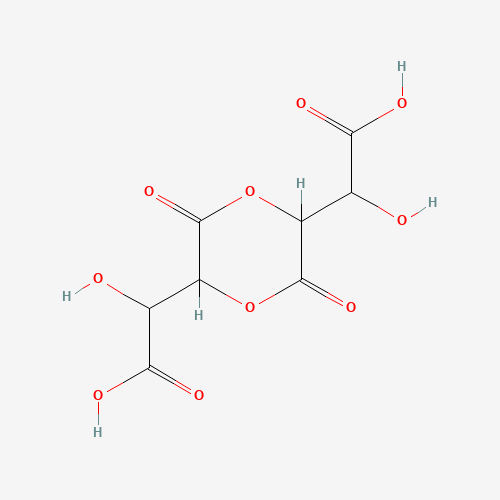
Metatartaric acid is used in winemaking to stop tartrate crystals forming in the bottle. It is a wine treatment rather than a general food acid.
Where it is and isn’t permitted
| Jurisdiction | Status | Scope and limits | Citation |
|---|---|---|---|
| Australia and New Zealand | Permitted, with conditions | 57 food categories no numerical limit (good manufacturing practice) Show every food category
| Food Standards Code, Schedule 15, S15—5and 56 further provisionsretrieved 2026-10-17 |
| Canada | Permitted, with conditions | highest permitted level 100 mg/kg In: Fruit wine; Wine. Purpose: Acidity regulator. Limit: 100 ppm. | Health Canada, List of Permitted Acidity Regulators and Acid-Reacting Materials (List 10), item M.10retrieved 2026-10-17 |
| European Union | Permitted, with conditions | 1 food category highest permitted level 100 mg/l ML = 100 mg/l. only made wine and wino z soku winogronowego and aromatyzowane wino z soku winogronowego. | Regulation (EC) No 1333/2008, Annex II, as amended by (EU) No 0509/2013retrieved 2026-10-18 |
| Great Britain | Permitted, with conditions | 2 food categories highest permitted level 100 mg/kg or mg/l Show every food category
| Assimilated Regulation (EC) No 1333/2008and 1 further provisionretrieved 2026-10-18 |
| Japan | Permitted, with conditions | Designated additive: Appended Table 1, item 409, メタ酒石酸 (“Metatartaric Acid” in the unofficial English translation). …Designated additive: Appended Table 1, item 409, メタ酒石酸 (“Metatartaric Acid” in the unofficial English translation). Standards for use — Specifications and Standards for Foods, Food Additives, etc. (MHW Notification No. 370 of 1959), Part II (Food Additives), F (Standards for use), entry メタ酒石酸: (1) [may be used only in the foods stated] “メタ酒石酸は、ぶどう酒以外の食品に使用してはならない。” (2) [sets maximum levels of use for the foods stated] “メタ酒石酸の使用量は、ぶどう酒1kgにつき0.10g以下でなければならない。” The Japanese is the standard as published. There is no official English translation of the Notification; the English in square brackets is this site’s description of what each sentence does, not a translation of the foods or the levels. Compositional specifications for this additive, in the same Notification, are not imported and are not shown here; nor are the general rules in F 添加物一般, which apply to every additive. | Regulations for Enforcement of the Food Sanitation Act (MHW Ordinance No. 23 of 1948), Appended Table 1retrieved 2026-10-18 |
| South Korea | No listing matchedThis site imports Part III of South Korea’s Standards and Specifications for Food Additives, matched by CAS number, then INS number, then exact name. Mixed preparations and sanitisers are not imported, and an entry whose identifiers disagreed with a page’s is held for review, so an empty row does not show that South Korea does not permit the substance. | ||
| United States | Not listedDoes not appear on this jurisdiction’s permitted list. That is not the same as being prohibited. | ||
| Codex Alimentarius | Permitted, with conditions | 1 food category highest permitted level 100 mg/kg | CXS 192-1995 Table One, INS 353, food category 14.2.3retrieved 2026-09-07 |
How much is permitted
A listing usually limits the quantity as well as the food. Only one of the forms that takes is a figure: quantum satis and good manufacturing practice permit the amount the technological effect requires and no more, which is a limit rather than the absence of one. Figures below are the range across every food category this page is listed in, and categories differ between regulators — see how much is permitted.
| Australia and New Zealand | — | 57 GMP |
|---|---|---|
| Canada | 100 mg/kg | 1 numeric limit |
| European Union | 100 mg/kg | 1 numeric limit |
| Great Britain | 100 mg/kg | 2 numeric limit |
| Japan | — | 1 no quantity stated |
| Codex Alimentarius | 100 mg/kg | 1 numeric limit |
What it is made from
Made by heating tartaric acid, which partially polymerises it. Its effect is temporary, since it slowly reverts to tartaric acid in the bottle.
- Vegan
- Vegetarian
Compare other additives on the dietary indexes.
- CAS registry number
- 39469-81-3
- InChIKey
- KWBYTEOPKORPPY-UHFFFAOYSA-N
- PubChem
- CID 92024228
How the EU defines it
The legal specification an additive must meet to be sold as this E number in the EU — what it is, how it may be made, and the purity it must reach. From Commission Regulation (EU) No 231/2012.
E 353 Metatartaric acid
Synonyms: Ditartaric acid
Assay, identification and purity criteria
Description and assay
- Chemical name
- Metatartaric acid
- Chemical formula
- C₄H₆O₆
- Assay
- Not less than 99,5 %
- Description
- Crystalline or powder form with a white or yellowish colour. Very deliquescent with a faint odour of caramel
Identification
- Solubility
- Very soluble in water and ethanol
- Identification test
- Place a sample of 1 to 10 mg of this substance in a test tube with 2 ml of concentrated sulphuric acid and 2 drops of sulpho-resorcinol reagent. When heated to 150 °C, an intense violet coloration appears
Purity criteria
- Arsenic
- Not more than 3 mg/kg
- Lead
- Not more than 2 mg/kg
- Mercury
- Not more than 1 mg/kg
Every name it appears under
33 recorded names. A label may use any of them.
E number
- E353
INS number
- 353
CAS registry number
- 39469-81-3
- 4450-95-7
- 56959-20-7
As it appears in regulation
- Metatartaric acid
Other names
- 2,2'-(3,6-Dioxo-1,4-dioxane-2,5-diyl)bis(2-hydroxyacetic acid)
- 2,2'-(3,6-Dioxo-1,4-dioxane-2,5-diyl)bis(hydroxyacetic acid)
- Ditartaric acid
- E 353
- I+/-2,I+/-5-Dihydroxy-3,6-dioxo-1,4-dioxane-2,5-diacetic acid
- KWBYTEOPKORPPY-UHFFFAOYSA-N
- METATARTARIC ACID
Hazard reference values
The two committees set different figures. EFSA's acceptable daily intake is 240 mg/kg bw/day (2020); JECFA's is 30 mg/kg bw/day (2017). An acceptable daily intake is a reference value set by a committee, not a threshold above which harm begins. The lower figure is not a finding that the other body was wrong: the two work to different terms of reference, on their own timetables, and sometimes from different data. This site states both and chooses between them nowhere. See where the two committees differ.
Evidence and how bodies read it
What assessing bodies concluded
Each conclusion is paraphrased in the body's own framing, from the published opinion linked beneath it. Where bodies differ, both stand; this site does not adjudicate between them or add a view of its own.
EFSA 2020
The FAF Panel concluded that metatartaric acid (E 353), presumed to hydrolyse fully to L(+)-tartaric acid, should be included in the group ADI of 240 mg/kg bw/day (as tartaric acid) for tartaric acid and tartrates, and that there is no safety concern at the reported uses and use levels.
Common questions
Assembled from what is above, in the words the questions are usually asked in. Each answer is the same statement the relevant section makes, with the same citations behind it.
- What is E 353?
- E 353 is Metatartaric acid. Metatartaric acid is used in winemaking to stop tartrate crystals forming in the bottle. It is a wine treatment rather than a general food acid.
- What is Metatartaric acid used for in food?
- It is listed as an acidity regulator — the role Canada and Codex assign it. This page shows every function each regulator records, with the citation for each.
- Where is Metatartaric acid permitted?
- Of the seven regulators this site reads, Australia and New Zealand, Canada, the EU, Great Britain, Japan and the Codex standard permit it. Each permission is for named foods at named levels, not a blanket one; the table on this page gives them with citations.
- Is Metatartaric acid vegan?
- Yes. Metatartaric acid is not derived from animals, and is suitable for vegetarians. This page says what it is made from and how.
Sources for this page
- anz retrieved 2026-10-17
- ca retrieved 2026-10-17
- eu retrieved 2026-10-18
- gb retrieved 2026-10-18
- jp retrieved 2026-10-18
- gsfa retrieved 2026-09-07
- euspecs retrieved 2026-10-18
Full licence terms and publisher details on Sources. How this page is built and updated: Method.
Machine-readable: a JSON record of this additive is given on request —how to ask for access.
Follow changes to Metatartaric acid:Atom feed — regulatory events, and any change the weekly refresh detects in its provisions.