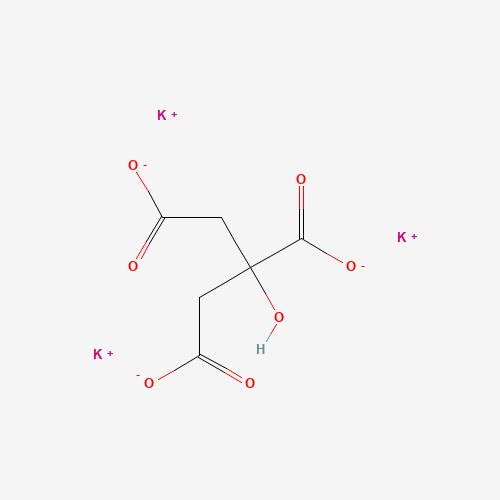
| European UnionEuropean Commission / EFSA | ◐Permitted, with conditions | 84 food categories Show every food category- 1.10 Milk-based drinks and similar products intended for young children* — quantum satisAuthorised under E 332, Potassium citrates. quantum satis.
- 1.3 unflavoured fermented milk products heat-treated after fermentation — several limitsAuthorised under E 332, Potassium citrates. Permitted as a member of Group I, Additives. ML = quantum satis; except E 425 ML = 10000 mg/kg; E 620 to E 625, ML = 10000 mg/kg individually or in combination, expressed as glutamic acid; E 626 to E 635, ML = 500 mg/kg individually or in combination, expressed as guanylic acid.
- 1.4 flavoured fermented milk products including heat-treated products — several limitsAuthorised under E 332, Potassium citrates. Permitted as a member of Group I, Additives. ML = quantum satis; except E 425 ML = 10000 mg/kg; E 620 to E 625, ML = 10000 mg/kg individually or in combination, expressed as glutamic acid; E 626 to E 635, ML = 500 mg/kg individually or in combination, expressed as guanylic acid.
- 1.5 dehydrated milk as defined by directive 2001/114/ec — quantum satisAuthorised under E 332, Potassium citrates. quantum satis.
- 1.6.3 other creams — several limitsAuthorised under E 332, Potassium citrates. Permitted as a member of Group I, Additives. ML = quantum satis; except E 425 ML = 10000 mg/kg; E 620 to E 625, ML = 10000 mg/kg individually or in combination, expressed as glutamic acid; E 626 to E 635, ML = 500 mg/kg individually or in combination, expressed as guanylic acid.
- 1.7.1 unripened cheese excluding products falling in category 16Authorised under E 332, Potassium citrates. Permitted as a member of Group I, Additives. except mozzarella.
- 1.7.5 processed cheese — several limitsAuthorised under E 332, Potassium citrates. Permitted as a member of Group I, Additives. except E 425 ML = 10000 mg/kg; E 620 to E 625, ML =10000 mg/kg individually or in combination, expressed as glutamic acid;E 626 to E 635, ML = 500 mg/kg individually or in combination, expressedas guanylic acid.
- 1.7.6 cheese products (excluding products falling in category 16) — several limitsAuthorised under E 332, Potassium citrates. Permitted as a member of Group I, Additives. ML = quantum satis; except E 425 ML = 10000 mg/kg; E 620 to E 625, ML = 10000 mg/kg individually or in combination, expressed as glutamic acid; E 626 to E 635, ML = 500 mg/kg individually or in combination, expressed as guanylic acid.
- 1.8 Dairy analogues, including beverage whiteners — several limitsAuthorised under E 332, Potassium citrates. Permitted as a member of Group I, Additives. ML = quantum satis; except E 425 ML = 10000 mg/kg; E 620 to E 625, ML = 10000 mg/kg individually or in combination, expressed as glutamic acid; E 626 to E 635, ML = 500 mg/kg individually or in combination, expressed as guanylic acid.
- 1.9 Edible caseinates — quantum satisAuthorised under E 332, Potassium citrates. quantum satis.
- 10.2 processed eggs and egg products — several limitsAuthorised under E 332, Potassium citrates. Permitted as a member of Group I, Additives. ML = quantum satis; except E 425 ML = 10000 mg/kg; E 620 to E 625, ML =10000 mg/kg individually or in combination, expressed as glutamic acid;E 626 to E 635, ML = 500 mg/kg individually or in combination, expressedas guanylic acid.
- 11.2 Other sugars and syrups — several limitsAuthorised under E 332, Potassium citrates. Permitted as a member of Group I, Additives. ML = quantum satis; except E 425 ML = 10000 mg/kg; E 620 to E 625, ML = 10000 mg/kg individually or in combination, expressed as glutamic acid; E 626 to E 635, ML = 500 mg/kg individually or in combination, expressed as guanylic acid.
- 12.1.2 salt substitutes — several limitsAuthorised under E 332, Potassium citrates. Permitted as a member of Group I, Additives. ML = quantum satis; except E 425 ML = 10000 mg/kg; E 620 to E 625, ML = 10000 mg/kg individually or in combination, expressed as glutamic acid; E 626 to E 635, ML = 500 mg/kg individually or in combination, expressed as guanylic acid.
- 12.2.2 Seasonings and condiments — several limitsAuthorised under E 332, Potassium citrates. Permitted as a member of Group I, Additives. ML = quantum satis; except E 425 ML = 10000 mg/kg; E 620 to E 625, ML = 10000 mg/kg individually or in combination, expressed as glutamic acid; E 626 to E 635, ML = 500 mg/kg individually or in combination, expressed as guanylic acid.
- 12.3 Vinegars and diluted acetic acid (diluted with water to 4-30 % by volume) — several limitsAuthorised under E 332, Potassium citrates. Permitted as a member of Group I, Additives. ML = quantum satis; except E 425 ML = 10000 mg/kg; E 620 to E 625, ML = 10000 mg/kg individually or in combination, expressed as glutamic acid; E 626 to E 635, ML = 500 mg/kg individually or in combination, expressed as guanylic acid.
- 12.4 Mustard — several limitsAuthorised under E 332, Potassium citrates. Permitted as a member of Group I, Additives. ML = quantum satis; except E 425 ML = 10000 mg/kg; E 620 to E 625, ML = 10000 mg/kg individually or in combination, expressed as glutamic acid; E 626 to E 635, ML = 500 mg/kg individually or in combination, expressed as guanylic acid.
- 12.5 Soups and broths — several limitsAuthorised under E 332, Potassium citrates. Permitted as a member of Group I, Additives. ML = quantum satis; except E 425 ML = 10000 mg/kg; E 620 to E 625, ML = 10000 mg/kg individually or in combination, expressed as glutamic acid; E 626 to E 635, ML = 500 mg/kg individually or in combination, expressed as guanylic acid.
- 12.6 Sauces — several limitsAuthorised under E 332, Potassium citrates. Permitted as a member of Group I, Additives. ML = quantum satis; except E 425 ML = 10000 mg/kg; E 620 to E 625, ML = 10000 mg/kg individually or in combination, expressed as glutamic acid; E 626 to E 635, ML = 500 mg/kg individually or in combination, expressed as guanylic acid.
- 12.7 Salads and savoury-based sandwich spreads — several limitsAuthorised under E 332, Potassium citrates. Permitted as a member of Group I, Additives. ML = quantum satis; except E 425 ML = 10000 mg/kg; E 620 to E 625, ML = 10000 mg/kg individually or in combination, expressed as glutamic acid; E 626 to E 635, ML = 500 mg/kg individually or in combination, expressed as guanylic acid.
- 12.8 Yeast and yeast products — several limitsAuthorised under E 332, Potassium citrates. Permitted as a member of Group I, Additives. ML = quantum satis; except E 425 ML = 10000 mg/kg; E 620 to E 625, ML = 10000 mg/kg individually or in combination, expressed as glutamic acid; E 626 to E 635, ML = 500 mg/kg individually or in combination, expressed as guanylic acid.
- 12.9 Protein products excluding products covered in category 1 8 — several limitsAuthorised under E 332, Potassium citrates. Permitted as a member of Group I, Additives. ML = quantum satis; except E 425 ML = 10000 mg/kg; E 620 to E 625, ML = 10000 mg/kg individually or in combination, expressed as glutamic acid; E 626 to E 635, ML = 500 mg/kg individually or in combination, expressed as guanylic acid.
- 13.1 foods for infants and young childrenAuthorised under E 332, Potassium citrates. For uses in nutrient preparations under the condition that the maximum level in foods mentioned in Part E, points 01.10 and 13.1, of Annex II is not exceeded and the conditions of use specified therein are respected.
- 13.1.1 infant formulae as defined by Regulation (EU) No 609/2013Authorised under E 332, Potassium citrates. Note 43: E 331 and E 332 are authorised individually or in combination and in conformity with the the limits set in Directives 2006/141/EC, 2006/125/EC, 1999/21/EC.
- 13.1.2 follow-on formulae as defined by by Regulation (EU) No 609/2013 — quantum satisAuthorised under E 332, Potassium citrates. quantum satis. Note 43: E 331 and E 332 are authorised individually or in combination and in conformity with the the limits set in Directives 2006/141/EC, 2006/125/EC, 1999/21/EC.
- 13.1.3 Processed cereal-based foods and baby foods as defined by Regulation (EU) No 609/2013 — quantum satisAuthorised under E 332, Potassium citrates. quantum satis. only processed cereal based foods and baby foods, only for pH adjustment.
- 13.1.5.1 Foods for special medical purposes as defined by Regulation (EU) No 609/2013, intended for infants — quantum satisAuthorised under E 332, Potassium citrates. quantum satis.
- 13.2 Foods for special medical purposes as defined by Regulation (EU) No 609/2013 (excluding products from food category 13.1.5.) — several limitsAuthorised under E 332, Potassium citrates. Permitted as a member of Group I, Additives. ML = quantum satis; except E 425 ML = 10000 mg/kg; E 620 to E 625, ML = 10000 mg/kg individually or in combination, expressed as glutamic acid; E 626 to E 635, ML = 500 mg/kg individually or in combination, expressed as guanylic acid.
- 13.3 Total diet replacement for weight control food as defined by Regulation (EU) No 609/2013 — several limitsAuthorised under E 332, Potassium citrates. Permitted as a member of Group I, Additives. ML = quantum satis; except E 425 ML = 10000 mg/kg; E 620 to E 625, ML = 10000 mg/kg individually or in combination, expressed as glutamic acid; E 626 to E 635, ML = 500 mg/kg individually or in combination, expressed as guanylic acid.
- 14.1.2 Fruit juices as defined by Directive 2001/112/EC and vegetable juicesAuthorised under E 332, Potassium citrates. Permitted as a member of Group I, Additives. only vegetable juices.
- 14.1.3 Fruit nectars as defined by Directive 2001/112/EC and vegetable nectars and similar productsAuthorised under E 332, Potassium citrates. Permitted as a member of Group I, Additives. only vegetable nectars, E 420, E421, E 953, E965, E 966, E 967 and E 968 may not be used.
- 14.1.4 Flavoured_drinksAuthorised under E 332, Potassium citrates. Permitted as a member of Group I, Additives. E 420, E 421, E 953, E 965, E 966 and E 967 may not be used E 968 may not be used except where specifically provided for in this food category.
- 14.1.5.2 otherAuthorised under E 332, Potassium citrates. Permitted as a member of Group I, Additives. excluding unflavoured leaf tea; including flavoured instant coffee; E 420, E421, E 953, E965, E 966, E 967 and E 968 may not be used in drinks.
- 14.2.3 Cider and perryAuthorised under E 332, Potassium citrates. Permitted as a member of Group I, Additives. E 420, E421, E 953, E965, E 966, E 967 and E 968 may not be used.
- 14.2.4 Fruit wine and made wineAuthorised under E 332, Potassium citrates. Permitted as a member of Group I, Additives. E 420, E421, E 953, E965, E 966, E 967 and E 968 may not be used.
- 14.2.5 MeadAuthorised under E 332, Potassium citrates. Permitted as a member of Group I, Additives. E 420, E421, E 953, E965, E 966, E 967 and E 968 may not be used.
- 14.2.6 Spirit drinks as defined in Regulation (EU) 2019/787Authorised under E 332, Potassium citrates. Permitted as a member of Group I, Additives. except whisky or whiskey; E 420, E421, E 953, E 965, E 966, E 967 and E 968 may not be used except in liqueurs.
- 14.2.7.1 Aromatised winesAuthorised under E 332, Potassium citrates. Permitted as a member of Group I, Additives. E 420, E421, E 953, E965, E 966, E 967 and E 968 may not be used.
- 14.2.7.2 Aromatised wine-based drinksAuthorised under E 332, Potassium citrates. Permitted as a member of Group I, Additives. E 420, E421, E 953, E965, E 966, E 967 and E 968 may not be used.
- 14.2.7.3 Aromatised wine-product cocktailsAuthorised under E 332, Potassium citrates. Permitted as a member of Group I, Additives. E 420, E421, E 953, E965, E 966, E 967 and E 968 may not be used.
- 14.2.8 Other alcoholic beverages including mixtures of alcoholic beverages with non-alcoholic beverages and other alcoholic beverages based on distilled alcohol with alcoholic strength by volume less than 15 %Authorised under E 332, Potassium citrates. Permitted as a member of Group I, Additives. E 420, E421, E 953, E 965, E 966, E 967 and E 968 may not be used.
- 15.1 Potato- cereal- flour- or starch-based snacks — several limitsAuthorised under E 332, Potassium citrates. Permitted as a member of Group I, Additives. ML = quantum satis; except E 425 ML = 10000 mg/kg; E 620 to E 625, ML = 10000 mg/kg individually or in combination, expressed as glutamic acid; E 626 to E 635, ML = 500 mg/kg individually or in combination, expressed as guanylic acid.
- 15.2 Processed nuts — several limitsAuthorised under E 332, Potassium citrates. Permitted as a member of Group I, Additives. ML = quantum satis; except E 425 ML = 10000 mg/kg; E 620 to E 625, ML = 10000 mg/kg individually or in combination, expressed as glutamic acid; E 626 to E 635, ML = 500 mg/kg individually or in combination, expressed as guanylic acid.
- 16 Desserts excluding products covered in category 1 3 and 4 — several limitsAuthorised under E 332, Potassium citrates. Permitted as a member of Group I, Additives. ML = quantum satis; except E 425 ML = 10000 mg/kg; E 620 to E 625, ML = 10000 mg/kg individually or in combination, expressed as glutamic acid; E 626 to E 635, ML = 500 mg/kg individually or in combination, expressed as guanylic acid.
- 17.1 food supplements supplied in a solid form excluding food supplements for infants and young children’,Authorised under E 332, Potassium citrates. Permitted as a member of Group I, Additives. E 410, E 412, E 415, E 417 and E 425 may not be used to produce dehydrated food supplements intended to rehydrate on ingestion.
- 17.2 food supplements supplied in a liquid form excluding food supplements for Infants and young children — several limitsAuthorised under E 332, Potassium citrates. Permitted as a member of Group I, Additives. ML = quantum satis; except E 425 ML = 10000 mg/kg; E 620 to E 625, ML = 10000 mg/kg individually or in combination, expressed as glutamic acid; E 626 to E 635, ML = 500 mg/kg individually or in combination, expressed as guanylic acid.
- 18 Processed foods not covered by categories 1 to 17 — several limitsAuthorised under E 332, Potassium citrates. Permitted as a member of Group I, Additives. ML = quantum satis; except E 425 ML = 10000 mg/kg; E 620 to E 625, ML = 10000 mg/kg individually or in combination, expressed as glutamic acid; E 626 to E 635, ML = 500 mg/kg individually or in combination, expressed as guanylic acid.
- 18.1 Processed foods not covered by categories 18.2 and 18.3, excluding foods for infants and young children — several limitsAuthorised under E 332, Potassium citrates. Permitted as a member of Group I, Additives. ML = quantum satis; except E 425 ML = 10000 mg/kg; E 620 to E 625, ML = 10000 mg/kg individually or in combination, expressed as glutamic acid; E 626 to E 635, ML = 500 mg/kg individually or in combination, expressed as guanylic acid.
- 18.2 Meal replacement for weight control as referred to in Commission Regulation (EU) No 432/2012 — several limitsAuthorised under E 332, Potassium citrates. Permitted as a member of Group I, Additives. ML = quantum satis; except E 425 ML = 10000 mg/kg; E 620 to E 625, ML = 10000 mg/kg individually or in combination, expressed as glutamic acid; E 626 to E 635, ML = 500 mg/kg individually or in combination, expressed as guanylic acid.
- 18.3 Food specially produced to reduce the gluten content of gluten-containing ingredients or substitute the gluten-containing ingredientsAuthorised under E 332, Potassium citrates. Permitted as a member of Group I, Additives. Including dry pasta.
- 2.1 fats and oils essentially free from water (excluding anhydrous milk fat) — quantum satisAuthorised under E 332, Potassium citrates. quantum satis. except virgin oils and olive oils.
- 2.2.2 Other fat and oil emulsions including spreads as defined by Regulation (EC) No 1234/2007 and liquid emulsions — several limitsAuthorised under E 332, Potassium citrates. Permitted as a member of Group I, Additives. ML = quantum satis; except E 425 ML = 10000 mg/kg; E 620 to E 625, ML = 10000 mg/kg individually or in combination, expressed as glutamic acid; E 626 to E 635, ML = 500 mg/kg individually or in combination, expressed as guanylic acid.
- 2.3 Vegetable oil pan spray — several limitsAuthorised under E 332, Potassium citrates. Permitted as a member of Group I, Additives. ML = quantum satis; except E 425 ML = 10000 mg/kg; E 620 to E 625, ML = 10000 mg/kg individually or in combination, expressed as glutamic acid; E 626 to E 635, ML = 500 mg/kg individually or in combination, expressed as guanylic acid.
- 3 edible ices — several limitsAuthorised under E 332, Potassium citrates. Permitted as a member of Group I, Additives. ML = quantum satis; except E 425 ML = 10000 mg/kg; E 620 to E 625, ML = 10000 mg/kg individually or in combination, expressed as glutamic acid; E 626 to E 635, ML = 500 mg/kg individually or in combination, expressed as guanylic acid.
- 4.1.2 peeled cut and shredded fruit and vegetables — quantum satisAuthorised under E 332, Potassium citrates. quantum satis. only prepacked refrigerated unprocessed fruit and vegetables ready for consumption and prepacked unprocessed and peeled potatoes.
- 4.1.3 frozen fruit and vegetables — quantum satisAuthorised under E 332, Potassium citrates. quantum satis.
- 4.2.1 dried fruit and vegetablesAuthorised under E 332, Potassium citrates. Permitted as a member of Group I, Additives. E 410, E 412, E 415 and E 417 may not be used to produce dehydrated foods intended to rehydrate on ingestion.
- 4.2.2 fruit and vegetables in vinegar oil or brine — several limitsAuthorised under E 332, Potassium citrates. Permitted as a member of Group I, Additives. ML = quantum satis; except E 425 ML = 10000 mg/kg; E 620 to E 625, ML = 10000 mg/kg individually or in combination, expressed as glutamic acid; E 626 to E 635, ML = 500 mg/kg individually or in combination, expressed as guanylic acid.
- 4.2.3 canned or bottled fruit and vegetables — quantum satisAuthorised under E 332, Potassium citrates. quantum satis.
- 4.2.4.1 fruit and vegetable preparations excluding compote — several limitsAuthorised under E 332, Potassium citrates. Permitted as a member of Group I, Additives. ML = quantum satis; except E 425 ML = 10000 mg/kg; E 620 to E 625, ML = 10000 mg/kg individually or in combination, expressed as glutamic acid; E 626 to E 635, ML = 500 mg/kg individually or in combination, expressed as guanylic acid.
- 4.2.4.2 compote excluding products covered by category 16 — quantum satisAuthorised under E 332, Potassium citrates. quantum satis.
- 4.2.5.4 nut butters and nut spreads — several limitsAuthorised under E 332, Potassium citrates. Permitted as a member of Group I, Additives. ML = quantum satis; except E 425 ML = 10000 mg/kg; E 620 to E 625, ML = 10000 mg/kg individually or in combination, expressed as glutamic acid; E 626 to E 635, ML = 500 mg/kg individually or in combination, expressed as guanylic acid.
- 4.2.6 processed potato products — several limitsAuthorised under E 332, Potassium citrates. Permitted as a member of Group I, Additives. ML = quantum satis; except E 425 ML = 10000 mg/kg; E 620 to E 625, ML = 10000 mg/kg individually or in combination, expressed as glutamic acid; E 626 to E 635, ML = 500 mg/kg individually or in combination, expressed as guanylic acid.
- 5.1 Cocoa and chocolate products as covered by Directive 2000/36/ECAuthorised under E 332, Potassium citrates. Permitted as a member of Group I, Additives. only energy-reduced or with no added sugars.
- 5.2 Other confectionery including breath freshening micro-sweetsAuthorised under E 332, Potassium citrates. Permitted as a member of Group I, Additives. The substances listed under numbers E 400, E 401, E 402, E 403, E 404, E 406, E 407, 407a, E 410, E 412, E 413, E 414, E 415, E 417, E 418, E 425 and E 440 may not be used in jelly mini-cups, defined, for the purpose of this Regulation, as jelly confectionery of a firm consistence, contained in semi rigid mini-cups or mini-capsules, intended to be ingested in a single bite by exerting pressure on the mini-cups or mini-capsule to project the confectionery into the mouth; E 410, E 412, E 415 E 417 may not be used to produce dehydrated foods intended to rehydrate on ingestion. E425 may not be used in jelly confectionery.
- 5.3 chewing gum — several limitsAuthorised under E 332, Potassium citrates. Permitted as a member of Group I, Additives. ML = quantum satis; except E 425 ML = 10000 mg/kg; E 620 to E 625, ML = 10000 mg/kg individually or in combination, expressed as glutamic acid; E 626 to E 635, ML = 500 mg/kg individually or in combination, expressed as guanylic acid.
- 5.4 Decorations, coatings and fillings, except fruit-based fillings covered by category 4.2.4 — several limitsAuthorised under E 332, Potassium citrates. Permitted as a member of Group I, Additives. ML = quantum satis; except E 425 ML = 10000 mg/kg; E 620 to E 625, ML = 10000 mg/kg individually or in combination, expressed as glutamic acid; E 626 to E 635, ML = 500 mg/kg individually or in combination, expressed as guanylic acid.
- 6.2.2 starches — several limitsAuthorised under E 332, Potassium citrates. Permitted as a member of Group I, Additives. ML = quantum satis; except E 425 ML = 10000 mg/kg; E 620 to E 625, ML = 10000 mg/kg individually or in combination, expressed as glutamic acid; E 626 to E 635, ML = 500 mg/kg individually or in combination, expressed as guanylic acid.
- 6.3 breakfast cereals — several limitsAuthorised under E 332, Potassium citrates. Permitted as a member of Group I, Additives. ML = quantum satis; except E 425 ML = 10000 mg/kg; E 620 to E 625, ML = 10000 mg/kg individually or in combination, expressed as glutamic acid; E 626 to E 635, ML = 500 mg/kg individually or in combination, expressed as guanylic acid.
- 6.4.2 Dry pasta — several limitsAuthorised under E 332, Potassium citrates. Permitted as a member of Group I, Additives. ML = quantum satis; except E 425 ML = 10000 mg/kg; E 620 to E 625, ML = 10000 mg/kg individually or in combination, expressed as glutamic acid; E 626 to E 635, ML = 500 mg/kg individually or in combination, expressed as guanylic acid.
- 6.4.4 Potato GnocchiAuthorised under E 332, Potassium citrates. Permitted as a member of Group I, Additives. except fresh refrigerated potato gnocchi.
- 6.4.5 fillings of stuffed pasta (ravioli and similar) — several limitsAuthorised under E 332, Potassium citrates. Permitted as a member of Group I, Additives. ML = quantum satis; except E 425 ML = 10000 mg/kg; E 620 to E 625, ML = 10000 mg/kg individually or in combination, expressed as glutamic acid; E 626 to E 635, ML = 500 mg/kg individually or in combination, expressed as guanylic acid.
- 6.5 Noodles — several limitsAuthorised under E 332, Potassium citrates. Permitted as a member of Group I, Additives. ML = quantum satis; except E 425 ML = 10000 mg/kg; E 620 to E 625, ML = 10000 mg/kg individually or in combination, expressed as glutamic acid; E 626 to E 635, ML = 500 mg/kg individually or in combination, expressed as guanylic acid.
- 6.6 Batters — several limitsAuthorised under E 332, Potassium citrates. Permitted as a member of Group I, Additives. ML = quantum satis; except E 425 ML = 10000 mg/kg; E 620 to E 625, ML = 10000 mg/kg individually or in combination, expressed as glutamic acid; E 626 to E 635, ML = 500 mg/kg individually or in combination, expressed as guanylic acid.
- 6.7 pre-cooked or processed cereals — several limitsAuthorised under E 332, Potassium citrates. Permitted as a member of Group I, Additives. ML = quantum satis; except E 425 ML = 10000 mg/kg; E 620 to E 625, ML = 10000 mg/kg individually or in combination, expressed as glutamic acid; E 626 to E 635, ML = 500 mg/kg individually or in combination, expressed as guanylic acid.
- 7.1 Bread and rollsAuthorised under E 332, Potassium citrates. Permitted as a member of Group I, Additives. except products in 7.1.1 and 7.1.2.
- 7.2 Fine bakery wares — several limitsAuthorised under E 332, Potassium citrates. Permitted as a member of Group I, Additives. ML = quantum satis; except E 425 ML = 10000 mg/kg; E 620 to E 625, ML = 10000 mg/kg individually or in combination, expressed as glutamic acid; E 626 to E 635, ML = 500 mg/kg individually or in combination, expressed as guanylic acid.
- 8.2 Meat preparations as defined by Regulation (EC) No 853/2004 — quantum satisAuthorised under E 332, Potassium citrates. quantum satis. only gehakt, prepacked preparations of fresh minced meat and meat preparations to which other ingredients than additives or salt have been added.
- 8.3.1 Non-heat-treated processed meat — several limitsAuthorised under E 332, Potassium citrates. Permitted as a member of Group I, Additives. ML = quantum satis; except E 425 ML = 10000 mg/kg; E 620 to E 625, ML = 10000 mg/kg individually or in combination, expressed as glutamic acid; E 626 to E 635, ML = 500 mg/kg individually or in combination, expressed as guanylic acid.
- 8.3.2 Heat-treated meat productsAuthorised under E 332, Potassium citrates. Permitted as a member of Group I, Additives. except foie gras, foie gras entier, blocs de foie gras, Libamáj, libamáj egészben, libamáj tömbben.
- 8.3.3 Casings and coatings and decorations for meat — several limitsAuthorised under E 332, Potassium citrates. Permitted as a member of Group I, Additives. ML = quantum satis; except E 425 ML = 10000 mg/kg; E 620 to E 625, ML = 10000 mg/kg individually or in combination, expressed as glutamic acid; E 626 to E 635, ML = 500 mg/kg individually or in combination, expressed as guanylic acid.
- 9.1.1 Unprocessed fish — quantum satisAuthorised under E 332, Potassium citrates. quantum satis.
- 9.1.2 Unprocessed molluscs and crustaceans — quantum satisAuthorised under E 332, Potassium citrates. quantum satis.
- 9.2 Processed fish and fishery products including molluscs and crustaceans — several limitsAuthorised under E 332, Potassium citrates. Permitted as a member of Group I, Additives. ML = quantum satis; except E 425 ML = 10000 mg/kg; E 620 to E 625, ML = 10000 mg/kg individually or in combination, expressed as glutamic acid; E 626 to E 635, ML = 500 mg/kg individually or in combination, expressed as guanylic acid.
- 9.3 fish roeAuthorised under E 332, Potassium citrates. Permitted as a member of Group I, Additives. only processed fish roe.
| Regulation (EC) No 1333/2008, Annex IIand 83 further provisionsretrieved 2026-10-18 |
|---|
| Great BritainFood Standards Agency / Food Standards Scotland | ◐Permitted, with conditions | 81 food categories Show every food category- 1.3 Unflavoured fermented milk products, heat-treated after fermentation — quantum satisAuthorised under E 332, Potassium citrates. Permitted as a member of Group I. quantum satis.
- 1.4 Flavoured fermented milk products including heat-treated products — quantum satisAuthorised under E 332, Potassium citrates. Permitted as a member of Group I. quantum satis.
- 1.5 Dehydrated milk as defined by Directive 2001/114/EC — quantum satisAuthorised under E 332, Potassium citrates. quantum satis.
- 1.6.3 Other creams — quantum satisAuthorised under E 332, Potassium citrates. Permitted as a member of Group I. quantum satis.
- 1.7.1 Unripened cheese excluding products falling in category 16 — quantum satisAuthorised under E 332, Potassium citrates. Permitted as a member of Group I. quantum satis. except mozzarella.
- 1.7.5 Processed cheese — quantum satisAuthorised under E 332, Potassium citrates. Permitted as a member of Group I. quantum satis.
- 1.7.6 Cheese products (excluding products falling in category 16) — quantum satisAuthorised under E 332, Potassium citrates. Permitted as a member of Group I. quantum satis.
- 1.8 Dairy analogues, including beverage whiteners — quantum satisAuthorised under E 332, Potassium citrates. Permitted as a member of Group I. quantum satis.
- 1.9 Edible caseinates — quantum satisAuthorised under E 332, Potassium citrates. quantum satis.
- 10.2 Processed eggs and egg products — quantum satisAuthorised under E 332, Potassium citrates. Permitted as a member of Group I. quantum satis.
- 11.2 Other sugars and syrups — quantum satisAuthorised under E 332, Potassium citrates. Permitted as a member of Group I. quantum satis.
- 12.1.2 Salt substitutes — quantum satisAuthorised under E 332, Potassium citrates. Permitted as a member of Group I. quantum satis.
- 12.2.2 Seasonings and condiments — quantum satisAuthorised under E 332, Potassium citrates. Permitted as a member of Group I. quantum satis.
- 12.3 Vinegars and diluted acetic acid (diluted with water to 4-30 % by volume) — quantum satisAuthorised under E 332, Potassium citrates. Permitted as a member of Group I. quantum satis.
- 12.4 Mustard — quantum satisAuthorised under E 332, Potassium citrates. Permitted as a member of Group I. quantum satis.
- 12.5 Soups and broths — quantum satisAuthorised under E 332, Potassium citrates. Permitted as a member of Group I. quantum satis.
- 12.6 Sauces — quantum satisAuthorised under E 332, Potassium citrates. Permitted as a member of Group I. quantum satis.
- 12.7 Salads and savoury based sandwich spreads — quantum satisAuthorised under E 332, Potassium citrates. Permitted as a member of Group I. quantum satis.
- 12.8 Yeast and yeast products — quantum satisAuthorised under E 332, Potassium citrates. Permitted as a member of Group I. quantum satis.
- 12.9 Protein products, excluding products covered in category 1.8 — quantum satisAuthorised under E 332, Potassium citrates. Permitted as a member of Group I. quantum satis.
- 13.1.1 Infant formulae as defined by Commission Directive 2006/141/ECAuthorised under E 332, Potassium citrates. Note (43): E 331 and E 332 are authorised individually or in combination and in conformity with the limits set in Directives 2006/141/EC, 2006/125/EC, 1999/21/EC.
- 13.1.2 Follow-on formulae as defined by Directive 2006/141/EC — quantum satisAuthorised under E 332, Potassium citrates. quantum satis. Note (43): E 331 and E 332 are authorised individually or in combination and in conformity with the limits set in Directives 2006/141/EC, 2006/125/EC, 1999/21/EC.
- 13.1.3 Processed cereal-based foods and baby foods for infants and young children as defined by Commission Directive 2006/125/EC — quantum satisAuthorised under E 332, Potassium citrates. quantum satis. only processed cereal-based foods and baby foods, only for pH adjustment.
- 13.1.4 Other foods for young children — quantum satisAuthorised under E 332, Potassium citrates. quantum satis. Note (43): E 331 and E 332 are authorised individually or in combination and in conformity with the limits set in Directives 2006/141/EC, 2006/125/EC and 1999/21/EC.
- 13.1.5.1 Dietary foods for infants for special medical purposes and special formulae for infants — quantum satisAuthorised under E 332, Potassium citrates. quantum satis.
- 13.2 Dietary foods for special medical purposes defined in Directive 1999/21/EC (excluding products from food category 13.1.5) — quantum satisAuthorised under E 332, Potassium citrates. Permitted as a member of Group I. quantum satis.
- 13.3 Dietary foods for weight control diets intended to replace total daily food intake or an individual meal (the whole or part of the total daily diet) — quantum satisAuthorised under E 332, Potassium citrates. Permitted as a member of Group I. quantum satis.
- 13.4 Foods suitable for people intolerant to gluten as defined by Commission Regulation (EC) No 41/2009 — quantum satisAuthorised under E 332, Potassium citrates. Permitted as a member of Group I. quantum satis. including dry pasta.
- 14.1.2 Fruit juices as defined by Directive 2001/112/EC and vegetable juices — quantum satisAuthorised under E 332, Potassium citrates. Permitted as a member of Group I. quantum satis. only vegetable juices.
- 14.1.3 Fruit nectars as defined by Directive 2001/112/EC and vegetable nectars and similar products — quantum satisAuthorised under E 332, Potassium citrates. Permitted as a member of Group I. quantum satis. only vegetable nectars, E 420, E421, E 953, E965, E 966, E 967 and E 968 may not be used.
- 14.1.4 Flavoured drinks — quantum satisAuthorised under E 332, Potassium citrates. Permitted as a member of Group I. quantum satis. E 420, E 421, E 953, E 965, E 966 and E 967 may not be used E 968 may not be used except where specifically provided for in this food category.
- 14.1.5.2 Other — quantum satisAuthorised under E 332, Potassium citrates. Permitted as a member of Group I. quantum satis. excluding unflavoured leaf tea; including flavoured instant coffee; E 420, E421, E 953, E965, E 966, E 967 and E 968 may not be used in drinks.
- 14.2.3 Cider and perry — quantum satisAuthorised under E 332, Potassium citrates. Permitted as a member of Group I. quantum satis. E 420, E421, E 953, E965, E 966, E 967 and E 968 may not be used.
- 14.2.4 Fruit wine and made wine — quantum satisAuthorised under E 332, Potassium citrates. Permitted as a member of Group I. quantum satis. E 420, E421, E 953, E965, E 966, E 967 and E 968 may not be used.
- 14.2.5 Mead — quantum satisAuthorised under E 332, Potassium citrates. Permitted as a member of Group I. quantum satis. E 420, E421, E 953, E965, E 966, E 967 and E 968 may not be used.
- 14.2.6 Spirit drinks as defined in Regulation (EC) No 110/2008 — quantum satisAuthorised under E 332, Potassium citrates. Permitted as a member of Group I. quantum satis. except whisky or whiskey; E 420, E421, E 953, E965, E 966, E 967 and E 968 may not be used except in liqueurs.
- 14.2.7.1 Aromatised wines — quantum satisAuthorised under E 332, Potassium citrates. Permitted as a member of Group I. quantum satis. E 420, E421, E 953, E965, E 966, E 967 and E 968 may not be used.
- 14.2.7.2 Aromatised wine-based drinks — quantum satisAuthorised under E 332, Potassium citrates. Permitted as a member of Group I. quantum satis. E 420, E421, E 953, E965, E 966, E 967 and E 968 may not be used.
- 14.2.7.3 Aromatised wine-product cocktails — quantum satisAuthorised under E 332, Potassium citrates. Permitted as a member of Group I. quantum satis. E 420, E421, E 953, E965, E 966, E 967 and E 968 may not be used.
- 14.2.8 Other alcoholic drinks including mixtures of alcoholic drinks with non-alcoholic drinks and spirits with less than 15 % of alcohol — quantum satisAuthorised under E 332, Potassium citrates. Permitted as a member of Group I. quantum satis. E 420, E421, E 953, E965, E 966, E 967 and E 968 may not be used.
- 15.1 Potato-, cereal-, flour- or starch-based snacks — quantum satisAuthorised under E 332, Potassium citrates. Permitted as a member of Group I. quantum satis.
- 15.2 Processed nuts — quantum satisAuthorised under E 332, Potassium citrates. Permitted as a member of Group I. quantum satis.
- 16 Desserts excluding products covered in categories 1, 3 and 4 — quantum satisAuthorised under E 332, Potassium citrates. Permitted as a member of Group I. quantum satis.
- 17.1 Food supplements supplied in a solid form, excluding food supplements for infants and young children — quantum satisAuthorised under E 332, Potassium citrates. Permitted as a member of Group I. quantum satis. E 410, E 412, E 415, E 417 and E 425 may not be used to produce dehydrated food supplements intended to rehydrate on ingestion.
- 17.2 Food supplements supplied in a liquid form, excluding food supplements for infants and young children — quantum satisAuthorised under E 332, Potassium citrates. Permitted as a member of Group I. quantum satis.
- 18 Processed foods not covered by categories 1 to 17, excluding foods for infants and young children — quantum satisAuthorised under E 332, Potassium citrates. Permitted as a member of Group I. quantum satis.
- 2.1 Fats and oils essentially free from water (excluding anhydrous milkfat) — quantum satisAuthorised under E 332, Potassium citrates. quantum satis. except virgin oils and olive oils.
- 2.2.2 Other fat and oil emulsions including spreads as defined by Regulation (EC) No 1234/2007 and liquid emulsions — quantum satisAuthorised under E 332, Potassium citrates. Permitted as a member of Group I. quantum satis.
- 2.3 Vegetable oil pan spray — quantum satisAuthorised under E 332, Potassium citrates. Permitted as a member of Group I. quantum satis.
- 3 Edible ices — quantum satisAuthorised under E 332, Potassium citrates. Permitted as a member of Group I. quantum satis.
- 4.1.2 Peeled, cut and shredded fruit and vegetables — quantum satisAuthorised under E 332, Potassium citrates. quantum satis. only prepacked refrigerated unprocessed fruit and vegetables ready for consumption and prepacked unprocessed and peeled potatoes.
- 4.1.3 Frozen fruit and vegetables — quantum satisAuthorised under E 332, Potassium citrates. quantum satis.
- 4.2.1 Dried fruit and vegetables — quantum satisAuthorised under E 332, Potassium citrates. Permitted as a member of Group I. quantum satis. E 410, E 412, E 415 E 417 may not be used to produce dehydrated foods intended to rehydrate on ingestion.
- 4.2.2 Fruit and vegetables in vinegar, oil, or brine — quantum satisAuthorised under E 332, Potassium citrates. Permitted as a member of Group I. quantum satis.
- 4.2.3 Canned or bottled fruit and vegetables — quantum satisAuthorised under E 332, Potassium citrates. quantum satis.
- 4.2.4.1 Fruit and vegetable preparations excluding compote — quantum satisAuthorised under E 332, Potassium citrates. Permitted as a member of Group I. quantum satis.
- 4.2.4.2 Compote, excluding products covered by category 16 — quantum satisAuthorised under E 332, Potassium citrates. quantum satis.
- 4.2.5.4 Nut butters and nut spreads — quantum satisAuthorised under E 332, Potassium citrates. Permitted as a member of Group I. quantum satis.
- 4.2.6 Processed potato products — quantum satisAuthorised under E 332, Potassium citrates. Permitted as a member of Group I. quantum satis.
- 5.1 Cocoa and chocolate products as covered by Directive 2000/36/EC — quantum satisAuthorised under E 332, Potassium citrates. Permitted as a member of Group I. quantum satis. only energy-reduced or with no added sugar.
- 5.2 Other confectionery including breath refreshening microsweets — quantum satisAuthorised under E 332, Potassium citrates. Permitted as a member of Group I. quantum satis. The substances listed under numbers E 400, E 401, E 402, E 403, E 404, E 406, E 407, 407a, E 410, E 412, E 413, E 414, E 415, E 417, E 418, E 425 and E 440 may not be used in jelly mini-cups, defined, for the purpose of this Regulation, as jelly confectionery of a firm consistence, contained in semi rigid mini-cups or mini-capsules, intended to be ingested in a single bite by exerting pressure on the mini-cups or mini-capsule to project the confectionery into the mouth; E 410, E 412, E 415 E 417 may not be used to produce dehydrated foods intended to rehydrate on ingestion. E425 may not be used in jelly confectionery.
- 5.3 Chewing gum — quantum satisAuthorised under E 332, Potassium citrates. Permitted as a member of Group I. quantum satis.
- 5.4 Decorations, coatings and fillings, except fruit based fillings covered by category 4.2.4 — quantum satisAuthorised under E 332, Potassium citrates. Permitted as a member of Group I. quantum satis.
- 6.2.2 Starches — quantum satisAuthorised under E 332, Potassium citrates. Permitted as a member of Group I. quantum satis.
- 6.3 Breakfast cereals — quantum satisAuthorised under E 332, Potassium citrates. Permitted as a member of Group I. quantum satis.
- 6.4.2 Dry pasta — quantum satisAuthorised under E 332, Potassium citrates. Permitted as a member of Group I. quantum satis. only gluten free and/or pasta intended for hypoproteic diets in accordance with Directive 2009/39/EC.
- 6.4.4 Potato gnocchi — quantum satisAuthorised under E 332, Potassium citrates. Permitted as a member of Group I. quantum satis. except fresh refrigerated potato gnocchi.
- 6.4.5 Fillings of stuffed pasta (ravioli and similar) — quantum satisAuthorised under E 332, Potassium citrates. Permitted as a member of Group I. quantum satis.
- 6.5 Noodles — quantum satisAuthorised under E 332, Potassium citrates. Permitted as a member of Group I. quantum satis.
- 6.6 Batters — quantum satisAuthorised under E 332, Potassium citrates. Permitted as a member of Group I. quantum satis.
- 6.7 Pre-cooked or processed cereals — quantum satisAuthorised under E 332, Potassium citrates. Permitted as a member of Group I. quantum satis.
- 7.1 Bread and rolls — quantum satisAuthorised under E 332, Potassium citrates. Permitted as a member of Group I. quantum satis. except products in 7.1.1 and 7.1.2.
- 7.2 Fine bakery wares — quantum satisAuthorised under E 332, Potassium citrates. Permitted as a member of Group I. quantum satis.
- 8.2 Meat preparations as defined by Regulation (EC) No 853/2004 — quantum satisAuthorised under E 332, Potassium citrates. quantum satis. only gehakt, prepacked preparations of fresh minced meat and meat preparations to which other ingredients than additives or salt have been added.
- 8.3.1 Non-heat-treated meat products — quantum satisAuthorised under E 332, Potassium citrates. Permitted as a member of Group I. quantum satis.
- 8.3.2 Heat-treated meat products — quantum satisAuthorised under E 332, Potassium citrates. Permitted as a member of Group I. quantum satis. except foie gras, foie gras entier, blocs de foie gras, Libamáj, libamáj egészben, libamáj tömbben.
- 8.3.3 Casings and coatings and decorations for meat — quantum satisAuthorised under E 332, Potassium citrates. Permitted as a member of Group I. quantum satis.
- 9.1.1 Unprocessed fish — quantum satisAuthorised under E 332, Potassium citrates. quantum satis.
- 9.1.2 Unprocessed molluscs and crustaceans — quantum satisAuthorised under E 332, Potassium citrates. quantum satis.
- 9.2 Processed fish and fishery products including mollusks and crustaceans — quantum satisAuthorised under E 332, Potassium citrates. Permitted as a member of Group I. quantum satis.
- 9.3 Fish roe — quantum satisAuthorised under E 332, Potassium citrates. Permitted as a member of Group I. quantum satis. only processed fish roe.
| Assimilated Regulation (EC) No 1333/2008, Annex II (as at 28 June 2024)and 80 further provisionsretrieved 2026-10-18 |
|---|